4

Skin Rejuvenation Advances with J-Plasma and Laser Therapies

Advancements in Skin Rejuvenation: Combining J-Plasma with Laser Therapies


Introduction

 
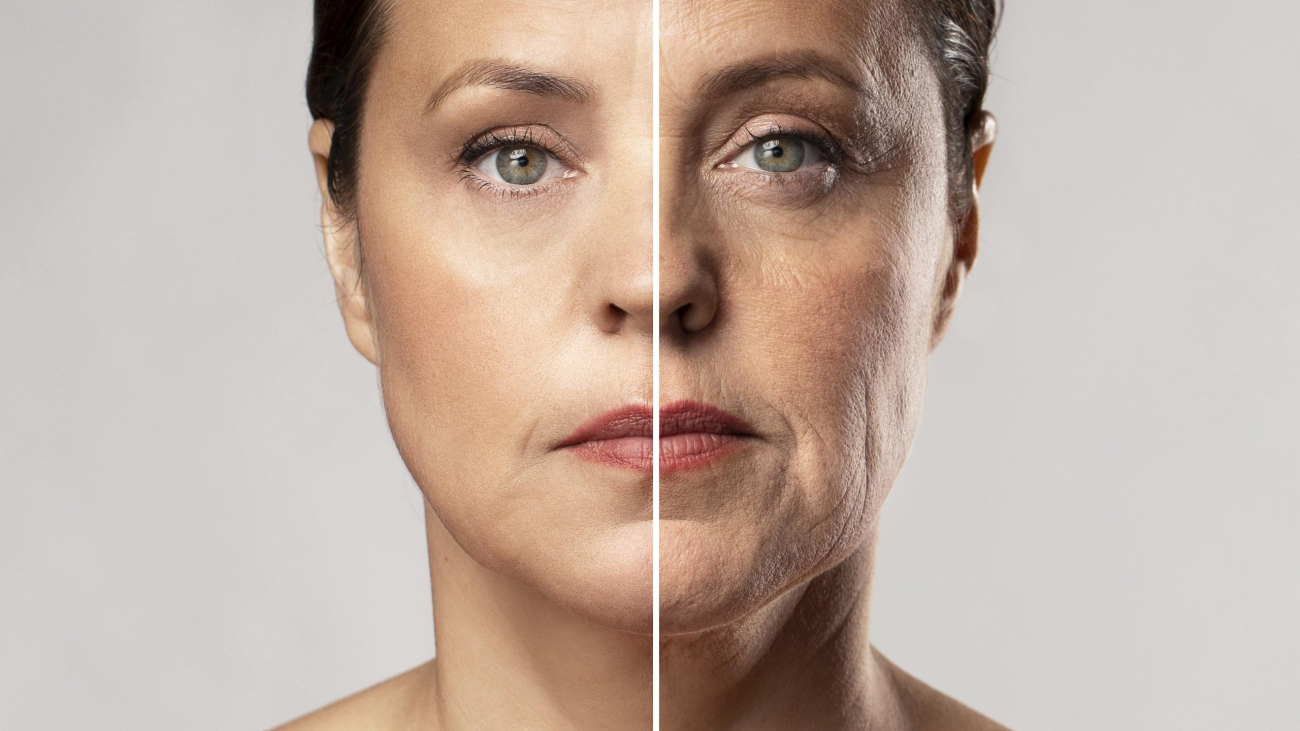
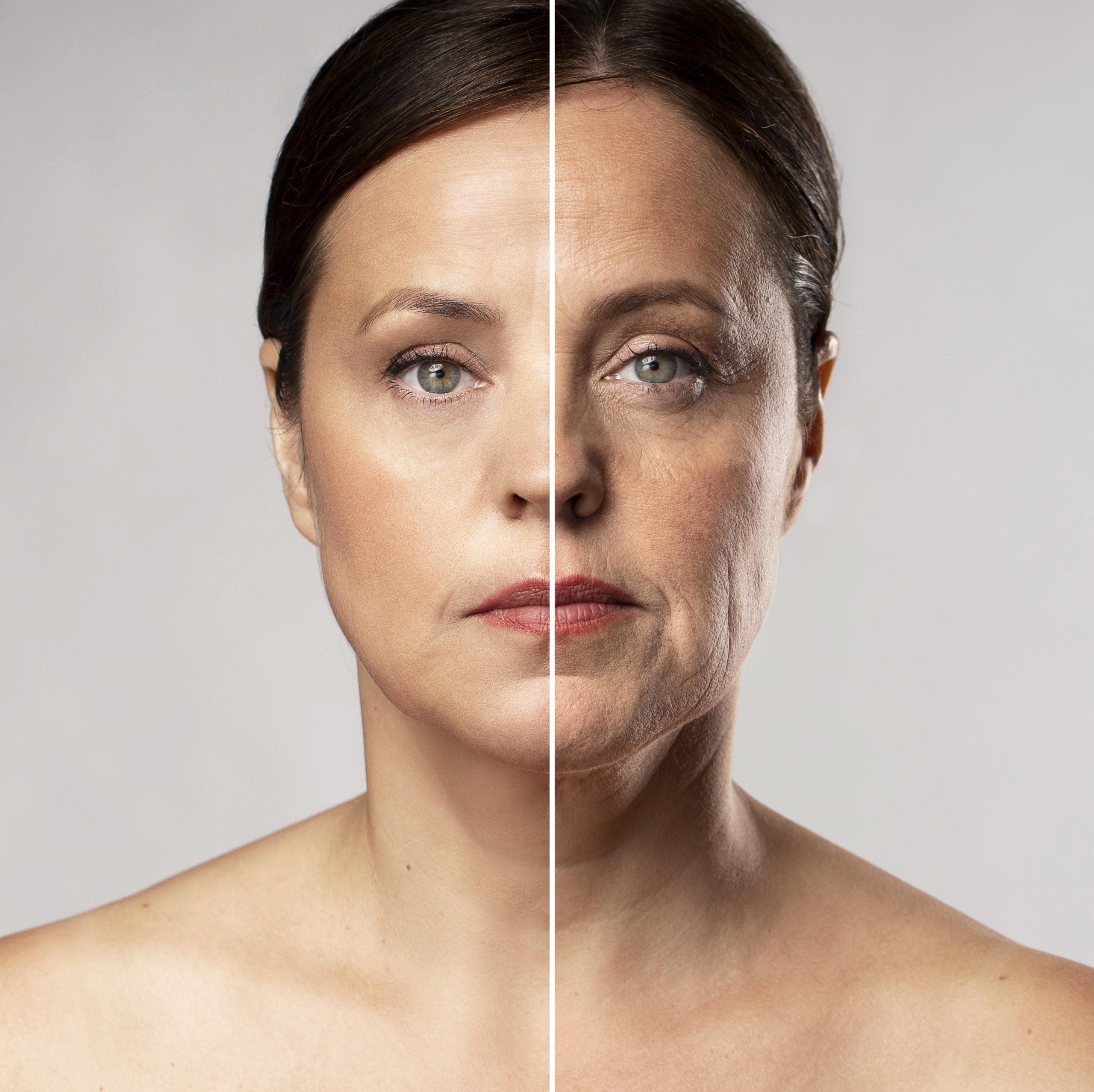
Aging skin often brings visible changes such as wrinkles, uneven skin tone, and loss of firmness. Many people notice these signs when looking in the mirror or taking photos. These changes can affect confidence and daily life. Fortunately, new treatments are making it easier to refresh and rejuvenate the skin with natural-looking results.
 
One exciting advancement is combining J-Plasma with laser therapies. This approach blends two powerful technologies to improve skin texture and tighten sagging areas safely. J-Plasma uses cold plasma energy to stimulate collagen, while lasers target different layers of the skin for enhanced renewal. Together, they offer patients better results than using either treatment alone.
 
This combination therapy also means shorter recovery times and longer-lasting effects, which is important for busy lifestyles. Many patients appreciate returning quickly to normal activities with a fresh, youthful glow.
 
In this article, we will explore the benefits of integrating J-Plasma technology with laser treatments for enhanced skin tightening and texture improvement. Understanding how these options work helps patients make informed decisions and choose the best path to healthier, younger-looking skin. If you want to learn more about these innovative skin rejuvenation methods, keep reading.
 

What is J-Plasma Technology?

 
J-Plasma technology utilizes a unique combination of radiofrequency energy and helium gas to create a focused plasma stream. This plasma precisely targets skin tissues, promoting controlled heating and stimulating collagen production. As a result, it enhances skin tightening and texture with minimal damage to surrounding areas.
 
When combined with laser therapies, J-Plasma offers synergistic benefits, improving overall skin rejuvenation outcomes by refining surface irregularities and boosting firmness for a smoother, youthful appearance. The cold plasma energy effectively triggers skin remodeling without excessive thermal injury, making it a safe and advanced option for skin revitalization.
 

How Do Laser Therapies Work for Skin Rejuvenation?

 
Laser therapies improve skin by targeting specific layers to stimulate collagen and promote cellular renewal. Different types include ablative lasers, which remove damaged skin, and non-ablative lasers, which heat deeper tissues without harming the surface. Fractional lasers create micro-injuries to accelerate healing and texture improvement.
 
Integrating J-Plasma technology with laser treatments enhances skin tightening and refines texture more effectively. The lasers complement J-Plasma by addressing superficial skin layers and pigmentation issues, while J-Plasma targets deeper structural tightening. This combined approach offers advanced rejuvenation with minimal downtime and improved outcomes compared to either method alone.
 

Benefits of Combining J-Plasma with Laser Therapies

 
Combining J-Plasma with laser therapies offers a comprehensive approach to skin rejuvenation by enhancing results beyond what each treatment can achieve alone. This integration targets multiple layers of the skin, promoting collagen production and improving texture with minimal downtime. Patients benefit from a more effective skin tightening and smoothing experience.
 
  • Enhanced skin tightening
 
  • Improved skin texture
 
  • Stimulated collagen production
 
  • Reduced recovery time
 
  • Targeted treatment of fine lines
 
  • Minimized risk of hyperpigmentation
 
  • Suitable for various skin types
 
  • Complementary effects boost overall results
 
  • Increased treatment precision
 
  • Longer-lasting rejuvenation effects
 
Together, these advantages make combining J-Plasma with laser therapies a powerful option for those seeking advanced, effective skin rejuvenation.
 

Skin Conditions Addressed by Combination Treatments

 
Combining J-Plasma with laser therapies effectively targets a variety of skin concerns. This integration enhances skin tightening and texture by using advanced energy delivery techniques. Patients with multiple issues often benefit from this versatile approach, which addresses both surface and deeper layers of the skin to promote rejuvenation.
 
  • Fine lines and wrinkles
 
  • Loose or sagging skin
 
  • Uneven skin texture
 
  • Sun damage and discoloration
 
  • Acne scars
 
  • Enlarged pores
 
  • Hyperpigmentation
 
  • Mild skin laxity
 
  • Post-inflammatory erythema
 
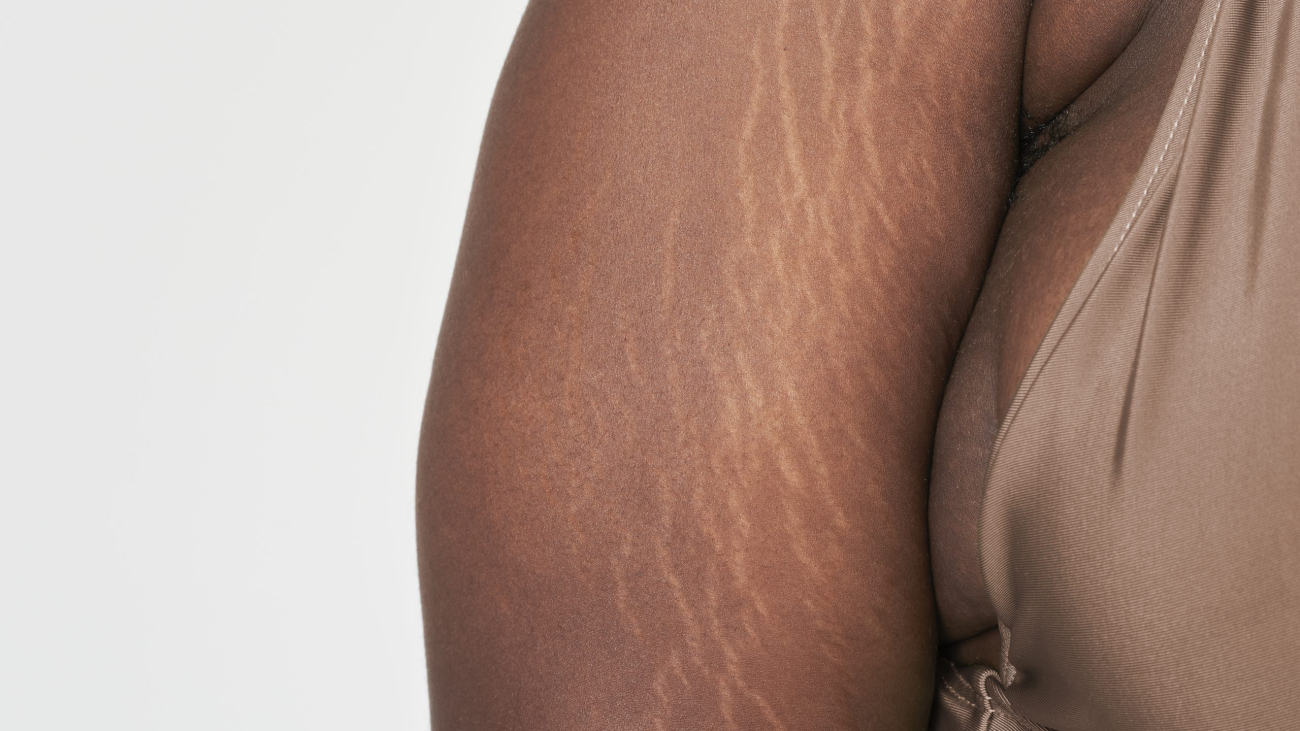
  • Stretch marks
 
These combination treatments provide a comprehensive solution, improving overall skin appearance and resilience by stimulating collagen production and skin remodeling.
 

Procedure Overview: What to Expect During Treatment?

 
Combining J-Plasma with laser therapies offers enhanced skin rejuvenation by tightening and improving texture. The procedure involves several precise steps designed for comfort and effectiveness.
 
  1. Initial consultation assesses skin condition and suitability for combined treatment.
 
  1. Cleansing prepares the skin, removing oils and impurities.
 
  1. Local anesthesia or numbing cream is applied to minimize discomfort.
 
  1. The J-Plasma device targets deeper skin layers, promoting collagen production.
 
  1. Laser therapy follows, refining surface texture and enhancing skin tone.
 
  1. Cooling measures soothe skin and reduce inflammation after treatment.
 
  1. Post-procedure instructions guide care to optimize healing and results.
 
This combined approach maximizes the benefits of both technologies for superior skin tightening and rejuvenation.
 

Safety and Side Effects of Combined Treatments

 
Combining J-Plasma with laser therapies offers enhanced skin tightening and texture improvement while maintaining a strong safety profile. Mild redness, swelling, or temporary discomfort are the most common side effects. These risks are minimized by customizing treatment parameters and using precise technology.
 
Continuous monitoring during sessions ensures patient comfort and reduces complications. This integrated approach leverages the benefits of both modalities, promoting effective rejuvenation with minimal downtime and high patient satisfaction.
 

Recovery Process and Downtime Expectations

 
Combining J-Plasma with laser therapies offers enhanced skin tightening and texture improvement. Recovery typically involves mild redness and swelling lasting 2-5 days. Supporting healing accelerates results and comfort.
 
  • Avoid sun exposure, use broad-spectrum sunscreen
 
  • Apply cold compresses to reduce swelling
 
  • Keep treated area clean and moisturized
 
  • Avoid strenuous activities for 48 hours
 
  • Use gentle skincare products only
 
  • Stay hydrated to promote skin repair
 
  • Follow all post-care instructions carefully
 
  • Schedule follow-up appointments promptly
 
These steps help ensure a smooth recovery and maximize the benefits of J-Plasma combined with laser treatments.
 

Comparing J-Plasma and Laser-Only Treatments


Treatment Type


Effectiveness
 
 
Recovery Time
 
 
Typical Results


J-Plasma Only


Moderate skin tightening and resurfacing
 
 
3-5 days with mild redness
 
 
Improved texture and firmness


Laser-Only


Strong collagen stimulation
 
 
5-7 days with swelling
 
 
Noticeable wrinkle reduction


Combined J-Plasma and Laser


Enhanced skin tightening and texture
 
 
Shorter, 2-4 days mild irritation
 
 
Superior lifting and smoothness


Safety Profile


Minimal risk with expert use
 
 
Quick healing
 
 
Long-lasting, natural appearance


Patient Experiences: What Users Report?

 
Patients report notable improvements in skin texture and tightening after combining J-Plasma with laser therapies. Many describe a smoother, firmer appearance with minimal downtime. The integration of these technologies enhances collagen production, leading to natural-looking rejuvenation.
 
Users appreciate the treatment’s precision and safety, highlighting reduced discomfort compared to traditional methods. Overall, feedback emphasizes satisfaction with both immediate and lasting results, confirming the benefits of this combined approach for advanced skin revitalization.
 

Who is a Good Candidate for Combination Therapy?

 
Patients seeking enhanced skin tightening and texture improvement might benefit from combining J-Plasma with laser therapies. This combination suits those with mild to moderate skin laxity and uneven texture looking for minimally invasive options. However, not everyone qualifies due to individual health factors and skin conditions.
 
  • Healthy overall skin condition
 
  • Mild to moderate skin laxity
 
  • Realistic expectations
 
  • No active skin infections
 
  • Absence of severe acne or eczema
 
  • Non-smokers or willing to quit
 
  • No recent isotretinoin use
 
  • No history of keloid scars
 
  • Adequate hydration and nutrition
 
  • Commitment to post-treatment care
 
Selecting candidates carefully ensures the benefits of integrating J-Plasma technology with laser treatments are maximized while minimizing risks. Proper evaluation by specialists is essential for optimal results.
 

Tips for Preparing Before Treatment

 
Preparing for your skin rejuvenation session enhances results and comfort. Combining J-Plasma with laser therapies offers superior skin tightening and texture improvement. Follow these practical tips to optimize your treatment experience.
 
  • Avoid sun exposure for two weeks prior to treatment
 
  • Discontinue retinoids and exfoliants five days before
 
  • Stay hydrated to promote skin healing
 
  • Inform your doctor about medications or supplements
 
  • Avoid blood thinners or anti-inflammatory drugs as advised
 
  • Cleanse your face gently before the session
 
  • Skip makeup and skincare products on treatment day
 
  • Arrange for post-procedure care or assistance if needed
 
  • Use sunscreen diligently after treatment to protect skin
 
Following these steps supports the effectiveness of J-Plasma and laser integration for enhanced skin rejuvenation.
 

Maintaining Results: Post-Treatment Skincare Recommendations

 
Combining J-Plasma with laser therapies enhances skin tightening and texture, but maintaining results requires proper care. Following post-treatment routines helps prolong benefits and supports healing. Consistent skincare and healthy habits contribute significantly to lasting improvements.
 
  • Use gentle cleansers to avoid irritation
 
  • Apply broad-spectrum sunscreen daily
 
  • Hydrate skin with recommended moisturizers
 
  • Avoid direct sun exposure for several weeks
 
  • Refrain from using harsh exfoliants or retinoids initially
 
  • Follow your specialist’s advice on topical products
 
  • Maintain a balanced diet rich in antioxidants
 
  • Stay hydrated by drinking plenty of water
 
  • Avoid smoking and excessive alcohol consumption
 
  • Schedule follow-up visits for professional assessments
 
These steps help maximize the effectiveness of combined J-Plasma and laser treatments, promoting smoother, firmer skin over time.
 

Frequently Asked Questions

 
What is J-Plasma technology and how does it enhance skin rejuvenation when combined with laser therapies? J-Plasma uses cold helium plasma to tighten skin and stimulate collagen. When combined with laser therapies, it improves skin texture and firmness more effectively by targeting multiple skin layers for comprehensive rejuvenation.
 
Who is an ideal candidate for combining J-Plasma with laser treatments? Patients seeking noticeable skin tightening and texture improvement with minimal downtime benefit most. This combination suits those with mild to moderate skin laxity and surface irregularities.
 
What are the expected results and recovery time after combining J-Plasma and laser therapies? Patients typically see firmer, smoother skin within weeks. Recovery involves mild redness and swelling lasting 3-7 days, allowing a faster return to daily activities compared to surgical options.
 
Are there any risks or side effects associated with combining J-Plasma and laser treatments? Side effects are usually mild and temporary, including redness, swelling, or slight discomfort. Our hospital team ensures personalized care to minimize risks and monitor healing closely.
 
How many sessions of combined J-Plasma and laser therapy are usually needed for optimal results? Most patients achieve desired results after 1-3 sessions spaced several weeks apart. Our specialists tailor treatment plans based on individual skin condition and goals for safe, effective rejuvenation.
 
Clinic Wise ensures the highest standards in skin rejuvenation care with these advanced technologies.
Related Posts
Combined Surgery in Turkey

Achieving a desirable appearance usually requires multiple procedures for many individuals. This means that longer recovery periods, operation times, and Read more

Can Lip Lift Fix Asymmetry? Your Complete Guide to Understanding Lip Lift Surgery

Can lip lift fix asymmetry? Yes, a surgical lip lift can effectively correct minor to moderate lip asymmetry by removing Read more

Cellulite Treatment: Your Complete Guide to Effective Solutions

Cellulite treatment has evolved dramatically in recent years, offering women genuine solutions to the dimpled, cottage cheese-like skin texture that Read more

Portrait of beautiful young woman measuring her figure size with tape measure

Synergistic Effects of J-Plasma and Non-Invasive Fat Reduction

Combining J-Plasma with Non-Invasive Fat Reduction Techniques


Introduction

 
Many individuals seek body improvements without surgery. Modern treatments enable fat reduction and skin tightening gently and safely, helping you feel confident in your appearance.
 
Popular non-invasive fat reduction methods such as CoolSculpting or Laser Lipo effectively target stubborn fat but may sometimes result in loose skin. J-Plasma complements these by using cold plasma energy to tighten and rejuvenate the skin, enhancing overall tone and smoothness.
 
By combining J-Plasma with non-invasive fat reduction techniques, both fat elimination and skin quality are addressed simultaneously, offering a comprehensive approach to body contouring.
 
This article explores how integrating J-Plasma technology with non-surgical fat reduction methods can optimize aesthetic outcomes, detailing benefits, safety considerations, and treatment synergy for minimal downtime and improved satisfaction.
 

Synergistic Mechanisms of J-Plasma and Non-Invasive Fat Reduction Techniques

 
J-Plasma utilizes cold helium plasma combined with radiofrequency energy to selectively target fat cells, while promoting skin tightening through controlled thermal effects. When paired with non-invasive fat reduction methods such as cryolipolysis or ultrasonic cavitation, this combination enhances fat disruption and accelerates collagen remodeling.
 
This dual-action approach improves body contouring by effectively reducing localized fat deposits and firming the skin beyond what each technique achieves alone. The method offers a minimally invasive solution with superior aesthetic results and safety.
 

Optimizing Skin Tightening by Combining J-Plasma with CoolSculpting

 
Integrating J-Plasma with CoolSculpting supports improved skin elasticity after fat freezing. This combination stimulates collagen regeneration, effectively addressing skin laxity often experienced post-fat reduction.
 
Patients benefit from firmer, smoother skin and enhanced body contours with minimal recovery time. The approach complements the fat reduction effects of CoolSculpting by promoting natural skin contraction.
 
  • Boosts collagen production
 
  • Visibly reduces skin sagging
 
  • Enhances elasticity after treatment
 
  • Minimally invasive with short downtime
 
  • Suitable for multiple body areas
 
  • Provides longer-lasting improvements
 
This combination offers an advanced solution for those seeking comprehensive body sculpting that targets both fat and skin.
 

Clinical Outcomes of J-Plasma Integrated with Lipo 360 Fat Reduction

 
J-Plasma paired with Lipo 360 improves fat removal efficiency and skin contraction by delivering controlled thermal energy to targeted tissues. Clinical evidence shows enhanced circumferential contouring and smoother results compared to Lipo 360 alone.
 
This integration facilitates precise sculpting and supports quicker recovery, delivering tighter, more uniform skin. The table below summarizes key clinical benefits:
 
 
Parameter


Lipo 360 Alone
 
 
J-Plasma + Lipo 360
 
 
Clinical Benefit


Fat Removal Efficiency


Moderate
 
 
Enhanced
 
 
More uniform and thorough


Skin Tightening


Limited
 
 
Significant
 
 
Improved elasticity and tone


Recovery Time


Standard
 
 
Shortened
 
 
Faster return to daily activities


Complication Rate


Low
 
 
Comparable
 
 
Safe with added benefits


Enhancing Body Contouring Results Through J-Plasma and Laser Lipo Combination

 
The combination of J-Plasma and Laser Lipo targets both fat and skin laxity for refined body contouring. This approach offers enhanced definition with reduced downtime compared to traditional methods.
 
Laser Lipo melts fat deposits, while J-Plasma tightens the skin, creating a comprehensive treatment that improves elasticity and minimizes sagging.
 
Key benefits include:
 
  • Concurrent fat reduction and skin tightening
 
  • Short recovery periods
 
  • Improved contour precision
 
  • Stimulated collagen synthesis
 
  • Non-surgical and minimally invasive
 
  • Applicable to various body regions
 
  • Natural-looking, long-lasting results
 
  • Enhanced patient comfort and safety
 
This pairing maximizes the strengths of both technologies to achieve superior aesthetic outcomes.
 

Ideal Candidate Profiles for Combined J-Plasma and Non-Invasive Fat Reduction

 
This combined approach is suited for individuals with mild to moderate fat deposits accompanied by skin laxity, seeking minimally invasive solutions with minimal downtime.
 
Ideal candidates typically have:
 
  • Mild to moderate localized fat
 
  • Noticeable skin looseness
 
  • Stable body weight and good health
 
  • Realistic expectations
 
  • Limited response to diet and exercise
 
  • Preference to avoid surgery
 
  • Commitment to post-treatment care
 
This method effectively balances safety and efficacy for enhanced body contouring results.
 

Safety and Risk Management When Pairing J-Plasma with Fat Reduction Procedures?

 
Ensuring patient safety when combining J-Plasma with fat reduction requires thorough planning and risk mitigation.
 
Key safety measures include:
 
  • Comprehensive pre-treatment skin assessment
 
  • Controlled energy application
 
  • Monitoring patient comfort
 
  • Avoiding overlapping treatment zones
 
  • Maintaining sterile technique
 
  • Scheduling appropriate recovery intervals
 
  • Promptly managing mild side effects
 
  • Educating patients on aftercare
 
  • Regular follow-ups to monitor healing
 
  • Tailoring treatments based on individual responses
 
  • Collaborative care among specialists
 
These protocols minimize complications and support optimal treatment outcomes.
 

Protocols for Sequential Use of J-Plasma and Non-Invasive Fat Reduction Methods:

 
Optimizing results involves a strategic sequence and timing between treatments.
 
Recommended steps:
 
  1. Initiate with non-invasive fat reduction targeting adipose tissue.
 
  1. Allow 4 to 6 weeks for fat cell reduction.
 
  1. Follow with J-Plasma sessions to enhance skin tightening.
 
  1. Space multiple J-Plasma treatments by 3 to 4 weeks if needed.
 
  1. Avoid simultaneous treatments on the same area to prevent irritation.
 
  1. Customize intervals based on individual healing.
 
  1. Monitor skin condition for timing adjustments.
 
  1. Adhere to post-treatment care guidelines.
 
This protocol balances effective fat loss and skin contraction while minimizing downtime.
 

Long-Term Skin Elasticity Benefits from Combining J-Plasma with Fat Reduction

 
J-Plasma promotes collagen formation, supporting sustained skin firmness and elasticity after fat reduction procedures. When combined with non-invasive fat removal, this effect helps maintain smoother skin and improved contours over time.
 
The synergy between fat elimination and skin tightening yields durable aesthetic improvements and a youthful appearance without surgery.
 

Recovery Optimization Strategies After Combined J-Plasma and Fat Reduction Treatments

 
Effective recovery enhances overall treatment success. Following these recommendations supports healing and skin quality:
 
  • Avoid sun exposure; apply broad-spectrum sunscreen daily
 
  • Keep treated areas clean and moisturized
 
  • Use cold compresses to alleviate swelling
 
  • Wear loose, breathable clothing
 
  • Limit strenuous activities for about one week
 
  • Maintain hydration for skin health
 
  • Follow specialist guidance on topical care
 
  • Attend all follow-up visits
 
  • Avoid smoking to aid tissue repair
 
  • Elevate treated areas when resting if possible
 
These measures promote comfort and optimal skin tightening results.
 

Technological Advances Enabling Synergy Between J-Plasma and Non-Surgical Fat Removal

 
Recent innovations in J-Plasma and fat reduction devices enhance precision and treatment safety. Improved energy control and integrated monitoring minimize tissue damage while maximizing fat disruption and skin tightening.
 
The table below outlines key technological features enabling this synergy:
 
 
Technology Feature


Benefit
 
 
Impact on Treatment


Controlled energy output


Reduces tissue injury
 
 
Enhances safety


Real-time monitoring


Enables parameter adjustments
 
 
Increases precision


Advanced cooling systems


Protects skin surface
 
 
Allows higher energy application


Integrated protocols


Customizes combined therapies
 
 
Optimizes results


These advancements facilitate tailored treatments with superior contouring and patient satisfaction.
 

Comparative Analysis of Single vs Combined J-Plasma and Fat Reduction Approaches


Treatment Type


Skin Tightening Effect
 
 
Recovery Time
 
 
Patient Satisfaction


J-Plasma Only


Moderate, precise tightening
 
 
5-7 days
 
 
High


Fat Reduction Only


Fat volume reduction, mild tightening
 
 
3-5 days
 
 
Moderate


Combined J-Plasma & Fat Reduction


Enhanced tightening and contouring
 
 
5-7 days, manageable
 
 
Highest, improved confidence


Patient Satisfaction and Aesthetic Outcomes in Combined J-Plasma and Fat Reduction Therapy

 
Patients report notable improvements in skin firmness and body contours following combined J-Plasma and fat reduction treatments. This approach delivers gradual, natural results with minimal downtime, boosting self-confidence.
 
Key patient feedback highlights:
 
  • Visible skin tightening
 
  • Effective localized fat reduction
 
  • Short recovery periods
 
  • Enhanced body definition
 
  • Increased self-esteem
 
  • Comfortable, non-invasive procedure
 
  • Consistent positive outcomes
 
  • Well-tolerated with minimal side effects
 
These observations confirm the efficacy and patient acceptance of combined therapies.
 

Frequently Asked Questions

 
What is J-Plasma and how does it work with non-invasive fat reduction techniques? J-Plasma uses cold helium plasma to tighten skin and improve contour. When combined with non-invasive fat reduction methods like cryolipolysis or radiofrequency, it enhances skin tightening while reducing fat, resulting in refined, natural-looking body contours.
 
Are the combined treatments of J-Plasma and non-surgical fat reduction safe? Yes, when performed by experienced professionals, this combination is safe. Side effects are typically mild and temporary, such as redness or swelling. Strict safety protocols ensure patient well-being throughout treatment.
 
How soon can I see results after combining J-Plasma with fat reduction treatments? Initial skin firmness improvements may appear within days after J-Plasma. Fat reduction effects develop over several weeks, with optimal results visible between 6 to 12 weeks as fat cells decrease and collagen remodels.
 
Who is an ideal candidate for combining J-Plasma with non-invasive fat reduction? Ideal candidates have mild to moderate fat deposits with skin laxity, seek minimally invasive options, and want to avoid surgery. Those aiming for firmer skin alongside fat reduction typically benefit most.
 
What should I expect during recovery after these combined treatments? Recovery is generally quick and comfortable, with minor swelling or redness resolving within days. Patients should avoid intense exercise for about a week and follow personalized aftercare instructions to support healing and maximize skin tightening.
Related Posts
Combined Surgery in Turkey

Achieving a desirable appearance usually requires multiple procedures for many individuals. This means that longer recovery periods, operation times, and Read more

Can Lip Lift Fix Asymmetry? Your Complete Guide to Understanding Lip Lift Surgery

Can lip lift fix asymmetry? Yes, a surgical lip lift can effectively correct minor to moderate lip asymmetry by removing Read more

Cellulite Treatment: Your Complete Guide to Effective Solutions

Cellulite treatment has evolved dramatically in recent years, offering women genuine solutions to the dimpled, cottage cheese-like skin texture that Read more

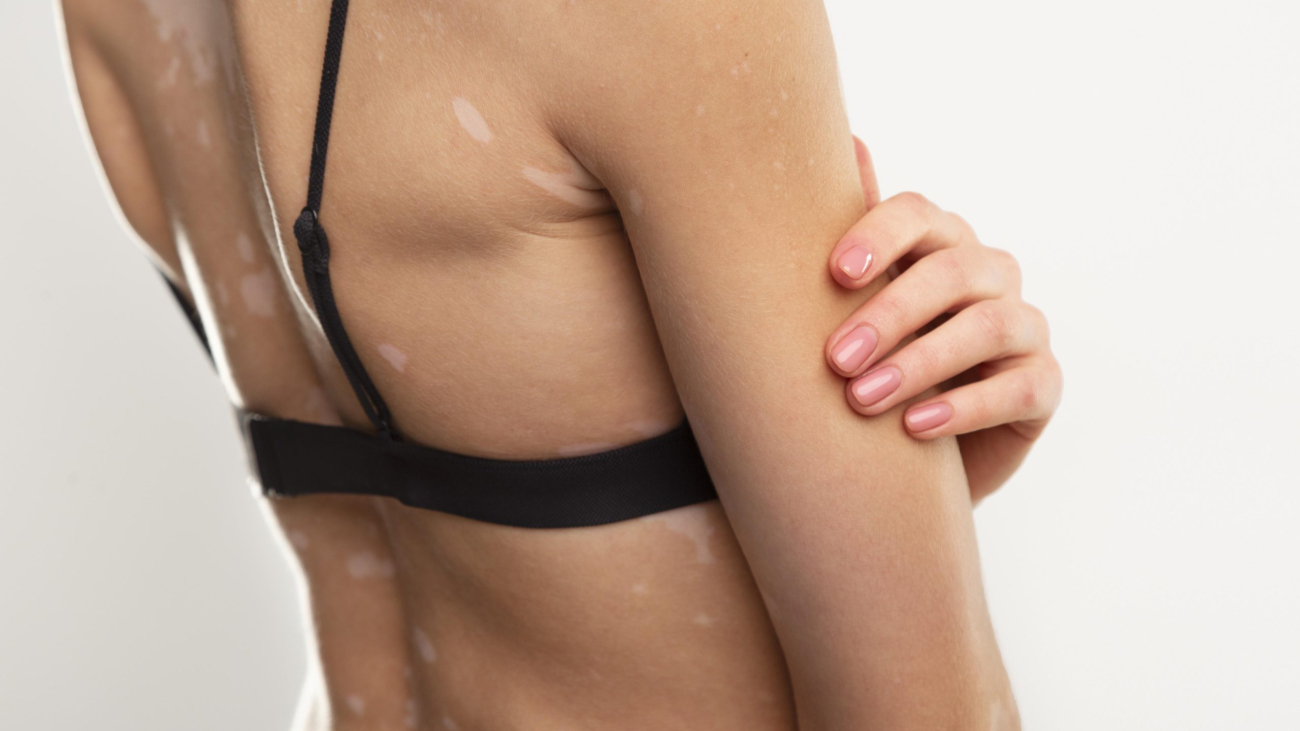
Plus size woman arm's white stretch mark body positivity shoot

J-Plasma Treatment for Stretch Marks | Minimally Invasive Skin Care

Table of Contents


Introduction

 
Stretch marks commonly appear after pregnancy, rapid growth, or weight fluctuations, affecting skin appearance and self-confidence. While traditional options like creams or invasive procedures exist, many patients seek treatments that are both effective and convenient.
 
J-Plasma introduces a minimally invasive technology aimed at enhancing skin texture and elasticity, reducing the visibility of stretch marks with fewer side effects and shorter recovery periods. This article explores how this innovative method works and its advantages over conventional treatments.
 

Understanding J-Plasma Technology in Stretch Mark Treatment

 
J-Plasma harnesses the power of helium plasma combined with radiofrequency energy to target specific skin layers with precision. This technique stimulates collagen synthesis, promoting tighter, smoother skin.
 
By activating the skin’s natural repair mechanisms, J-Plasma facilitates the reduction of stretch mark prominence while ensuring minimal discomfort and swift healing, setting it apart from more invasive approaches.
 

Mechanism of J-Plasma in Improving Skin Texture and Elasticity

 
The technology delivers controlled helium plasma energy that heats the skin gently, prompting a biological response. This process elevates production of collagen and elastin, key proteins responsible for maintaining skin’s strength and flexibility.
 
With renewed collagen, the skin surface becomes more even, and stretch marks progressively fade. The minimally invasive nature of J-Plasma allows effective results with less downtime compared to traditional resurfacing methods.
 

Comparing J-Plasma with Traditional Stretch Mark Therapies

 
Unlike topical creams that primarily hydrate or lasers that often require multiple sessions, J-Plasma offers targeted skin remodeling with fewer treatments. It minimizes thermal damage seen in some laser therapies, resulting in quicker recovery.
 
Compared to microneedling, J-Plasma delivers deeper energy penetration, enhancing collagen stimulation. This balance of efficacy and patient comfort provides a compelling alternative for stretch mark management.
 
 
Treatment Method


Invasiveness
 
 
Effectiveness on Texture
 
 
Downtime


J-Plasma


Minimally invasive
 
 
High
 
 
Minimal (1-3 days)


Laser Therapy


Moderately invasive
 
 
High
 
 
Moderate (5-7 days)


Microneedling


Minimally invasive
 
 
Moderate
 
 
Minimal (1-2 days)


Topical Creams


Non-invasive
 
 
Low
 
 
None


Ideal Candidates for J-Plasma Stretch Mark Treatment

 
Candidates suited for J-Plasma generally have:
 
  • Light to medium skin tones
 
  • Stretch marks present for over six months
 
  • No ongoing skin infections or inflammation
 
  • Good overall health status
 
  • Non-smokers for optimal healing
 
  • Realistic treatment expectations
 
  • Not pregnant or breastfeeding
 
  • No recent use of retinoids
 
  • Willingness to follow post-procedure care
 
Selecting appropriate patients enhances safety and ensures satisfactory outcomes with J-Plasma.
 

The J-Plasma Procedure What to Expect Step-by-Step?

 
The treatment process involves:
 
  1. Consultation to evaluate skin and treatment goals.
 
  1. Preparation and cleansing of the targeted area.
 
  1. Application of local anesthesia for patient comfort.
 
  1. Delivery of controlled helium plasma energy to stimulate regeneration.
 
  1. Session duration varies from 30 to 60 minutes depending on treated zones.
 
  1. Sensations of mild warmth are common; pain is minimal.
 
  1. Immediate aftercare includes gentle washing and moisturizing.
 
  1. Most individuals resume normal routines quickly owing to minimal downtime.
 
This systematic approach ensures both efficacy and patient ease during treatment.
 

Recovery Process and Aftercare Following J-Plasma Treatment

 
Healing usually spans about a week, with mild redness or swelling as typical responses. To support recovery:
 
  • Avoid sun exposure for two weeks
 
  • Maintain cleanliness and hydration of treated skin
 
  • Use gentle, fragrance-free skincare products
 
  • Limit intense physical activity for several days
 
  • Do not irritate the area by scratching or picking
 
  • Apply cold compresses if needed for swelling
 
  • Follow medical advice regarding topical applications
 
  • Attend all follow-up appointments
 
Proper aftercare maximizes benefits and maintains skin integrity.
 

Long-Term Results and Effectiveness of J-Plasma on Stretch Marks

 
Clinical evaluations and patient feedback demonstrate that J-Plasma effectively enhances skin texture and reduces stretch mark visibility over several months. The stimulation of collagen production results in firmer, smoother skin with sustained improvements.
 
This minimally invasive treatment offers a durable solution for those seeking significant yet natural-looking skin renewal.
 

Potential Risks and Side Effects Associated with J-Plasma

 
Although generally safe, potential adverse effects may include:
 
  • Temporary redness and swelling
 
  • Mild skin sensitivity
 
  • Rare instances of burns if misapplied
 
  • Possible pigmentation alterations
 
  • Low risk of infection
 
  • Transient discomfort during healing
 
  • Uncommon scarring
 
Ensuring treatment by skilled practitioners and adherence to aftercare guidelines minimizes risks and promotes favorable outcomes.
 

Combining J-Plasma with Other Cosmetic Procedures for Enhanced Outcomes

 
Integrating J-Plasma with treatments like platelet-rich plasma (PRP) or dermal fillers can amplify skin rejuvenation effects. This combination enhances collagen synthesis and skin tightening beyond what a single modality may achieve.
 
Patients benefit from improved results with manageable recovery times, supporting a comprehensive approach to stretch mark treatment.
 

Clinical Evidence Supporting J-Plasma for Stretch Mark Reduction


Study Name


Sample Size
 
 
Outcome Measures
 
 
Results Summary


Smith et al., 2021


45 patients
 
 
Stretch mark depth, texture
 
 
Significant depth reduction and improved texture


Lee and Kim, 2022


60 patients
 
 
Patient satisfaction, healing time
 
 
High satisfaction, rapid recovery, visible improvement


Martinez et al., 2020


30 patients
 
 
Skin elasticity, adverse events
 
 
Enhanced elasticity, no serious adverse events


Johnson Clinical Trial, 2023


50 patients
 
 
Stretch mark visibility, downtime
 
 
Noticeable visibility decrease, minimal downtime


These studies confirm the safety and efficacy of J-Plasma in reducing stretch marks.
 

Cost Analysis and Accessibility of J-Plasma Treatments


Treatment Type


Average Cost (USD)
 
 
Insurance Coverage
 
 
Typical Session Duration
 
 
Recovery Time


J-Plasma Stretch Mark


2,500
 
 
Usually not covered
 
 
30-60 minutes
 
 
Minimal (1-3 days)


Laser Therapy


3,000
 
 
Sometimes covered
 
 
20-45 minutes
 
 
3-7 days


Microneedling


700
 
 
Rarely covered
 
 
30-60 minutes
 
 
1-4 days


Chemical Peels


600
 
 
Rarely covered
 
 
15-30 minutes
 
 
2-5 days


While costs vary by region and treatment area, J-Plasma typically involves moderate investment with benefits of faster recovery compared to more invasive options.
 

Patient Experiences and Expert Opinions on J-Plasma for Stretch Marks

 
Feedback highlights include:
 
  • Rapid recovery and minimal discomfort reported by patients
 
  • Noticeable improvement in stretch mark appearance
 
  • Enhanced skin firmness and elasticity
 
  • Compatibility with diverse skin types
 
  • Safety ensured through controlled energy delivery
 
  • A preferred non-surgical alternative among professionals
 
  • Documented positive long-term outcomes
 
  • Support of the skin’s natural healing process
 
These perspectives underscore J-Plasma as an effective and well-tolerated option for stretch mark treatment.
 

Frequently Asked Questions

 
What is J-Plasma and how does it work to improve the appearance of stretch marks? J-Plasma is a minimally invasive technology that uses helium plasma combined with radiofrequency energy to resurface skin gently. It stimulates collagen production, helping to smooth and tighten the skin, thereby reducing stretch mark visibility.
 
Who is an ideal candidate for J-Plasma treatment for stretch marks? Ideal candidates have mild to moderate stretch marks and seek improvement with minimal downtime. A professional assessment ensures suitability based on skin type and medical history.
 
What should patients expect during and after a J-Plasma stretch mark treatment session? Patients typically experience mild warmth with local anesthesia during the procedure. After treatment, slight redness or swelling may occur but usually resolves within a few days. Most return to routine activities quickly.
 
How many J-Plasma sessions are typically required to see visible improvement in stretch marks? Visible changes often appear after the first session, with optimal results after two to three treatments spaced weeks apart to maximize collagen remodeling.
 
Are there any risks or side effects associated with J-Plasma for stretch marks? When performed by trained professionals, J-Plasma is safe with low risk. Possible side effects include temporary redness, swelling, or mild tenderness. Proper aftercare and evaluation further reduce risks.
 
Clinic Wise maintains high standards in providing J-Plasma treatments for stretch mark improvement.
Related Posts
Combined Surgery in Turkey

Achieving a desirable appearance usually requires multiple procedures for many individuals. This means that longer recovery periods, operation times, and Read more

Can Lip Lift Fix Asymmetry? Your Complete Guide to Understanding Lip Lift Surgery

Can lip lift fix asymmetry? Yes, a surgical lip lift can effectively correct minor to moderate lip asymmetry by removing Read more

Cellulite Treatment: Your Complete Guide to Effective Solutions

Cellulite treatment has evolved dramatically in recent years, offering women genuine solutions to the dimpled, cottage cheese-like skin texture that Read more

portrait-woman-wearing-shapewear

Advances in Breast Implant Materials for Patient Safety

Table of Contents


Introduction

 
Breast implant selection is an important step for reconstruction or cosmetic purposes, where material safety plays a critical role in patient well-being. Advances in breast implant technology have increasingly emphasized biocompatibility, aiming to reduce adverse immune reactions and improve long-term outcomes.
 
This article highlights key innovations in implant materials designed to enhance compatibility with body tissues and lower complication risks. Understanding these developments empowers patients and clinicians to make informed decisions prioritizing safety and comfort throughout the implant journey.
 

Advances in Surface Modifications Enhancing Silicone Breast Implant Biocompatibility

 
Recent innovations in surface engineering have transformed silicone implants by optimizing interaction at the implant-tissue interface. Techniques such as hydrophilic coatings reduce protein adhesion, while nanotextured surfaces encourage favorable cell attachment and tissue integration.
 
Additional enhancements include:
 
  • Antimicrobial layers that inhibit bacterial colonization
 
  • Bioactive polymers promoting regeneration of surrounding tissues
 
  • Surfaces with controlled roughness to minimize inflammatory cell presence
 
  • Durable crosslinked coatings increasing implant lifespan
 
  • Biodegradable layers that support natural healing processes
 
These surface modifications collectively improve implant acceptance and reduce risks like inflammation and capsule formation, contributing to safer, longer-lasting breast implants.
 

Chemical Characterization Techniques for Improved Breast Implant Materials

 
Ensuring chemical stability and purity is fundamental to implant safety. Advanced chemical characterization methods enable detailed analysis of implant composition and potential contaminants, guiding material refinement.
 
Key analytical techniques comprise:
 
  • Fourier Transform Infrared Spectroscopy (FTIR) for identifying chemical bonds
 
  • Differential Scanning Calorimetry (DSC) assessing thermal properties
 
  • Gas Chromatography-Mass Spectrometry (GC-MS) detecting trace impurities
 
  • Nuclear Magnetic Resonance (NMR) revealing molecular structure
 
  • X-ray Photoelectron Spectroscopy (XPS) analyzing surface chemistry
 
  • Thermogravimetric Analysis (TGA) monitoring decomposition behavior
 
  • Inductively Coupled Plasma (ICP) quantifying metal content
 
  • Contact Angle Measurements evaluating surface hydrophilicity
 
  • High-Performance Liquid Chromatography (HPLC) separating chemical components
 
  • Dynamic Mechanical Analysis (DMA) testing mechanical responses
 
These methods collectively ensure implants meet rigorous safety standards by confirming material integrity and reducing toxicological risks.
 

Physical Methods in Assessing Silicone Breast Implant Safety

 
Physical testing simulates the mechanical stresses implants endure within the body, providing assurance of durability and reliability. These assessments focus on material strength, flexibility, and resistance to wear.
 
Essential physical evaluations include:
 
  • Tensile strength tests measuring stretch resistance
 
  • Fatigue resistance under repetitive loading conditions
 
  • Compression and tear resistance to evaluate shell integrity
 
  • Gel cohesiveness assessments ensuring filler stability
 
  • Surface texture examinations detecting degradation or flaws
 
  • Aging simulations replicating long-term physiological exposure
 
Through such comprehensive mechanical testing, implant manufacturers can optimize materials to withstand physiological demands, enhancing patient safety.
 

Biological Approaches to Evaluating Breast Implant Biocompatibility

 
Biological testing predicts how body tissues and immune systems respond to implant materials, a cornerstone for safe device development.
 
Common biological methods encompass:
 
  • Cell culture assays examining cytotoxicity and cellular responses
 
  • Inflammatory response models monitoring immune activation
 
  • Animal studies providing in vivo tissue compatibility data
 
  • Histology assessing fibrosis and tissue integration
 
  • Protein adsorption tests revealing biomaterial surface interactions
 
  • In vitro degradation analyses tracking material breakdown
 
  • Immunogenicity evaluations for antigenic potential
 
  • Genotoxicity screenings ensuring no DNA damage occurs
 
These approaches collectively inform safer implant designs by minimizing adverse biological effects.
 

Integration of Multidisciplinary Methods for Comprehensive Implant Assessment

 
Evaluating breast implants requires a holistic approach combining chemical, physical, and biological analyses alongside clinical insights. This integrated framework captures the multifaceted nature of implant safety and performance.
 
Components of this strategy include:
 
  • Chemical identification and impurity detection
 
  • Mechanical durability and wear testing
 
  • Biological compatibility assays
 
  • Imaging modalities monitoring implant integrity
 
  • Surface characterization techniques
 
  • Microbial contamination assessments
 
  • Computational modeling predicting in vivo behavior
 
  • Patient-specific evaluations tailoring implant choice
 
Such comprehensive evaluation supports continuous innovation and improved patient outcomes through informed design and monitoring.
 

The Role of Silicone Surface Coatings in Reducing Tissue Reaction

 
Surface coatings applied to silicone implants serve as a frontline defense against adverse tissue reactions. By modifying the implant interface, these coatings reduce scar tissue formation and immune activation.
 
Advantages of specialized coatings include:
 
  • Limiting capsule contracture incidence
 
  • Enhancing smoothness and reducing friction with surrounding tissue
 
  • Supporting stable implant integration over time
 
  • Promoting favorable healing responses
 
  • Minimizing localized inflammation and discomfort
 
These coatings represent a critical advancement in material science, directly improving patient comfort and implant longevity.
 

Regulatory Standards and Their Impact on Breast Implant Material Safety

 
Global regulatory agencies enforce strict frameworks to ensure breast implant safety through comprehensive testing and monitoring.
 
 
Regulatory Body


Region
 
 
Role in Implant Safety
 
 
Key Requirements


FDA


USA
 
 
Approval, post-market surveillance
 
 
Biocompatibility, clinical data


EMA


Europe
 
 
Certification, safety monitoring
 
 
Material standards, risk assessment


PMDA


Japan
 
 
Regulatory approval, quality control
 
 
Manufacturing quality, safety data


TGA


Australia
 
 
Device approval, regulatory compliance
 
 
Safety testing, adverse event reporting


Compliance with these standards ensures implants undergo rigorous evaluation, minimizing risks and protecting patients worldwide.
 

Innovations in Biointegration of Silicone Breast Implants

 
Biointegration focuses on harmonizing implants with host tissues to reduce complications and enhance comfort.
 
Recent innovations include:
 
  • Improved gel cohesiveness for natural feel
 
  • Textured surfaces facilitating cellular adherence
 
  • Antimicrobial coatings lowering infection rates
 
  • Flexible shells that mimic biomechanical properties of tissues
 
  • Barriers reducing silicone bleed and immune activation
 
  • Bioactive treatments encouraging tissue growth and healing
 
  • Customized implant shapes optimizing fit and aesthetics
 
These advancements collectively promote safer implants that function seamlessly within the body.
 

Artificial Intelligence Applications in Biocompatibility Testing of Breast Implants

 
AI technologies revolutionize biocompatibility assessment by handling complex datasets and identifying subtle risk indicators.
 
Key AI contributions:
 
  • Accelerated processing of chemical, physical, and biological data
 
  • Pattern recognition linking material features to clinical outcomes
 
  • Early warning systems for potential complications
 
  • Enhanced predictive models for implant performance
 
  • Integration with imaging for real-time monitoring
 
  • Continuous improvement through machine learning
 
Through these capabilities, AI aids in developing safer implant materials and streamlining regulatory approvals.
 

Challenges and Future Perspectives in Breast Implant Material Development

 
Despite progress, challenges remain in achieving ideal longevity, immune compatibility, and infection resistance.
 
 
Challenge


Current Approach
 
 
Future Perspective


Biocompatibility


Silicone-based polymers
 
 
Smart responsive materials


Immune response


Textured surfaces
 
 
Anti-inflammatory coatings


Infection prevention


Antibiotic-impregnated shells
 
 
Biofilm-resistant designs


Implant longevity


Durable elastomers
 
 
Biodegradable scaffolds


Future research aims to create materials that dynamically interact with the body, biodegrade safely, and further reduce complications, improving patient outcomes.
 

Historical Evolution of Breast Implant Materials Toward Enhanced Patient Safety


Era


Implant Material
 
 
Safety Improvements


1960s


Silicone gel with thick shell
 
 
Addressed initial rupture and leakage issues


1980s


Saline-filled implants
 
 
Reduced silicone exposure


1990s


Textured shells introduced
 
 
Lowered capsular contracture rates


2000s


Cohesive gel implants
 
 
Improved shape retention and biocompatibility


2010s–Present


Advanced silicone gels & barriers
 
 
Enhanced durability and reduced complications


This timeline reflects ongoing efforts to optimize implant safety and patient satisfaction through material innovation.
 

Frameworks for Selecting Optimal Tests to Evaluate Implant Biocompatibility

 
A strategic approach to testing balances scientific rigor and practical feasibility to ensure implant safety.
 
Typical test categories include:
 
  • Cytotoxicity and sensitization assays
 
  • Genotoxicity and immunological evaluations
 
  • Mechanical property and degradation studies
 
  • Animal implantation models
 
  • Sterilization and endotoxin assessments
 
  • Chemical and surface analyses
 
This framework guides manufacturers and regulators in selecting appropriate tests tailored to implant types and intended uses.
 

Frequently Asked Questions

 
1. What are the latest breast implant materials designed to improve biocompatibility? Recent materials feature purified silicone gels and advanced shell technologies that enhance tissue integration and reduce immune responses.
 
2. How do improved breast implant materials enhance patient safety? Stronger shells and cohesive gels minimize risks of rupture and leakage, lowering complications like capsular contracture.
 
3. Can new implant materials reduce the risk of complications like inflammation or infection? Yes, innovations in surface coatings and antimicrobial layers help prevent immune reactions and bacterial colonization.
 
4. How do hospitals ensure the safety of breast implant materials used in surgeries? They utilize implants approved by regulatory bodies, supported by thorough testing and clinical data.
 
5. What should patients ask their surgeon about breast implant materials before surgery? Questions should cover implant type, biocompatibility, rupture risks, and potential side effects for informed decision-making.
 
Clinic Wise remains dedicated to delivering reliable information and promoting the highest standards of patient safety through continuous advancements in breast implant technology.
Related Posts
Combined Surgery in Turkey

Achieving a desirable appearance usually requires multiple procedures for many individuals. This means that longer recovery periods, operation times, and Read more

Can Lip Lift Fix Asymmetry? Your Complete Guide to Understanding Lip Lift Surgery

Can lip lift fix asymmetry? Yes, a surgical lip lift can effectively correct minor to moderate lip asymmetry by removing Read more

Breast Augmentation with Fat Transfer vs Implants: Your Complete Decision Guide

Choosing between breast augmentation with fat transfer vs implants is one of the most important decisions you'll make in your Read more

Healthy eating. Dieting and people concept. Blonde with a vegetable.

J-Plasma Technology for Skin Tightening After Weight Loss

Table of Contents


Introduction

 
After significant weight loss, many individuals face the challenge of loose, sagging skin that affects their appearance and confidence. This excess skin can make it difficult to feel comfortable in clothing and impact self-esteem. Addressing this issue effectively requires treatments that restore skin firmness with minimal downtime.
 
J-Plasma technology is an innovative solution combining cold plasma and radiofrequency energy to tighten the skin gently. By stimulating collagen production, it helps improve elasticity and texture, providing a smoother look without extensive surgery.
 
This article delves into how J-Plasma works as a skin tightening option post-weight loss, covering the treatment process and its advantages over traditional methods. Understanding this technology can assist you in making an informed decision for skin rejuvenation after your weight loss journey.
 

The Science Behind J-Plasma Technology for Treating Skin Laxity After Weight Loss

 
The core of J-Plasma technology lies in its combination of cold plasma and controlled radiofrequency energy. The cold plasma precisely affects the superficial skin layers, promoting collagen remodeling while minimizing thermal injury. Concurrently, radiofrequency penetrates deeper to stimulate skin contraction and regeneration.
 
This dual mechanism enhances skin tightening by encouraging natural tissue repair and collagen synthesis, leading to firmer, more elastic skin. Ideal for those dealing with skin laxity after large weight changes, J-Plasma provides effective rejuvenation with less invasiveness compared to traditional surgeries.
 

How J-Plasma Stimulates Collagen Production to Improve Skin Elasticity

 
J-Plasma delivers controlled helium plasma combined with radiofrequency energy to heat the deeper layers of the skin in a targeted manner. This controlled thermal stimulation activates fibroblasts, the cells responsible for producing collagen.
 
As new collagen forms and existing fibers strengthen, skin elasticity increases, reducing sagging. This regenerative process supports improved texture and tighter skin without the need for extensive surgical intervention, making it a valuable option for post-weight loss skin tightening.
 

Step-by-Step Overview of J-Plasma Treatment for Post-Weight Loss Skin Tightening

 
Understanding the treatment process can help patients prepare and feel at ease. The typical J-Plasma procedure follows these steps:
 
  1. Initial consultation with a specialist to evaluate skin condition and suitability.
 
  1. Preparation and cleansing of the targeted area.
 
  1. Administration of local anesthesia or sedation for patient comfort.
 
  1. Application of the J-Plasma device to emit controlled plasma energy.
 
  1. Precise treatment of loose skin areas by the practitioner.
 
  1. Initiation of collagen stimulation and skin contraction.
 
  1. Treatment duration depends on the size and number of areas, typically 30 to 90 minutes.
 
  1. Post-procedure care instructions provided to support healing and optimize results.
 
This approach ensures safety and efficacy for patients aiming to tighten loose skin after weight loss.
 

Comparing J-Plasma with Traditional Skin Tightening Methods After Weight Loss

 
J-Plasma stands out for its minimally invasive nature, using helium plasma and radiofrequency to tighten skin with less trauma. Compared to surgical lifts, it involves smaller incisions, reduced scarring, and quicker recovery.
 
Laser therapies often require multiple sessions and may yield subtler results. Surgical options provide more dramatic contouring but come with longer downtime and increased risks. J-Plasma offers a balanced alternative, combining effectiveness with safety and patient comfort.
 
 
Method


Invasiveness
 
 
Recovery Time
 
 
Scarring Risk


J-Plasma


Minimally invasive
 
 
Short (days-weeks)
 
 
Low


Surgical Lift


Invasive
 
 
Longer (weeks)
 
 
Moderate to High


Laser Treatment


Non-invasive
 
 
Minimal
 
 
None


Ideal Candidates for J-Plasma Skin Tightening Following Significant Weight Loss

 
Selecting appropriate candidates is vital for successful outcomes with J-Plasma. Ideal patients generally meet the following criteria:
 
  • Stable body weight for at least six months
 
  • Presence of loose skin primarily on areas like the abdomen, arms, or thighs
 
  • Overall good health and absence of active infections
 
  • Non-smoking status or willingness to quit before treatment
 
  • Realistic expectations regarding results
 
  • No history of problematic scarring (keloids or hypertrophic scars)
 
  • Sufficient skin thickness and residual elasticity
 
  • Well-managed chronic conditions such as diabetes or hypertension
 
  • Commitment to follow all post-treatment care instructions
 
These factors help ensure safe treatment and maximize skin tightening benefits.
 

Combining J-Plasma with Body Contouring Procedures for Enhanced Results

 
Integrating J-Plasma with body contouring enhances overall body reshaping after weight loss. While body contouring focuses on removing excess fat and improving shape, J-Plasma targets loose skin by promoting collagen and tissue contraction.
 
The combined approach delivers firmer, smoother skin and improved body contours, offering patients a comprehensive solution in one session. This synergy addresses both volume reduction and skin laxity effectively, leading to more satisfying aesthetic outcomes.
 

Safety Considerations and Recovery Process of J-Plasma for Loose Skin

 
Safety is a key advantage of J-Plasma. The procedure’s minimally invasive nature results in fewer complications and a manageable recovery. Patients can expect:
 
  • Minimal bleeding and low infection risk
 
  • Temporary swelling, redness, and mild discomfort
 
  • Use of local anesthesia for comfort
 
  • Recovery period typically around 7 to 10 days
 
  • Avoidance of strenuous activities during early healing
 
  • Follow-up appointments to monitor progress
 
  • Gradual improvement in skin tightness over several weeks
 
  • Applicability to various skin types
 
Proper adherence to aftercare supports optimal healing and results, making J-Plasma a safe option for addressing loose skin.
 

Long-Term Effects of J-Plasma Technology on Skin Texture and Firmness

 
The benefits of J-Plasma extend beyond immediate results. By stimulating collagen regeneration, the treatment promotes lasting improvements in skin quality. Clinical evidence shows enhanced elasticity and smoother texture persisting for months post-procedure.
 
Patients often experience sustained tightening effects that contribute to renewed confidence and a youthful appearance. This long-term remodeling effect sets J-Plasma apart as a reliable choice for post-weight loss skin rejuvenation.
 

The Role of Cold Atmospheric Plasma in Minimally Invasive Skin Rejuvenation

 
Cold atmospheric plasma is central to J-Plasma’s minimally invasive skin rejuvenation. It precisely delivers energy that triggers collagen and elastin synthesis without excessive heat damage.
 
This controlled stimulation results in tighter, more resilient skin with reduced recovery time compared to traditional surgeries. Particularly effective for post-weight loss skin laxity, cold plasma technology enhances skin tone and texture safely and efficiently.
 

Innovations in J-Plasma for High-Definition Sculpting of Post-Weight Loss Skin

 
J-Plasma represents a technological leap in post-weight loss skin sculpting. Its helium plasma combined with radiofrequency energy allows for precise, targeted tightening and contouring.
 
This innovation supports high-definition body shaping by promoting collagen renewal and skin contraction with minimal invasiveness. Patients benefit from shorter downtime and customized treatments tailored to their unique skin needs, achieving refined, firmer results.
 

How J-Plasma Technology Reduces Wrinkles and Fine Lines in Loose Skin

 
Beyond tightening, J-Plasma effectively diminishes wrinkles and fine lines by promoting collagen remodeling. The controlled plasma and radiofrequency energy stimulate skin contraction, smoothing out surface irregularities.
 
This regenerative effect restores firmness and elasticity lost due to aging or weight fluctuations. The procedure offers a non-surgical solution for improving skin texture and reducing signs of laxity, enhancing overall facial or body appearance.
 

Choosing the Best Clinic and Provider for J-Plasma Skin Tightening After Weight Loss

 
Selecting a qualified clinic and experienced provider is essential for safe and effective J-Plasma treatment. Consider these points when making your choice:
 
  • Provider’s certification and specialized training in J-Plasma
 
  • Clinic’s track record and experience with this technology
 
  • Access to before-and-after photos showcasing real results
 
  • Use of FDA-approved or equivalent devices
 
  • Positive patient reviews and testimonials
 
  • Availability of thorough, personalized consultations
 
  • High standards of hygiene and patient safety
 
  • Comprehensive post-treatment care services
 
  • Capability to manage potential complications
 
  • Transparent pricing and clear treatment plans
 
Choosing a reputable provider ensures confidence, safety, and optimal skin tightening outcomes.
 

FAQ

 
What is J-Plasma technology and how does it work for skin tightening after weight loss? J-Plasma combines cold helium plasma with radiofrequency energy to tighten loose skin by stimulating collagen production, enhancing firmness and elasticity.
 
Is J-Plasma treatment safe for patients with loose skin after major weight loss? Yes, it is a minimally invasive procedure with a favorable safety profile when performed by qualified specialists, offering faster recovery than traditional surgery.
 
How soon can I expect visible results from J-Plasma skin tightening? Initial improvements can appear within days, with continued tightening and collagen remodeling occurring over 3 to 6 months.
 
What areas of the body can J-Plasma effectively treat for skin laxity? It is suitable for the abdomen, arms, thighs, neck, and other areas affected by loose skin after significant weight loss.
 
How does J-Plasma compare to traditional skin tightening surgeries after weight loss? J-Plasma is less invasive, causes less scarring, and requires shorter recovery, while still providing effective skin tightening results.
 
Clinic Wise is here to support your journey with trusted expertise and advanced technology to help you achieve firmer, rejuvenated skin.
Related Posts
Combined Surgery in Turkey

Achieving a desirable appearance usually requires multiple procedures for many individuals. This means that longer recovery periods, operation times, and Read more

Can Lip Lift Fix Asymmetry? Your Complete Guide to Understanding Lip Lift Surgery

Can lip lift fix asymmetry? Yes, a surgical lip lift can effectively correct minor to moderate lip asymmetry by removing Read more

Cellulite Treatment: Your Complete Guide to Effective Solutions

Cellulite treatment has evolved dramatically in recent years, offering women genuine solutions to the dimpled, cottage cheese-like skin texture that Read more

close-up-hands-checking-patient

J-Plasma Skin Rejuvenation: Safe & Effective Minimally Invasive Treatment

J-Plasma for Skin Rejuvenation: A New Minimally Invasive Approach


Table of Contents


Introduction

 
As skin ages, it often shows signs like sagging, wrinkles, and uneven texture, which can impact self-esteem. Many seek treatments that improve skin appearance without lengthy recovery or invasive procedures. Traditional skin tightening usually requires surgery or extensive downtime, limiting convenience.
 
J-Plasma offers a revolutionary minimally invasive technique that tightens skin by delivering controlled energy with high precision. This approach reduces tissue trauma, enabling faster healing and natural results. Patients typically resume normal activities soon after treatment, fitting well with active lifestyles.
 
This article explores how J-Plasma works, its advantages, safety considerations, and future prospects, providing insight into a promising alternative for skin rejuvenation.
 

Understanding J-Plasma Technology in Skin Rejuvenation

 
J-Plasma merges cold helium plasma with radiofrequency energy to target skin layers precisely. This combination promotes remodeling by tightening both superficial and deeper tissues. It stimulates collagen synthesis, enhancing skin elasticity and texture without extensive damage.
 
The technology’s controlled energy delivery minimizes discomfort and shortens recovery compared to conventional methods. By focusing on tissue regeneration, J-Plasma supports natural-looking improvements with a safer profile.
 

Comparing J-Plasma to Traditional Skin Tightening Methods

 
J-Plasma distinguishes itself through its unique use of cold helium plasma, differing from lasers and radiofrequency devices. It delivers energy with less heat-related injury, reducing risks common in other treatments. Surgical lifts, while effective, involve greater invasiveness and longer healing.
 
Key advantages of J-Plasma include:
 
  • Less invasiveness than surgery
 
  • Shorter downtime than laser resurfacing
 
  • Reduced thermal damage compared to radiofrequency
 
  • Precise collagen stimulation
 
  • Effective for delicate facial areas
 
  • Lower scarring risk
 
  • Faster recovery and fewer complications
 
  • Compatibility with adjunct therapies
 
These factors position J-Plasma as a balanced option combining safety and efficacy for skin tightening.
 

The Science Behind J-Plasma’s Minimally Invasive Approach

 
This technology employs cold helium plasma coupled with radiofrequency to produce controlled heating focused on targeted skin layers. The energy causes immediate contraction of elastin fibers, resulting in visible tightening.
 
Concurrently, the treatment stimulates fibroblasts to generate new collagen, supporting long-term skin rejuvenation. This dual mechanism ensures both instant and progressive improvement with minimal collateral damage.
 
 
Mechanism


Skin Effect
 
 
Patient Benefit


Cold Helium Plasma


Targeted energy delivery
 
 
Limited thermal injury


Radiofrequency Energy


Controlled heating
 
 
Immediate tissue tightening


Collagen Stimulation


Enhanced collagen synthesis
 
 
Sustained skin firmness


Tissue Contraction


Elastin fiber shrinkage
 
 
Noticeable rejuvenation


This scientific foundation underlies J-Plasma’s effectiveness and quick recovery profile.
 

J-Plasma for Facial Skin Rejuvenation: Mechanisms and Benefits

 
On the face, J-Plasma tightens loose skin and smooths texture by promoting collagen regeneration. The procedure resurfaces skin layers gently, reducing fine lines and wrinkles with minimal invasiveness.
 
Patients often observe firmer, refreshed skin soon after treatment, with continued improvements over subsequent weeks. The method suits diverse skin types, offering reliable rejuvenation without prolonged downtime or discomfort.
 

Safety Profile and Risk Management in J-Plasma Procedures

 
Safety in J-Plasma treatments relies on precise energy control and patient-specific customization. Pre-treatment assessments identify suitable candidates to minimize complications.
 
Common safety considerations include:
 
  • Thorough evaluation before procedure
 
  • Expectation of mild, temporary redness or swelling
 
  • Rare risks such as burns or pigment changes
 
  • Strict sterile conditions to prevent infection
 
  • Experienced practitioners tailoring settings
 
  • Close monitoring during treatment
 
  • Clear post-care guidelines to support healing
 
Together, these measures ensure effective and safe skin rejuvenation.
 

Patient Selection Criteria for Optimal J-Plasma Results

 
Ideal candidates for J-Plasma typically have mild to moderate skin laxity and are in good general health. Age range often spans 30 to 60 years, with preference for those without active skin issues or autoimmune conditions.
 
Other factors influencing suitability:
 
  • Skin types I-III have lower risk profiles
 
  • Non-smokers tend to heal better
 
  • Realistic expectations foster satisfaction
 
  • Desire for minimally invasive solutions
 
Appropriate selection maximizes benefits while minimizing risks and downtime.
 

Recovery Timeline and Aftercare Following J-Plasma Treatment

 
Post-treatment healing progresses through defined stages:
 
  1. Mild redness and swelling in the first 24 hours
 
  1. Sensitivity or tightness lasting 2-3 days
 
  1. Immediate commencement of gentle skin care
 
  1. Sun avoidance mandatory; sunscreen application daily
 
  1. Possible light scabbing or peeling after day 3
 
  1. Return to routine activities generally within one week
 
  1. Hydration and nutrition aid recovery
 
  1. Follow-up visits to monitor progress
 
Adhering to aftercare recommendations supports optimal outcomes and comfort.
 

Combining J-Plasma with Stem Cell Therapy for Enhanced Rejuvenation

 
When paired with stem cell therapy, J-Plasma’s collagen stimulation complements regenerative effects by activating cellular repair processes. This combination fosters deeper tissue renewal, extending and amplifying rejuvenation results.
 
 
Component


Action
 
 
Benefit
 
 
Recovery


J-Plasma


Plasma energy-induced tightening
 
 
Collagen boost
 
 
Minimal (1-3 days)


Stem Cell Therapy


Activation of regenerative cells
 
 
Enhanced tissue repair
 
 
Variable


Combined Approach


Synergistic regeneration
 
 
Prolonged, improved outcomes
 
 
Minimal to moderate


Under expert supervision, this integrative method remains safe and effective.
 

J-Plasma Bodylift: Expanding Applications Beyond the Face

 
J-Plasma’s benefits extend to body areas requiring skin tightening, such as the abdomen and arms. This technique enhances collagen synthesis, improving skin firmness and contour with minimal discomfort.
 
Highlights include:
 
  • Targeted, minimally invasive treatment
 
  • Effective reduction of loose skin
 
  • Short recovery time
 
  • Suitable across various skin types
 
  • Long-lasting skin elasticity improvements
 
This broadens J-Plasma’s role in aesthetic medicine beyond facial rejuvenation.
 

Regulatory Considerations and Professional Guidelines for J-Plasma

 
J-Plasma has received clearance from key regulatory agencies, confirming its safety and efficacy. Providers must adhere to strict professional standards involving patient assessment, informed consent, and sterile technique.
 
 
Regulatory Body


Status
 
 
Guidelines Emphasized
 
 
Patient Safety Focus


FDA


Cleared for use
 
 
Certified training required
 
 
Device safety and monitoring


CE Mark (Europe)


Certified
 
 
Clinical protocol adherence
 
 
Informed consent and ethics


Medical Associations


Endorsed practices
 
 
Ethical and evidence-based care
 
 
Ongoing provider education


Compliance ensures ethical and reliable treatments.
 

Long-Term Outcomes and Patient Satisfaction with J-Plasma

 
Studies and patient reports highlight sustained skin tightening and texture enhancement lasting beyond six months. Quick recovery and minimal discomfort contribute to high satisfaction.
 
Additional observations:
 
  • Consistent improvements with follow-up care
 
  • Preference for natural-looking results
 
  • Reduced reliance on invasive surgeries
 
  • Sun protection and healthy habits prolong effects
 
  • Combination therapies may further optimize outcomes
 
These factors underscore J-Plasma’s balance of efficacy and patient comfort.
 

Innovations and Future Directions in J-Plasma Skin Rejuvenation

 
Research continues to refine J-Plasma’s precision and expand its applications. Emerging uses include scar revision and advanced body contouring. Integration with other minimally invasive treatments is under exploration to maximize skin quality improvements.
 
Future developments aim to enhance safety, reduce downtime, and broaden patient suitability, reinforcing J-Plasma’s place in aesthetic medicine.
 

Frequently Asked Questions

 
What is J-Plasma technology and how does it work for skin rejuvenation? J-Plasma utilizes helium gas energized by radiofrequency to create a controlled plasma stream. This heats targeted skin layers, stimulating collagen and delivering effective tightening with limited surrounding tissue damage.
 
How long is the recovery time after a J-Plasma skin rejuvenation treatment? Recovery is typically brief, with most patients resuming normal activities within 2 to 5 days. Mild redness or swelling may appear but resolves quickly.
 
Is J-Plasma treatment suitable for all skin types and ages? While generally safe across various skin types, it is best suited for individuals with mild to moderate laxity. A personalized consultation ensures optimal safety and results.
 
What kind of results can patients expect from J-Plasma skin rejuvenation? Patients usually experience immediate tightening and smoother skin, with improvements continuing over several months. The outcomes are natural-looking without extensive downtime.
 
Are there any risks or side effects associated with J-Plasma treatments? Side effects are minimal when performed by skilled professionals and may include temporary redness, swelling, or mild discomfort. Strict protocols ensure patient safety.
 
Clinic Wise provides expert care using J-Plasma technology to deliver safe and effective skin rejuvenation.
Related Posts
Combined Surgery in Turkey

Achieving a desirable appearance usually requires multiple procedures for many individuals. This means that longer recovery periods, operation times, and Read more

Can Lip Lift Fix Asymmetry? Your Complete Guide to Understanding Lip Lift Surgery

Can lip lift fix asymmetry? Yes, a surgical lip lift can effectively correct minor to moderate lip asymmetry by removing Read more

Cellulite Treatment: Your Complete Guide to Effective Solutions

Cellulite treatment has evolved dramatically in recent years, offering women genuine solutions to the dimpled, cottage cheese-like skin texture that Read more

before-after-portrait-mature-woman-retouched

J-Plasma vs Traditional Skin Tightening Comparison


Contents

 
  • Introduction
 
  • Key Technological Differences Between J-Plasma and Traditional Skin Tightening
 
  • How J-Plasma Enhances Skin Tightening Results Compared to Traditional Methods
 
  • Safety Profiles: J-Plasma vs Conventional Skin Tightening Techniques
 
  • Recovery Time and Downtime: J-Plasma Compared to Traditional Procedures
 
  • Mechanism of Action: Cold Atmospheric Plasma Versus Radiofrequency
 
  • Candidate Suitability: Who Benefits More from J-Plasma or Traditional Tightening
 
  • Long-Term Effectiveness: Durability of J-Plasma Versus Traditional Treatments
 
  • Side Effects and Risks: Contrasting J-Plasma with Traditional Skin Tightening
 
  • Treatment Areas: Versatility of J-Plasma Compared to Conventional Methods
 
  • Integration with Other Procedures: J-Plasma and Traditional Skin Tightening Combinations
 
  • Cost Comparison: Evaluating J-Plasma Against Traditional Skin Tightening Options
 
  • Innovations in Skin Tightening: Why J-Plasma is Considered a Game Changer
 
  • FAQ
 
  • Conclusion
 

Introduction

 
As skin ages, it naturally loses firmness, particularly in the face and neck regions. This change can impact self-esteem and overall appearance. While topical creams and exercises offer some benefits, they often fall short of delivering significant tightening results.
 
Traditional skin tightening methods typically employ heat-based devices like radiofrequency or ultrasound to stimulate collagen production and enhance skin texture. Recently, J-Plasma has emerged as an innovative alternative, utilizing a combination of cold helium plasma and radiofrequency energy. This approach allows for precise skin tightening with reduced thermal injury and shorter recovery periods.
 
This article explores how J-Plasma differs from conventional skin tightening, highlighting their unique features, safety aspects, and effectiveness. Understanding these distinctions will assist in selecting the most suitable treatment aligned with your skin goals.
 

Key Technological Differences Between J-Plasma and Traditional Skin Tightening

 
The core technological contrast lies in how energy is delivered to the skin:
 
  • J-Plasma employs helium plasma combined with radiofrequency, providing targeted energy with minimal heat spread
 
  • It causes less damage to surrounding tissues, enabling faster healing
 
  • Traditional methods utilize radiofrequency or ultrasound, which distribute heat less precisely
 
  • Conventional treatments often require multiple sessions due to less focused energy delivery
 
  • J-Plasma integrates skin resurfacing effects alongside tightening
 
  • Traditional approaches mainly concentrate on contraction and collagen stimulation without resurfacing
 
  • Suitable for delicate or sensitive areas due to controlled energy application
 
These distinctions emphasize J-Plasma’s advanced precision and efficiency in skin rejuvenation compared to traditional techniques.
 

How J-Plasma Enhances Skin Tightening Results Compared to Traditional Methods

 
J-Plasma delivers cold plasma energy that penetrates deeper skin layers with precision, promoting collagen remodeling while minimizing thermal injury. This results in improved skin firmness and texture beyond what typical surface heating methods achieve.
 
Patients experience more noticeable tightening effects coupled with a quicker return to normal activities. The technology’s ability to resurface skin while tightening offers dual benefits not typically seen with standard skin tightening procedures. This makes J-Plasma a compelling option for those seeking effective results without prolonged recovery.
 

Safety Profiles: J-Plasma vs Conventional Skin Tightening Techniques

 
Safety considerations vary between the two methods:
 
  • J-Plasma’s focused energy reduces the risk of burns and excessive thermal damage
 
  • It typically leads to less swelling and redness post-treatment
 
  • Traditional methods carry a higher chance of uneven tightening and prolonged irritation
 
  • Infection rates are generally low for both, but faster healing with J-Plasma lowers complication risks
 
  • Scarring and pigmentation changes are rarer with J-Plasma due to its gentler approach
 
  • Conventional treatments may necessitate longer downtime to manage side effects
 
Overall, J-Plasma offers a safer profile with fewer adverse effects, making it suitable for a broad range of patients.
 

Recovery Time and Downtime: J-Plasma Compared to Traditional Procedures


Procedure Type


Average Recovery Time
 
 
Typical Downtime
 
 
Patient Comfort Level


J-Plasma


3-5 days
 
 
Minimal
 
 
Mild redness, quick healing


Traditional Methods


1-3 weeks
 
 
Moderate to long
 
 
Swelling, bruising common


Non-invasive Methods


Few hours to days
 
 
Very low
 
 
Usually no pain or discomfort


J-Plasma allows a faster recovery window with minimal downtime compared to conventional skin tightening, enabling patients to resume daily routines quickly. This aspect suits those with busy lifestyles or low tolerance for prolonged healing.
 

Mechanism of Action: Cold Atmospheric Plasma Versus Radiofrequency

 
J-Plasma utilizes cold atmospheric plasma, an ionized gas that delivers controlled thermal energy directly to skin tissues. This method limits heat diffusion to adjacent areas, reducing damage and accelerating healing.
 
Traditional skin tightening relies on radiofrequency energy that heats deeper layers but with less precision, sometimes causing uneven effects or increased discomfort.
 
By simultaneously targeting surface and deeper layers, J-Plasma promotes efficient collagen synthesis and skin contraction, particularly benefiting sensitive regions prone to damage with conventional methods.
 

Candidate Suitability: Who Benefits More from J-Plasma or Traditional Tightening

 
Selecting the ideal treatment depends on individual skin characteristics and goals:
 
  • J-Plasma suits those with mild to moderate laxity seeking effective tightening with minimal downtime
 
  • It is appropriate for sensitive skin types and localized treatment areas requiring precision
 
  • Traditional methods are better for extensive skin laxity and larger treatment zones
 
  • Patients with thicker skin may respond well to conventional radiofrequency or ultrasound options
 
  • Those willing to undergo longer recovery periods and multiple sessions might opt for traditional approaches
 
Understanding these factors ensures personalized treatment plans that maximize safety and outcomes.
 

Long-Term Effectiveness: Durability of J-Plasma Versus Traditional Treatments


Treatment Type


Duration of Effect
 
 
Mechanism
 
 
Maintenance Required


J-Plasma


18-24 months
 
 
Combines cold plasma and radiofrequency to stimulate collagen and tighten skin
 
 
Occasional touch-ups


Traditional RF


6-12 months
 
 
Uses radiofrequency heat to contract skin fibers and boost collagen production
 
 
Regular sessions needed


Ultrasound-Based


12-18 months
 
 
Focused ultrasound targets deep layers promoting collagen remodeling
 
 
Periodic treatments advised


Laser Tightening


9-15 months
 
 
Laser energy heats dermis to induce collagen synthesis
 
 
Follow-up treatments helpful


Due to its dual-action mechanism, J-Plasma typically provides longer-lasting tightening and skin rejuvenation compared to traditional methods, reducing the need for frequent maintenance.
 

Side Effects and Risks: Contrasting J-Plasma with Traditional Skin Tightening

 
Side effect profiles differ primarily because of energy delivery techniques:
 
  • Swelling and redness occur with both but are generally milder and shorter-lived with J-Plasma
 
  • Bruising and discomfort are more common in traditional treatments
 
  • Infection and scarring risks are low but slightly reduced with J-Plasma’s targeted approach
 
  • Traditional methods carry higher chances of pigmentation changes and thermal injury
 
  • Anesthesia requirements vary, influencing risk levels depending on procedure invasiveness
 
J-Plasma’s controlled energy application enhances safety and patient comfort throughout the treatment process.
 

Treatment Areas: Versatility of J-Plasma Compared to Conventional Methods

 
J-Plasma’s precise energy delivery allows it to effectively treat sensitive and irregular areas such as around the eyes and jawline with minimal risk. Traditional methods are often reserved for larger, less delicate regions due to broader heat application.
 
Common treatment sites for both include:
 
  • Face and neck
 
  • Abdomen and décolletage
 
  • Arms, thighs, and knees
 
  • Hands and buttocks
 
Choosing the appropriate method depends on the specific area and desired outcomes.
 

Integration with Other Procedures: J-Plasma and Traditional Skin Tightening Combinations

 
Both J-Plasma and traditional skin tightening can be integrated with adjunctive treatments like fillers, Botox, or laser resurfacing to enhance overall facial rejuvenation.
 
J-Plasma’s minimal downtime and precise effects complement combined protocols well, allowing sequential or simultaneous procedures with reduced recovery overlap.
 
Traditional approaches may require more careful scheduling due to longer healing, but can effectively augment volume restoration or skin texture improvement.
 
Tailoring combinations according to patient needs optimizes aesthetic results.
 

Cost Comparison: Evaluating J-Plasma Against Traditional Skin Tightening Options


Treatment Type


Average Cost Range (USD)
 
 
Session Count
 
 
Recovery Time


J-Plasma


6,000
 
 
1-2
 
 
3-7 days


Traditional RF


3,000
 
 
3-6
 
 
Minimal


Ultrasound


4,000
 
 
3-5
 
 
Minimal


Laser Therapy


4,500
 
 
3-6
 
 
1-3 days


J-Plasma generally involves higher upfront costs but fewer sessions and shorter downtime. This investment may be preferable for patients prioritizing long-term results and faster recovery.
 

Innovations in Skin Tightening: Why J-Plasma is Considered a Game Changer

 
J-Plasma represents a breakthrough by merging cold helium plasma with radiofrequency, enabling precise skin tightening with minimal collateral damage. This innovation enhances collagen stimulation in both superficial and deep skin layers, promoting natural-looking rejuvenation.
 
Compared to traditional heat-based treatments, J-Plasma offers improved control, safety, and durability, revolutionizing options for patients and clinicians seeking effective skin renewal.
 

FAQ

 
What is J-Plasma technology, and how does it differ from traditional skin tightening methods? J-Plasma combines cold helium plasma and radiofrequency energy to deliver focused treatment that tightens skin effectively while minimizing thermal injury. Unlike standard ultrasound or laser approaches, it offers precise contraction with faster recovery and longer-lasting results.
 
Who is an ideal candidate for J-Plasma compared to traditional skin tightening treatments? Individuals with mild to moderate skin laxity wanting significant tightening without surgery benefit most from J-Plasma. Traditional treatments may suit those with minor concerns or preferring non-invasive options, but J-Plasma typically yields firmer and sustained outcomes.
 
What are the recovery times and side effects of J-Plasma versus traditional skin tightening? Recovery after J-Plasma is generally brief, with mild redness and swelling resolving within days. Traditional methods often involve longer healing, bruising, and multiple sessions. Patients report higher comfort levels and quicker return to activities post-J-Plasma.
 
How do the long-term results of J-Plasma compare with conventional skin tightening techniques? J-Plasma’s dual-action mechanism fosters longer-lasting collagen remodeling, with effects maintained up to two years. Traditional treatments require more frequent maintenance to sustain improvements.
 
Is J-Plasma safe for all skin types, and how does it handle sensitive skin? J-Plasma is safe for diverse skin types, including sensitive and darker tones, due to reduced thermal impact. It lowers risks of pigmentation changes common in some laser treatments. Customized protocols ensure safety and efficacy for each patient.
 

Conclusion

 
J-Plasma introduces a sophisticated advancement in skin tightening, combining precision energy delivery with enhanced safety and recovery profiles. Its ability to simultaneously tighten and resurface skin sets it apart from traditional methods, offering longer-lasting and natural-looking results.
 
By understanding the unique benefits and considerations of both J-Plasma and conventional treatments, individuals can make informed choices tailored to their skin type, concerns, and lifestyle. Consultation with a qualified provider will help determine the optimal approach to achieve rejuvenated, firmer skin.
Related Posts
Combined Surgery in Turkey

Achieving a desirable appearance usually requires multiple procedures for many individuals. This means that longer recovery periods, operation times, and Read more

Can Lip Lift Fix Asymmetry? Your Complete Guide to Understanding Lip Lift Surgery

Can lip lift fix asymmetry? Yes, a surgical lip lift can effectively correct minor to moderate lip asymmetry by removing Read more

Cellulite Treatment: Your Complete Guide to Effective Solutions

Cellulite treatment has evolved dramatically in recent years, offering women genuine solutions to the dimpled, cottage cheese-like skin texture that Read more

17694-cellulite-607252182

Cellulite Treatment: Your Complete Guide to Effective Solutions

Cellulite treatment has evolved dramatically in recent years, offering women genuine solutions to the dimpled, cottage cheese-like skin texture that affects up to 90% of adult females regardless of body weight or fitness level. From advanced laser technologies and surgical interventions to non-invasive procedures and complementary therapies, understanding the effectiveness, longevity, and realistic expectations of various cellulite treatment options empowers you to make informed decisions about achieving smoother, more confident skin on your thighs, buttocks, and other affected areas.

While cellulite is a completely normal skin condition caused by the structure of connective tissue and fat distribution beneath the skin, many women seek treatment to improve the appearance of affected areas. Modern medical advances now provide both temporary improvement options and more permanent solutions for those seeking lasting results.

Understanding Cellulite: The Root Cause

What Causes Cellulite?

Structural Factors:

Connective Tissue Bands: Fibrous septae (connective tissue bands) pull down on the skin while fat cells push upward, creating the characteristic dimpled appearance.

Fat Distribution: Subcutaneous fat chambers beneath the skin expand and protrude through weakened connective tissue.

Skin Thickness: Thinner skin makes underlying irregularities more visible and prominent.

Gender Differences: Women’s connective tissue structure runs vertically (allowing fat to protrude), while men’s runs at angles (providing more structural support).

Contributing Factors

Hormonal Influences:

  • Estrogen affects fat storage patterns
  • Hormonal changes during pregnancy, menopause
  • Birth control and hormone therapy impacts

Genetic Predisposition:

  • Family history of cellulite
  • Ethnicity and skin characteristics
  • Natural body fat distribution patterns

Lifestyle Factors:

  • Sedentary lifestyle
  • Poor circulation
  • Diet and hydration
  • Weight fluctuations

Age-Related Changes:

  • Decreased skin elasticity over time
  • Thinning skin revealing more texture
  • Reduced collagen production
  • Muscle tone loss

Why Cellulite Is Challenging to Treat

Structural Nature: Unlike simple fat deposits removable through liposuction, cellulite involves complex interactions between fat, connective tissue, and skin.

Multiple Contributing Factors: Effective treatment must address various components simultaneously for meaningful improvement.

Individual Variation: Severity ranges from barely visible to extremely pronounced, requiring customized treatment approaches.

Cellulite Treatment for Thighs and Bum

The most common areas requiring treatment:

Why Thighs and Buttocks?

Primary Cellulite Zones:

Upper Thighs:

  • Highest concentration of cellulite in most women
  • Posterior and lateral thigh areas most affected
  • Visible in standing and sitting positions

Buttocks:

  • Second most common cellulite location
  • Often combined with upper thigh involvement
  • Impacts clothing choices and confidence

These areas are prioritized because:

  • Highest visual impact
  • Most commonly exposed (swimwear, athletic wear)
  • Greatest effect on body confidence
  • Combined treatment achieves comprehensive improvement

Comprehensive Treatment Approaches

Effective cellulite treatment for thighs and bum requires addressing multiple tissue layers:

Subcutaneous Fat: Reducing excess fat through liposuction or non-invasive methods.

Connective Tissue Bands: Releasing or restructuring fibrous septae pulling down on skin.

Skin Quality: Improving thickness, elasticity, and overall texture.

Circulation: Enhancing blood flow and lymphatic drainage in affected areas.

Treatment for Cellulite on Thighs

Specific approaches for thigh cellulite:

Surgical and Minimally Invasive Options

Cellfina (FDA-Approved):

How It Works:

  • Minimally invasive subcision procedure
  • Releases connective tissue bands causing dimpling
  • Performed under local anesthesia
  • Treats individual dimples precisely

Effectiveness:

  • FDA-cleared for cellulite reduction
  • Results visible within 3 days
  • Improvement lasts 3+ years (longest FDA-cleared duration)
  • Patient satisfaction rates exceed 85%

Treatment Session:

  • 45-60 minutes for thigh treatment
  • Minimal downtime required
  • Bruising and soreness temporary
  • Single treatment typically sufficient

Qwo Injectable (FDA-Approved):

Revolutionary Approach:

  • First and only FDA-approved injectable for cellulite
  • Enzymatic treatment dissolving connective bands
  • Office-based procedure with no anesthesia needed
  • Series of treatments for optimal results

Effectiveness:

  • Clinically proven cellulite reduction
  • Visible improvement after treatment series
  • Results develop over weeks to months
  • Well-tolerated with manageable side effects

Treatment Protocol:

  • 3 treatment sessions spaced 21 days apart
  • Each session takes minutes
  • Bruising common but temporary
  • Progressive improvement over time

Surgical Cellulite Treatment:

Cellulaze Laser:

  • Minimally invasive laser procedure
  • Releases fibrous bands
  • Stimulates collagen production
  • Reduces fat and thickens skin

Subcision with Fat Grafting:

  • Releases connective bands surgically
  • Fills depressions with own fat
  • Provides volume and smoothness
  • Long-lasting structural improvement

Non-Invasive Professional Treatments

Laser Cellulite Treatments:

How Effective Are Laser Cellulite Treatments Compared to Massages?

Laser treatments provide significantly superior results compared to massage:

Laser Technology Advantages:

  • Mechanism: Thermal energy targets fat cells, stimulates collagen, and improves circulation
  • Depth: Penetrates to treat underlying structural causes
  • Results: Visible improvement in cellulite appearance (typically 30-50% reduction)
  • Duration: Results last 6-12 months with maintenance
  • Evidence: Clinical studies demonstrate measurable improvement

Massage Limitations:

  • Mechanism: Temporarily redistributes fluids and improves circulation
  • Depth: Surface-level manipulation only
  • Results: Minimal temporary appearance improvement (hours to days)
  • Duration: Effects disappear within 24-48 hours
  • Evidence: Limited scientific support for lasting cellulite reduction

Effectiveness Comparison:

Laser Treatments: 6-8/10 effectiveness rating

  • Measurable cellulite reduction
  • Months of improvement
  • Collagen stimulation benefits
  • FDA-cleared technologies

Massage Therapy: 2-3/10 effectiveness rating

  • Very temporary fluid redistribution
  • No structural tissue changes
  • Relaxation and circulation benefits
  • No lasting cellulite improvement

Verdict: Laser cellulite treatments are substantially more effective than massages for actual cellulite reduction, though significantly more expensive.

Radiofrequency Treatments:

Popular Options:

  • VelaShape, Venus Legacy, Exilis
  • Combines radiofrequency, infrared, massage
  • Multiple sessions required (6-10 typically)
  • Gradual improvement over treatment course

Effectiveness:

  • Mild to moderate cellulite improvement
  • Temporary results requiring maintenance
  • Best for mild cellulite cases
  • Non-invasive with no downtime

Acoustic Wave Therapy:

Mechanism:

  • High-energy acoustic waves
  • Improves circulation and breaks down fat
  • Stimulates collagen production
  • Multiple sessions required

Results:

  • Gradual cellulite appearance improvement
  • Combination with other treatments beneficial
  • Maintenance sessions needed
  • Variable individual responses

At-Home and Supportive Treatments

Topical Creams and Serums:

Realistic Expectations:

  • Very minimal temporary improvement
  • Caffeine-based products show slight effect
  • Retinol improves skin thickness over time
  • No significant long-term cellulite reduction

Dry Brushing and Massage:

  • Temporary circulation improvement
  • No structural cellulite changes
  • May improve skin texture superficially
  • Relaxation and self-care benefits

Exercise and Nutrition:

  • Reduces overall body fat
  • Improves muscle tone beneath cellulite
  • Enhances circulation and skin health
  • Does not eliminate cellulite structure but improves appearance

Cellulite Legs Treatment

Comprehensive lower body solutions:

Full Leg Cellulite Considerations

Treatment Areas:

  • Upper thighs (front, back, sides)
  • Buttocks and hip area
  • Lower thighs and knees (less common)
  • Comprehensive lower body approach

Combined Treatment Strategies

Multi-Modal Approach:

Surgical Foundation:

  • Cellfina or Qwo for structural correction
  • Targets most prominent dimples and bands
  • Provides longest-lasting improvement

Non-Invasive Enhancement:

  • Laser or radiofrequency for skin tightening
  • Improves overall texture and tone
  • Enhances surgical results
  • Provides continued collagen stimulation

Maintenance Protocol:

  • Periodic non-invasive treatments
  • At-home skincare regimen
  • Exercise and nutrition optimization
  • Long-term result preservation

Realistic Expectations for Leg Treatment

What Treatment Can Achieve:

  • 50-70% improvement in cellulite appearance (with aggressive treatment)
  • Smoother skin texture and contour
  • Reduced dimpling and irregularities
  • Increased confidence in clothing choices

Important Limitations:

  • Complete cellulite elimination unrealistic
  • Mild residual texture may remain
  • Individual results vary significantly
  • Maintenance often required for sustained improvement

Book a Consultation for Professional Cellulite Removal Services

Taking the first step toward treatment:

Why Professional Consultation Matters

Accurate Assessment:

Cellulite Severity Grading:

  • Grade 1: Visible only when skin pinched
  • Grade 2: Visible when standing
  • Grade 3: Visible in all positions
  • Grade 4: Severe dimpling with skin irregularities

Customized Treatment Planning: Professional evaluation determines optimal approach based on:

  • Cellulite severity and distribution
  • Skin quality and elasticity
  • Body composition and health status
  • Budget and timeline considerations
  • Realistic outcome expectations

Technology Selection: Expert guidance on which treatments provide best results for your specific cellulite type and location.

What to Expect During Consultation

Comprehensive Evaluation:

Physical Examination:

  • Visual assessment of cellulite areas
  • Skin quality and thickness evaluation
  • Underlying tissue structure assessment
  • Overall body composition review

Medical History:

  • Previous cellulite treatments attempted
  • Overall health status and conditions
  • Hormonal factors and medications
  • Lifestyle and activity level

Goal Discussion:

  • Desired improvement level
  • Problem areas prioritization
  • Timeline and budget considerations
  • Realistic expectation alignment

Treatment Recommendations:

  • Optimal procedure selection
  • Single vs. combination approach
  • Treatment timeline and frequency
  • Expected results and limitations

Clinic Wise Cellulite Treatment Expertise

Board-Certified Excellence:

Our plastic surgeons and dermatology specialists provide:

  • Advanced cellulite treatment technologies
  • Surgical and non-invasive options
  • Customized combination approaches
  • Honest, realistic outcome discussions

Comprehensive Options:

  • Cellfina and surgical subcision
  • Laser and radiofrequency technologies
  • Injectable treatments (Qwo)
  • Combined body contouring procedures

Exceptional Value: World-class cellulite treatment at approximately one-third of UK prices:

  • Advanced technology access
  • Board-certified expertise
  • Comprehensive care packages
  • Transparent pricing

Book your free online consultation with Clinic Wise to receive personalized assessment and treatment recommendations for your cellulite concerns.

Cellulite Treatment Prices

Understanding the financial investment:

Price Ranges by Treatment Type

Surgical and Minimally Invasive:

Cellfina: UK pricing typically ranges from moderate to substantial investment depending on treatment area size and number of dimples treated.

Cellulaze Laser: Higher investment due to laser technology and longer procedure time.

Qwo Injectable: Pricing per treatment vial with multiple vials typically needed per session and multiple sessions required.

Surgical Subcision: Investment varies based on extent of treatment and whether combined with other procedures.

Non-Invasive Professional Treatments:

Laser Treatments: Per-session pricing with packages of 6-8 sessions typically recommended.

Radiofrequency: Similar per-session structure with package discounts for multiple treatments.

Acoustic Wave Therapy: Moderate per-session cost with series required for visible results.

Cost-Effectiveness Analysis

Long-Term Value Consideration:

Cellfina (Surgical):

  • Higher upfront investment
  • Results last 3+ years
  • Single treatment typically sufficient
  • Best long-term value for severe cellulite

Laser/Radiofrequency:

  • Lower per-session cost
  • Multiple sessions required initially
  • Ongoing maintenance needed
  • Accumulates over time

Massage Therapy:

  • Lowest per-session cost
  • No lasting results
  • Continuous treatments needed
  • Poor long-term value for cellulite improvement

Clinic Wise Pricing Advantage

Exceptional Affordability:

Turkey offers advanced cellulite treatment at approximately one-third of UK prices:

Why Such Significant Savings:

  • Lower operational costs
  • Favorable economic factors
  • High procedure volumes
  • Government medical tourism support

No Quality Compromise:

  • Same advanced technologies
  • Board-certified specialists
  • JCI-accredited facilities
  • International safety standards

Transparent Pricing:

  • All-inclusive packages
  • No hidden fees
  • Comprehensive care included
  • Budget-friendly financing if needed

Book your free online consultation to receive personalized pricing for your specific cellulite treatment needs.

Treatment Selection Guide

Choosing the Right Approach

For Severe Cellulite (Grade 3-4):

Best Options:

  • Cellfina or surgical subcision
  • Cellulaze laser treatment
  • Qwo injectable series
  • Combined surgical approaches

Why: Non-invasive treatments provide insufficient improvement for severe cases.

For Moderate Cellulite (Grade 2):**

Effective Options:

  • Cellfina for specific dimples
  • Laser or radiofrequency series
  • Qwo injectable treatment
  • Combination approaches

Considerations: Balance cost, downtime, and expected improvement.

For Mild Cellulite (Grade 1):**

Reasonable Options:

  • Non-invasive laser treatments
  • Radiofrequency series
  • Maintenance-focused approach
  • Conservative expectation setting

Reality Check: Mild cellulite may not justify aggressive treatment investment.

Budget-Conscious Approaches

Maximizing Value:

Prioritize Proven Treatments: Invest in evidence-based options (Cellfina, laser) rather than unproven methods.

Consider Medical Tourism: Significant savings at Clinic Wise make advanced treatments accessible.

Combination Efficiency: Pair surgical treatment with body contouring procedures for comprehensive transformation.

Maintenance Planning: Budget for periodic upkeep to preserve initial investment.

Recovery and Maintenance

Post-Treatment Expectations

Cellfina Recovery:

  • Soreness and bruising 7-14 days
  • Compression garment recommended
  • Normal activities within days
  • Results visible within week

Laser Treatment Recovery:

  • Minimal downtime
  • Mild redness and warmth
  • Immediate return to activities
  • Gradual results over weeks

Qwo Injectable Recovery:

  • Significant bruising common
  • Lasts 1-2 weeks typically
  • Plan social time accordingly
  • Progressive improvement

Maintaining Results

Long-Term Success Strategies:

Weight Stability: Maintain consistent weight within 5-10 pounds of treatment weight.

Exercise Regimen:

  • Strength training for muscle tone
  • Cardiovascular for circulation
  • Targeted leg and glute exercises
  • Consistency over intensity

Hydration and Nutrition:

  • Adequate water intake
  • Anti-inflammatory diet
  • Limited processed foods and sodium
  • Nutrient-rich whole foods

Skincare:

  • Quality moisturizers
  • Retinol products for skin thickness
  • Sun protection
  • Dry brushing if desired

Periodic Maintenance:

  • Touch-up laser treatments annually
  • Non-invasive sessions as needed
  • Early intervention if cellulite returns
  • Proactive rather than reactive approach

Why Choose Clinic Wise for Cellulite Treatment

Advanced Technology Access

Latest Treatment Options:

  • Cellfina and surgical techniques
  • Advanced laser systems
  • Radiofrequency devices
  • Injectable treatments
  • Combination protocols

Board-Certified Expertise

Qualified Specialists:

  • Plastic surgeons with body contouring expertise
  • Dermatologists specializing in skin treatments
  • Experienced with severe and complex cases
  • Artistic approach to natural results

Comprehensive Assessment

Personalized Treatment Plans:

  • Thorough cellulite evaluation
  • Severity grading and mapping
  • Customized protocol development
  • Realistic expectation setting
  • Budget-conscious options

Exceptional Value Proposition

Affordable Excellence:

  • Approximately one-third of UK prices
  • Advanced technology access
  • Board-certified expertise
  • Comprehensive care packages
  • No quality compromise

Medical Tourism Support

International Patient Services:

  • English-speaking coordinators
  • Airport transfers and transportation
  • Comfortable accommodation
  • Complete journey management
  • Post-treatment care support

Proven Results

Track Record of Success:

  • Extensive before and after portfolio
  • High patient satisfaction rates
  • Diverse patient types treated
  • Combination procedure expertise
  • Long-term result monitoring

Book your free online consultation to discover how Clinic Wise can help you achieve smoother, more confident skin on your thighs, buttocks, and legs.

Realistic Expectations and Honest Guidance

What Cellulite Treatment Can Achieve

Realistic Improvements:

  • 50-70% reduction in cellulite appearance (with aggressive treatment)
  • Smoother overall skin texture
  • Reduced dimpling visibility
  • Enhanced body confidence
  • Improved clothing comfort

Important Limitations

Treatment Cannot:

  • Completely eliminate all cellulite
  • Prevent new cellulite formation
  • Stop natural aging processes
  • Substitute for healthy lifestyle
  • Provide permanent results without maintenance

The Honesty You Deserve

At Clinic Wise, we prioritize:

  • Truthful expectation setting
  • Evidence-based recommendations
  • Budget-appropriate options
  • Realistic outcome discussions
  • Patient education and empowerment

We never oversell or make unrealistic promises. Our goal is your genuine satisfaction through honest communication and excellent results.

Conclusion: Your Path to Smoother Skin

Cellulite treatment has evolved from ineffective creams and temporary massage to genuine medical solutions providing lasting improvement. Understanding how effective laser cellulite treatments are compared to massages (significantly superior), realistic cellulite treatment prices (vary widely by technology and geography), and the importance of booking a consultation for professional cellulite removal services empowers you to pursue effective treatment confidently.

Whether you’re seeking treatment for cellulite on thighs, comprehensive cellulite legs treatment, or targeted cellulite treatment for thighs and bum, modern medical advances offer real solutions. From FDA-approved procedures like Cellfina and Qwo to advanced laser technologies and surgical interventions, board-certified specialists can create customized treatment plans addressing your specific concerns.

At Clinic Wise, we combine cutting-edge cellulite treatment technologies with board-certified expertise and exceptional value at approximately one-third of UK prices. Our comprehensive approach ensures you receive honest guidance, effective treatment options, and the realistic results you deserve.

Book Your Free Online Consultation with Clinic Wise Today

Take the first step toward smoother, more confident skin. During your no-obligation virtual consultation, you’ll receive:

  • Comprehensive cellulite assessment and severity grading
  • Personalized treatment recommendations for your specific concerns
  • Expert comparison of surgical vs. non-invasive options
  • Transparent pricing at approximately one-third UK costs
  • Honest discussion of realistic outcomes and limitations
  • Extensive before and after examples from similar patients
  • Clear understanding of recovery and maintenance requirements
  • Evidence-based guidance on most effective treatments

Don’t let cellulite limit your confidence any longer. Contact Clinic Wise now to schedule your free online consultation and discover how effective, affordable cellulite treatment can be with our board-certified specialists and advanced technologies.

Your journey to smoother skin begins with a conversation. Book your free consultation today and let us show you the most effective cellulite treatment options for your thighs, buttocks, and legs.

Related Posts
Combined Surgery in Turkey

Achieving a desirable appearance usually requires multiple procedures for many individuals. This means that longer recovery periods, operation times, and Read more

Can Lip Lift Fix Asymmetry? Your Complete Guide to Understanding Lip Lift Surgery

Can lip lift fix asymmetry? Yes, a surgical lip lift can effectively correct minor to moderate lip asymmetry by removing Read more

J-Plasma vs Traditional Skin Tightening Comparison

  Contents     Introduction     Key Technological Differences Between J-Plasma and Traditional Skin Tightening     How J-Plasma Read more

Makeup underline natural beauty. Studio shot of affective romantic caucasian woman with clean skin gently touching chin and looking aside with dreamy expression, standing over gray background. Copy space

Can Lip Lift Fix Asymmetry? Your Complete Guide to Understanding Lip Lift Surgery

Can lip lift fix asymmetry? Yes, a surgical lip lift can effectively correct minor to moderate lip asymmetry by removing skin from the upper lip area and repositioning the lip to create better balance. This precise facial procedure addresses uneven lip proportions while enhancing the overall appearance of your smile. Understanding what a lip lift can and cannot accomplish is crucial before making this important cosmetic decision.

Lip asymmetry affects millions of people worldwide, causing self-consciousness and affecting confidence in social situations. Whether you were born with naturally uneven lips or developed asymmetry due to injury, aging, or previous procedures, a lip lift offers a permanent solution that goes beyond temporary fixes.

What Is a Lip Lift and How Does It Work?

A lip lift is a surgical procedure that shortens the space between the nose and the upper lip (called the philtrum) while lifting the upper lip to reveal more of the pink lip tissue. Unlike temporary treatments, this procedure creates lasting results by surgically removing a small strip of skin just below the nose.

The surgery works by:

  • Removing excess skin from the area between the nose and upper lip
  • Lifting the upper lip to show more of the vermillion (pink part)
  • Repositioning tissues to create better symmetry
  • Enhancing the natural cupid’s bow shape

Types of Lip Lifts for Asymmetry Correction

Bullhorn Lip Lift (Subnasal) The most common technique for addressing asymmetry, this method removes skin directly under the nose in a precise pattern that can be customized to correct uneven areas.

Corner Lip Lift Specifically targets the outer corners of the mouth, ideal for correcting asymmetry in smile width and corner positioning.

Italian Lip Lift Removes skin from the sides of the philtrum, creating subtle lifting while maintaining natural proportions.

Can Lip Lift Fix Asymmetry? Understanding the Results

Are lip lifts permanent? Yes, lip lift surgery provides permanent results. Unlike fillers or other temporary treatments, the surgical correction of asymmetry lasts indefinitely, though natural aging continues over time.

A skilled plastic surgeon can address various types of lip asymmetry through careful surgical planning:

Types of Asymmetry That Can Be Corrected:

Uneven Lip Height When one side of the upper lip sits higher or lower than the other, a lip lift can be customized to remove more tissue from one side, creating balance.

Cupid’s Bow Irregularities Asymmetrical cupid’s bow shapes can be refined through precise tissue removal and repositioning.

Philtrum Length Differences When the distance from nose to lip varies on each side, targeted skin removal can create symmetry.

Volume Imbalances While primarily a lifting procedure, the repositioning of tissues can help address minor volume asymmetries.

Limitations of Lip Lift for Asymmetry

Severe Structural Issues Major bone or muscle asymmetries may require additional procedures beyond a simple lip lift.

Lower Lip Asymmetry Traditional lip lifts primarily address the upper lip; lower lip irregularities may need different approaches.

Scar Formation Individual healing patterns can occasionally affect final symmetry, though this is rare with experienced surgeons.

Lip Lift Without Surgery: Alternative Options

Lip lift without botox alternatives exist, though they provide temporary results:

Non-Surgical Asymmetry Corrections:

Dermal Fillers Strategic filler placement can temporarily balance asymmetrical lips, though results last 6-12 months.

Thread Lifts PDO threads can provide subtle lifting for mild asymmetry, lasting 12-18 months.

Lip Flip with Botox While you mentioned “lip lift without botox,” ironically, Botox can create a subtle lift effect by relaxing muscles, though it doesn’t address structural asymmetry as effectively.

Fat Transfer Using your own fat to add volume and correct minor asymmetries, though results can be unpredictable.

Why Choose Surgery Over Non-Surgical Options?

Permanent Results Unlike temporary treatments that require ongoing maintenance, surgical correction lasts indefinitely.

Precise Correction Surgery allows for exact tissue removal and repositioning, providing more predictable asymmetry correction.

Cost-Effectiveness While the upfront cost is higher, permanent results often prove more economical than repeated non-surgical treatments.

What to Expect: Lip Lift Surgery Process

Consultation and Planning

During your initial consultation, your surgeon will:

  • Analyze your specific asymmetry patterns
  • Discuss realistic expectations
  • Create a customized surgical plan
  • Review before and after photos of similar cases

How much does lip lift cost?

Lip lift surgery typically ranges from $3,000 to $8,000, depending on:

  • Geographic location
  • Surgeon’s experience and credentials
  • Complexity of asymmetry correction needed
  • Facility fees and anesthesia costs

Want better prices for ultimate results with board-certified, top-rated surgeons? Contact Clinic Wise and book your free online consultation now.

The Surgical Procedure

The surgery typically takes 1-2 hours under local anesthesia with sedation:

  1. Marking and Measurement: Precise markings ensure symmetrical correction
  2. Incision Placement: Hidden along the natural curve of the nostrils
  3. Tissue Removal: Careful removal of predetermined amounts of skin
  4. Closure: Multiple layers of sutures for optimal healing

Recovery Timeline

Week 1-2: Initial swelling and bruising, sutures removed Week 3-4: Most swelling resolves, returning to normal activities Month 2-3: Final results become apparent Month 6+: Complete healing and final symmetry assessment

Are Lip Lift Scars Noticeable?

When performed by an experienced plastic surgeon, lip lift scars are typically well-hidden along the natural contours of the nose. The incision follows the curve of the nostrils, making it virtually invisible once healed. Proper scar care and following post-operative instructions significantly impact final scar appearance.

Scar Minimization Tips:

  • Keep the incision clean and moisturized
  • Avoid sun exposure during healing
  • Use silicone scar sheets as recommended
  • Follow all post-operative care instructions

How Long Does Lip Lift Last?

The results of lip lift surgery are permanent. Unlike fillers that gradually dissolve or Botox that wears off, the surgical correction of asymmetry maintains its improvement indefinitely. However, natural aging processes continue, which may subtly affect lip appearance over many years.

Choosing the Right Surgeon for Asymmetry Correction

Essential Qualifications:

  • Board certification in plastic surgery or facial plastic surgery
  • Extensive experience with lip lift procedures
  • Before and after portfolio showing asymmetry corrections
  • Hospital privileges and accredited surgical facility

Questions to Ask:

  • How many lip lifts do you perform annually?
  • Can you show before/after photos of asymmetry corrections?
  • What technique do you recommend for my specific case?
  • What are the risks and potential complications?

What Does Lip Lift Do Beyond Asymmetry Correction?

While asymmetry correction may be your primary goal, lip lifts offer additional benefits:

Aesthetic Improvements:

  • Enhanced Lip Visibility: Shows more of the pink lip tissue
  • Youthful Appearance: Reduces the aging effect of a long philtrum
  • Better Proportions: Creates ideal facial balance
  • Improved Smile: More tooth show when smiling naturally

Functional Benefits:

  • Easier Lipstick Application: More defined lip borders
  • Better Oral Hygiene: Improved access for dental care
  • Natural Expression: More animated and expressive facial movements

Potential Risks and Considerations

Surgical Risks:

  • Infection (rare with proper care)
  • Asymmetry (though this is what we’re correcting)
  • Nerve damage (temporary numbness)
  • Scarring (minimal when properly performed)

Realistic Expectations:

While lip lifts can significantly improve asymmetry, perfect symmetry is rarely achieved in nature. The goal is natural-looking balance rather than mathematical precision.

Post-Surgery Care for Optimal Results

Immediate Recovery (First Week):

  • Keep head elevated while sleeping
  • Apply cold compresses to reduce swelling
  • Take prescribed medications as directed
  • Avoid strenuous activities

Long-term Care:

  • Protect from sun exposure
  • Use recommended scar treatments
  • Attend all follow-up appointments
  • Maintain realistic expectations during healing

Frequently Asked Questions

Can I get a lip lift without making my lips bigger? Yes, a lip lift primarily affects the position and visibility of your existing lip tissue rather than adding volume. The procedure lifts and reveals more of your natural lip.

Is the procedure reversible? Lip lifts are considered permanent procedures. While revision surgery is possible, it’s complex and may not restore the original appearance.

Will I lose sensation in my lips? Temporary numbness is common but usually resolves within weeks to months. Permanent sensation loss is very rare.

Can I combine lip lift with other procedures? Yes, lip lifts are often combined with facelifts, rhinoplasty, or other facial procedures for comprehensive facial rejuvenation.

Conclusion: Is Lip Lift Right for Your Asymmetry?

Can lip lift fix asymmetry? Absolutely. For individuals seeking a permanent solution to lip asymmetry, surgical lip lift offers predictable, long-lasting results when performed by qualified plastic surgeons. The procedure not only corrects uneven proportions but also enhances overall facial harmony and youthfulness.

The key to successful asymmetry correction lies in choosing an experienced surgeon who understands the nuances of facial balance and has extensive experience with lip lift procedures. While the investment is significant, the permanent nature of results and dramatic improvement in facial symmetry make it a worthwhile consideration for many patients.

If you’re considering a lip lift for asymmetry correction, schedule consultations with board-certified plastic surgeons in your area. They can evaluate your specific case and provide personalized recommendations for achieving the balanced, natural-looking results you desire.

Interested in a Lip Lift? Clinic Wise offers comprehensive packages with unmatched prices including VIP transportation, luxury stay, nurse support, life time aftercare, free consultations and globally known top-tier surgeons. Book your free online consultation now.

Related Posts
A Brief History of Plastic Surgery

Plastic surgery is a surgical branch that encompasses procedures such as aesthetic and reconstructive surgery. These surgeries are performed to Read more

What Factors Should You Consider When Choosing a Plastic Surgeon For Plastic Surgery in Turkey?
What Factors Should You Consider When Choosing a Surgeon For Plastic Surgery in Turkey?

Choosing the right plastic surgeon in Turkey for a surgical procedure is a crucial decision that requires careful consideration of Read more

Aesthetic and Reconstructive Surgery: Behind Today’s Popularity

In today's world, plastic surgery is witnessing a growing demand for aesthetic and reconstructive purposes, particularly becoming a widespread preference Read more

combined plastic surgery

Combined Surgery in Turkey

Achieving a desirable appearance usually requires multiple procedures for many individuals. This means that longer recovery periods, operation times, and durations between surgeries are necessary because the body needs a longer period to recover completely before performing another surgery. In the end, a lot of effort is spent waiting to see the desired results. Plenty of time is saved by combining all the appropriate operations into a single surgery.
One of the most important advantages of combined plastic surgeries is having a recovery period and seeing the desired results faster.
The procedures might be combined to save some money. While it is true that all surgeries have a unique cost, several costs are also incurred each time a surgery occurs. Due to plastic surgery, it can be costly.
By combining procedures, you can significantly save on the cost of your procedure by reducing costs like the use of the operating room and the anesthesiologist’s fees. This can be a huge benefit to patients who are looking at the possibility of multiple procedures to achieve their plastic surgery goals.
Which procedures for plastic surgery can be performed at the same time?
Combining different plastic surgery procedures can be a cost-effective and efficient way for patients to make significant aesthetic changes with the least amount of recuperation time. But the choice to combine procedures is based on the surgeon’s evaluation, the patient’s health, and particular goals. Frequently combined processes consist of:

  • Mommy Makeover: This typically includes a combination of a tummy tuck (abdominoplasty), a breast lift (with or without implants), and sometimes liposuction. This combination addresses changes in the body post-pregnancy.
  • Breast Surgery: Breast augmentation, breast lift, and sometimes breast reduction can be combined, depending on the desired outcome.
  • Facial Rejuvenation: Procedures like a facelift, brow lift, and eyelid surgery (blepharoplasty) are often combined to achieve a more comprehensive rejuvenation of the face.
  • Body Contouring: After significant weight loss, a patient might undergo a combination of procedures like a tummy tuck, an arm lift (brachioplasty), a thigh lift, and liposuction to remove excess skin and fat from various body parts.
  • Liposuction and Fat Transfer: Liposuction from one area of the body, like the abdomen or thighs, is combined with fat transfer to another area, such as the buttocks (Brazilian Butt Lift) or face.
  • Rhinoplasty and Chin Augmentation: To achieve facial balance, a nose job and chin augmentation can be performed together.

If you are considering combined plastic surgery, just call us to discuss all stages of the personalized treatment plan.

Related Posts


Can Lip Lift Fix Asymmetry? Your Complete Guide to Understanding Lip Lift Surgery

Can lip lift fix asymmetry? Yes, a surgical lip lift can effectively correct minor to moderate lip asymmetry by removing Read more


Cellulite Treatment: Your Complete Guide to Effective Solutions

Cellulite treatment has evolved dramatically in recent years, offering women genuine solutions to the dimpled, cottage cheese-like skin texture that Read more


J-Plasma vs Traditional Skin Tightening Comparison

  Contents     Introduction     Key Technological Differences Between J-Plasma and Traditional Skin Tightening     How J-Plasma Read more