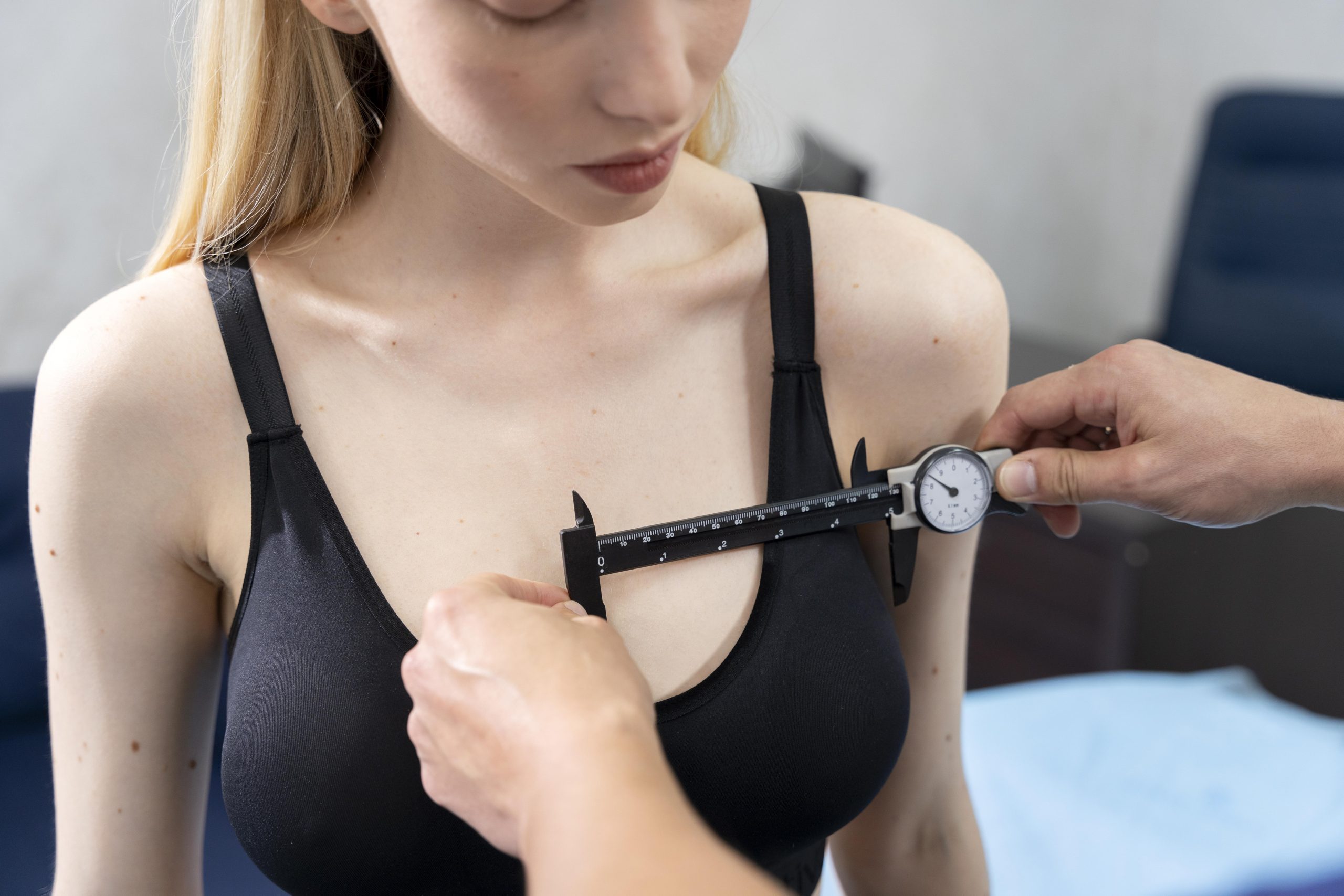
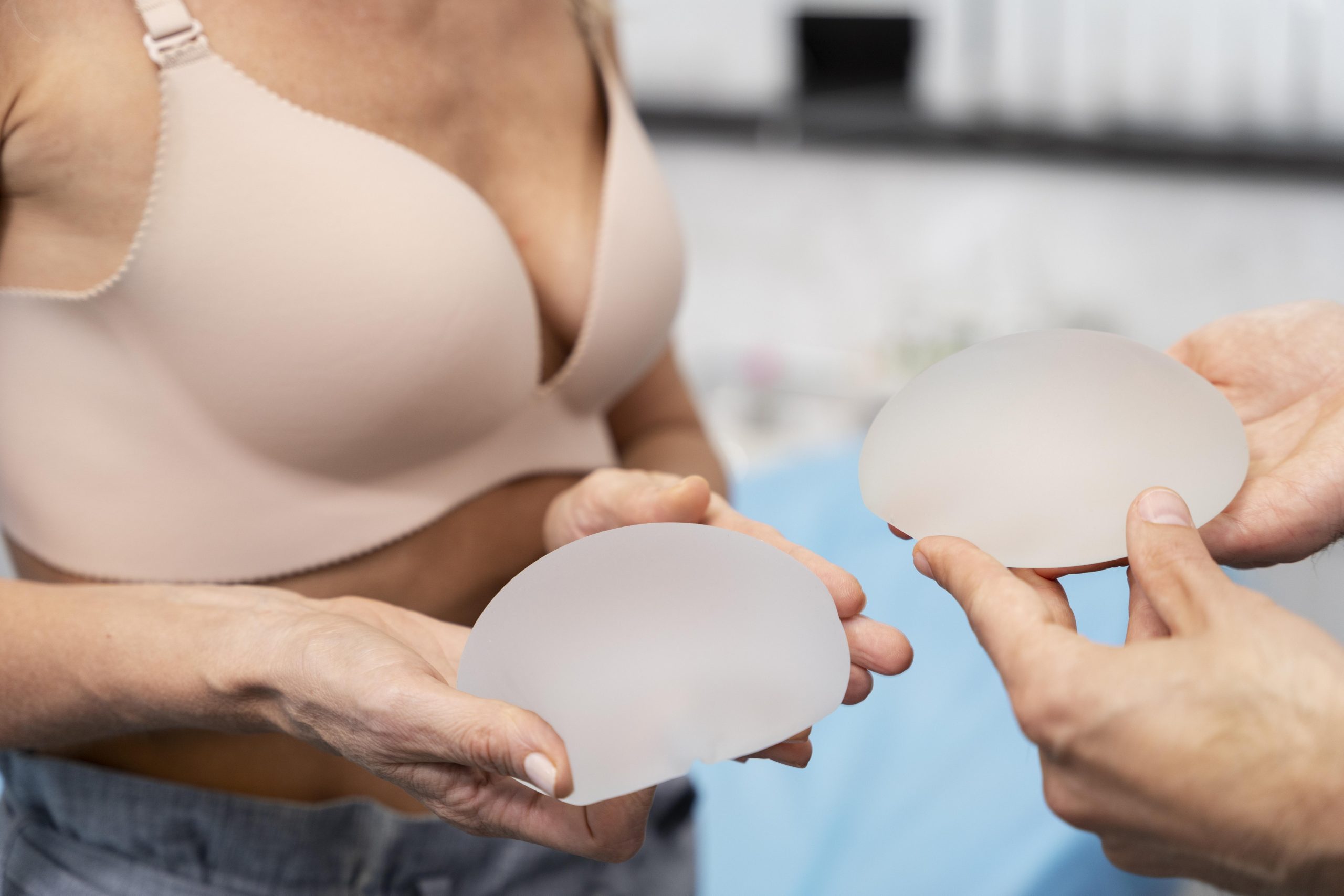
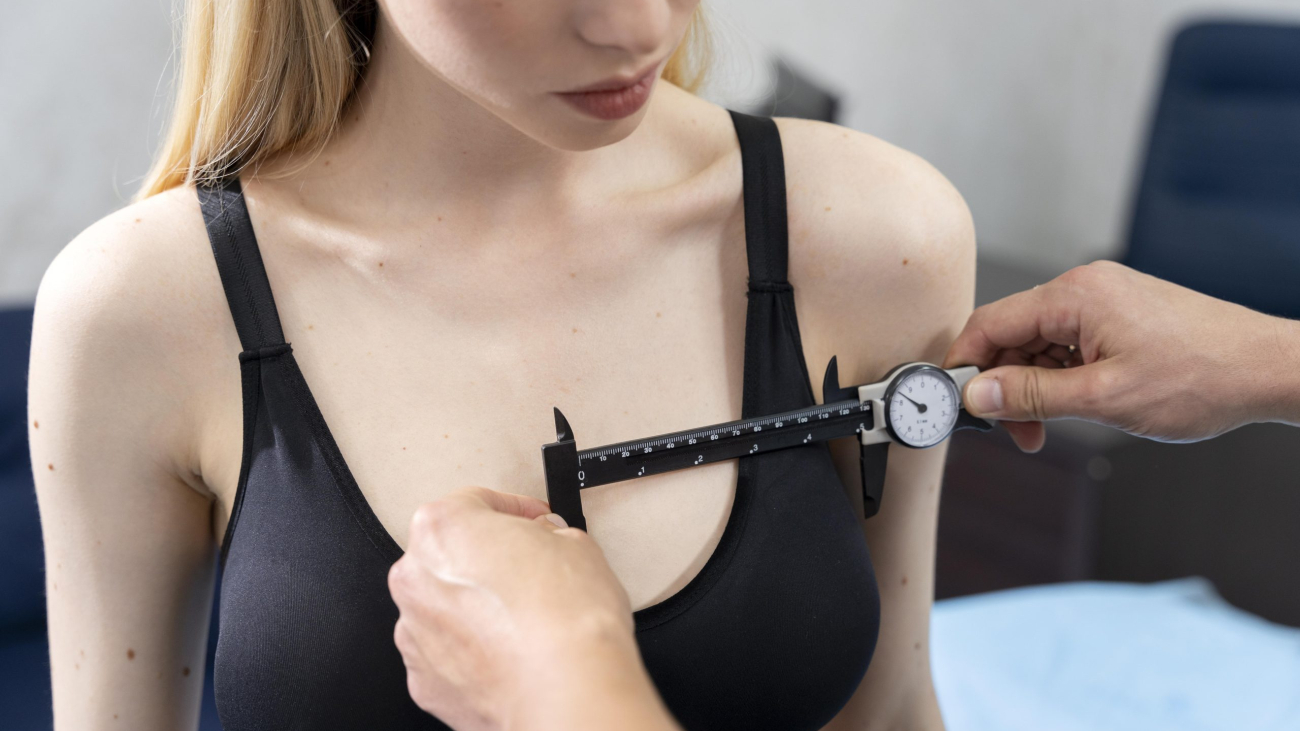
Portrait of doctor with measure tape measuring the size of the patient's breast.

Breast Implant Placement Effects on Mammography Accuracy

Breast Implant Placement and Mammography Accuracy Explained


Table of Contents


Introduction

 
Breast implants are widely used for cosmetic and reconstructive purposes. During mammography, many women wonder if implants might reduce the effectiveness of breast cancer screening. Understanding the impact of implant placement on mammogram accuracy is important for both patients and healthcare providers.
 
Implants can be positioned either above the chest muscle (subglandular) or beneath it (subpectoral/submuscular). Each placement affects how breast tissue appears on mammograms and can influence the detection of abnormalities. This article explores these effects, highlights challenges in screening, and suggests ways to optimize imaging for women with implants.
 

How Breast Implant Placement Influences Mammography Image Quality?

 
The clarity of mammographic images is closely linked to where the implant is placed. Subpectoral implants, positioned beneath the chest muscle, generally interfere less with breast tissue visualization, providing clearer images. Conversely, subglandular implants sit directly under the breast tissue and may obstruct parts of the breast, resulting in decreased image quality.
 
Recognizing implant location allows radiologists to modify techniques accordingly, ensuring better visualization of breast tissue and improving the reliability of screening results.
 

Comparing Subglandular and Subpectoral Implant Effects on Mammogram Accuracy

 
Breast implants can be categorized based on their placement:
 
  • Subglandular implants lie above the chest muscle, often obscuring more breast tissue on mammograms, which can reduce cancer detection sensitivity.
 
  • Subpectoral implants are placed beneath the muscle, typically enabling better compression and clearer images of the breast tissue.
 
Tailored imaging strategies are necessary for both types, and patients should always disclose their implant position to facilitate optimal mammographic evaluation.
 

Challenges in Detecting Breast Cancer with Different Implant Positions

 
Implants add complexity to breast cancer screening. Subglandular implants may conceal significant portions of the breast, increasing the likelihood of missed lesions. Subpectoral implants improve tissue displacement but do not completely eliminate imaging challenges.
 
Radiologists need to be aware of these limitations and may recommend supplementary imaging or additional mammographic views to ensure comprehensive assessment.
 

Techniques to Improve Mammography in Patients with Breast Implants

 
Effective mammography for patients with implants involves specialized methods:
 
  • Inform the technologist about implant type and placement before the exam.
 
  • Employ the Eklund maneuver to push the implant back and expose more breast tissue.
 
  • Capture extra angled or displacement views to visualize hidden areas.
 
  • Use careful compression techniques to avoid implant damage while enhancing image quality.
 
  • Opt for imaging centers experienced in handling augmented breasts.
 
  • Incorporate complementary imaging such as ultrasound when necessary.
 
  • Maintain routine screening schedules and report any breast changes promptly.
 
  • Follow personalized recommendations from healthcare providers.
 
  • Maintain open communication with the imaging team to address concerns.
 
These approaches improve the likelihood of early cancer detection despite implant-related challenges.
 

The Role of Implant Material and Placement in Mammographic Screening

 
Both implant composition and positioning affect mammographic outcomes. Silicone implants tend to obscure breast tissue more than saline, complicating image interpretation. The impact of implant material varies with placement:
 
 
Implant Material


Placement Type
 
 
Mammography Impact


Silicone


Subglandular
 
 
Greater tissue obscuration


Silicone


Subpectoral
 
 
Improved visualization


Saline


Subglandular
 
 
Moderate obstruction


Saline


Subpectoral
 
 
Enhanced image clarity


Radiologists adjust imaging protocols based on these factors to optimize breast tissue assessment.
 

Impact of Breast Implant Placement on Mammography Sensitivity and Specificity

 
Implant location influences mammogram performance metrics:
 
 
Implant Placement


Sensitivity Effect
 
 
Specificity Effect
 
 
Screening Notes


Subglandular


Reduced due to overlapping tissue
 
 
Possible decrease from artifacts
 
 
May require additional imaging


Subpectoral


Higher sensitivity
 
 
Generally stable
 
 
Standard mammography often sufficient


No Implant


Baseline levels
 
 
Baseline levels
 
 
Routine screening protocols apply


Dual-plane


Intermediate sensitivity
 
 
Variable specificity
 
 
Customized imaging recommended


Awareness of implant placement helps optimize diagnostic accuracy.
 

Mammography Limitations and Breast Implants: What Radiologists Need to Know?

 
Radiologists face specific challenges when imaging patients with implants:
 
  • Subglandular implants can obscure underlying breast tissue.
 
  • Subpectoral implants facilitate better compression but may still cause artifacts.
 
  • Implants may cast shadows or create image artifacts affecting clarity.
 
  • Additional views and implant displacement techniques are often necessary for thorough evaluation.
 
  • Detailed knowledge of implant type and location is critical for accurate interpretation.
 
  • Supplemental imaging such as ultrasound or MRI may be indicated.
 
  • Adjusting screening intervals based on implant-related factors can enhance detection.
 
  • Staff training in implant-specific protocols improves diagnostic outcomes.
 
Understanding these limitations is essential for accurate and safe breast cancer screening.
 

How Breast Implant Location Affects Tumor Visualization in Mammograms?

 
The position of implants influences the ability to detect tumors. Subpectoral placement generally permits better visualization of breast tissue, facilitating tumor identification. Subglandular implants may block some regions, creating blind spots where tumors might be hidden.
 
Radiologists use specific positioning techniques to reduce these blind areas and improve diagnostic accuracy. Patients benefit from awareness of these effects to engage in informed discussions about their screening.
 

Strategies to Minimize Mammographic Blind Spots Caused by Implants

 
To reduce areas obscured by implants during mammography:
 
  • Optimize breast positioning during imaging.
 
  • Utilize implant displacement views to move implants away from breast tissue.
 
  • Apply gentle, effective compression to preserve implant integrity while enhancing clarity.
 
  • Select imaging centers and technologists skilled in implant imaging.
 
  • Communicate implant details to the radiology team.
 
  • Use adjunct imaging methods such as ultrasound or MRI when indicated.
 
  • Encourage prompt reporting of breast changes by patients.
 
  • Adhere to consistent screening schedules.
 
  • Employ digital mammography for improved image resolution.
 
  • Maintain thorough documentation of implant location for follow-up exams.
 
  • Train staff on implant-specific mammographic protocols.
 
These measures maximize tissue visibility and detection accuracy.
 

The Relationship Between Implant Placement and False-Negative Mammogram Rates

 
False-negative results in mammography are more common with subglandular implants due to greater tissue obscuration. Subpectoral implants generally reduce this risk by allowing better visualization. Accurate knowledge of implant details enables radiologists to plan additional imaging or follow-up, minimizing missed diagnoses and enhancing early cancer detection.
 

Advances in Imaging Techniques for Mammography in Augmented Breasts

 
Technological progress has improved mammographic evaluation in women with implants:
 
  • Digital breast tomosynthesis (3D mammography) reduces tissue overlap, enhancing lesion detection.
 
  • Ultrasound complements mammography by visualizing areas hidden by implants.
 
  • MRI provides detailed soft tissue contrast when mammograms are inconclusive.
 
  • Implant placement beneath the muscle lessens imaging interference.
 
  • Specialized imaging protocols adapt to the presence of implants.
 
  • Trained radiologists increase diagnostic sensitivity.
 
  • Combining multiple imaging modalities strengthens confidence in findings.
 
  • Maintaining regular screening remains essential despite implant challenges.
 
  • Patient communication about implants improves exam quality.
 
These advancements enable safer, more precise breast cancer screening for implant patients.
 

Patient Awareness of Implant Placement Impact on Mammography Accuracy

 
Patients play a key role in optimizing mammography outcomes by:
 
  • Disclosing implant type and position to imaging staff.
 
  • Choosing centers experienced in implant imaging.
 
  • Following recommendations for additional imaging when advised.
 
  • Understanding that subpectoral implants generally interfere less with imaging.
 
  • Recognizing that subglandular implants may reduce image clarity.
 
  • Discussing implant history during breast exams.
 
  • Asking about specialized mammography techniques.
 
  • Staying proactive in breast health monitoring.
 
Informed patients support accurate screening and personalized care.
 

Frequently Asked Questions

 
1. How does the position of breast implants affect mammography accuracy? Implants beneath the chest muscle (subpectoral) typically allow clearer mammogram images than those above the muscle (subglandular). The implant’s location can obscure breast tissue, so specialized imaging methods improve detection.
 
2. Can mammograms still detect breast cancer in patients with implants? Yes. Mammograms remain effective but often require additional views, such as implant displacement techniques, performed by experienced radiologists to ensure thorough tissue visualization.
 
3. Should I inform my mammogram technician about my breast implants? Yes, informing the technician is crucial. Knowing about implants helps them apply appropriate imaging techniques to enhance screening accuracy.
 
4. Are there alternative breast cancer screening methods if implants interfere with mammograms? When mammograms are limited, supplemental imaging like ultrasound or MRI can provide clearer views and improve detection of abnormalities.
 
5. How often should women with breast implants get screened for breast cancer? Women with implants should follow standard screening schedules but may require tailored monitoring based on implant type and placement. Discuss personalized plans with your healthcare provider.
Related Posts
Breast Augmentation with Fat Transfer vs Implants: Your Complete Decision Guide

Choosing between breast augmentation with fat transfer vs implants is one of the most important decisions you'll make in your Read more

Breast Augmentation with Nipple Reduction: Your Complete Expert Guide

Breast augmentation with nipple reduction represents a comprehensive approach to achieving your ideal breast appearance by addressing both volume and Read more

Breast Implants: Types, Safety, and Recovery Insights

    Contents      Types of Breast Implants: Silicone vs Saline Explained       Understanding Breast Implant Profiles and Read more

8356524

Adjustable Breast Implants: Innovations for Personalized Aesthetics

Table of Contents


Introduction

 
Breast augmentation remains one of the most sought-after cosmetic procedures worldwide. Traditional implants come in predetermined sizes, which can sometimes limit achieving the ideal fit or symmetry for every patient. Adjustable breast implants overcome this limitation by offering the ability to tailor implant volume and shape after surgery, enhancing personalization.
 
This article explores the innovative technologies behind adjustable breast implants and how they enable customized aesthetic outcomes. By understanding these advancements, patients and surgeons can collaborate to achieve results that are more aligned with individual body contours and preferences.
 

The Evolution of Adjustable Breast Implants in Aesthetic Surgery

 
The journey of breast implant technology has moved from fixed-volume devices to systems enabling postoperative modifications. Adjustable implants signify this shift by allowing incremental changes in volume and shape, accommodating healing variations and evolving aesthetic desires.
 
This evolution emphasizes a patient-first philosophy, integrating flexibility without compromising on safety. Adjustable implants are now setting new standards in breast augmentation by merging adaptability with improved surgical precision.
 

How Adjustable Implants Enhance Personalized Breast Augmentation

 
Adjustable implants provide a dynamic solution to breast enhancement by permitting adjustments tailored to each patient’s unique anatomy and evolving preferences. This capability reduces the reliance on revision surgeries by refining results through controlled volume and shape changes.
 
Benefits include:
 
  • Postoperative size fine-tuning
 
  • Shape customization to correct asymmetry
 
  • Gradual volume adjustment to suit comfort levels
 
  • Facilitation of recovery monitoring
 
  • Increased confidence through personalized outcomes
 
  • Compatibility with diverse surgical approaches
 
This technology promotes a bespoke experience in breast augmentation, delivering results that better match individual goals.
 

Technological Advances Driving the Rise of Adjustable Breast Implants


Technology Type


Description
 
 
Benefit
 
 
Example Material/Mechanism


Adjustable Saline Ports


Embedded valves allow volume changes after implantation
 
 
Non-invasive size customization
 
 
Remote-controlled valves


Cohesive Gel Innovations


Advanced gels maintain natural feel while allowing adjustments
 
 
Enhanced contour and texture
 
 
Highly cross-linked silicone


Flexible Outer Shells


Resilient shells accommodate expansion and contraction
 
 
Reduced rupture and deformation risk
 
 
Multi-layer elastomer shells


Remote Adjustment Tech


Magnetic or mechanical systems for external control
 
 
Minimizes additional procedures
 
 
Magnetically controlled devices


These innovations collectively improve the adaptability and safety of adjustable breast implants.
 

Comparing Adjustable Implants with Traditional Breast Implant Options

 
Adjustable implants differ notably from conventional implants by offering postoperative flexibility in size and shape, which traditional implants lack.
 
 
Feature


Adjustable Implants
 
 
Traditional Implants
 
 
Patient Benefit


Volume Adjustment


Possible after surgery
 
 
Fixed at implantation
 
 
Personalized refinement


Surgical Complexity


More intricate implantation process
 
 
Simpler implantation
 
 
Customized approach


Cost


Generally higher
 
 
Typically lower
 
 
Investment in personalization


Long-term Flexibility


Adjustable over time
 
 
Permanent size
 
 
Adaptation to body changes


While adjustable implants may require more complex management, their patient-focused flexibility often justifies the investment.
 

Customization Features of Adjustable Breast Implants for Optimal Results

 
Adjustable breast implants offer multiple customizable elements that contribute to achieving balanced and natural-looking outcomes.
 
Key features encompass:
 
  • Incremental volume modifications post-surgery
 
  • Shape adjustment capabilities to address contour irregularities
 
  • Minimally invasive control systems for adjustments
 
  • Ability to modulate implant firmness
 
  • Precision in symmetry correction
 
  • Compatibility with patient-specific anatomical variations
 
  • Reduction of subsequent surgical interventions
 
These attributes empower both surgeons and patients to tailor results closely aligned with individual expectations.
 

Patient-Centered Benefits of Using Adjustable Breast Implants

 
Adjustable implants prioritize patient comfort and satisfaction by offering:
 
  • Flexibility to modify implant size after surgery
 
  • Decreased likelihood of undergoing revision operations
 
  • Enhanced control over aesthetic outcomes
 
  • Adaptability to changes in body morphology
 
  • Improved psychological well-being through tailored results
 
  • Non-invasive adjustment procedures reducing discomfort
 
  • Greater empowerment in the decision-making process
 
This patient-focused model supports a more positive surgical journey and durable satisfaction.
 

Safety Profiles and Regulatory Considerations of Adjustable Implants

 
Ensuring safety is critical with adjustable breast implant technologies. These products meet strict regulatory requirements and undergo extensive evaluation.
 
Important considerations include:
 
  • Compliance with regulatory approvals such as FDA clearance
 
  • Use of biocompatible and durable materials
 
  • Controlled adjustment mechanisms managed by trained professionals
 
  • Adherence to sterilization and manufacturing standards
 
  • Ongoing clinical monitoring and post-market surveillance
 
  • Transparent patient information on risks and care
 
  • Training programs to ensure surgical competency
 
Together, these factors maintain high safety standards while enabling implant customization.
 

Market Trends Shaping the Demand for Adjustable Breast Implants


Market Factor


Impact on Demand
 
 
Example


Patient Customization


Growing desire for tailored aesthetics
 
 
Adjustable implants allow personalized volume changes


Technological Advances


Improved safety and ease of adjustment
 
 
Magnetic control technologies


Aesthetic Trends


Preference for natural, adaptable looks
 
 
Adjustable implants fit diverse body types


Surgeon Recommendations


Increasing clinical endorsement
 
 
Surgeons adopting adjustable devices for complex cases


These drivers contribute to expanding interest and uptake of adjustable breast implants globally.
 

The Role of 3D Printing in Designing Adjustable Breast Implants

 
3D printing facilitates the production of implants customized to a patient’s unique anatomy, enhancing the precision of adjustable breast implants. This method allows rapid prototyping and design alterations to optimize fit and comfort.
 
By integrating 3D printing, surgeons can better tailor implant dimensions and shapes both preoperatively and during follow-up, supporting enhanced aesthetic and functional results.
 

Stem Cell Integration with Adjustable Implants: Future Possibilities

 
Research is advancing toward combining stem cell therapies with adjustable breast implants to improve tissue integration and healing quality. Stem cells could promote regeneration around the implant, potentially minimizing complications and accelerating recovery.
 
This synergy holds promise for more natural-feeling implants and may redefine breast augmentation by blending regenerative medicine with implant technology.
 

Regional Innovations and Adoption Rates of Adjustable Breast Implants

 
Adoption rates for adjustable breast implants differ across regions due to variations in healthcare infrastructure and patient demand.
 
 
Region


Adoption Rate (%)
 
 
Leading Countries


North America


65
 
 
USA, Canada


Europe


45
 
 
Germany, France, UK


Asia-Pacific


30
 
 
South Korea, Japan, China


Latin America


20
 
 
Brazil, Argentina


North America leads due to advanced healthcare facilities and higher demand for personalized options, while other regions are progressively integrating these innovations.
 

Postoperative Adjustments and Long-Term Outcomes of Adjustable Implants

 
The ability to modify implant volume post-surgery enables better symmetry and patient satisfaction.
 
  • Adjustments performed using minimally invasive saline injections
 
  • Volume changes possible weeks or months after implantation
 
  • Customization optimizes aesthetic balance and comfort
 
  • Lower revision surgery rates compared to traditional implants
 
  • Durable implant materials support long-term performance
 
  • Positive patient-reported outcomes regarding appearance and confidence
 
  • Continuous follow-up ensures maintenance of optimal results
 
This approach combines adaptable technology with sustained effectiveness in breast augmentation.
 

Frequently Asked Questions

 
What are adjustable breast implants and how do they differ from traditional implants? Adjustable breast implants feature a mechanism that permits postoperative size and shape modifications, unlike traditional implants which have a fixed volume. This allows for personalized adjustments to better match individual anatomy and preferences.
 
How does the adjustment process work after breast implant surgery? Surgeons can add or remove saline from the implant through an embedded valve using a minimally invasive procedure. This enables fine-tuning of breast volume and symmetry without additional surgery.
 
Are adjustable breast implants safe and approved by medical authorities? Yes, these implants undergo rigorous testing and receive approvals from regulatory bodies such as the FDA. Safety protocols and clinical evidence support their use in aesthetic surgery.
 
Who is an ideal candidate for adjustable breast implants? Patients desiring flexibility in implant size after surgery, those experiencing asymmetry, or individuals uncertain about final volume often benefit most from adjustable implants.
 
What should patients expect during recovery with adjustable breast implants? Recovery is comparable to traditional augmentation but may include follow-up visits for volume adjustments. Many patients appreciate the ability to achieve their desired look gradually, enhancing comfort and confidence.
 
Clinic Wise is dedicated to providing expert care utilizing the latest advancements in adjustable breast implant technology.
Related Posts
Breast Augmentation with Fat Transfer vs Implants: Your Complete Decision Guide

Choosing between breast augmentation with fat transfer vs implants is one of the most important decisions you'll make in your Read more

Breast Augmentation with Nipple Reduction: Your Complete Expert Guide

Breast augmentation with nipple reduction represents a comprehensive approach to achieving your ideal breast appearance by addressing both volume and Read more

Breast Implants: Types, Safety, and Recovery Insights

    Contents      Types of Breast Implants: Silicone vs Saline Explained       Understanding Breast Implant Profiles and Read more

portrait-woman-wearing-shapewear

Advances in Breast Implant Materials for Patient Safety

Table of Contents


Introduction

 
Breast implant selection is an important step for reconstruction or cosmetic purposes, where material safety plays a critical role in patient well-being. Advances in breast implant technology have increasingly emphasized biocompatibility, aiming to reduce adverse immune reactions and improve long-term outcomes.
 
This article highlights key innovations in implant materials designed to enhance compatibility with body tissues and lower complication risks. Understanding these developments empowers patients and clinicians to make informed decisions prioritizing safety and comfort throughout the implant journey.
 

Advances in Surface Modifications Enhancing Silicone Breast Implant Biocompatibility

 
Recent innovations in surface engineering have transformed silicone implants by optimizing interaction at the implant-tissue interface. Techniques such as hydrophilic coatings reduce protein adhesion, while nanotextured surfaces encourage favorable cell attachment and tissue integration.
 
Additional enhancements include:
 
  • Antimicrobial layers that inhibit bacterial colonization
 
  • Bioactive polymers promoting regeneration of surrounding tissues
 
  • Surfaces with controlled roughness to minimize inflammatory cell presence
 
  • Durable crosslinked coatings increasing implant lifespan
 
  • Biodegradable layers that support natural healing processes
 
These surface modifications collectively improve implant acceptance and reduce risks like inflammation and capsule formation, contributing to safer, longer-lasting breast implants.
 

Chemical Characterization Techniques for Improved Breast Implant Materials

 
Ensuring chemical stability and purity is fundamental to implant safety. Advanced chemical characterization methods enable detailed analysis of implant composition and potential contaminants, guiding material refinement.
 
Key analytical techniques comprise:
 
  • Fourier Transform Infrared Spectroscopy (FTIR) for identifying chemical bonds
 
  • Differential Scanning Calorimetry (DSC) assessing thermal properties
 
  • Gas Chromatography-Mass Spectrometry (GC-MS) detecting trace impurities
 
  • Nuclear Magnetic Resonance (NMR) revealing molecular structure
 
  • X-ray Photoelectron Spectroscopy (XPS) analyzing surface chemistry
 
  • Thermogravimetric Analysis (TGA) monitoring decomposition behavior
 
  • Inductively Coupled Plasma (ICP) quantifying metal content
 
  • Contact Angle Measurements evaluating surface hydrophilicity
 
  • High-Performance Liquid Chromatography (HPLC) separating chemical components
 
  • Dynamic Mechanical Analysis (DMA) testing mechanical responses
 
These methods collectively ensure implants meet rigorous safety standards by confirming material integrity and reducing toxicological risks.
 

Physical Methods in Assessing Silicone Breast Implant Safety

 
Physical testing simulates the mechanical stresses implants endure within the body, providing assurance of durability and reliability. These assessments focus on material strength, flexibility, and resistance to wear.
 
Essential physical evaluations include:
 
  • Tensile strength tests measuring stretch resistance
 
  • Fatigue resistance under repetitive loading conditions
 
  • Compression and tear resistance to evaluate shell integrity
 
  • Gel cohesiveness assessments ensuring filler stability
 
  • Surface texture examinations detecting degradation or flaws
 
  • Aging simulations replicating long-term physiological exposure
 
Through such comprehensive mechanical testing, implant manufacturers can optimize materials to withstand physiological demands, enhancing patient safety.
 

Biological Approaches to Evaluating Breast Implant Biocompatibility

 
Biological testing predicts how body tissues and immune systems respond to implant materials, a cornerstone for safe device development.
 
Common biological methods encompass:
 
  • Cell culture assays examining cytotoxicity and cellular responses
 
  • Inflammatory response models monitoring immune activation
 
  • Animal studies providing in vivo tissue compatibility data
 
  • Histology assessing fibrosis and tissue integration
 
  • Protein adsorption tests revealing biomaterial surface interactions
 
  • In vitro degradation analyses tracking material breakdown
 
  • Immunogenicity evaluations for antigenic potential
 
  • Genotoxicity screenings ensuring no DNA damage occurs
 
These approaches collectively inform safer implant designs by minimizing adverse biological effects.
 

Integration of Multidisciplinary Methods for Comprehensive Implant Assessment

 
Evaluating breast implants requires a holistic approach combining chemical, physical, and biological analyses alongside clinical insights. This integrated framework captures the multifaceted nature of implant safety and performance.
 
Components of this strategy include:
 
  • Chemical identification and impurity detection
 
  • Mechanical durability and wear testing
 
  • Biological compatibility assays
 
  • Imaging modalities monitoring implant integrity
 
  • Surface characterization techniques
 
  • Microbial contamination assessments
 
  • Computational modeling predicting in vivo behavior
 
  • Patient-specific evaluations tailoring implant choice
 
Such comprehensive evaluation supports continuous innovation and improved patient outcomes through informed design and monitoring.
 

The Role of Silicone Surface Coatings in Reducing Tissue Reaction

 
Surface coatings applied to silicone implants serve as a frontline defense against adverse tissue reactions. By modifying the implant interface, these coatings reduce scar tissue formation and immune activation.
 
Advantages of specialized coatings include:
 
  • Limiting capsule contracture incidence
 
  • Enhancing smoothness and reducing friction with surrounding tissue
 
  • Supporting stable implant integration over time
 
  • Promoting favorable healing responses
 
  • Minimizing localized inflammation and discomfort
 
These coatings represent a critical advancement in material science, directly improving patient comfort and implant longevity.
 

Regulatory Standards and Their Impact on Breast Implant Material Safety

 
Global regulatory agencies enforce strict frameworks to ensure breast implant safety through comprehensive testing and monitoring.
 
 
Regulatory Body


Region
 
 
Role in Implant Safety
 
 
Key Requirements


FDA


USA
 
 
Approval, post-market surveillance
 
 
Biocompatibility, clinical data


EMA


Europe
 
 
Certification, safety monitoring
 
 
Material standards, risk assessment


PMDA


Japan
 
 
Regulatory approval, quality control
 
 
Manufacturing quality, safety data


TGA


Australia
 
 
Device approval, regulatory compliance
 
 
Safety testing, adverse event reporting


Compliance with these standards ensures implants undergo rigorous evaluation, minimizing risks and protecting patients worldwide.
 

Innovations in Biointegration of Silicone Breast Implants

 
Biointegration focuses on harmonizing implants with host tissues to reduce complications and enhance comfort.
 
Recent innovations include:
 
  • Improved gel cohesiveness for natural feel
 
  • Textured surfaces facilitating cellular adherence
 
  • Antimicrobial coatings lowering infection rates
 
  • Flexible shells that mimic biomechanical properties of tissues
 
  • Barriers reducing silicone bleed and immune activation
 
  • Bioactive treatments encouraging tissue growth and healing
 
  • Customized implant shapes optimizing fit and aesthetics
 
These advancements collectively promote safer implants that function seamlessly within the body.
 

Artificial Intelligence Applications in Biocompatibility Testing of Breast Implants

 
AI technologies revolutionize biocompatibility assessment by handling complex datasets and identifying subtle risk indicators.
 
Key AI contributions:
 
  • Accelerated processing of chemical, physical, and biological data
 
  • Pattern recognition linking material features to clinical outcomes
 
  • Early warning systems for potential complications
 
  • Enhanced predictive models for implant performance
 
  • Integration with imaging for real-time monitoring
 
  • Continuous improvement through machine learning
 
Through these capabilities, AI aids in developing safer implant materials and streamlining regulatory approvals.
 

Challenges and Future Perspectives in Breast Implant Material Development

 
Despite progress, challenges remain in achieving ideal longevity, immune compatibility, and infection resistance.
 
 
Challenge


Current Approach
 
 
Future Perspective


Biocompatibility


Silicone-based polymers
 
 
Smart responsive materials


Immune response


Textured surfaces
 
 
Anti-inflammatory coatings


Infection prevention


Antibiotic-impregnated shells
 
 
Biofilm-resistant designs


Implant longevity


Durable elastomers
 
 
Biodegradable scaffolds


Future research aims to create materials that dynamically interact with the body, biodegrade safely, and further reduce complications, improving patient outcomes.
 

Historical Evolution of Breast Implant Materials Toward Enhanced Patient Safety


Era


Implant Material
 
 
Safety Improvements


1960s


Silicone gel with thick shell
 
 
Addressed initial rupture and leakage issues


1980s


Saline-filled implants
 
 
Reduced silicone exposure


1990s


Textured shells introduced
 
 
Lowered capsular contracture rates


2000s


Cohesive gel implants
 
 
Improved shape retention and biocompatibility


2010s–Present


Advanced silicone gels & barriers
 
 
Enhanced durability and reduced complications


This timeline reflects ongoing efforts to optimize implant safety and patient satisfaction through material innovation.
 

Frameworks for Selecting Optimal Tests to Evaluate Implant Biocompatibility

 
A strategic approach to testing balances scientific rigor and practical feasibility to ensure implant safety.
 
Typical test categories include:
 
  • Cytotoxicity and sensitization assays
 
  • Genotoxicity and immunological evaluations
 
  • Mechanical property and degradation studies
 
  • Animal implantation models
 
  • Sterilization and endotoxin assessments
 
  • Chemical and surface analyses
 
This framework guides manufacturers and regulators in selecting appropriate tests tailored to implant types and intended uses.
 

Frequently Asked Questions

 
1. What are the latest breast implant materials designed to improve biocompatibility? Recent materials feature purified silicone gels and advanced shell technologies that enhance tissue integration and reduce immune responses.
 
2. How do improved breast implant materials enhance patient safety? Stronger shells and cohesive gels minimize risks of rupture and leakage, lowering complications like capsular contracture.
 
3. Can new implant materials reduce the risk of complications like inflammation or infection? Yes, innovations in surface coatings and antimicrobial layers help prevent immune reactions and bacterial colonization.
 
4. How do hospitals ensure the safety of breast implant materials used in surgeries? They utilize implants approved by regulatory bodies, supported by thorough testing and clinical data.
 
5. What should patients ask their surgeon about breast implant materials before surgery? Questions should cover implant type, biocompatibility, rupture risks, and potential side effects for informed decision-making.
 
Clinic Wise remains dedicated to delivering reliable information and promoting the highest standards of patient safety through continuous advancements in breast implant technology.
Related Posts
Combined Surgery in Turkey

Achieving a desirable appearance usually requires multiple procedures for many individuals. This means that longer recovery periods, operation times, and Read more

Can Lip Lift Fix Asymmetry? Your Complete Guide to Understanding Lip Lift Surgery

Can lip lift fix asymmetry? Yes, a surgical lip lift can effectively correct minor to moderate lip asymmetry by removing Read more

Breast Augmentation with Fat Transfer vs Implants: Your Complete Decision Guide

Choosing between breast augmentation with fat transfer vs implants is one of the most important decisions you'll make in your Read more

Breast cancer concept - woman checking her breast

Advanced Imaging Techniques for Breast Implant Procedures

Table of Contents


Introduction

 
Selecting the right breast implants involves many considerations, from size and shape to how the implant will integrate with your body. Without clear visualization, planning can feel uncertain—like trying on clothes without a mirror.
 
Modern advanced imaging technologies, including 3D imaging and MRI, offer detailed anatomical views that assist surgeons in creating individualized surgical plans. These tools enhance precision in implant sizing and placement, contributing to safer procedures with improved aesthetic results.
 
This article explores the pivotal role of advanced imaging in breast implant planning, demonstrating how these innovations support better surgical outcomes and empower patients through informed decision-making.
 

The Impact of 3D Imaging on Breast Implant Procedure Planning

 
3D imaging provides surgeons with accurate, patient-specific models of breast anatomy, enabling tailored implant selection and positioning. This detailed visualization facilitates improved surgical precision and outcome prediction.
 
Additionally, 3D models serve as a communication bridge, aligning expectations between patients and surgeons before surgery. Incorporating this technology marks a significant advancement toward more personalized and effective breast implant procedures.
 
  • Detailed anatomical visualization
 
  • Customized implant sizing and placement
 
  • Enhanced prediction of surgical results
 
  • Strengthened patient-surgeon collaboration
 
  • Reduced complication risks
 
  • Increased patient confidence
 

Advanced Imaging Techniques for Accurate Breast Volume Assessment

 
Precise breast volume measurement is essential for selecting implants that complement natural contours. Techniques like MRI and 3D scanning deliver detailed volumetric data, minimizing asymmetry and optimizing aesthetic results.
 
 
Imaging Technique


Accuracy Level
 
 
Key Benefits
 
 
Typical Use Case


MRI


High
 
 
Superior soft tissue detail
 
 
Complex volume evaluation


3D Scanning


Moderate-High
 
 
Quick, non-invasive volume capture
 
 
Preoperative planning


Ultrasound


Moderate
 
 
Real-time assessment
 
 
Initial volume estimation


CT Scan


Moderate
 
 
Cross-sectional imaging
 
 
Alternative to MRI


Utilizing Vascular Imaging to Enhance Breast Implant Surgery Outcomes

 
Mapping vascular structures through specialized imaging guides surgeons in avoiding critical blood vessels during implant placement. This precision helps reduce intraoperative bleeding and postoperative complications.
 
Key advantages include:
 
  • Clear visualization of blood vessel pathways
 
  • Preservation of tissue integrity
 
  • Optimized implant positioning respecting vascular anatomy
 
  • Improved healing and reduced risk of complications
 

The Role of Preoperative Imaging in Reducing Implant-Related Complications

 
Preoperative imaging uncovers anatomical variations such as asymmetry or tissue weaknesses, enabling surgeons to customize surgical strategies accordingly. This individualized approach minimizes complications like implant malposition or capsular contracture.
 
 
Imaging Technique


Purpose
 
 
Surgical Benefit


3D Mammography


Breast tissue density mapping
 
 
Detects asymmetry and irregularities


MRI


Soft tissue characterization
 
 
Identifies structural vulnerabilities


Ultrasound


Real-time tissue imaging
 
 
Assists in implant placement decisions


CT Scan


Bone and chest wall analysis
 
 
Evaluates structural support


How 3D Imaging Improves Patient-Surgeon Communication in Breast Augmentation

 
Using 3D imaging, surgeons can present realistic previews of potential surgical outcomes, fostering transparent discussions. This clarity helps patients better understand implant options and sets accurate expectations.
 
Benefits include:
 
  • Visualization of implant size and shape effects
 
  • Enhanced understanding of individual anatomy
 
  • Clear articulation of surgical plans
 
  • Increased patient involvement and confidence
 
  • Reduced likelihood of revision surgeries
 

Integration of MRI and Ultrasound in Breast Implant Planning

 
Combining MRI and ultrasound leverages the strengths of both modalities—MRI provides detailed soft tissue characterization, while ultrasound offers real-time imaging of implant sites. Together, they improve surgical planning accuracy and patient safety.
 
 
Imaging Modality


Advantages
 
 
Surgical Role
 
 
Impact


MRI


High tissue contrast
 
 
Detects abnormalities
 
 
Refines preoperative assessment


Ultrasound


Dynamic, real-time imaging
 
 
Guides implant positioning
 
 
Monitors implant integrity


Combined Use


Comprehensive evaluation
 
 
Detailed anatomical mapping
 
 
Enhances surgical precision


Enhancing Surgical Precision with Computer-Aided Imaging Models

 
Computer-aided models simulate surgical steps and implant positioning, allowing surgeons to plan with exceptional detail. This approach anticipates challenges and fine-tunes implant selection, contributing to symmetry and aesthetic harmony.
 
Advantages include:
 
  • Virtual simulation of implant placement
 
  • Customized sizing and positioning
 
  • Identification of anatomical nuances
 
  • Improved patient communication
 
  • Lower rates of intraoperative surprises and revisions
 

Imaging Modalities for Customized Breast Implant Selection


Imaging Modality


Purpose
 
 
Benefits
 
 
Typical Use Case


3D Surface Imaging


Captures external breast shape
 
 
Improves implant fit accuracy
 
 
Tailoring implant dimensions


MRI


Visualizes internal soft tissue
 
 
Detects anatomical variations
 
 
Tissue quality assessment


Ultrasound


Examines tissue and implant state
 
 
Quick, non-invasive monitoring
 
 
Implant positioning follow-up


CT Scan


Detailed cross-sectional imaging
 
 
Assists in complex planning
 
 
Reconstructive surgery cases


The Contribution of Advanced Imaging to Minimally Invasive Breast Implant Procedures

 
Advanced imaging guides surgeons in creating precise, smaller incisions that reduce tissue trauma. This results in less postoperative pain, faster recovery, and better cosmetic outcomes.
 
Key impacts:
 
  • Accurate incision localization
 
  • Preservation of surrounding tissues
 
  • Enhanced implant placement accuracy
 
  • Shortened operative times
 
  • Accelerated healing and improved symmetry
 

Overcoming Limitations of Traditional Imaging in Breast Implant Surgery

 
Traditional 2D imaging often lacks the depth and tissue differentiation necessary for precise planning. Modern techniques like 3D scanning and high-resolution ultrasound provide detailed anatomical insights, enabling customized implant positioning and improved aesthetic results.
 
 
Imaging Type


Visualization Quality
 
 
Tissue Differentiation
 
 
Surgical Planning Impact


Traditional Imaging


Limited 2D views
 
 
Low
 
 
Less precise implant selection


3D Scanning


High-resolution 3D models
 
 
Moderate
 
 
Enhanced anatomical mapping


High-Resolution Ultrasound


Detailed soft tissue images
 
 
High
 
 
Customized implant placement


MRI


Superior soft tissue contrast
 
 
Excellent
 
 
Optimal structural assessment


The Future of AI-Driven Imaging in Breast Implant Procedure Planning

 
Integrating AI with advanced imaging offers dynamic analysis of breast anatomy, predicting surgical outcomes and personalizing implant choices. AI-driven tools assist surgeons in decision-making, improving safety and patient satisfaction.
 
Highlights:
 
  • Automated assessment of tissue characteristics
 
  • Accurate prediction of implant fit and symmetry
 
  • Early identification of surgical challenges
 
  • Data-driven, personalized surgical planning
 
  • Enhanced patient visualization and communication
 
  • Continuous learning from procedural outcomes
 

Comparative Analysis of 3D Imaging Systems for Breast Augmentation Planning


Imaging System


Features
 
 
Accuracy Level
 
 
Surgical Benefits


VECTRA 3D


High-res surface imaging
 
 
Very high
 
 
Detailed implant visualization


Crisalix


Cloud-based 3D simulation
 
 
High
 
 
Interactive patient consultations


Axis Three


Portable 3D capture with texture detail
 
 
Moderate to high
 
 
Efficient preoperative assessments


Canfield Scientific


Volumetric analysis and symmetry tools
 
 
Very high
 
 
Precision in implant positioning


These systems enhance planning accuracy and patient engagement, contributing to improved surgical outcomes.
 

Frequently Asked Questions

 
1. What is the role of advanced imaging in breast implant procedure planning?Advanced imaging provides precise anatomical mapping through technologies like 3D scanning and MRI, enabling personalized implant selection and improving surgical accuracy.
 
2. How does advanced imaging improve the safety of breast implant surgeries?By revealing detailed breast and chest structures, advanced imaging assists surgeons in avoiding vital areas and planning safer incisions, reducing complication risks.
 
3. Can advanced imaging help in choosing the right implant size and shape?Yes, it offers accurate measurements of breast anatomy, allowing surgeons to recommend implants tailored to your body’s natural contours.
 
4. Is advanced imaging painful or time-consuming for patients?No, these imaging methods are non-invasive, painless, and typically completed quickly during preoperative evaluations.
 
5. How does advanced imaging enhance patient satisfaction after surgery?It supports thorough planning and realistic expectations, resulting in outcomes that closely match patient desires and natural aesthetics.
 
Advanced imaging is reshaping breast implant surgery by combining precision, safety, and customization—an approach that Clinic Wise proudly embraces.
Related Posts
Breast Augmentation with Fat Transfer vs Implants: Your Complete Decision Guide

Choosing between breast augmentation with fat transfer vs implants is one of the most important decisions you'll make in your Read more

Breast Augmentation with Nipple Reduction: Your Complete Expert Guide

Breast augmentation with nipple reduction represents a comprehensive approach to achieving your ideal breast appearance by addressing both volume and Read more

Breast Implants: Types, Safety, and Recovery Insights

    Contents      Types of Breast Implants: Silicone vs Saline Explained       Understanding Breast Implant Profiles and Read more

close-up-hands-holding-breast-implants

Breast Implant Revision Surgery When and Why Needed


Contents


Introduction

 
Breast implants can enhance self-esteem and appearance, but they are not lifetime devices. Over time, implants may cause issues such as discomfort, rupture, or dissatisfaction with size or shape. When such problems arise, breast implant revision surgery offers solutions to restore comfort and improve aesthetics.
 
This surgery addresses implant-related complications and helps patients achieve a more natural breast appearance. Whether due to physical symptoms or personal preferences, revision surgery allows adjustment or replacement of implants to better meet patient needs.
 
This article outlines the main reasons for breast implant revision and guides patients on what to expect, facilitating informed decisions about their care.
 

When Is Breast Implant Revision Surgery Medically Necessary

 
Revision surgery becomes medically necessary when implants cause health concerns or persistent discomfort. Indications include:
 
  • Development of scar tissue causing implant compression (capsular contracture)
 
  • Implant rupture or leakage of silicone or saline
 
  • Implants shifting from their intended position (malposition)
 
  • Chronic pain or tenderness
 
  • Infection or inflammation around the implant
 
  • Significant breast asymmetry or tissue changes
 
  • Allergic reactions to implant materials
 
  • Formation of granulomas or scar tissue complications
 
Timely surgical intervention in these cases helps prevent further complications and restores breast function and appearance.
 

Common Implant-Related Issues Leading to Revision

 
Implant problems may present as physical symptoms or unsatisfactory appearance, prompting revision consideration:
 
  • Rupture of the implant shell, risking leakage
 
  • Leakage of implant contents into surrounding tissue
 
  • Malposition causing uneven or unnatural breast shape
 
  • Capsular contracture leading to firmness or pain
 
  • Visible rippling or wrinkling of the implant surface
 
  • Deflation (mainly in saline implants) with sudden volume loss
 
  • Infection or inflammation around the implant
 
  • Implant aging affecting texture or integrity
 
  • Rotation of shaped implants altering contour
 
  • Patient dissatisfaction with implant size or shape
 
Treatment plans are customized based on the specific issue.
 

Tissue Changes That Require Breast Implant Revision

 
Natural changes in breast tissue over time—such as skin thinning, stretching, or loss of elasticity—can affect implant positioning and appearance. These tissue alterations may cause implants to become more visible or shift, resulting in asymmetry or discomfort.
 
Breast implant revision surgery can address these changes by reinforcing tissue support, repositioning implants, or adjusting implant type to maintain a balanced and natural look.
 

Capsular Contracture as a Primary Cause for Revision

 
Capsular contracture occurs when scar tissue around an implant tightens excessively, leading to breast hardness, distortion, or pain. Symptoms often include:
 
  • Noticeable firmness or hardening of the breast
 
  • Pain or sensitivity
 
  • Visible changes in breast shape or asymmetry
 
  • Redness or swelling of the overlying skin
 
  • Difficulty with breast movement or tenderness
 
Early diagnosis and treatment improve outcomes. Revision surgery typically involves releasing or removing scar tissue and potentially replacing the implant.


Implant Rupture and Leakage Signs for Revision

 
Implant rupture may result from trauma, aging, or other factors, and requires prompt attention to avoid complications. Signs include:
 
  • Sudden changes in breast shape or size
 
  • Pain or discomfort localized to the implant area
 
  • Swelling, lumps, or firmness
 
  • Visible irregularities or asymmetry
 
  • Skin irritation or numbness
 
Surgical revision involves removing the ruptured implant and any leaked material, restoring breast contour and function.
 

Addressing Implant Malposition Through Revision Surgery

 
Implant malposition can cause discomfort and aesthetic issues. Revision surgery corrects implant placement to restore symmetry and natural appearance. Common malpositions and corrections include:
 
 
Malposition Type


Cause
 
 
Correction Method
 
 
Outcome


Displacement


Weak tissue support
 
 
Pocket revision
 
 
Improved implant stability


Bottoming out


Implant drops below crease
 
 
Capsule tightening
 
 
Restored breast contour


Rotation


Implant turning
 
 
Repositioning implants
 
 
Balanced breast shape


Asymmetry


Unequal implant size or placement
 
 
Implant exchange or adjustment
 
 
Symmetrical breasts


Personalized evaluation guides the best surgical approach.
 

Correcting Size Dissatisfaction with Breast Implant Revision

 
Patients may seek revision to adjust implant size due to changes in lifestyle, body shape, or preferences. Options include:
 
 
Reason


Description
 
 
Surgical Approach


Desire to increase size


Patient wants larger volume
 
 
Replace with larger implants


Desire to decrease size


Patient prefers smaller breasts
 
 
Exchange for smaller implants


Correct asymmetry


Unequal implant volumes or shapes
 
 
Implant exchange for balanced look


Changes over time


Body or aesthetic goals evolve
 
 
Tailored implant selection during revision


Revision surgery offers flexibility to align breast size with current patient goals.


Managing Visible Rippling and Wrinkling After Augmentation

 
Rippling or wrinkling occurs when implant edges become visible or palpable, often due to thin tissue coverage or implant type. Management strategies include:
 
  • Switching to implants with a different fill or surface
 
  • Changing implant placement (e.g., from subglandular to submuscular)
 
  • Fat grafting to add soft tissue padding
 
  • Using acellular dermal matrices for additional support
 
  • Employing massage or physical therapy techniques
 
These interventions help smooth the breast contour and improve cosmetic outcomes.
 

Timing Considerations When to Undergo Breast Implant Revision

 
Revision timing depends on implant condition, symptoms, and patient goals. Common triggers for revision include pain, firmness, asymmetry, or implant aging. Early consultation helps tailor treatment and potentially reduces complication risks.
 
Recovery typically involves mild discomfort lasting a few weeks, with most patients resuming normal activities within a month. Deciding on revision is a balance between physical needs and personal preferences.
 

Breast Implant Revision After Cancer Reconstruction

 
After breast cancer reconstruction, tissue changes and healing variations may necessitate implant revision. Reasons include improving symmetry, addressing implant position, or relieving discomfort.
 
Revision in this context requires careful planning with an experienced specialist to ensure safety and optimize aesthetic outcomes while respecting prior treatments.
 

How Implant Longevity Influences the Need for Revision

 
Implants generally last 10 to 15 years but may require earlier revision due to rupture, contracture, or patient preference. Monitoring implant age and condition allows timely intervention to maintain breast health and appearance.
 
Awareness of implant lifespan assists patients in planning for potential future surgeries as part of ongoing care.
 

Preparing for Breast Implant Revision: What to Expect

 
Preparation steps enhance safety and recovery:
 
  1. Detailed consultation and physical examination
 
  1. Necessary imaging and lab tests
 
  1. Avoid smoking and certain medications before surgery
 
  1. Arrange transportation and post-operative support
 
  1. Follow fasting and pre-op instructions
 
  1. Under anesthesia, surgeon removes or revises implants
 
  1. Surgery duration varies with complexity
 
  1. Post-op includes swelling and mild discomfort
 
  1. Use prescribed pain control and antibiotics as directed
 
  1. Limit physical activity during healing phase
 
Adherence to these steps supports optimal surgical results.
 

The Role of Imaging and Tests in Deciding on Revision


Imaging/Test


Purpose
 
 
Benefits
 
 
Limitations


Ultrasound


Detect implant rupture or fluid
 
 
Non-invasive, no radiation
 
 
Less effective in dense tissue


MRI


Detailed implant and tissue view
 
 
High sensitivity, silent rupture detection
 
 
Costly, longer exam time


Mammography


Breast cancer screening
 
 
Routine screening tool
 
 
Limited for implant integrity


Physical Exam


Assess implant position and firmness
 
 
Immediate and cost-free
 
 
Cannot identify internal implant damage


These evaluations assist surgeons in planning personalized revision procedures.
 

Differences Between Cosmetic and Medical Reasons for Revision

 
Medical indications for revision include implant rupture, infection, or contracture requiring timely treatment. Cosmetic revisions address patient desires for changes in size, shape, or symmetry without urgent health concerns.
 
Surgeons prioritize safety in medical cases and balance aesthetic goals in elective revisions, ensuring informed patient choices.
 

Realistic Outcomes and Limitations of Breast Implant Revision

 
Breast implant revision can enhance appearance but has inherent limitations. Influencing factors include scar tissue, skin quality, and implant characteristics. Patients should anticipate:
 
  • Improved breast symmetry and contour
 
  • Possible adjustments in implant size or shape
 
  • Noticeable surgical scars
 
  • Correction of contracture or rupture
 
  • Variation in breast sensation
 
  • Potential need for future surgeries
 
  • Recovery times varying by procedure complexity
 
  • No guarantee of perfection, but significant improvement
 
Understanding these helps set realistic expectations and supports satisfaction with surgical results.
 

FAQ

 
1. What are the common reasons for breast implant revision surgery? Typical causes include implant rupture, capsular contracture, implant displacement, changes in breast shape, and dissatisfaction with size or appearance.
 
2. How can I tell if I need breast implant revision surgery? Signs such as pain, firmness, asymmetry, visible implant edges, or shape changes warrant evaluation by a qualified plastic surgeon.
 
3. What should I expect during the breast implant revision process? Revision involves implant removal or replacement and addressing associated tissue issues. Recovery usually includes mild swelling and discomfort for a couple of weeks.
 
4. Are breast implant revision surgeries safe and effective? When performed by experienced surgeons, revision surgeries are generally safe and effective, tailored to the patient’s specific needs.
 
5. How can I prepare for breast implant revision surgery? Preparation includes medical evaluation, following pre-operative instructions, and clear communication of goals with your surgeon to ensure a safe and personalized procedure.


Your journey toward restored comfort and confidence is supported by expert care and personalized breast implant revision surgery at Clinic Wise.
Related Posts
Breast Augmentation with Fat Transfer vs Implants: Your Complete Decision Guide

Choosing between breast augmentation with fat transfer vs implants is one of the most important decisions you'll make in your Read more

Breast Augmentation with Nipple Reduction: Your Complete Expert Guide

Breast augmentation with nipple reduction represents a comprehensive approach to achieving your ideal breast appearance by addressing both volume and Read more

Breast Implants: Types, Safety, and Recovery Insights

    Contents      Types of Breast Implants: Silicone vs Saline Explained       Understanding Breast Implant Profiles and Read more

Portrait of female doctor choosing mammary prosthesis with her patient over white background.

Breast Implants: Types, Safety, and Recovery Insights


Contents


Making a decision about breast implants involves understanding options to choose what fits your goals and body. This guide explains the main types, safety factors, and recovery tips to help you navigate the process confidently.


Types of Breast Implants: Silicone vs Saline Explained

 
Breast implants mainly come in two forms:
 
  • Silicone implants: Filled with a gel that closely mimics natural breast tissue, offering a soft, natural feel with less visible rippling.
 
  • Saline implants: Contain sterile saltwater, allowing for adjustable sizing during surgery and typically requiring smaller incisions.
 
Both types are FDA-approved and widely used. Your surgeon will help determine which option aligns best with your anatomy and preferences.


Understanding Breast Implant Profiles and Their Impact on Appearance

 
Implant profiles determine how much the breast projects from the chest wall:
 
  • Low profile: Broad base with minimal projection, ideal for subtle enhancement.
 
  • Moderate profile: Balanced width and projection for natural fullness.
 
  • High profile: Narrower base with more projection, suited for pronounced volume.
 
  • Ultra-high profile: Maximum projection for dramatic contours.
 
Surface textures and gel cohesiveness also influence implant stability and feel, helping tailor results to individual aesthetic desires.


Safety Considerations for Textured Versus Smooth Breast Implants


Implant Type


Surface Texture
 
 
Safety Notes
 
 
Key Risks


Smooth


Soft, slippery
 
 
Easier placement and removal
 
 
Slightly higher capsular contracture risk


Textured


Rough, adherent
 
 
Reduces capsular contracture
 
 
Rare association with BIA-ALCL


Choosing between textured and smooth implants depends on individual risk tolerance and surgical goals, discussed thoroughly with your surgeon.


How Breast Implant Shapes Affect Surgical Outcomes


Implant Shape


Visual Effect
 
 
Surgical Notes
 
 
Recovery Considerations


Round


Full upper breast volume
 
 
Simpler placement
 
 
Typically less swelling


Teardrop


Natural slope contour
 
 
Requires precise positioning
 
 
Careful post-op monitoring


Shape selection influences both aesthetics and healing, ensuring results reflect your expectations.


The Role of Implant Placement in Safety and Recovery

 
Implants can be positioned:
 
  • Submuscular (under the muscle): Offers natural contour and lowers some risks but may increase initial discomfort.
 
  • Subglandular (over the muscle): Easier recovery and adjustment, suitable for thinner patients but may show rippling more.
 
Placement decisions are personalized based on anatomy and lifestyle to balance appearance with recovery comfort.


Monitoring Breast Implant Safety: What Patients Should Know

 
Maintaining implant health involves:
 
  • Monthly self-exams to detect changes early
 
  • Annual professional evaluations
 
  • Prompt reporting of symptoms like pain, swelling, or lumps
 
  • Adhering to imaging schedules as advised
 
  • Protecting implants from injury
 
Active monitoring supports long-term safety and timely intervention if needed.


Risks and Complications Associated with Different Breast Implant Types


Implant Type


Common Issues
 
 
Management


Saline


Rupture, deflation
 
 
Implant replacement


Silicone Gel


Capsular contracture, rupture
 
 
MRI screening, corrective surgery


Textured Implants


Infection, rare lymphoma
 
 
Close follow-up, antibiotics


Smooth Implants


Lower contracture risk
 
 
Routine monitoring


Awareness of potential complications ensures prompt care and peace of mind.


The Importance of Informed Consent in Breast Implant Surgery

 
Before surgery, fully understanding:
 
  • Implant choices and risks
 
  • Alternative options
 
  • Expected recovery and care requirements
 
  • Surgeon’s qualifications
 
  • Potential complications and longevity
 
Empowers patients to make decisions aligned with their health and aesthetic goals.


Age and Longevity: How Long Do Breast Implants Last

 
Implants usually last 10–20 years but vary based on:
 
  • Implant material and type
 
  • Lifestyle factors and physical activity
 
  • Natural aging and skin changes
 
  • Regular medical evaluations
 
Replacement or revision may be necessary over time to maintain safety and appearance.


Recovery Timelines and Best Practices After Breast Implant Surgery

 
Typical healing phases include:
 
  • 1–2 weeks of swelling and bruising
 
  • Pain managed with medication
 
  • Avoidance of strenuous activity for 4 weeks
 
  • Use of support garments as directed
 
  • Gradual return to routine activities by 2–3 weeks
 
  • Careful wound management and follow-ups
 
Following these steps supports smooth recovery and optimal outcomes.


Advances in Breast Implant Technology and Safety Measures


Implant Type


Material & Features
 
 
Benefits
 
 
Recovery Duration


Saline


Sterile saltwater
 
 
Adjustable size, easy removal
 
 
1–2 weeks


Silicone Gel


Cohesive silicone gel
 
 
Natural feel, durable shell
 
 
2–3 weeks


Gummy Bear


Highly cohesive, tear-resistant
 
 
Maintains shape well
 
 
2–4 weeks


Structured Implants


Internal chambers
 
 
Mimics tissue, stable
 
 
2–3 weeks


Technological improvements have enhanced implant safety, durability, and patient comfort.


Impact of Breast Implants on Breast Cancer Detection and Screening


Imaging Method


Considerations with Implants
 
 
Recommendations


Mammogram


Implants may obscure tissue
 
 
Use implant displacement technique


Ultrasound


Useful for dense tissue evaluation
 
 
Supplemental screening method


MRI


Sensitive for implant integrity
 
 
Recommended for high-risk cases


Clinical Exam


Important complementary assessment
 
 
Should accompany imaging


Informing healthcare providers about implants ensures accurate and thorough screening.


Psychological and Physical Recovery Insights Following Breast Augmentation

 
Post-surgery recovery includes:
 
  • Emotional adjustment and mood changes
 
  • Managing physical symptoms like swelling and bruising
 
  • Strict adherence to post-op care
 
  • Seeking emotional support when needed
 
  • Avoidance of heavy physical activity early on
 
Holistic recovery promotes satisfaction and well-being.


Choosing the Right Breast Implant for Your Lifestyle and Body Type

 
Considerations for implant selection:
 
  • Material preference (silicone or saline)
 
  • Shape and size relative to physique
 
  • Implant placement options
 
  • Activity levels and exercise habits
 
  • Desired aesthetic results
 
  • Recovery expectations and health status
 
A customized approach ensures harmony between your lifestyle and surgical outcomes.


Postmarketing Surveillance and Safety Data on Breast Implants


Program


Duration
 
 
Findings
 
 
Recommendations


FDA Post-Approval


Over 10 years
 
 
Low rupture, rare complications
 
 
MRI screening advised


International Studies


15+ years
 
 
Stable safety profiles
 
 
Regular clinical evaluations


Manufacturer Reports


Ongoing
 
 
Consistent data monitoring
 
 
Updated surgical guidelines


Patient Registries


Continuous
 
 
Early issue detection
 
 
Enhanced patient education


Ongoing surveillance underpins improvements in implant safety and patient outcomes.


FAQ

 
What types of breast implants are available and how do I choose the right one? Two main types exist: silicone gel, offering a natural feel, and saline, which can be adjusted during surgery. Your surgeon will help select the best fit for your body and goals.
 
Are breast implants safe, and what risks should I be aware of? When placed by skilled surgeons, implants are generally safe. Risks include rupture and capsular contracture. Regular check-ups and following medical advice reduce these risks.
 
What should I expect during the breast implant recovery process? Expect swelling and soreness for 1–2 weeks, with gradual return to light activities. Strenuous exercise should be avoided for 4–6 weeks. Follow your surgeon’s instructions closely.
 
How long do breast implants typically last, and will I need future surgeries? Implants last around 10–15 years on average. Replacement may be necessary due to wear or complications, so ongoing monitoring is important.
 
Can breast implants affect mammograms or breast cancer detection? Implants can obscure some breast tissue on mammograms, but specialized imaging techniques and informing your radiologist help maintain effective screening.


Understanding your breast implant options and safety factors empowers you to make informed choices. Trust Clinic Wise for expert advice and personalized support on your journey.
Related Posts
Breast Augmentation with Fat Transfer vs Implants: Your Complete Decision Guide

Choosing between breast augmentation with fat transfer vs implants is one of the most important decisions you'll make in your Read more

Breast Augmentation with Nipple Reduction: Your Complete Expert Guide

Breast augmentation with nipple reduction represents a comprehensive approach to achieving your ideal breast appearance by addressing both volume and Read more

Breast Implant Revision Surgery When and Why Needed

      Contents      Introduction       When Is Breast Implant Revision Surgery Medically Necessary       Common Read more

Hands covering beautiful blonde girl with yellow swimwear over white background. Copy space.

Breast Augmentation with Nipple Reduction: Your Complete Expert Guide

Breast augmentation with nipple reduction represents a comprehensive approach to achieving your ideal breast appearance by addressing both volume and nipple proportion in a single surgical procedure. While breast augmentation increases breast size and enhances shape, combining it with nipple reduction ensures harmonious aesthetics when enlarged or elongated nipples would otherwise detract from your beautiful results. Understanding how these procedures work together, what to expect, and whether this combination suits your unique anatomy empowers you to make informed decisions about achieving balanced, confident, and naturally beautiful breast enhancement.

Many women seeking breast augmentation discover that their nipples are disproportionately large or elongated for their desired breast size. Combining these procedures eliminates the need for staged surgeries, reduces overall recovery time, and ensures your nipples complement your enhanced breast volume perfectly from the moment you heal.

Understanding Breast Augmentation Fundamentals

What Does Augmentation of the Breast Mean?

Breast augmentation, also called augmentation mammoplasty, is a surgical procedure designed to increase breast size, improve shape, and enhance overall breast aesthetics. This transformative surgery addresses various concerns including naturally small breasts, volume loss after pregnancy or weight changes, and breast asymmetry.

Breast Augmentation Achieves:

  • Increased breast volume and projection
  • Enhanced breast shape and contour
  • Improved breast symmetry
  • Better proportion with body frame
  • Restored volume after life changes
  • Increased confidence and self-image

What Is the Difference Between Breast Implants and Breast Augmentation?

This common question deserves clear explanation:

Breast Implants: Medical devices (silicone gel or saline-filled) used to increase breast size. They are the tools or materials used in the procedure.

Breast Augmentation: The complete surgical procedure that increases breast size, which may utilize implants, fat transfer, or combination approaches. It’s the overall process and technique.

The Relationship: Breast implants are one method used to achieve breast augmentation. Think of it this way: breast augmentation is the goal and procedure, while breast implants are one of the means to accomplish that goal.

Alternative Augmentation Methods:

  • Breast augmentation with fat transfer: Using your own fat harvested via liposuction
  • Composite augmentation: Combining implants with fat grafting
  • Hybrid techniques: Utilizing multiple approaches for optimal results

Why Combine Nipple Reduction with Breast Augmentation?

The Aesthetic Advantage

Proportional Harmony:

Breast augmentation increases breast volume, but this enhancement can make disproportionately large nipples appear even more prominent. Combining procedures ensures:

Balanced Proportions Nipple size remains harmonious with enlarged breast volume.

Enhanced Aesthetics Both breast shape and nipple appearance contribute to beautiful, natural-looking results.

Immediate Complete Results Achieve your ideal breast appearance without requiring future revision surgery.

Optimal Symmetry Address both breast and nipple asymmetries simultaneously for comprehensive correction.

Practical Benefits

Single Recovery Period: One surgery means one healing process instead of two separate recovery experiences.

Cost Efficiency: Combined procedures are typically more economical than staging surgeries separately.

Reduced Anesthesia Exposure: Undergo anesthesia once rather than multiple times for separate procedures.

Faster Total Timeline: Achieve complete transformation sooner without waiting between staged surgeries.

Common Nipple Concerns Addressed

Enlarged Nipples: Nipples with excessive diameter that appear disproportionate to breast size.

Elongated Nipples: Nipples with excessive projection extending outward prominently.

Combined Issues: Both diameter and projection concerns requiring comprehensive reshaping.

Asymmetrical Nipples: Differences between left and right nipple size, shape, or projection.

The Combined Procedure: What to Expect

Surgical Planning and Customization

Comprehensive Assessment:

During your consultation at Clinic Wise, our board-certified plastic surgeons evaluate:

Breast Characteristics:

  • Current breast size and shape
  • Chest wall dimensions
  • Tissue quality and skin elasticity
  • Existing asymmetries

Nipple Evaluation:

  • Diameter measurement
  • Projection assessment
  • Areola size and shape
  • Symmetry between sides

Goal Discussion:

  • Desired breast size increase
  • Ideal nipple proportions
  • Natural vs. enhanced appearance preferences
  • Lifestyle and activity considerations

Breast Augmentation Component

Implant Selection Process:

Size Determination: Using breast augmentation sizers during consultation helps visualize potential outcomes and select optimal implant volume for your frame and goals.

Implant Type Selection:

  • Silicone gel implants (most popular for natural feel)
  • Saline implants (adjustable, slightly firmer)
  • Gummy bear implants (form-stable, shaped)
  • Round vs. anatomical shapes

Placement Options:

  • Submuscular (under pectoral muscle)
  • Subglandular (under breast tissue)
  • Dual plane (combination approach)

Incision Location:

  • Inframammary (breast fold) – most common
  • Periareolar (around nipple) – convenient for nipple reduction
  • Transaxillary (armpit)
  • Transumbilical (belly button) – rarely used

Nipple Reduction Component

Surgical Technique:

Diameter Reduction: Removing a circular band of tissue around the nipple’s perimeter to decrease overall size.

Projection Reduction: Removing tissue from the nipple tip to reduce forward extension.

Reshaping: Sculpting remaining tissue for aesthetically pleasing, natural-appearing nipple contour.

Combined Approach: Addressing both diameter and projection when necessary for optimal proportions.

The Surgical Process

Procedure Timeline:

Combined Surgery Duration: 2-3.5 hours typically

Anesthesia: General anesthesia for patient comfort and optimal surgical conditions.

Surgical Steps:

  1. Breast augmentation performed first
  2. Implants placed and positioned
  3. Nipple reduction completed while tissues are accessible
  4. Meticulous closure with dissolvable sutures
  5. Surgical dressings and supportive bra application

Hospital Stay: Most patients go home the same day, though overnight observation is sometimes recommended.

Breast Augmentation with Lift

Many patients considering breast augmentation discover they also need a lift:

Understanding Breast Lift Necessity

When Lift Is Recommended:

Significant Sagging (Ptosis): Nipples positioned below the breast fold indicate the need for lifting.

Downward-Pointing Nipples: Nipples pointing toward the floor rather than forward suggest sagging requiring correction.

Loss of Upper Pole Fullness: Deflated appearance in the upper breast area benefits from both implants and lifting.

Asymmetrical Positioning: Different breast heights or nipple positions require lift for symmetry.

Lift Techniques Combined with Augmentation

Crescent Lift: Minimal lifting through small incision along upper areola border.

Periareolar (Donut) Lift: Moderate lifting with circular incision around the areola.

Vertical (Lollipop) Lift: More substantial lifting with vertical scar from areola to breast fold.

Anchor (Inverted-T) Lift: Maximum lifting for severe sagging with anchor-shaped scar pattern.

Triple Combination: Augmentation + Lift + Nipple Reduction

Some patients benefit from all three procedures simultaneously:

Comprehensive Transformation:

  • Increased volume from implants
  • Elevated position from lift
  • Proportional nipples from reduction

Complex but Rewarding: While technically demanding, this combination delivers complete breast rejuvenation in a single surgery when performed by experienced, board-certified plastic surgeons.

Breast Augmentation with Fat Transfer

An alternative or complementary approach to implant-based augmentation:

Understanding Fat Transfer Augmentation

The Process:

Fat Harvesting: Liposuction removes fat from areas with excess (abdomen, thighs, flanks).

Fat Processing: Harvested fat is purified and prepared for injection.

Strategic Injection: Processed fat is carefully injected throughout breast tissue in multiple layers.

Natural Integration: Successfully transferred fat becomes permanent living tissue.

Fat Transfer Advantages

100% Natural Material: Your own tissue eliminates foreign body concerns.

Dual Body Contouring: Removes unwanted fat while enhancing breasts simultaneously.

Natural Look and Feel: Results feel completely natural to touch.

No Implant-Related Issues: Avoids capsular contracture, rupture, or rippling concerns.

Fat Transfer Limitations

Modest Size Increase: Typically achieves one cup size increase per procedure.

Multiple Sessions Possible: Larger increases may require staged treatments.

Fat Reabsorption: 30-50% of transferred fat may not survive permanently.

Donor Site Requirements: Adequate body fat necessary for meaningful augmentation.

Combining All Three: Implants + Fat Transfer + Nipple Reduction

Hybrid Augmentation Approach:

Optimal Results:

  • Implants provide base volume and projection
  • Fat grafting adds natural upper pole fullness
  • Nipple reduction ensures proportional aesthetics

Enhanced Natural Appearance: Fat grafting softens implant edges and transitions for seamless, natural-looking results.

Comprehensive Transformation: Addresses volume, shape, contour, and nipple proportion simultaneously.

Breast Augmentation Sizers

A crucial tool in your surgical planning process:

What Are Breast Augmentation Sizers?

Breast augmentation sizers are specialized sizing implants placed inside surgical bras during consultation, allowing you to preview potential results before committing to specific implant sizes.

Sizer Benefits:

Visual Preview: See how different volumes look on your frame in real-time.

Clothing Assessment: Try on your own tops and bras to evaluate fit with various sizes.

Proportion Evaluation: Determine which size creates the balance you desire with your body.

Confidence Building: Reduce decision anxiety by experiencing sizes before surgery.

Partner Input: Involve significant others in the decision-making process if desired.

Using Sizers During Consultation

The Sizer Session Process:

Initial Recommendations: Based on measurements and goals, your surgeon suggests starting size ranges.

Progressive Sizing: Try multiple volumes, typically ranging from conservative to more dramatic.

Movement Assessment: Walk, sit, and move naturally to evaluate how different sizes feel.

Mirror Evaluation: View yourself from all angles in full-length mirrors.

Photography: Many clinics allow photos for home review and decision-making.

Making Your Final Decision

Factors to Consider:

Lifestyle Compatibility: Choose sizes compatible with your activity level and daily life.

Natural vs. Enhanced: Decide where you fall on the natural-to-enhanced appearance spectrum.

Body Frame Proportion: Ensure selected size harmonizes with your overall physique.

Clothing Goals: Consider how you want clothing to fit and what styles you prefer.

Long-Term Satisfaction: Think beyond immediate desires to long-term comfort and happiness.

Professional Guidance: Trust your surgeon’s expertise when recommendations differ from initial preferences.

What Types of Breast Implants Are Most Popular for Natural Results?

Achieving natural-looking augmentation depends on proper implant selection:

Most Natural Implant Characteristics

Silicone Gel Implants – The Gold Standard:

Why Silicone Appears Most Natural:

Cohesive Gel Feel: Modern silicone gel mimics natural breast tissue consistency more closely than saline.

Natural Movement: Silicone implants move and shift like natural breasts during activity.

Reduced Rippling: Less visible rippling or wrinkling compared to saline, especially in thin patients.

Soft Texture: The gel provides softness resembling natural breast tissue.

Size Selection for Natural Results

Moderate Profile Implants:

Natural Projection: Moderate profile implants provide balanced forward projection without excessive roundness.

Proportional Width: Width matches natural breast base dimensions for seamless integration.

Subtle Enhancement: Creates noticeable but not dramatic change in breast size.

Placement for Natural Appearance

Submuscular Placement:

Enhanced Natural Look: Muscle coverage provides smoother upper pole transition and more natural slope.

Better Concealment: Implant edges less visible, especially in thin patients.

Reduced Rippling: Additional tissue layer minimizes visible rippling.

Shape Considerations

Round vs. Anatomical:

Round Implants:

  • Provide upper pole fullness
  • Natural appearance when properly sized
  • Less concern about rotation
  • Most popular for augmentation

Anatomical (Teardrop) Implants:

  • Shaped to mimic natural breast contour
  • Less upper pole fullness
  • May appear more natural in some cases
  • Risk of rotation affecting appearance

Customization at Clinic Wise

Our board-certified plastic surgeons consider your unique anatomy, tissue characteristics, and aesthetic goals to recommend implant specifications that deliver the natural-looking results you desire. We never use a one-size-fits-all approach.

Book your free online consultation to discuss which implant types and characteristics will create the most natural, beautiful results for your body.

What Is the Best Age for Breast Augmentation?

Timing your breast augmentation appropriately ensures optimal results and satisfaction:

Medical and Legal Considerations

Minimum Age Requirements:

FDA Guidelines:

  • Saline implants: Age 18 minimum
  • Silicone gel implants: Age 22 minimum
  • Fat transfer augmentation: Age 18 minimum

Physical Maturity: Breasts should be fully developed before augmentation surgery.

Ideal Age Ranges

Ages 22-35: Most Common

Why This Range Is Popular:

Physical Development Complete: Breast growth finished, providing stable foundation for augmentation.

Life Stage Appropriate: Often before or between pregnancies, allowing optimal timing.

Good Tissue Quality: Younger skin typically has excellent elasticity for beautiful results.

Long-Term Enjoyment: Decades ahead to appreciate investment and results.

Financial Readiness: Established careers enable investment in aesthetic goals.

Younger Patients (Ages 18-22)

Considerations:

Emotional Maturity: Ensure decision-making capacity and realistic expectations.

Body Changes: Weight fluctuations common at this age may affect results.

Implant Limitations: Restricted to saline implants until age 22 by FDA.

Future Changes: Pregnancy and life changes ahead may impact longevity.

Mature Patients (Ages 35-50+)

Advantages:

Life Stability: Completed childbearing, established lifestyle, stable weight.

Clear Goals: Well-defined aesthetic objectives and realistic expectations.

Appreciation: Often deeply satisfied having achieved long-desired enhancement.

Combination Procedures: May benefit from augmentation with lift due to natural aging changes.

Pregnancy Considerations

Before Pregnancy: Augmentation before pregnancy is safe, though subsequent pregnancies may affect results.

After Pregnancy: Waiting 6-12 months after breastfeeding completion allows breast tissue stabilization.

Between Pregnancies: Personal choice, though additional pregnancies will impact results.

Individual Assessment Priority

Rather than focusing on chronological age, ideal candidates have:

  • Fully developed breasts
  • Realistic expectations
  • Good overall health
  • Stable weight for 6+ months
  • Completed major life planning (if desired)
  • Financial readiness
  • Emotional maturity

Schedule your free online consultation with Clinic Wise to determine if now is the right time based on your unique circumstances and goals.

Recovery and Results Timeline

Immediate Post-Operative Period (Days 1-7)

What to Expect:

Discomfort Level: Moderate soreness and tightness, well-managed with prescribed medication.

Swelling and Bruising: Universal and expected, peaking around days 2-3 then gradually improving.

Restricted Movement: Limited arm elevation and activity to protect healing tissues.

Surgical Bra: Continuous wear of supportive surgical bra without underwire.

Nipple Healing: Sensitivity changes, temporary numbness, and initial scar formation.

Early Recovery (Weeks 2-4)

Progressive Improvement:

Reduced Discomfort: Transition to over-the-counter pain management for most patients.

Decreased Swelling: Breast shape becomes more apparent as swelling resolves.

Increased Mobility: Gradual return to light daily activities and gentle arm movement.

Return to Work: Most patients resume desk jobs within 1-2 weeks.

Nipple Sensation: Gradual return of normal sensation, though changes may persist for months.

Intermediate Healing (Months 2-3)

Visible Transformation:

Implant Settling: Breasts drop into natural position as tissues relax and adapt.

Shape Refinement: Final breast contour becomes apparent as swelling completely resolves.

Scar Maturation: Nipple reduction scars fade from red/pink to pale, thin lines.

Exercise Resumption: Cleared for full activity including upper body and chest workouts.

Final Results (Months 6-12)

Complete Healing:

Optimal Appearance: Final breast size, shape, and nipple proportions fully established.

Natural Feel: Breasts feel soft and natural, especially with silicone implants.

Mature Scars: Nipple reduction scars faded to barely visible, thin lines around areola border.

Full Sensation: Most sensation changes resolved, though some areas may remain altered.

Risks and Considerations

General Breast Augmentation Risks

Temporary Issues:

  • Swelling, bruising, discomfort (universal, resolves)
  • Temporary numbness or sensitivity changes
  • Asymmetry during healing phase

Uncommon Complications:

  • Infection requiring antibiotics
  • Hematoma or seroma (fluid collection)
  • Capsular contracture (scar tissue tightening)
  • Implant malposition requiring revision

Long-Term Considerations:

  • Implant replacement likely within 10-20 years
  • Potential revision surgery needs
  • Imaging challenges for breast cancer screening

Nipple Reduction Specific Risks

Sensation Changes: Temporary or rarely permanent altered nipple sensation.

Breastfeeding Impact: Potential reduction in milk duct function affecting future breastfeeding.

Scarring: Visible scars around areola border, though typically fade well.

Size Changes: Nipples may appear larger or smaller during healing before final size stabilizes.

Minimizing Risks at Clinic Wise

Our board-certified plastic surgeons’ extensive experience, combined with JCI-accredited facilities and comprehensive protocols, dramatically reduces complication risks while maximizing beautiful, natural results.

Why Choose Clinic Wise for Your Breast Augmentation

Board-Certified Expertise

All breast augmentation procedures performed by plastic surgeons with:

  • International board certification
  • Extensive breast surgery specialization
  • Thousands of successful augmentation procedures
  • Advanced training in complex combinations

Comprehensive Approach

We address all aspects of breast aesthetics:

  • Volume enhancement through implants or fat transfer
  • Proportional nipple and areola sizing
  • Lift integration when beneficial
  • Customized technique selection

Natural Result Focus

Our surgical philosophy prioritizes:

  • Proportional, harmonious outcomes
  • Natural movement and feel
  • Seamless integration with body
  • Appropriate size for frame

Advanced Technology

Access to cutting-edge tools and techniques:

  • Latest generation implant options
  • Breast augmentation sizers for decision confidence
  • State-of-the-art surgical equipment
  • Advanced pain management protocols

Exceptional Value

World-class breast augmentation with nipple reduction at approximately one-third of UK prices:

  • No quality or safety compromise
  • Board-certified surgeon expertise
  • JCI-accredited surgical facilities
  • All-inclusive transparent pricing

Medical Tourism Excellence

Specialized international patient experience:

  • English-speaking coordinators and staff
  • Comprehensive travel and logistics management
  • Comfortable accommodation arrangements
  • Seamless journey from consultation to recovery

Proven Beautiful Results

Extensive before and after portfolio demonstrating:

  • Consistent natural-looking outcomes
  • Proportional nipple sizing
  • High patient satisfaction
  • Diverse body types and goals

Preparing for Your Consultation

Before Your Appointment

Gather Information:

  • Current bra size and fit concerns
  • Photos of breast appearances you admire
  • Questions about procedures and techniques
  • Medical history and medication list

Document Your Goals:

  • Desired size increase
  • Natural vs. enhanced preference
  • Nipple proportion concerns
  • Lifestyle and activity considerations

Research and Educate:

  • Review breast augmentation basics
  • Understand realistic outcome expectations
  • Learn about implant types and options
  • Consider your long-term goals

During Your Consultation

Comprehensive Evaluation:

Our surgeons assess:

  • Current breast size, shape, and symmetry
  • Nipple and areola proportions
  • Skin quality and tissue characteristics
  • Chest wall dimensions
  • Overall body proportions

Treatment Planning:

Receive personalized recommendations for:

  • Optimal implant size, type, and placement
  • Nipple reduction necessity and approach
  • Lift consideration if beneficial
  • Fat transfer complementary enhancement

Sizer Experience:

Use breast augmentation sizers to:

  • Visualize potential outcomes
  • Compare different volumes
  • Assess proportion with your frame
  • Build decision confidence

Financial Clarity:

Understand complete investment including:

  • Transparent pricing breakdown
  • All-inclusive package details
  • Exceptional value compared to UK costs
  • Payment options and financing

Conclusion: Your Path to Beautiful, Proportional Breasts

Breast augmentation with nipple reduction offers a comprehensive solution for achieving perfectly proportioned, naturally beautiful breast enhancement in a single surgical procedure. By addressing both volume and nipple aesthetics simultaneously, you eliminate the need for staged surgeries while ensuring harmonious results from the moment you heal.

Whether you’re considering traditional implant augmentation, breast augmentation with fat transfer, or breast augmentation with lift, our board-certified plastic surgeons at Clinic Wise customize every aspect of your procedure to match your unique anatomy and aesthetic goals. The addition of nipple reduction ensures your enhanced breasts have proportional, attractive nipple dimensions that complement rather than detract from your beautiful new contours.

Understanding what augmentation of the breast means, the difference between breast implants and breast augmentation, and what types of breast implants create the most natural results empowers you to make confident decisions. Combined with expert guidance on the best age for breast augmentation and comprehensive use of breast augmentation sizers during planning, you can move forward with complete clarity and realistic expectations.

At Clinic Wise, our commitment to surgical excellence, natural-looking results, and patient satisfaction—all at approximately one-third of UK prices—makes transformative breast enhancement both accessible and affordable without compromising quality or safety.

Book Your Free Online Consultation with Clinic Wise Today

Take the first step toward the beautiful, proportional breasts you’ve always desired. During your no-obligation virtual consultation, you’ll receive:

  • Comprehensive assessment of your breast and nipple concerns
  • Personalized recommendations for augmentation approach
  • Expert guidance on implant selection for natural results
  • Virtual breast augmentation sizer experience
  • Honest evaluation of whether nipple reduction enhances your outcome
  • Transparent pricing at approximately one-third UK costs
  • Extensive before and after examples from similar patients
  • Clear understanding of procedure, recovery, and realistic results

Don’t wait to achieve the confident, beautiful breast appearance you deserve. Contact Clinic Wise now to schedule your free online consultation and discover how exceptional, natural-looking breast augmentation results can be with our board-certified surgical expertise and unmatched value.

Your transformation journey begins with a conversation. Book your free consultation today and let us show you how accessible beautiful, proportional results can be.

 
Related Posts
Breast Augmentation with Fat Transfer vs Implants: Your Complete Decision Guide

Choosing between breast augmentation with fat transfer vs implants is one of the most important decisions you'll make in your Read more

Breast Implants: Types, Safety, and Recovery Insights

    Contents      Types of Breast Implants: Silicone vs Saline Explained       Understanding Breast Implant Profiles and Read more

Breast Implant Revision Surgery When and Why Needed

      Contents      Introduction       When Is Breast Implant Revision Surgery Medically Necessary       Common Read more

close-up-hand-using-measuring-tool

Breast Augmentation with Fat Transfer vs Implants: Your Complete Decision Guide

Choosing between breast augmentation with fat transfer vs implants is one of the most important decisions you’ll make in your cosmetic surgery journey. Both procedures offer distinct advantages for enhancing breast size and shape, but they work through fundamentally different approaches. Understanding the key differences in technique, results, recovery, and longevity will empower you to select the method that best aligns with your aesthetic goals, lifestyle, and body type.

While breast implants have been the gold standard for dramatic size increases for decades, fat transfer breast augmentation has emerged as a compelling natural alternative for women seeking moderate enhancement. Each approach has specific benefits and limitations that make them ideal for different patient profiles and expectations.

Understanding Both Procedures: The Basics

Traditional Breast Implants

Breast implant surgery involves placing silicone or saline-filled devices beneath the breast tissue or chest muscle to increase volume and improve shape. This surgical procedure has evolved significantly over decades, with modern implants offering natural feel, diverse shapes, and proven safety profiles.

Implant Types Available:

  • Silicone gel implants (most popular for natural feel)
  • Saline implants (adjustable volume, slightly firmer feel)
  • Structured saline implants (enhanced natural movement)
  • Gummy bear implants (form-stable cohesive gel)

Fat Transfer Breast Augmentation

Fat transfer breast augmentation, also called autologous fat grafting, involves harvesting fat from donor areas of your body through liposuction, processing it, and carefully injecting it into the breasts. This technique uses your own tissue to create natural enhancement without foreign materials.

Process Overview:

  • Liposuction from areas with excess fat (abdomen, thighs, flanks)
  • Fat purification and preparation
  • Strategic injection into breast tissue
  • Natural integration over several months

Can You Do a Fat Transfer Instead of Breast Implants?

Yes, fat transfer can absolutely serve as an alternative to breast implants, but with important considerations:

Ideal Candidates for Fat Transfer:

Sufficient Donor Fat You need adequate fat reserves in areas like the abdomen, thighs, or flanks for harvesting.

Moderate Size Goals Fat transfer typically increases breast size by one to one-and-a-half cup sizes per procedure.

Natural Results Priority Patients who prioritize the most natural look and feel over maximum size increase.

Concerns About Implants Those worried about foreign materials or implant-related complications.

When Fat Transfer May Not Be Suitable:

Dramatic Size Increase Desired If you want to increase two or more cup sizes, implants are typically more effective.

Very Thin Body Type Insufficient donor fat makes the procedure impossible or limits results.

Immediate Full Results Fat transfer requires patience as final results develop over months.

Is It Better to Get Breast Implants or Fat Transfer?

The answer depends entirely on your individual circumstances and priorities:

Fat Transfer Advantages:

100% Natural Material Uses your own body tissue, eliminating foreign object concerns and providing the most natural look and feel.

Dual Body Contouring Benefit Removes unwanted fat from problem areas while enhancing breast size simultaneously.

No Implant-Related Complications Avoids capsular contracture, implant rupture, or rippling concerns.

Minimal Scarring Tiny incisions for liposuction and injection leave virtually invisible marks.

Natural Aging Breasts age naturally with your body without implant-related changes.

Breast Implant Advantages:

Predictable Size Increase Precisely control final breast size with specific implant volumes.

Dramatic Results Possible Can achieve two or more cup size increases in a single procedure.

No Donor Site Requirements Suitable for thin patients without adequate body fat reserves.

Immediate Full Results Final size visible immediately after surgery, though settling occurs.

Longer Track Record Decades of research and refinement provide extensive safety data.

Downsides of Breast Fat Transfer

Understanding limitations is crucial for setting realistic expectations:

Size Limitations

Modest Enhancement Only Each procedure typically adds one to one-and-a-half cup sizes maximum.

Multiple Sessions May Be Needed Larger increases require staged procedures spaced months apart.

Fat Reabsorption

Unpredictable Survival Rates Approximately 30-50% of transferred fat may be reabsorbed by the body.

Variable Results Individual biology affects how much fat successfully integrates.

Donor Site Requirements

Adequate Fat Necessary Very lean patients may not have sufficient fat for meaningful enhancement.

Additional Liposuction Recovery Donor areas require healing time and may experience temporary discomfort.

Time to Final Results

Months-Long Process Final results take 6-12 months as fat settles and stabilizes.

Initial Overcorrection Surgeons often transfer extra volume anticipating some reabsorption.

Cost Considerations

Higher Per-Procedure Costs Fat transfer often costs more than implants due to technical complexity.

Potential Multiple Procedures Additional sessions increase overall investment significantly.

Mammogram Interference

Calcifications Possible Fat necrosis can create calcifications that complicate mammogram interpretation.

Specialized Imaging Required May need additional imaging or experienced radiologists for accurate screening.

Breast Fat Transfer Recovery Time

Recovery from fat transfer breast augmentation involves healing both donor and recipient sites:

Immediate Post-Operative Period (Days 1-7):

First 48 Hours Moderate soreness in breasts and donor areas, managed with prescribed pain medication.

Days 3-7 Swelling peaks then gradually decreases, bruising becomes more apparent then starts fading.

Activity Level Rest with limited arm movement, no lifting over 5-10 pounds.

Early Recovery (Weeks 1-4):

Week 1-2 Return to light desk work possible, continued compression garment use on donor sites.

Week 3-4 Most daily activities resume, gentle walking encouraged for circulation.

Breast Changes Breasts appear larger than final result due to swelling and overcorrection.

Intermediate Recovery (Months 2-3):

Exercise Resumption Gradual return to cardiovascular exercise and upper body workouts.

Visual Changes Noticeable reduction in size as reabsorption occurs and swelling resolves.

Donor Site Healing Liposuction areas fully healed with improved contour visible.

Final Results (Months 6-12):

Stabilization Fat survival completes, final breast size and shape established.

Scar Maturation Minimal incision sites fade to nearly invisible.

Full Activity No restrictions on physical activities including high-impact exercise.

Recovery Comparison: Fat Transfer vs Implants

Fat Transfer Recovery: Generally 2-3 weeks to normal activities, 6-12 months to final results Implant Recovery: Generally 1-2 weeks to normal activities, 3-6 months to final settling

Can You Replace Implants with Fat Transfer?

Yes, fat transfer can be an excellent option for women seeking implant removal:

Explantation with Fat Transfer (En Bloc)

Simultaneous Procedures Implants removed and fat transferred in the same surgery to maintain volume.

Capsule Management Scar tissue capsule removed or treated depending on condition and goals.

Volume Restoration Fat transfer helps prevent deflated appearance after implant removal.

Staged Approach

Implant Removal First Allow tissues to heal and contract for 3-6 months.

Fat Transfer Later Assess remaining volume and add fat as desired for natural enhancement.

Realistic Expectations

Fat transfer typically cannot fully replace the volume of large implants in a single procedure. Patients transitioning from implants to fat may need to accept smaller final breast size or undergo multiple fat transfer sessions to achieve desired volume.

Why Don’t They Use Fat for Breast Augmentation More Often?

Despite its advantages, fat transfer isn’t universally used for several reasons:

Technical Complexity

Specialized Training Required Successful fat grafting requires advanced surgical skills and extensive experience.

Time-Intensive Procedure Fat harvest, processing, and injection take significantly longer than implant placement.

Result Limitations

Size Restrictions Many patients desire increases beyond what fat transfer can reliably deliver.

Unpredictable Outcomes Fat reabsorption variability makes results less predictable than implants.

Patient Selection Criteria

Body Type Requirements Significant portion of population lacks adequate donor fat for meaningful augmentation.

Cost Factors Higher complexity translates to increased costs that exceed some budgets.

Historical Context

Implant Established Standard Decades of implant use created entrenched surgical patterns and patient expectations.

Recent Technology Improvements Modern fat grafting techniques are relatively new compared to implant history.

What Is the Safest Breast Enlargement Procedure?

Safety profiles differ based on various factors:

Fat Transfer Safety Advantages:

No Foreign Materials Eliminates implant-specific complications like rupture or capsular contracture.

Lower Infection Risk Using autologous tissue reduces foreign body infection potential.

No Long-Term Device Monitoring Unlike implants, no future replacement or monitoring required.

Breast Implant Safety Profile:

Extensively Studied Decades of research provide comprehensive safety and efficacy data.

FDA Approved and Regulated Strict oversight ensures consistent quality and safety standards.

Predictable Outcomes Well-established surgical protocols minimize unexpected complications.

Overall Safety Considerations:

Both procedures are considered safe when performed by board-certified plastic surgeons in accredited facilities. The “safest” option depends on individual health factors, anatomical considerations, and choosing an experienced surgeon specializing in your chosen technique.

Detailed Procedure Comparison

Fat Transfer or Implants: Side-by-Side Analysis

Anesthesia:

  • Fat Transfer: General anesthesia (3-4 hours)
  • Implants: General anesthesia (1-2 hours)

Incisions:

  • Fat Transfer: Multiple small punctures (2-3mm) for liposuction and injection
  • Implants: Single 4-5cm incision per breast (inframammary, periareolar, or transaxillary)

Hospital Stay:

  • Fat Transfer: Usually outpatient, occasionally overnight observation
  • Implants: Typically outpatient same-day discharge

Pain Level:

  • Fat Transfer: Moderate (both donor and recipient sites)
  • Implants: Moderate to significant (especially submuscular placement)

Return to Work:

  • Fat Transfer: 1-2 weeks for desk jobs
  • Implants: 1-2 weeks for desk jobs, longer for physical work

Exercise Resumption:

  • Fat Transfer: 4-6 weeks for full activity
  • Implants: 6-8 weeks for full upper body workouts

Final Results Timeline:

  • Fat Transfer: 6-12 months
  • Implants: 3-6 months

Cost Analysis: Investment Considerations

Fat Transfer Breast Augmentation Costs:

Average Range: $8,000 – $15,000 per procedure

  • Surgeon fees: $5,000 – $10,000
  • Anesthesia: $1,000 – $2,000
  • Facility fees: $1,500 – $2,500
  • Post-operative care: $500 – $1,000

Breast Implant Costs:

Average Range: $6,000 – $12,000

  • Surgeon fees: $4,000 – $8,000
  • Implants: $1,000 – $2,000
  • Anesthesia: $800 – $1,500
  • Facility fees: $1,000 – $2,000

Want a third of that price with better results? Clinic Wise offers comprehensive packages with board-certified top-tier surgeons. Book your free online consultation now.

Long-Term Cost Considerations:

Fat Transfer:

  • May require additional procedures for desired size
  • No replacement costs
  • No long-term monitoring expenses

Implants:

  • Likely replacement every 10-20 years
  • Potential revision surgery costs
  • Ongoing monitoring recommended

Making Your Decision: Key Factors

Choose Fat Transfer If You:

  • Desire subtle to moderate size increase (1-1.5 cup sizes)
  • Want the most natural look and feel possible
  • Have sufficient donor fat in other body areas
  • Prefer using your own tissue over implants
  • Don’t mind gradual results over several months
  • Want to avoid implant-specific complications

Choose Breast Implants If You:

  • Desire significant size increase (2+ cup sizes)
  • Want immediate, predictable results
  • Have limited body fat for harvesting
  • Prefer established surgical techniques
  • Need precise size and shape control
  • Are comfortable with device monitoring

Combining Both Approaches

Some patients benefit from hybrid procedures:

Implants + Fat Transfer:

Enhanced Natural Appearance Fat grafting over implants softens edges and improves upper pole fullness.

Revision Refinement Fat transfer can correct minor asymmetries or contour irregularities from previous implant surgery.

Size Optimization Achieve desired projection with implants while fat adds natural transition and cleavage.

Choosing Your Surgeon

Critical Qualifications:

Board Certification American Board of Plastic Surgery certification ensures comprehensive training.

Specific Technique Experience Extensive experience with your chosen procedure type (fat transfer or implants).

Before/After Portfolio Comprehensive gallery showing consistent results matching your aesthetic goals.

Patient Reviews Strong reputation for safety, results, and patient care quality.

Important Questions to Ask:

  • How many of each procedure do you perform annually?
  • What percentage of fat typically survives in your patients?
  • Can you show me results from patients with similar body types?
  • What are your complication rates for each procedure?
  • How do you handle unsatisfactory results or complications?

Conclusion: Finding Your Perfect Augmentation Solution

The choice between breast augmentation with fat transfer vs implants ultimately comes down to your unique anatomy, aesthetic goals, and personal preferences. Fat transfer offers unparalleled natural results for patients with adequate donor fat seeking moderate enhancement, while implants provide predictable, dramatic results for those wanting significant size increases.

Neither option is universally “better”—each excels in different scenarios. The safest breast enlargement procedure is the one performed by an experienced, board-certified plastic surgeon on an appropriately selected patient who understands the benefits and limitations of their chosen technique.

Ready to make your decision? Get incredibly better prices for incredible results and no complications. Contact us to book your free online consultation now.

Related Posts
Breast Augmentation with Nipple Reduction: Your Complete Expert Guide

Breast augmentation with nipple reduction represents a comprehensive approach to achieving your ideal breast appearance by addressing both volume and Read more

Breast Implants: Types, Safety, and Recovery Insights

    Contents      Types of Breast Implants: Silicone vs Saline Explained       Understanding Breast Implant Profiles and Read more

Breast Implant Revision Surgery When and Why Needed

      Contents      Introduction       When Is Breast Implant Revision Surgery Medically Necessary       Common Read more