


Contents
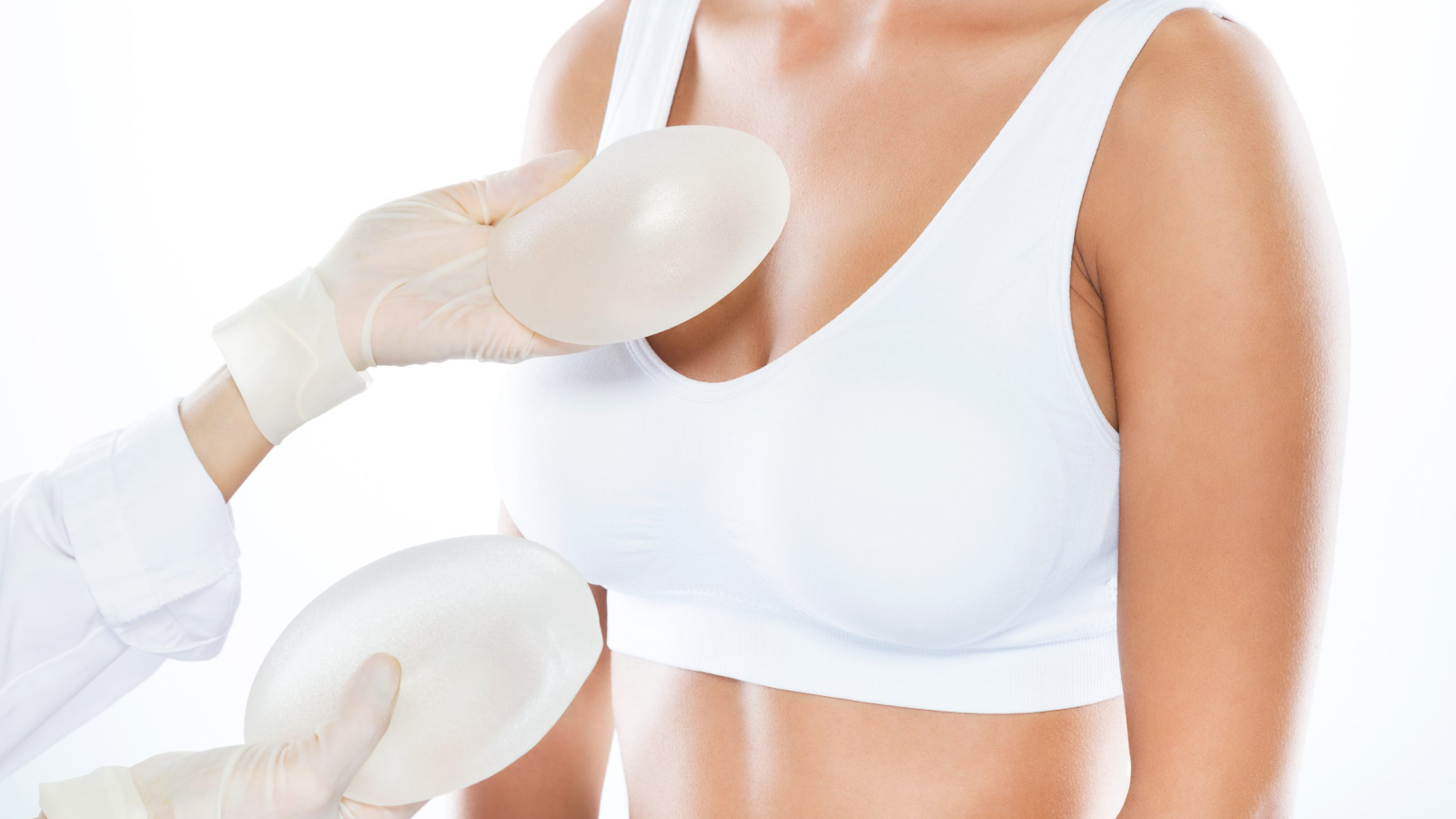
Making a decision about breast implants involves understanding options to choose what fits your goals and body. This guide explains the main types, safety factors, and recovery tips to help you navigate the process confidently.
Types of Breast Implants: Silicone vs Saline Explained
Breast implants mainly come in two forms:
- Silicone implants: Filled with a gel that closely mimics natural breast tissue, offering a soft, natural feel with less visible rippling.
- Saline implants: Contain sterile saltwater, allowing for adjustable sizing during surgery and typically requiring smaller incisions.
Both types are FDA-approved and widely used. Your surgeon will help determine which option aligns best with your anatomy and preferences.
Understanding Breast Implant Profiles and Their Impact on Appearance
Implant profiles determine how much the breast projects from the chest wall:
- Low profile: Broad base with minimal projection, ideal for subtle enhancement.
- Moderate profile: Balanced width and projection for natural fullness.
- High profile: Narrower base with more projection, suited for pronounced volume.
- Ultra-high profile: Maximum projection for dramatic contours.
Surface textures and gel cohesiveness also influence implant stability and feel, helping tailor results to individual aesthetic desires.
Safety Considerations for Textured Versus Smooth Breast Implants
|
Implant Type
|
Surface Texture
|
Safety Notes
|
Key Risks
|
|
|---|---|---|---|---|
|
Smooth
|
Soft, slippery
|
Easier placement and removal
|
Slightly higher capsular contracture risk
|
|
|
Textured
|
Rough, adherent
|
Reduces capsular contracture
|
Rare association with BIA-ALCL
|
Choosing between textured and smooth implants depends on individual risk tolerance and surgical goals, discussed thoroughly with your surgeon.
How Breast Implant Shapes Affect Surgical Outcomes
|
Implant Shape
|
Visual Effect
|
Surgical Notes
|
Recovery Considerations
|
|
|---|---|---|---|---|
|
Round
|
Full upper breast volume
|
Simpler placement
|
Typically less swelling
|
|
|
Teardrop
|
Natural slope contour
|
Requires precise positioning
|
Careful post-op monitoring
|
Shape selection influences both aesthetics and healing, ensuring results reflect your expectations.
The Role of Implant Placement in Safety and Recovery
Implants can be positioned:
- Submuscular (under the muscle): Offers natural contour and lowers some risks but may increase initial discomfort.
- Subglandular (over the muscle): Easier recovery and adjustment, suitable for thinner patients but may show rippling more.
Placement decisions are personalized based on anatomy and lifestyle to balance appearance with recovery comfort.
Monitoring Breast Implant Safety: What Patients Should Know
Maintaining implant health involves:
- Monthly self-exams to detect changes early
- Annual professional evaluations
- Prompt reporting of symptoms like pain, swelling, or lumps
- Adhering to imaging schedules as advised
- Protecting implants from injury
Active monitoring supports long-term safety and timely intervention if needed.
Risks and Complications Associated with Different Breast Implant Types
|
Implant Type
|
Common Issues
|
Management
|
|
|---|---|---|---|
|
Saline
|
Rupture, deflation
|
Implant replacement
|
|
|
Silicone Gel
|
Capsular contracture, rupture
|
MRI screening, corrective surgery
|
|
|
Textured Implants
|
Infection, rare lymphoma
|
Close follow-up, antibiotics
|
|
|
Smooth Implants
|
Lower contracture risk
|
Routine monitoring
|
Awareness of potential complications ensures prompt care and peace of mind.
The Importance of Informed Consent in Breast Implant Surgery
Before surgery, fully understanding:
- Implant choices and risks
- Alternative options
- Expected recovery and care requirements
- Surgeon’s qualifications
- Potential complications and longevity
Empowers patients to make decisions aligned with their health and aesthetic goals.
Age and Longevity: How Long Do Breast Implants Last
Implants usually last 10–20 years but vary based on:
- Implant material and type
- Lifestyle factors and physical activity
- Natural aging and skin changes
- Regular medical evaluations
Replacement or revision may be necessary over time to maintain safety and appearance.
Recovery Timelines and Best Practices After Breast Implant Surgery
Typical healing phases include:
- 1–2 weeks of swelling and bruising
- Pain managed with medication
- Avoidance of strenuous activity for 4 weeks
- Use of support garments as directed
- Gradual return to routine activities by 2–3 weeks
- Careful wound management and follow-ups
Following these steps supports smooth recovery and optimal outcomes.
Advances in Breast Implant Technology and Safety Measures
|
Implant Type
|
Material & Features
|
Benefits
|
Recovery Duration
|
|
|---|---|---|---|---|
|
Saline
|
Sterile saltwater
|
Adjustable size, easy removal
|
1–2 weeks
|
|
|
Silicone Gel
|
Cohesive silicone gel
|
Natural feel, durable shell
|
2–3 weeks
|
|
|
Gummy Bear
|
Highly cohesive, tear-resistant
|
Maintains shape well
|
2–4 weeks
|
|
|
Structured Implants
|
Internal chambers
|
Mimics tissue, stable
|
2–3 weeks
|
Technological improvements have enhanced implant safety, durability, and patient comfort.
Impact of Breast Implants on Breast Cancer Detection and Screening
|
Imaging Method
|
Considerations with Implants
|
Recommendations
|
|
|---|---|---|---|
|
Mammogram
|
Implants may obscure tissue
|
Use implant displacement technique
|
|
|
Ultrasound
|
Useful for dense tissue evaluation
|
Supplemental screening method
|
|
|
MRI
|
Sensitive for implant integrity
|
Recommended for high-risk cases
|
|
|
Clinical Exam
|
Important complementary assessment
|
Should accompany imaging
|
Informing healthcare providers about implants ensures accurate and thorough screening.
Psychological and Physical Recovery Insights Following Breast Augmentation
Post-surgery recovery includes:
- Emotional adjustment and mood changes
- Managing physical symptoms like swelling and bruising
- Strict adherence to post-op care
- Seeking emotional support when needed
- Avoidance of heavy physical activity early on
Holistic recovery promotes satisfaction and well-being.
Choosing the Right Breast Implant for Your Lifestyle and Body Type
Considerations for implant selection:
- Material preference (silicone or saline)
- Shape and size relative to physique
- Implant placement options
- Activity levels and exercise habits
- Desired aesthetic results
- Recovery expectations and health status
A customized approach ensures harmony between your lifestyle and surgical outcomes.
Postmarketing Surveillance and Safety Data on Breast Implants
|
Program
|
Duration
|
Findings
|
Recommendations
|
|
|---|---|---|---|---|
|
FDA Post-Approval
|
Over 10 years
|
Low rupture, rare complications
|
MRI screening advised
|
|
|
International Studies
|
15+ years
|
Stable safety profiles
|
Regular clinical evaluations
|
|
|
Manufacturer Reports
|
Ongoing
|
Consistent data monitoring
|
Updated surgical guidelines
|
|
|
Patient Registries
|
Continuous
|
Early issue detection
|
Enhanced patient education
|
Ongoing surveillance underpins improvements in implant safety and patient outcomes.
FAQ
What types of breast implants are available and how do I choose the right one? Two main types exist: silicone gel, offering a natural feel, and saline, which can be adjusted during surgery. Your surgeon will help select the best fit for your body and goals.
Are breast implants safe, and what risks should I be aware of? When placed by skilled surgeons, implants are generally safe. Risks include rupture and capsular contracture. Regular check-ups and following medical advice reduce these risks.
What should I expect during the breast implant recovery process? Expect swelling and soreness for 1–2 weeks, with gradual return to light activities. Strenuous exercise should be avoided for 4–6 weeks. Follow your surgeon’s instructions closely.
How long do breast implants typically last, and will I need future surgeries? Implants last around 10–15 years on average. Replacement may be necessary due to wear or complications, so ongoing monitoring is important.
Can breast implants affect mammograms or breast cancer detection? Implants can obscure some breast tissue on mammograms, but specialized imaging techniques and informing your radiologist help maintain effective screening.
Understanding your breast implant options and safety factors empowers you to make informed choices. Trust Clinic Wise for expert advice and personalized support on your journey.
Related Posts
Choosing between breast augmentation with fat transfer vs implants is one of the most important decisions you'll make in your Read more

Breast augmentation with nipple reduction represents a comprehensive approach to achieving your ideal breast appearance by addressing both volume and Read more
Contents Introduction When Is Breast Implant Revision Surgery Medically Necessary Common Read more
Add a Comment