


Contents
Introduction
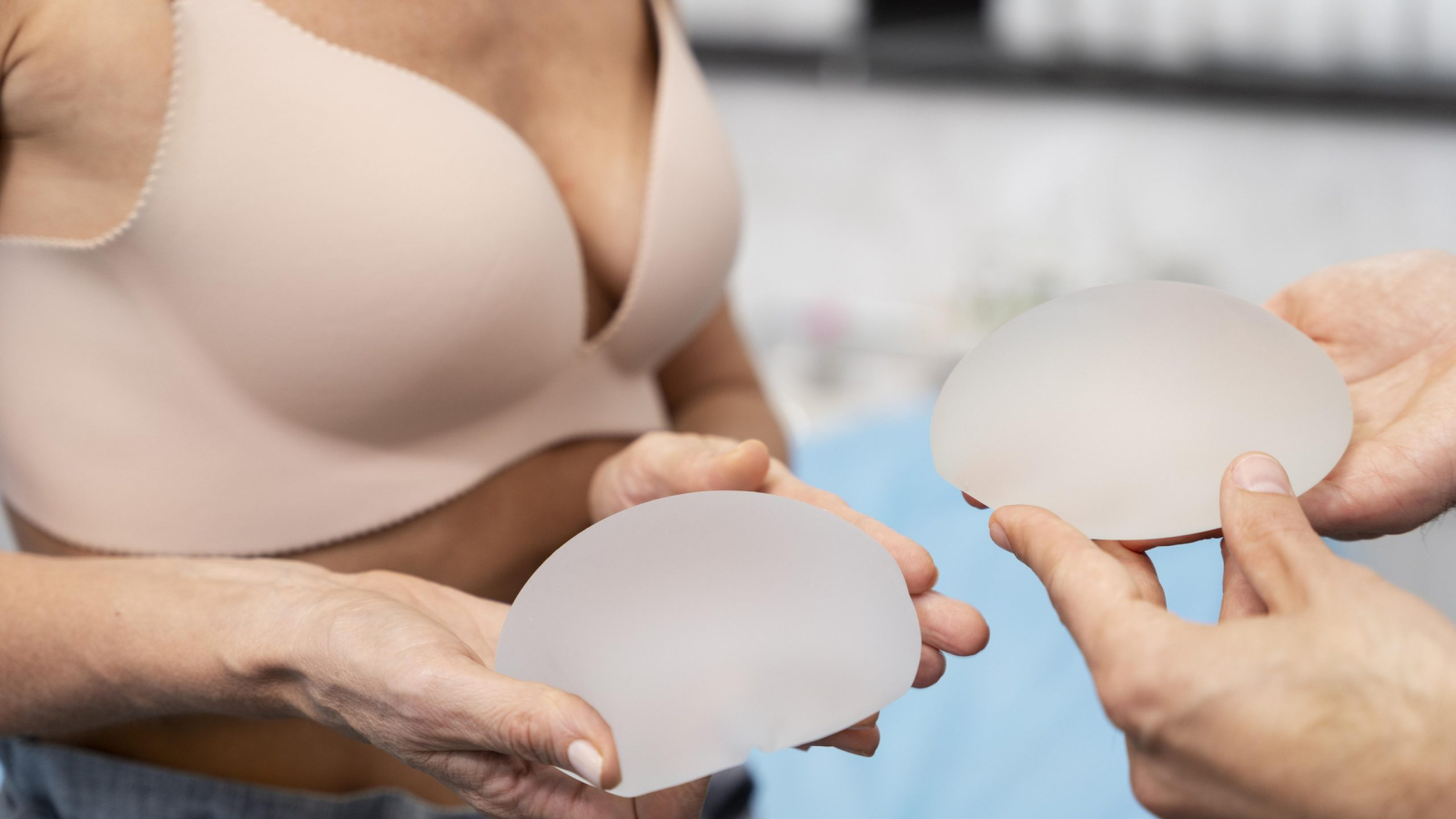
Breast implants can enhance self-esteem and appearance, but they are not lifetime devices. Over time, implants may cause issues such as discomfort, rupture, or dissatisfaction with size or shape. When such problems arise, breast implant revision surgery offers solutions to restore comfort and improve aesthetics.
This surgery addresses implant-related complications and helps patients achieve a more natural breast appearance. Whether due to physical symptoms or personal preferences, revision surgery allows adjustment or replacement of implants to better meet patient needs.
This article outlines the main reasons for breast implant revision and guides patients on what to expect, facilitating informed decisions about their care.
When Is Breast Implant Revision Surgery Medically Necessary
Revision surgery becomes medically necessary when implants cause health concerns or persistent discomfort. Indications include:
- Development of scar tissue causing implant compression (capsular contracture)
- Implant rupture or leakage of silicone or saline
- Implants shifting from their intended position (malposition)
- Chronic pain or tenderness
- Infection or inflammation around the implant
- Significant breast asymmetry or tissue changes
- Allergic reactions to implant materials
- Formation of granulomas or scar tissue complications
Timely surgical intervention in these cases helps prevent further complications and restores breast function and appearance.
Common Implant-Related Issues Leading to Revision
Implant problems may present as physical symptoms or unsatisfactory appearance, prompting revision consideration:
- Rupture of the implant shell, risking leakage
- Leakage of implant contents into surrounding tissue
- Malposition causing uneven or unnatural breast shape
- Capsular contracture leading to firmness or pain
- Visible rippling or wrinkling of the implant surface
- Deflation (mainly in saline implants) with sudden volume loss
- Infection or inflammation around the implant
- Implant aging affecting texture or integrity
- Rotation of shaped implants altering contour
- Patient dissatisfaction with implant size or shape
Treatment plans are customized based on the specific issue.
Tissue Changes That Require Breast Implant Revision
Natural changes in breast tissue over time—such as skin thinning, stretching, or loss of elasticity—can affect implant positioning and appearance. These tissue alterations may cause implants to become more visible or shift, resulting in asymmetry or discomfort.
Breast implant revision surgery can address these changes by reinforcing tissue support, repositioning implants, or adjusting implant type to maintain a balanced and natural look.
Capsular Contracture as a Primary Cause for Revision
Capsular contracture occurs when scar tissue around an implant tightens excessively, leading to breast hardness, distortion, or pain. Symptoms often include:
- Noticeable firmness or hardening of the breast
- Pain or sensitivity
- Visible changes in breast shape or asymmetry
- Redness or swelling of the overlying skin
- Difficulty with breast movement or tenderness
Early diagnosis and treatment improve outcomes. Revision surgery typically involves releasing or removing scar tissue and potentially replacing the implant.

Implant Rupture and Leakage Signs for Revision
Implant rupture may result from trauma, aging, or other factors, and requires prompt attention to avoid complications. Signs include:
- Sudden changes in breast shape or size
- Pain or discomfort localized to the implant area
- Swelling, lumps, or firmness
- Visible irregularities or asymmetry
- Skin irritation or numbness
Surgical revision involves removing the ruptured implant and any leaked material, restoring breast contour and function.
Addressing Implant Malposition Through Revision Surgery
Implant malposition can cause discomfort and aesthetic issues. Revision surgery corrects implant placement to restore symmetry and natural appearance. Common malpositions and corrections include:
|
Malposition Type
|
Cause
|
Correction Method
|
Outcome
|
|
|---|---|---|---|---|
|
Displacement
|
Weak tissue support
|
Pocket revision
|
Improved implant stability
|
|
|
Bottoming out
|
Implant drops below crease
|
Capsule tightening
|
Restored breast contour
|
|
|
Rotation
|
Implant turning
|
Repositioning implants
|
Balanced breast shape
|
|
|
Asymmetry
|
Unequal implant size or placement
|
Implant exchange or adjustment
|
Symmetrical breasts
|
Personalized evaluation guides the best surgical approach.
Correcting Size Dissatisfaction with Breast Implant Revision
Patients may seek revision to adjust implant size due to changes in lifestyle, body shape, or preferences. Options include:
|
Reason
|
Description
|
Surgical Approach
|
|
|---|---|---|---|
|
Desire to increase size
|
Patient wants larger volume
|
Replace with larger implants
|
|
|
Desire to decrease size
|
Patient prefers smaller breasts
|
Exchange for smaller implants
|
|
|
Correct asymmetry
|
Unequal implant volumes or shapes
|
Implant exchange for balanced look
|
|
|
Changes over time
|
Body or aesthetic goals evolve
|
Tailored implant selection during revision
|
Revision surgery offers flexibility to align breast size with current patient goals.

Managing Visible Rippling and Wrinkling After Augmentation
Rippling or wrinkling occurs when implant edges become visible or palpable, often due to thin tissue coverage or implant type. Management strategies include:
- Switching to implants with a different fill or surface
- Changing implant placement (e.g., from subglandular to submuscular)
- Fat grafting to add soft tissue padding
- Using acellular dermal matrices for additional support
- Employing massage or physical therapy techniques
These interventions help smooth the breast contour and improve cosmetic outcomes.
Timing Considerations When to Undergo Breast Implant Revision
Revision timing depends on implant condition, symptoms, and patient goals. Common triggers for revision include pain, firmness, asymmetry, or implant aging. Early consultation helps tailor treatment and potentially reduces complication risks.
Recovery typically involves mild discomfort lasting a few weeks, with most patients resuming normal activities within a month. Deciding on revision is a balance between physical needs and personal preferences.
Breast Implant Revision After Cancer Reconstruction
After breast cancer reconstruction, tissue changes and healing variations may necessitate implant revision. Reasons include improving symmetry, addressing implant position, or relieving discomfort.
Revision in this context requires careful planning with an experienced specialist to ensure safety and optimize aesthetic outcomes while respecting prior treatments.
How Implant Longevity Influences the Need for Revision
Implants generally last 10 to 15 years but may require earlier revision due to rupture, contracture, or patient preference. Monitoring implant age and condition allows timely intervention to maintain breast health and appearance.
Awareness of implant lifespan assists patients in planning for potential future surgeries as part of ongoing care.
Preparing for Breast Implant Revision: What to Expect
Preparation steps enhance safety and recovery:
- Detailed consultation and physical examination
- Necessary imaging and lab tests
- Avoid smoking and certain medications before surgery
- Arrange transportation and post-operative support
- Follow fasting and pre-op instructions
- Under anesthesia, surgeon removes or revises implants
- Surgery duration varies with complexity
- Post-op includes swelling and mild discomfort
- Use prescribed pain control and antibiotics as directed
- Limit physical activity during healing phase
Adherence to these steps supports optimal surgical results.
The Role of Imaging and Tests in Deciding on Revision
|
Imaging/Test
|
Purpose
|
Benefits
|
Limitations
|
|
|---|---|---|---|---|
|
Ultrasound
|
Detect implant rupture or fluid
|
Non-invasive, no radiation
|
Less effective in dense tissue
|
|
|
MRI
|
Detailed implant and tissue view
|
High sensitivity, silent rupture detection
|
Costly, longer exam time
|
|
|
Mammography
|
Breast cancer screening
|
Routine screening tool
|
Limited for implant integrity
|
|
|
Physical Exam
|
Assess implant position and firmness
|
Immediate and cost-free
|
Cannot identify internal implant damage
|
These evaluations assist surgeons in planning personalized revision procedures.
Differences Between Cosmetic and Medical Reasons for Revision
Medical indications for revision include implant rupture, infection, or contracture requiring timely treatment. Cosmetic revisions address patient desires for changes in size, shape, or symmetry without urgent health concerns.
Surgeons prioritize safety in medical cases and balance aesthetic goals in elective revisions, ensuring informed patient choices.
Realistic Outcomes and Limitations of Breast Implant Revision
Breast implant revision can enhance appearance but has inherent limitations. Influencing factors include scar tissue, skin quality, and implant characteristics. Patients should anticipate:
- Improved breast symmetry and contour
- Possible adjustments in implant size or shape
- Noticeable surgical scars
- Correction of contracture or rupture
- Variation in breast sensation
- Potential need for future surgeries
- Recovery times varying by procedure complexity
- No guarantee of perfection, but significant improvement
Understanding these helps set realistic expectations and supports satisfaction with surgical results.
FAQ
1. What are the common reasons for breast implant revision surgery? Typical causes include implant rupture, capsular contracture, implant displacement, changes in breast shape, and dissatisfaction with size or appearance.
2. How can I tell if I need breast implant revision surgery? Signs such as pain, firmness, asymmetry, visible implant edges, or shape changes warrant evaluation by a qualified plastic surgeon.
3. What should I expect during the breast implant revision process? Revision involves implant removal or replacement and addressing associated tissue issues. Recovery usually includes mild swelling and discomfort for a couple of weeks.
4. Are breast implant revision surgeries safe and effective? When performed by experienced surgeons, revision surgeries are generally safe and effective, tailored to the patient’s specific needs.
5. How can I prepare for breast implant revision surgery? Preparation includes medical evaluation, following pre-operative instructions, and clear communication of goals with your surgeon to ensure a safe and personalized procedure.
Your journey toward restored comfort and confidence is supported by expert care and personalized breast implant revision surgery at Clinic Wise.
Related Posts
Choosing between breast augmentation with fat transfer vs implants is one of the most important decisions you'll make in your Read more

Breast augmentation with nipple reduction represents a comprehensive approach to achieving your ideal breast appearance by addressing both volume and Read more

Contents Types of Breast Implants: Silicone vs Saline Explained Understanding Breast Implant Profiles and Read more
Add a Comment