


Contents
- Introduction
- Key Technological Differences Between J-Plasma and Traditional Skin Tightening
- How J-Plasma Enhances Skin Tightening Results Compared to Traditional Methods
- Safety Profiles: J-Plasma vs Conventional Skin Tightening Techniques
- Recovery Time and Downtime: J-Plasma Compared to Traditional Procedures
- Mechanism of Action: Cold Atmospheric Plasma Versus Radiofrequency
- Candidate Suitability: Who Benefits More from J-Plasma or Traditional Tightening
- Long-Term Effectiveness: Durability of J-Plasma Versus Traditional Treatments
- Side Effects and Risks: Contrasting J-Plasma with Traditional Skin Tightening
- Treatment Areas: Versatility of J-Plasma Compared to Conventional Methods
- Integration with Other Procedures: J-Plasma and Traditional Skin Tightening Combinations
- Cost Comparison: Evaluating J-Plasma Against Traditional Skin Tightening Options
- Innovations in Skin Tightening: Why J-Plasma is Considered a Game Changer
- FAQ
- Conclusion
Introduction
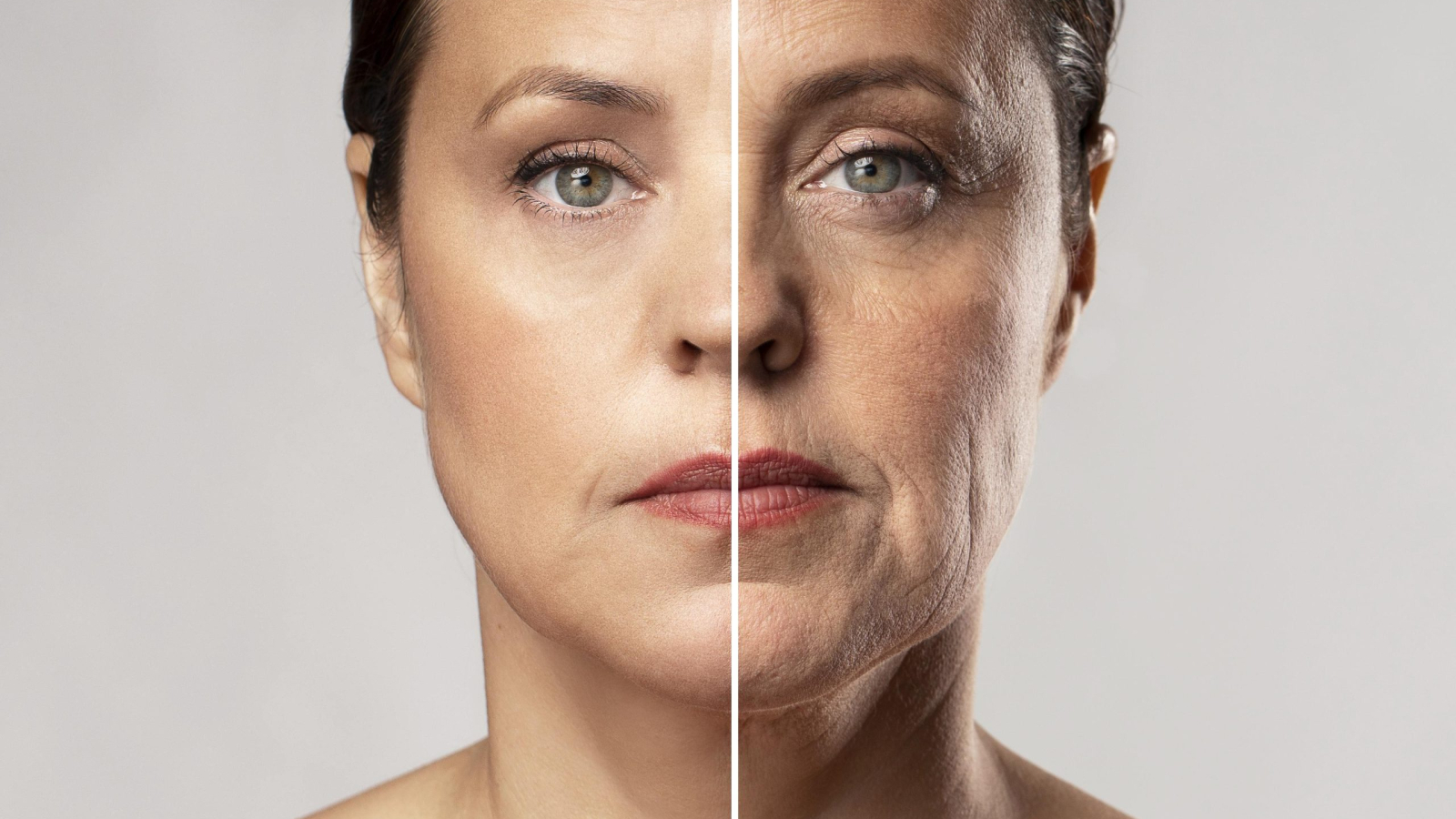
As skin ages, it naturally loses firmness, particularly in the face and neck regions. This change can impact self-esteem and overall appearance. While topical creams and exercises offer some benefits, they often fall short of delivering significant tightening results.
Traditional skin tightening methods typically employ heat-based devices like radiofrequency or ultrasound to stimulate collagen production and enhance skin texture. Recently, J-Plasma has emerged as an innovative alternative, utilizing a combination of cold helium plasma and radiofrequency energy. This approach allows for precise skin tightening with reduced thermal injury and shorter recovery periods.
This article explores how J-Plasma differs from conventional skin tightening, highlighting their unique features, safety aspects, and effectiveness. Understanding these distinctions will assist in selecting the most suitable treatment aligned with your skin goals.
Key Technological Differences Between J-Plasma and Traditional Skin Tightening
The core technological contrast lies in how energy is delivered to the skin:
- J-Plasma employs helium plasma combined with radiofrequency, providing targeted energy with minimal heat spread
- It causes less damage to surrounding tissues, enabling faster healing
- Traditional methods utilize radiofrequency or ultrasound, which distribute heat less precisely
- Conventional treatments often require multiple sessions due to less focused energy delivery
- J-Plasma integrates skin resurfacing effects alongside tightening
- Traditional approaches mainly concentrate on contraction and collagen stimulation without resurfacing
- Suitable for delicate or sensitive areas due to controlled energy application
These distinctions emphasize J-Plasma’s advanced precision and efficiency in skin rejuvenation compared to traditional techniques.
How J-Plasma Enhances Skin Tightening Results Compared to Traditional Methods
J-Plasma delivers cold plasma energy that penetrates deeper skin layers with precision, promoting collagen remodeling while minimizing thermal injury. This results in improved skin firmness and texture beyond what typical surface heating methods achieve.
Patients experience more noticeable tightening effects coupled with a quicker return to normal activities. The technology’s ability to resurface skin while tightening offers dual benefits not typically seen with standard skin tightening procedures. This makes J-Plasma a compelling option for those seeking effective results without prolonged recovery.
Safety Profiles: J-Plasma vs Conventional Skin Tightening Techniques
Safety considerations vary between the two methods:
- J-Plasma’s focused energy reduces the risk of burns and excessive thermal damage
- It typically leads to less swelling and redness post-treatment
- Traditional methods carry a higher chance of uneven tightening and prolonged irritation
- Infection rates are generally low for both, but faster healing with J-Plasma lowers complication risks
- Scarring and pigmentation changes are rarer with J-Plasma due to its gentler approach
- Conventional treatments may necessitate longer downtime to manage side effects
Overall, J-Plasma offers a safer profile with fewer adverse effects, making it suitable for a broad range of patients.
Recovery Time and Downtime: J-Plasma Compared to Traditional Procedures
|
Procedure Type
|
Average Recovery Time
|
Typical Downtime
|
Patient Comfort Level
|
|
|---|---|---|---|---|
|
J-Plasma
|
3-5 days
|
Minimal
|
Mild redness, quick healing
|
|
|
Traditional Methods
|
1-3 weeks
|
Moderate to long
|
Swelling, bruising common
|
|
|
Non-invasive Methods
|
Few hours to days
|
Very low
|
Usually no pain or discomfort
|
J-Plasma allows a faster recovery window with minimal downtime compared to conventional skin tightening, enabling patients to resume daily routines quickly. This aspect suits those with busy lifestyles or low tolerance for prolonged healing.
Mechanism of Action: Cold Atmospheric Plasma Versus Radiofrequency
J-Plasma utilizes cold atmospheric plasma, an ionized gas that delivers controlled thermal energy directly to skin tissues. This method limits heat diffusion to adjacent areas, reducing damage and accelerating healing.
Traditional skin tightening relies on radiofrequency energy that heats deeper layers but with less precision, sometimes causing uneven effects or increased discomfort.
By simultaneously targeting surface and deeper layers, J-Plasma promotes efficient collagen synthesis and skin contraction, particularly benefiting sensitive regions prone to damage with conventional methods.
Candidate Suitability: Who Benefits More from J-Plasma or Traditional Tightening
Selecting the ideal treatment depends on individual skin characteristics and goals:
- J-Plasma suits those with mild to moderate laxity seeking effective tightening with minimal downtime
- It is appropriate for sensitive skin types and localized treatment areas requiring precision
- Traditional methods are better for extensive skin laxity and larger treatment zones
- Patients with thicker skin may respond well to conventional radiofrequency or ultrasound options
- Those willing to undergo longer recovery periods and multiple sessions might opt for traditional approaches
Understanding these factors ensures personalized treatment plans that maximize safety and outcomes.
Long-Term Effectiveness: Durability of J-Plasma Versus Traditional Treatments
|
Treatment Type
|
Duration of Effect
|
Mechanism
|
Maintenance Required
|
|
|---|---|---|---|---|
|
J-Plasma
|
18-24 months
|
Combines cold plasma and radiofrequency to stimulate collagen and tighten skin
|
Occasional touch-ups
|
|
|
Traditional RF
|
6-12 months
|
Uses radiofrequency heat to contract skin fibers and boost collagen production
|
Regular sessions needed
|
|
|
Ultrasound-Based
|
12-18 months
|
Focused ultrasound targets deep layers promoting collagen remodeling
|
Periodic treatments advised
|
|
|
Laser Tightening
|
9-15 months
|
Laser energy heats dermis to induce collagen synthesis
|
Follow-up treatments helpful
|
Due to its dual-action mechanism, J-Plasma typically provides longer-lasting tightening and skin rejuvenation compared to traditional methods, reducing the need for frequent maintenance.
Side Effects and Risks: Contrasting J-Plasma with Traditional Skin Tightening
Side effect profiles differ primarily because of energy delivery techniques:
- Swelling and redness occur with both but are generally milder and shorter-lived with J-Plasma
- Bruising and discomfort are more common in traditional treatments
- Infection and scarring risks are low but slightly reduced with J-Plasma’s targeted approach
- Traditional methods carry higher chances of pigmentation changes and thermal injury
- Anesthesia requirements vary, influencing risk levels depending on procedure invasiveness
J-Plasma’s controlled energy application enhances safety and patient comfort throughout the treatment process.
Treatment Areas: Versatility of J-Plasma Compared to Conventional Methods
J-Plasma’s precise energy delivery allows it to effectively treat sensitive and irregular areas such as around the eyes and jawline with minimal risk. Traditional methods are often reserved for larger, less delicate regions due to broader heat application.
Common treatment sites for both include:
- Face and neck
- Abdomen and décolletage
- Arms, thighs, and knees
- Hands and buttocks
Choosing the appropriate method depends on the specific area and desired outcomes.
Integration with Other Procedures: J-Plasma and Traditional Skin Tightening Combinations
Both J-Plasma and traditional skin tightening can be integrated with adjunctive treatments like fillers, Botox, or laser resurfacing to enhance overall facial rejuvenation.
J-Plasma’s minimal downtime and precise effects complement combined protocols well, allowing sequential or simultaneous procedures with reduced recovery overlap.
Traditional approaches may require more careful scheduling due to longer healing, but can effectively augment volume restoration or skin texture improvement.
Tailoring combinations according to patient needs optimizes aesthetic results.
Cost Comparison: Evaluating J-Plasma Against Traditional Skin Tightening Options
|
Treatment Type
|
Average Cost Range (USD)
|
Session Count
|
Recovery Time
|
|
|---|---|---|---|---|
|
J-Plasma
|
3,000−3,000 – 3,000−
|
1-2
|
3-7 days
|
|
|
Traditional RF
|
1,000−1,000 – 1,000−
|
3-6
|
Minimal
|
|
|
Ultrasound
|
1,500−1,500 – 1,500−
|
3-5
|
Minimal
|
|
|
Laser Therapy
|
1,200−1,200 – 1,200−
|
3-6
|
1-3 days
|
J-Plasma generally involves higher upfront costs but fewer sessions and shorter downtime. This investment may be preferable for patients prioritizing long-term results and faster recovery.
Innovations in Skin Tightening: Why J-Plasma is Considered a Game Changer
J-Plasma represents a breakthrough by merging cold helium plasma with radiofrequency, enabling precise skin tightening with minimal collateral damage. This innovation enhances collagen stimulation in both superficial and deep skin layers, promoting natural-looking rejuvenation.
Compared to traditional heat-based treatments, J-Plasma offers improved control, safety, and durability, revolutionizing options for patients and clinicians seeking effective skin renewal.
FAQ
What is J-Plasma technology, and how does it differ from traditional skin tightening methods? J-Plasma combines cold helium plasma and radiofrequency energy to deliver focused treatment that tightens skin effectively while minimizing thermal injury. Unlike standard ultrasound or laser approaches, it offers precise contraction with faster recovery and longer-lasting results.
Who is an ideal candidate for J-Plasma compared to traditional skin tightening treatments? Individuals with mild to moderate skin laxity wanting significant tightening without surgery benefit most from J-Plasma. Traditional treatments may suit those with minor concerns or preferring non-invasive options, but J-Plasma typically yields firmer and sustained outcomes.
What are the recovery times and side effects of J-Plasma versus traditional skin tightening? Recovery after J-Plasma is generally brief, with mild redness and swelling resolving within days. Traditional methods often involve longer healing, bruising, and multiple sessions. Patients report higher comfort levels and quicker return to activities post-J-Plasma.
How do the long-term results of J-Plasma compare with conventional skin tightening techniques? J-Plasma’s dual-action mechanism fosters longer-lasting collagen remodeling, with effects maintained up to two years. Traditional treatments require more frequent maintenance to sustain improvements.
Is J-Plasma safe for all skin types, and how does it handle sensitive skin? J-Plasma is safe for diverse skin types, including sensitive and darker tones, due to reduced thermal impact. It lowers risks of pigmentation changes common in some laser treatments. Customized protocols ensure safety and efficacy for each patient.
Conclusion
J-Plasma introduces a sophisticated advancement in skin tightening, combining precision energy delivery with enhanced safety and recovery profiles. Its ability to simultaneously tighten and resurface skin sets it apart from traditional methods, offering longer-lasting and natural-looking results.
By understanding the unique benefits and considerations of both J-Plasma and conventional treatments, individuals can make informed choices tailored to their skin type, concerns, and lifestyle. Consultation with a qualified provider will help determine the optimal approach to achieve rejuvenated, firmer skin.
Related Posts
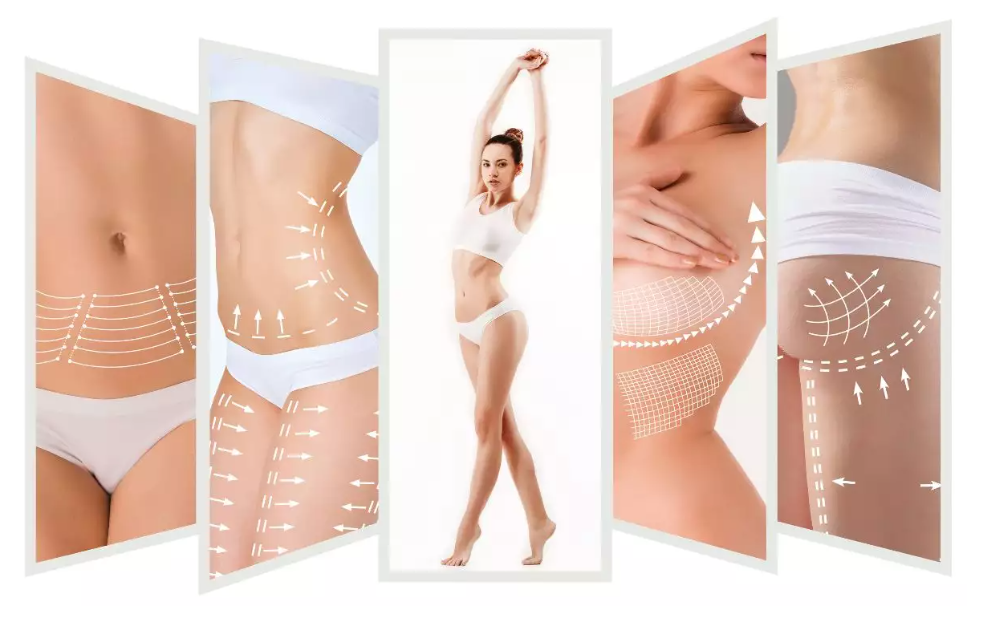
Achieving a desirable appearance usually requires multiple procedures for many individuals. This means that longer recovery periods, operation times, and Read more

Can lip lift fix asymmetry? Yes, a surgical lip lift can effectively correct minor to moderate lip asymmetry by removing Read more
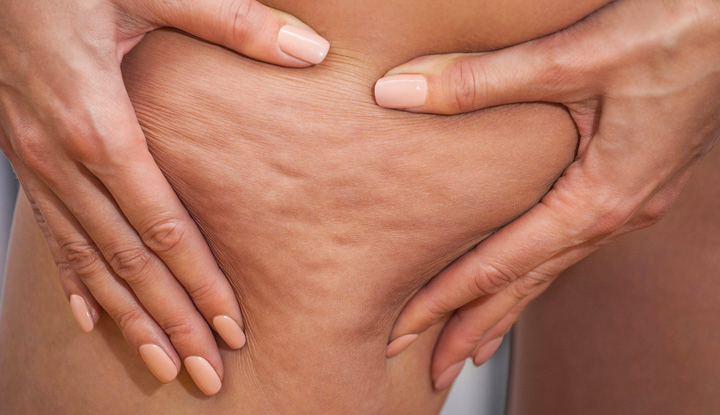
Cellulite treatment has evolved dramatically in recent years, offering women genuine solutions to the dimpled, cottage cheese-like skin texture that Read more
Add a Comment