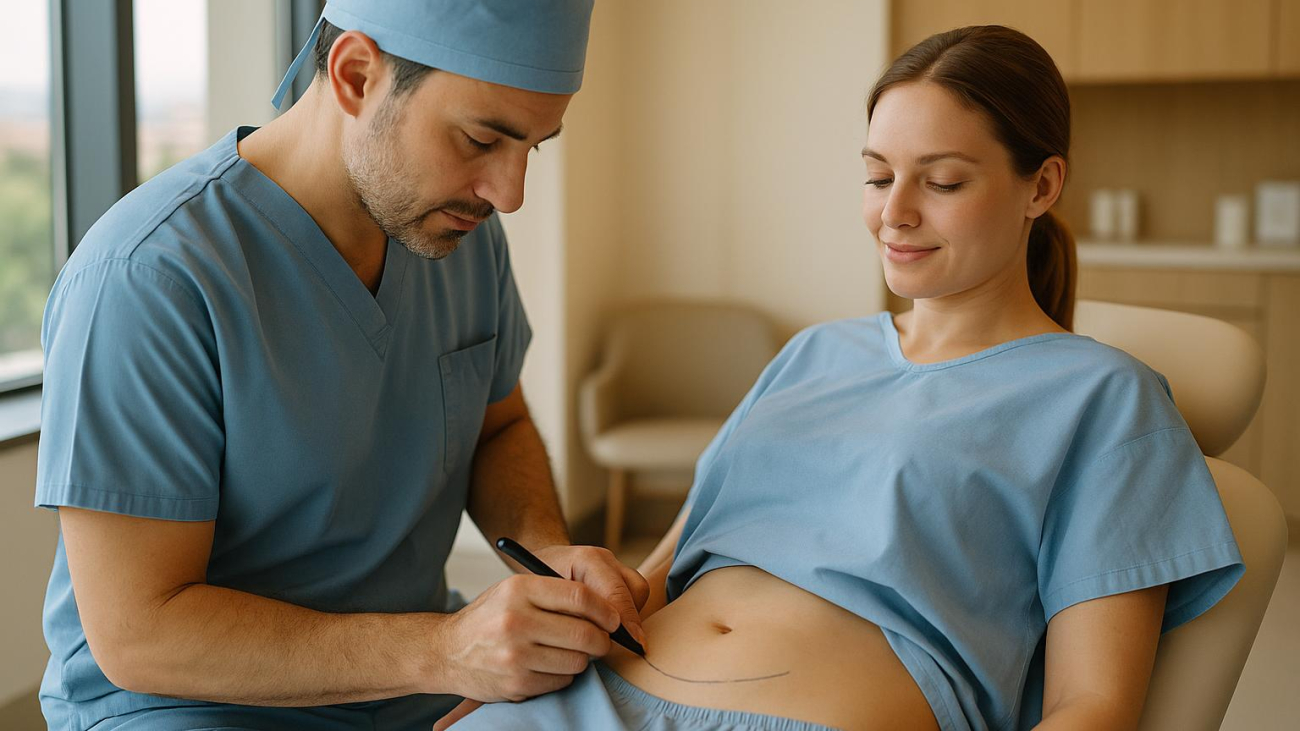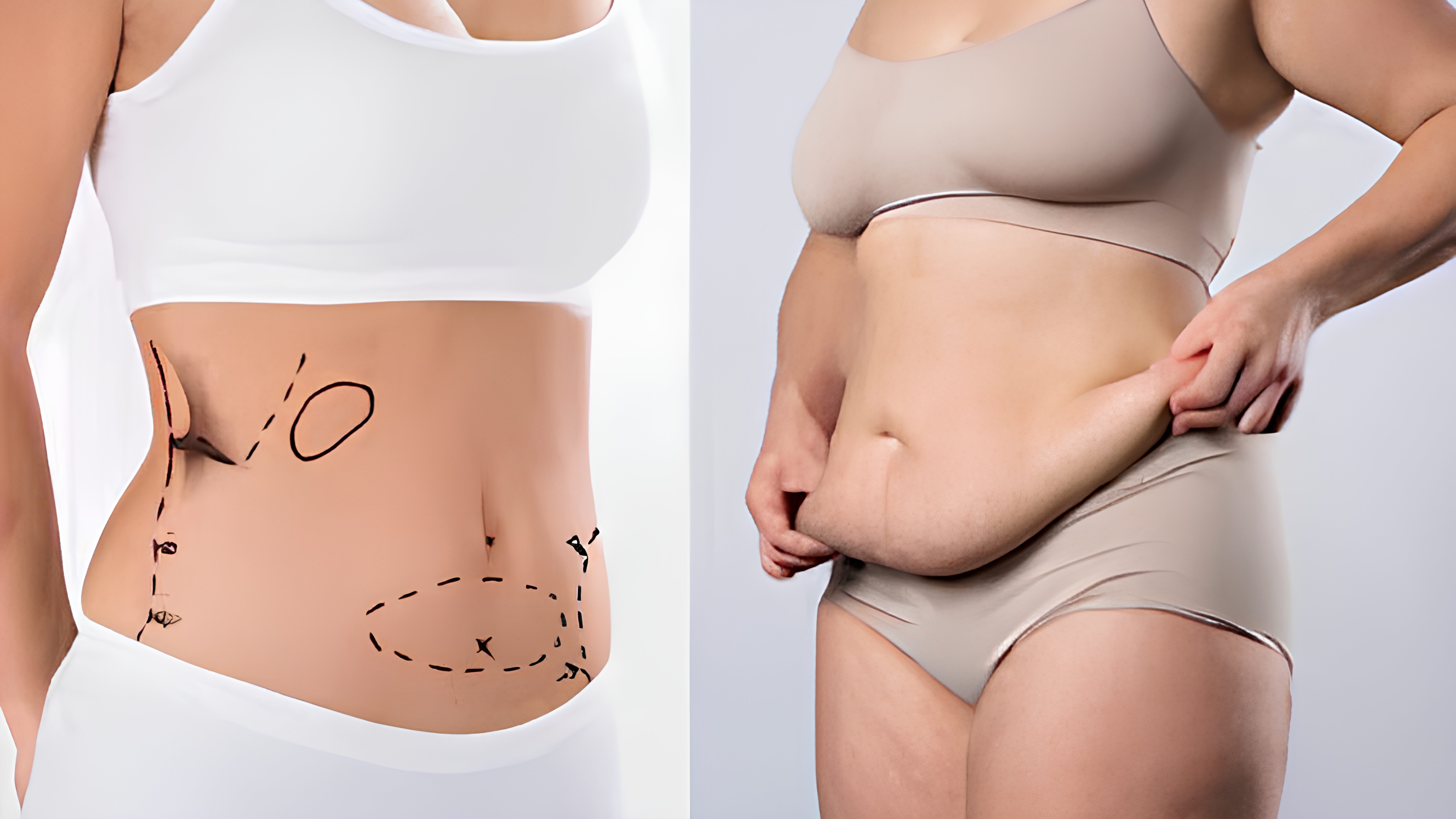


front-view-woman-with-marker-traces-abdomen

Innovative Tummy Tuck Techniques for Scar Minimization

Table of Contents


Introduction

 
A tummy tuck offers a transformative opportunity to reshape the abdomen and enhance self-confidence. Despite the benefits, concerns about postoperative scars often deter potential candidates. Recent surgical innovations focus on reducing these visible marks, enabling patients to feel more comfortable in their skin and clothing.
 
Modern abdominoplasty techniques emphasize smaller incisions, refined suturing, and comprehensive care protocols to promote optimal healing. By combining surgical precision with tailored pre- and postoperative strategies, patients experience enhanced outcomes with less conspicuous scars.
 
This article explores these advancements, detailing how new methods improve both the surgical process and recovery. Understanding these innovations empowers patients to make informed decisions and achieve natural-looking results with minimal scarring.
 

Innovative Surgical Techniques to Minimize Tummy Tuck Scars

 
Contemporary abdominoplasty prioritizes scar minimization through several refined surgical practices:
 
  • Limiting incision length to reduce visible scar area
 
  • Employing tension-free closures for optimal healing
 
  • Utilizing absorbable sutures to decrease irritation
 
  • Elevating skin flaps carefully to maintain blood supply
 
  • Incorporating laser treatments to improve scar texture
 
  • Applying fat grafting near incisions for softer edges
 
  • Conditioning skin preoperatively to enhance recovery
 
  • Using minimally invasive liposuction alongside surgery
 
  • Administering silicone gels postoperatively to refine scars
 
  • Implementing microneedling to stimulate collagen remodeling
 
These combined approaches result in smoother scars and improved cosmetic satisfaction for patients undergoing tummy tuck procedures.
 

Vaser Abdominoplasty Reducing Scar Visibility with Advanced Technology

 
Vaser abdominoplasty utilizes ultrasound energy to selectively target and liquefy fat cells, minimizing trauma to adjacent tissues. This precision reduces inflammation and accelerates healing, contributing to less prominent scarring. Key features include:
 
  • Ultrasound-based fat disruption
 
  • Gentle tissue preservation
 
  • Enhanced skin tightening effects
 
  • Improved abdominal contouring
 
  • Faster postoperative recovery
 
Through this technology, patients benefit from refined results with reduced scar visibility, making Vaser abdominoplasty a preferred option for those prioritizing aesthetic outcomes.
 

Drainless Tummy Tuck Scar Reduction Through Less Invasive Methods

 
Eliminating surgical drains from the tummy tuck process offers benefits in scar appearance and patient comfort. This technique focuses on meticulous fluid management and gentle tissue handling to facilitate natural absorption and healing. Advantages include:
 
  • Avoidance of drain-associated discomfort and infections
 
  • Decreased postoperative swelling and bruising
 
  • Reduced tissue trauma through advanced suturing
 
  • Shortened recovery periods
 
  • Improved scar maturation and appearance
 
By reducing invasive elements, drainless methods support smoother healing and less noticeable scars.
 

Preoperative Strategies for Optimal Scar Minimization in Tummy Tuck

 
Effective scar reduction begins before surgery with targeted preparation aimed at enhancing skin quality and overall healing capacity. Essential preoperative measures include:
 
  • Maintaining skin hydration to preserve elasticity
 
  • Ceasing smoking to ensure adequate blood flow
 
  • Using dermatologist-recommended moisturizers
 
  • Consuming a nutrient-rich diet with vitamins supporting tissue repair
 
  • Limiting sun exposure to prevent skin damage
 
  • Managing chronic illnesses like diabetes for better healing
 
  • Reviewing medications that might impair recovery
 
  • Prioritizing rest and stress management
 
  • Attending thorough surgical consultations
 
  • Avoiding anti-inflammatory drugs that may affect clotting
 
These steps establish a foundation for improved scar outcomes and smoother postoperative progress.
 

Postoperative Care Protocols to Enhance Scar Healing After Abdominoplasty

 
Post-surgery care plays a critical role in scar quality and patient satisfaction. Implementing a structured regimen promotes optimal healing and reduces scar prominence:
 
  • Keeping incisions clean and dry to prevent infection
 
  • Restricting physical exertion during early recovery
 
  • Applying silicone-based gels or sheets to soften scars
 
  • Initiating gentle massage once wounds have healed
 
  • Shielding scars from sun exposure with high-SPF sunscreen
 
  • Maintaining hydration and balanced nutrition
 
  • Attending scheduled follow-ups for monitoring
 
  • Continuing smoking cessation to support tissue repair
 
  • Wearing compression garments as directed
 
  • Promptly reporting abnormal symptoms
 
Adherence to these protocols enhances the benefits achieved through surgical innovations.
 

NaturaTuck Revolutionizing Scar Outcomes in Tummy Tuck Surgery

 
NaturaTuck combines gentle tissue manipulation with minimal incisions, aiming to preserve blood circulation and reduce wound tension. This technique fosters quicker healing and discreet scarring, offering patients a balance of safety and aesthetics.
 
 
Feature


Benefit
 
 
Clinical Impact


Minimal incision size


Limits scar formation
 
 
Enhanced cosmetic appearance


Natural tissue handling


Maintains vascular supply
 
 
Accelerated healing, fewer risks


Precise wound closure


Reduces skin tension
 
 
Less visible scars


Customized approach


Tailored to individual anatomy
 
 
Higher patient satisfaction


These characteristics mark NaturaTuck as a promising evolution in tummy tuck surgery.
 

Scar Camouflage and Revision: Modern Approaches to Tummy Tuck Scars


Technique


Description
 
 
Benefits
 
 
Ideal Candidates


Laser Scar Revision


Focused light therapy to diminish scar redness and texture
 
 
Reduces discoloration and roughness
 
 
Raised or hypertrophic scars


Microneedling


Controlled skin puncturing to boost collagen
 
 
Enhances skin smoothness and tone
 
 
Flat or pigmented scars


Fat Grafting


Autologous fat injection to elevate depressed scars
 
 
Adds volume and softens irregularities
 
 
Indented or atrophic scars


Scar Camouflage Tattooing


Pigment application matched to skin tone
 
 
Masks color differences
 
 
Light-colored or superficial scars


These options allow patients to improve scar aesthetics beyond initial healing.
 

Comparing Traditional and Innovative Tummy Tuck Methods for Scar Reduction


Method


Scar Characteristics
 
 
Healing Duration
 
 
Patient Feedback


Traditional Tummy Tuck


Larger, more conspicuous
 
 
6-8 weeks
 
 
Moderate satisfaction


Innovative Techniques


Smaller, subtler scars
 
 
3-4 weeks
 
 
Higher satisfaction


Advanced Suturing


Fine, minimal lines
 
 
Accelerated healing
 
 
Improved cosmetic results


Strategic Incision Placement


Hidden or natural folds
 
 
Faster recovery
 
 
Enhanced appearance


The evolution in surgical methods translates directly into better scar management and patient experiences.
 

Role of Board-Certified Plastic Surgeons in Scar Minimization Techniques

 
Expertise from board-certified plastic surgeons is crucial for achieving minimal scarring. Their specialized training ensures:
 
  • Accurate incision placement aligned with natural skin lines
 
  • Delicate tissue handling to preserve vascularity
 
  • Mastery of advanced suturing techniques
 
  • Personalized surgical planning based on anatomy
 
  • Strict adherence to safety standards
 
This proficiency maximizes healing potential and aesthetic outcomes, safeguarding patient well-being.
 

Patient-Centered Innovations: Shorter Downtime and Scar Improvement

 
Recent advances prioritize patient comfort by reducing recovery times and enhancing scar healing through:
 
  • Refined incisions that limit tissue disruption
 
  • Innovative closure methods fostering natural regeneration
 
  • Adjunct therapies such as laser treatments and silicone applications
 
  • Customized care plans addressing individual healing needs
 
These combined efforts result in a more efficient healing process, improved scar appearance, and greater patient satisfaction.
 

Advanced Scar Management Techniques for Long-Term Aesthetic Results

 
Sustained scar improvement relies on multimodal treatments tailored to individual needs:
 
  • Silicone sheets to maintain moisture and softness
 
  • Laser treatments targeting pigmentation and texture irregularities
 
  • Massage therapy enhancing circulation and scar remodeling
 
  • Topical agents containing antioxidants and vitamins
 
  • Compression garments to flatten hypertrophic scars
 
  • Microneedling to stimulate collagen synthesis
 
  • Consistent sun protection to prevent discoloration
 
  • Regular clinical evaluations to adjust therapy
 
A comprehensive approach supports lasting, aesthetically pleasing results.
 

Combining Technology and Technique: The Future of Scar-Free Tummy Tucks

 
Emerging trends integrate technological advances with refined surgical methods to approach scar-free tummy tucks:
 
  • Laser-assisted incisions that reduce tissue trauma
 
  • Innovative suturing promoting rapid and minimal scarring
 
  • Strategic incision placement concealing scars effectively
 
  • Application of regenerative medicine and bio-adhesives enhancing repair
 
This synergy underscores a patient-centered vision, emphasizing safety alongside superior cosmetic outcomes. The goal of near scarless abdominoplasty is becoming increasingly realistic as these techniques mature.
 

Frequently Asked Questions

 
What are the newest surgical techniques to minimize scars after a tummy tuck?Our hospital implements minimal incision abdominoplasty and progressive tension sutures to reduce skin tension and scar size. Laser-assisted skin sealing further optimizes healing quality.
 
How does the location of the incision affect scar visibility in tummy tuck surgery?Incisions placed in natural skin creases or below the bikini line remain well concealed, ensuring scars are discreet even with revealing clothing.
 
Can new surgical approaches speed up scar healing after abdominoplasty?Yes. Combining advanced suture materials with postoperative therapies like silicone sheets and laser treatments accelerates healing and improves scar texture.
 
Are minimally invasive tummy tuck options suitable for all patients?These techniques best suit individuals with mild to moderate skin laxity and good muscle tone. Personalized assessments guide the safest and most effective approach.
 
What post-surgery care helps reduce visible scarring after a tummy tuck?Following wound care instructions, avoiding sun exposure, and using recommended scar management products are essential. Regular follow-ups allow tailored support throughout recovery.


At our hospital, expert surgical skill paired with innovative techniques ensures optimal scar reduction and patient satisfaction in every tummy tuck journey.
Related Posts
About The Recovery Process After Brazilian Butt Lift Surgery

Turkey is a popular destination for BBL surgery operations applied for individuals who want to have a more effective buttocks. Read more

Understanding the Relationship Between Tummy Tuck Surgery and Weight Loss

Weight Loss and Tummy Tuck Surgery Examine the impact of stomach tuck surgery on body contouring and weight loss. Discover Read more

Differences between Tummy Tuck and J-Plasma

What is Tummy Tuck? Abdominoplasty, a tummy tuck, is an aesthetic surgical surgery used to enhance the physical appearance and Read more

Those women loves natural bodies

Mommy Makeover: Functional Recovery and Wellness Explained

Table of Contents


Introduction

 
Motherhood reshapes both body and lifestyle, often bringing physical challenges alongside emotional ones. Beyond cosmetic concerns, many women face muscle weakness, discomfort, and mobility limitations after childbirth. A mommy makeover aims to restore not only appearance but also physical function, addressing these postpartum changes comprehensively.
 
This procedure blends surgical techniques that support healing, strengthen muscles, and improve movement. The focus is on enabling mothers to perform daily tasks—like lifting or bending—with greater ease and less pain. In this article, we explore how a mommy makeover promotes functional recovery and overall wellness, providing practical guidance to support a safe and effective healing journey.
 

Enhancing Functional Recovery After Mommy Makeover Surgery

 
Successful recovery hinges on regaining physical strength and mobility alongside aesthetic improvements. Emphasizing functional restoration helps patients resume daily activities confidently and reduces long-term discomfort.
 
Important recovery strategies include:
 
  • Gradual reintroduction of movement to avoid strain
 
  • Exercises targeting core and pelvic floor muscles
 
  • Meticulous wound care to prevent infection
 
  • Personalized pain management plans
 
  • Nutritional support to fuel healing processes
 
  • Close monitoring for any signs of complications
 
  • Consistent surgeon follow-ups to adjust care as needed
 
  • Emotional encouragement to maintain motivation
 
  • Use of compression garments to support tissues
 
  • Avoidance of heavy lifting during initial recovery
 
These steps create a balanced healing environment that nurtures both form and function.
 

Integrating Wellness Strategies Into Mommy Makeover Recovery

 
Incorporating wellness principles enhances the overall recovery experience by addressing physical, emotional, and mental health. A multifaceted approach supports tissue repair, reduces stress, and promotes balanced energy levels.
 
Key wellness components include:
 
  • Nutrient-rich diet to aid regeneration
 
  • Controlled, gentle physical activity to rebuild strength
 
  • Emotional support systems to reduce anxiety
 
  • Adequate hydration to maintain skin and tissue health
 
  • Sufficient sleep to optimize healing
 
  • Postural awareness to prevent strain
 
  • Mindfulness or relaxation practices to improve mental clarity
 
  • Regular progress assessments
 
  • Customized recovery plans tailored to individual needs
 
This holistic model fosters resilience and helps mothers regain vitality beyond surgical results.
 

The Role of Physical Therapy in Post-Mommy Makeover Rehabilitation

 
Physical therapy is integral to restoring movement and strength after surgery. It addresses muscle imbalances, stiffness, and pain, facilitating smoother recovery.
 
 
Therapy Focus


Benefits
 
 
Sample Exercises


Muscle Strengthening


Enhances core stability
 
 
Pelvic tilts, bridges


Flexibility


Improves range of motion
 
 
Gentle stretching


Pain Relief


Eases discomfort
 
 
Soft tissue mobilizations


Posture Correction


Supports daily function
 
 
Alignment drills


Customized therapy plans ensure gradual progression, helping patients regain confidence in their physical abilities while complementing cosmetic outcomes.
 

Addressing Core Muscle Strength for Long-Term Functional Gains

 
Strengthening the core is vital for lasting improvements in posture, balance, and pain reduction after a mommy makeover. A robust core stabilizes the spine and supports daily movements, reducing the risk of future discomfort.
 
Advantages include:
 
  • Improved spinal alignment
 
  • Decreased incidence of postpartum back pain
 
  • Enhanced balance and mobility
 
  • Preservation of surgical contouring results
 
  • Encouragement of an active lifestyle
 
Regular core-focused exercises maintain these benefits, reinforcing both physical function and aesthetic gains over time.
 

Nutritional Support for Optimal Healing After Mommy Makeover

 
Nutrition plays a foundational role in tissue repair and inflammation control during recovery. A well-rounded diet rich in specific nutrients accelerates healing and sustains energy.
 
 
Nutrient


Role
 
 
Sources
 
 
Benefit


Protein


Repairs tissues
 
 
Lean meats, legumes, dairy
 
 
Supports muscle regeneration


Vitamin C


Collagen production
 
 
Citrus fruits, peppers
 
 
Enhances wound healing


Omega-3


Anti-inflammatory effects
 
 
Fatty fish, walnuts
 
 
Reduces swelling and pain


Iron


Oxygen transport
 
 
Red meat, spinach
 
 
Prevents fatigue


Zinc


Immune function
 
 
Nuts, seeds
 
 
Boosts recovery and defenses


Hydration


Maintains skin elasticity
 
 
Water, herbal teas
 
 
Supports detoxification


Complex Carbs


Provides sustained energy
 
 
Whole grains, vegetables
 
 
Fuels physical activity


Tailoring diets to individual needs maximizes healing efficiency and supports comprehensive recovery.
 

Psychological Wellness and Emotional Support Post-Mommy Makeover

 
Emotional health is a critical component of recovery. Navigating body image changes and surgical stress requires compassionate care and support.
 
Important supports include:
 
  • Recognizing and validating emotional shifts
 
  • Accessing counseling or therapy when needed
 
  • Encouraging open dialogue about expectations
 
  • Connecting with peer support networks
 
  • Implementing stress management techniques
 
  • Cultivating self-compassion and patience
 
  • Involving family to create a supportive environment
 
Addressing psychological needs enhances resilience and complements physical healing, contributing to a balanced recovery.
 

Managing Pain and Discomfort to Improve Functional Outcomes

 
Effective pain control enables patients to engage in rehabilitation activities comfortably, accelerating functional gains.
 
Recommended approaches:
 
  • Adhere to prescribed pain medications appropriately
 
  • Use cold compresses to minimize swelling
 
  • Incorporate gentle stretching to relieve stiffness
 
  • Maintain ergonomic postures during rest and activity
 
  • Follow activity restrictions and guidelines diligently
 
  • Wear compression garments as advised
 
  • Stay well-hydrated to assist tissue repair
 
  • Communicate openly about pain levels with healthcare providers
 
  • Practice relaxation methods to reduce muscle tension
 
  • Avoid activities that exacerbate discomfort
 
These interventions promote mobility and support a smoother, more comfortable recovery process.
 

Customized Recovery Timelines for Holistic Mommy Makeover Healing

 
Recovery duration varies widely, influenced by individual health and treatment scope. Personalized timelines help patients set realistic goals and prioritize healing milestones.
 
 
Recovery Phase


Focus
 
 
Support Measures


Immediate (0-2 weeks)


Pain control and rest
 
 
Medication, hydration


Early (2-6 weeks)


Reducing swelling, mobility
 
 
Physical therapy, compression


Intermediate (6-12 weeks)


Strength rebuilding
 
 
Light exercise, nutrition


Long-term (3+ months)


Wellness and maintenance
 
 
Follow-ups, emotional care


Understanding these stages encourages patience and adherence to recovery protocols for optimal outcomes.
 

Preventing Complications to Ensure Smooth Functional Restoration

 
Proactive prevention reduces risks and supports steady functional improvement post-surgery.
 
Key measures:
 
  • Strictly follow postoperative instructions
 
  • Maintain incision hygiene to prevent infection
 
  • Refrain from strenuous activities early on
 
  • Inspect surgical sites regularly for abnormalities
 
  • Ensure balanced nutrition and hydration
 
  • Attend all scheduled medical appointments
 
  • Use medications and compression garments as directed
 
  • Report unusual symptoms promptly
 
  • Avoid smoking and alcohol to aid healing
 
These precautions safeguard both health and surgical results, enabling uninterrupted recovery.
 

The Impact of Mommy Makeover on Daily Activities and Mobility

 
Beyond aesthetic enhancement, mommy makeover procedures significantly improve physical function, facilitating day-to-day life.
 
Positive effects include:
 
  • Strengthened core muscles
 
  • Alleviation of back discomfort
 
  • Improved posture and spinal support
 
  • Easier performance of household and childcare tasks
 
  • Enhanced abdominal muscle integrity
 
  • Reduced pain during movement
 
  • Increased stamina and energy
 
  • Encouragement of regular physical activity
 
  • Faster overall recovery
 
  • Restoration of physical independence
 
Such functional benefits empower mothers to embrace motherhood with renewed vitality.
 

Combining Aesthetic and Functional Goals in Mommy Makeover Planning


Aspect


Aesthetic Aim
 
 
Functional Aim
 
 
Overall Benefit


Body Contouring


Restore body shape and silhouette
 
 
Support posture and core strength
 
 
Balanced appearance and comfort


Breast Surgery


Enhance volume and symmetry
 
 
Relieve musculoskeletal strain
 
 
Harmonized look and physical ease


Abdominal Repair


Remove excess skin, tighten muscles
 
 
Strengthen abdominal wall
 
 
Flatter abdomen and improved stability


Wellness Integration


Boost confidence
 
 
Promote health and mobility
 
 
Comprehensive recovery and wellness


This integrated planning ensures lasting satisfaction both visually and physically.
 

Long-Term Wellness Practices to Sustain Mommy Makeover Benefits

 
Sustaining results requires ongoing commitment to healthy habits that support both body and mind.
 
Recommended lifestyle choices:
 
  • Maintain nutrient-dense, balanced meals
 
  • Engage in regular low-impact activities like swimming or walking
 
  • Perform core-strengthening exercises consistently
 
  • Prioritize hydration and skin care
 
  • Schedule routine medical follow-ups
 
  • Incorporate stress reduction through yoga or meditation
 
  • Avoid tobacco and limit alcohol intake
 
  • Ensure quality sleep for regeneration
 
  • Adjust activities based on body signals
 
Such practices reinforce healing, preserving the functional and aesthetic gains achieved.
 

Frequently Asked Questions

 
What is a mommy makeover and how does it support both appearance and physical well-being after pregnancy?A mommy makeover combines surgeries such as tummy tuck, breast lift, and liposuction to restore body shape and repair weakened muscles, improving both cosmetic appearance and physical function after childbirth.
 
How does a mommy makeover contribute to functional recovery beyond cosmetic improvements?The procedure repairs abdominal muscle separation and strengthens core muscles, enhancing posture, reducing pain, and facilitating everyday movements, thereby supporting overall physical wellness.
 
What should I expect during the recovery period in terms of wellness and physical function?Recovery involves gradual reintroduction of activity with guided exercises, pain management, and nutritional support, resulting in improved comfort, energy, and physical performance alongside aesthetic benefits.
 
Are mommy makeover procedures customized to address individual functional needs?Yes, surgeons tailor treatments based on each patient’s muscle condition, health status, and goals to optimize both appearance and functional outcomes.
 
How can I maintain the benefits of a mommy makeover for long-term wellness?Sustaining results involves balanced nutrition, consistent low-impact exercise, physical therapy, and regular follow-up care to support muscle tone, body contour, and overall health.


Clinic Wise is committed to guiding you toward renewed strength and enduring wellness through expert care tailored to your mommy makeover journey.
Related Posts
About The Recovery Process After Brazilian Butt Lift Surgery

Turkey is a popular destination for BBL surgery operations applied for individuals who want to have a more effective buttocks. Read more

Understanding the Relationship Between Tummy Tuck Surgery and Weight Loss

Weight Loss and Tummy Tuck Surgery Examine the impact of stomach tuck surgery on body contouring and weight loss. Discover Read more

Differences between Tummy Tuck and J-Plasma

What is Tummy Tuck? Abdominoplasty, a tummy tuck, is an aesthetic surgical surgery used to enhance the physical appearance and Read more

sexual-selfcare-young-woman

J-Plasma and Liposuction: Improved Skin Tightening Benefits

Table of Contents


Introduction

 
Liposuction effectively eliminates stubborn fat deposits that resist diet and exercise, yet it can sometimes leave the skin loose or sagging, detracting from the overall outcome. This skin laxity is a common concern for many patients seeking a toned appearance.
 
Incorporating J-Plasma technology addresses this issue by promoting immediate skin tightening through controlled helium plasma energy. This method encourages collagen synthesis and enhances skin elasticity, resulting in a firmer, more natural look without additional invasive procedures.
 
This article explores how combining J-Plasma with liposuction creates enhanced skin retraction, outlines the procedure, and highlights the benefits to help you consider this innovative approach for improved body contouring.
 

The Synergistic Effect of Combining J Plasma with Liposuction for Optimal Skin Tightening

 
The integration of J-Plasma with liposuction amplifies the benefits of fat removal by directly targeting skin laxity. While liposuction removes unwanted fat, J-Plasma delivers helium plasma energy that stimulates collagen formation and promotes skin contraction.
 
Together, they provide a comprehensive solution—reducing fat volume while simultaneously enhancing skin firmness. This combination leads to smoother contours, diminished sagging, and a more refined silhouette than liposuction alone can achieve.
 

How J Plasma Enhances Skin Retraction After Liposuction Procedures

 
Following fat extraction, J-Plasma applies cold helium plasma to the deeper layers of the skin, generating controlled thermal effects that induce immediate tissue tightening. This process triggers collagen remodeling over time, improving skin elasticity and long-term firmness.
 
This precise energy delivery minimizes trauma, ensuring safer recovery and elevating the quality of skin tightening beyond traditional methods. The result is a noticeable improvement in skin texture and contour definition after liposuction.
 

Step-by-Step Overview of the Combined J Plasma and Liposuction Technique

 
The combined procedure involves the following stages:
 
  1. Treatment areas are carefully marked.
 
  1. Tumescent solution is administered to reduce bleeding and ease fat removal.
 
  1. Liposuction is performed to extract targeted fat deposits.
 
  1. The J-Plasma device is applied over the treated skin to deliver helium plasma energy.
 
  1. Continuous monitoring ensures appropriate tissue response and energy levels.
 
  1. Incisions are closed meticulously to minimize visible scarring.
 
  1. Postoperative care instructions guide patients through recovery.
 
This dual approach ensures effective fat reduction while enhancing skin tightening for a balanced, natural outcome.
 

Ideal Candidate Profiles for J Plasma and Liposuction Combination Treatments

 
Patients best suited for this combined treatment generally:
 
  • Exhibit mild to moderate skin laxity after fat accumulation.
 
  • Are between 30 and 60 years old.
 
  • Have localized areas of loose skin on the abdomen, thighs, arms, or flanks.
 
  • Maintain overall good health and stable weight.
 
  • Prefer minimally invasive procedures with minimal scarring.
 
  • Desire simultaneous fat removal and skin tightening for body contour refinement.
 
Evaluating these factors helps determine if the combination will yield optimal results for each individual.
 

Comparing Skin Tightening Outcomes Liposuction Alone vs Liposuction with J Plasma


Parameter


Liposuction Alone
 
 
Liposuction with J Plasma


Skin Tightening Effect


Moderate skin contraction
 
 
Enhanced, uniform tightening with better elasticity


Recovery Time


Standard swelling and healing
 
 
Comparable recovery with improved skin quality


Patient Satisfaction


Variable, depends on skin elasticity
 
 
Generally higher due to firmer, smoother skin


Skin Quality


Possible residual looseness
 
 
Noticeably improved texture and firmness


Minimizing Loose Skin After Fat Removal Using J Plasma Technology

 
Post-liposuction loose skin is a frequent challenge. J-Plasma combats this by delivering targeted energy that accelerates collagen synthesis and promotes immediate skin contraction. This approach not only enhances the skin’s appearance but also supports faster recovery with reduced sagging.
 
The technology’s ability to firm skin naturally makes it a preferred adjunct to liposuction for patients aiming for optimal contour and texture improvements.
 

Recovery Expectations and Care After Combined J Plasma and Liposuction Procedures

 
Post-procedure recovery typically involves mild swelling and bruising that resolve within approximately two weeks. Key care recommendations include:
 
  • Wearing compression garments consistently to support skin retraction.
 
  • Avoiding direct sunlight on treated areas to prevent pigmentation changes.
 
  • Maintaining incision hygiene to reduce infection risk.
 
  • Following prescribed pain management protocols.
 
  • Attending scheduled follow-ups to monitor healing progress.
 
  • Gradually returning to normal activities as advised.
 
Adhering to these guidelines enhances healing and maximizes the tightening benefits of the combined treatment.
 

Anatomical Areas Best Suited for J Plasma and Liposuction Combination Treatments

 
The combined treatment is most effective in regions where fat removal often leads to skin laxity, including:
 
  • Abdomen: tightens skin after abdominal fat reduction.
 
  • Upper arms: addresses sagging commonly known as “bat wings.”
 
  • Thighs: improves contour and firmness.
 
  • Flanks: targets love handles with skin tightening.
 
  • Neck and jawline: refines and lifts lax skin.
 
  • Back: smooths irregularities after fat removal.
 
  • Buttocks and knees: enhances skin texture and firmness.
 
These areas respond well to the dual action of fat extraction and plasma-induced skin contraction.
 

Safety Considerations When Using J Plasma Alongside Liposuction

 
Ensuring safety requires meticulous control over helium plasma energy to avoid burns or tissue injury. Surgeons conduct thorough patient evaluations to identify any contraindications and employ sterile techniques to prevent infection.
 
Continuous monitoring during the procedure allows for real-time adjustments, minimizing risks while optimizing skin tightening. Performing the treatment under experienced hands is crucial for balancing efficacy and safety.
 

The Role of Cold Helium Plasma in Enhancing Post-Liposuction Skin Firmness

 
Cold helium plasma technology uniquely delivers precise energy that tightens skin without excessive heat damage. This controlled stimulation of collagen remodeling supports sustained improvements in skin texture and elasticity.
 
Unlike conventional thermal methods, cold helium plasma minimizes discomfort and downtime, making it a valuable tool for enhancing the aesthetic outcomes of liposuction.
 

Cost-Effectiveness and Long-Term Benefits of Integrating J Plasma with Liposuction

 
By combining J-Plasma with liposuction, patients often avoid secondary skin tightening procedures, reducing overall treatment costs. The enhanced collagen stimulation translates to longer-lasting firmness and better contour maintenance.
 
This integration offers a high return on investment through durable results, improved patient satisfaction, and decreased need for additional interventions.
 

Innovations in Body Contouring: The Future of J Plasma and Liposuction Integration

 
The future of body shaping lies in refining minimally invasive technologies like J-Plasma combined with liposuction. Advances focus on optimizing energy delivery for maximal skin contraction with minimal recovery time.
 
Ongoing research and development promise improved protocols that enhance patient outcomes, streamline procedures, and broaden indications for combined treatments.
 

Frequently Asked Questions

 
What is J-Plasma and how does it work with liposuction for skin tightening?J-Plasma utilizes cold helium plasma energy to tighten skin by stimulating collagen after fat removal. When combined with liposuction, it enhances skin retraction, resulting in firmer, smoother contours.
 
Is combining J-Plasma with liposuction safe?Yes, with skilled surgeons using precise energy control, the combination is safe and minimizes risks, promoting faster recovery and effective tightening.
 
Who is an ideal candidate for J-Plasma combined with liposuction?Individuals with mild to moderate skin laxity seeking simultaneous fat removal and improved skin firmness, particularly in areas like the abdomen or arms, benefit most.
 
How does the recovery process differ when using J-Plasma with liposuction?Recovery tends to be smoother, with reduced swelling and bruising, as J-Plasma aids in skin healing and contraction, accelerating visible improvements.
 
What results can patients expect from combining J-Plasma with liposuction?Patients typically see more significant skin tightening and contour refinement, with ongoing collagen remodeling enhancing firmness over several months.
 
The fusion of J-Plasma and liposuction offers an advanced, effective approach to body contouring, delivering natural, lasting results under expert care.
Related Posts
About The Recovery Process After Brazilian Butt Lift Surgery

Turkey is a popular destination for BBL surgery operations applied for individuals who want to have a more effective buttocks. Read more

Understanding the Relationship Between Tummy Tuck Surgery and Weight Loss

Weight Loss and Tummy Tuck Surgery Examine the impact of stomach tuck surgery on body contouring and weight loss. Discover Read more

Differences between Tummy Tuck and J-Plasma

What is Tummy Tuck? Abdominoplasty, a tummy tuck, is an aesthetic surgical surgery used to enhance the physical appearance and Read more

shirtless-man-holding-measuring-tape

Liposuction for Male Patients: Tailoring Techniques for Masculine Contours

Table of Contents


Introduction

 
Many men face challenges with localized fat deposits that resist diet and exercise, particularly around the abdomen, chest, and flanks. These areas can impact self-confidence and limit clothing choices. Male-specific liposuction addresses these concerns by focusing on sculpting the body to enhance natural masculine features rather than simply reducing fat volume.
 
Male anatomy features unique fat distribution and muscle structure. The procedure aims to preserve muscle definition while contouring the physique to appear athletic and strong. This article explores the specialized liposuction techniques designed for men, helping readers understand how targeted approaches support a natural, masculine appearance.
 

Tailoring Liposuction Techniques to Enhance Masculine Contours

 
Male liposuction demands a methodical approach centered on highlighting muscle groups and maintaining rugged body lines. Surgeons focus on areas like the abdomen, chest, and flanks, avoiding excessive smoothing that might soften masculine features.
 
The procedure involves selective fat removal that reveals underlying muscle tone, creating a harmonious and masculine silhouette. Individual anatomical differences guide the surgeon’s technique, ensuring subtle enhancements that emphasize strength and definition without feminizing effects.
 

Key Considerations for Male Liposuction Candidates

 
Prospective male patients should carefully assess their suitability for liposuction by considering health status and realistic goals. Important factors include:
 
  • Overall physical health and fitness level
 
  • Detailed medical history review
 
  • Clearly defined aesthetic objectives
 
  • Identification of targeted fat areas
 
  • Understanding recovery timelines and processes
 
  • Commitment to lifestyle adjustments post-procedure
 
  • Skin elasticity evaluation
 
  • Awareness of potential complications
 
  • Surgeon’s expertise with male contouring
 
  • Planning for postoperative care and monitoring
 
This preparation supports a safe and effective procedure tailored specifically to male body characteristics.
 

Targeting Stubborn Fat Deposits Unique to Male Anatomy

 
Men typically accumulate resistant fat in distinct regions that require specialized attention. Common areas include:
 
  • Abdomen with thick, fibrous fat layers
 
  • Flanks, often presenting as pronounced “love handles”
 
  • Chest, where fat can mimic gynecomastia (pseudogynecomastia)
 
  • Neck, obscuring jawline definition
 
Customized cannula selection and precise suction techniques help remove fat without compromising skin tightness or muscle contours. This targeted strategy ensures a masculine, natural-looking refinement aligned with male physiology.
 

Strategies to Preserve Muscle Definition During Male Liposuction

 
A key objective in male liposuction is safeguarding visible muscle detail. Surgeons employ shallow, controlled suctioning to avoid injury to muscle fibers beneath fat layers. By focusing on specific fat pockets, the procedure enhances body shape while retaining the natural strength lines that define masculinity.
 
Advanced planning and technology enable customized fat removal tailored to each patient’s physique, preserving tone and emphasizing a sharp, athletic silhouette.
 

Advanced Liposculpture Approaches for a Chiseled Male Physique

 
Liposculpture techniques for men move beyond simple fat extraction by sculpting muscle contours with precision. Treatment plans are customized to male fat distribution patterns, focusing on areas such as the chest, abdomen, and arms to create a defined, chiseled look.
 
This approach balances fat removal with enhancing muscular harmony, delivering results that reflect the patient’s natural body structure and promote confidence through refined aesthetics.
 

Addressing Gynecomastia Through Specialized Liposuction Methods

 
Gynecomastia treatment involves removing excess fat and, when necessary, glandular tissue to restore a flat, masculine chest contour. Liposuction techniques are adapted to target fat deposits precisely while minimizing scarring and preserving skin integrity.
 
When glandular tissue is prominent, combined excision with liposuction offers optimal correction. Benefits of this approach include reduced recovery time, natural chest shape, and improved proportion in relation to the overall physique, supporting patient confidence.
 

Balancing Fat Removal and Masculine Proportions in Male Patients

 
Achieving a natural masculine silhouette requires cautious fat extraction that respects the balance between muscle definition and body contours. Over-removal risks feminizing or unnatural appearances, so surgeons carefully assess fat distribution to maintain proportional harmony.
 
This balance reinforces the patient’s inherent body structure, enhancing strength and definition without compromising masculinity.
 

Postoperative Recovery Protocols Tailored for Men

 
 Post-surgery care  for men emphasizes healing while maintaining the sculpted contours. Recommended practices include:
 
  • Avoiding vigorous physical activity for two weeks
 
  • Daily use of compression garments to manage swelling
 
  • Gradual reintroduction of exercise and lifting
 
  • Nutrient-rich diet to support tissue repair
 
  • Adequate hydration to minimize inflammation
 
  • Scheduled follow-up visits for monitoring
 
  • Pain management as prescribed
 
  • Gentle massage techniques after initial swelling subsides
 
  • Sleeping with upper body elevated to reduce edema
 
  • Smoking cessation to promote oxygenation and healing
 
These guidelines facilitate optimal recovery tailored to male anatomy and lifestyle.
 

Selecting the Right Surgeon for Masculine Body Contouring

 
Choosing a surgeon with expertise in male liposuction is essential for natural, satisfying results. Key selection criteria include:
 
  • Board certification in plastic surgery
 
  • Proven track record with male patients
 
  • Familiarity with male-specific liposuction methods
 
  • Tailored treatment planning for masculine shaping
 
  • Positive male patient outcomes and testimonials
 
  • Use of advanced contouring technologies
 
  • Transparent communication about realistic results
 
  • Commitment to ongoing education in male aesthetics
 
  • Comfortable patient-surgeon interaction
 
  • In-depth understanding of male fat patterns
 
Such a surgeon ensures that procedures enhance masculine features appropriately.
 

Overcoming Stigma: Psychological Benefits of Male Liposuction

 
Beyond physical transformation, male liposuction can significantly improve mental well-being. Enhancing masculine contours boosts self-esteem and body confidence, helping men feel more comfortable in their appearance.
 
Despite lingering stigma around cosmetic procedures for men, modern techniques deliver natural outcomes that support positive self-image and empowerment, contributing to overall quality of life.
 

Maintaining Long-Term Masculine Contours After Liposuction

 
Sustaining results requires consistent lifestyle habits complementing surgical enhancements. Recommendations include:
 
  • Balanced nutrition rich in protein
 
  • Regular cardiovascular and strength training exercises
 
  • Hydration to support skin quality
 
  • Avoiding significant weight fluctuations
 
  • Adhering to follow-up care schedules
 
  • Using compression garments as advised
 
  • Limiting alcohol intake
 
  • Prioritizing restful sleep
 
  • Stress management practices
 
These efforts help preserve defined masculine contours achieved through liposuction.
 

Innovations in Male Liposuction Technology and Techniques

 
Recent advances have refined male liposuction with technologies such as laser-assisted and ultrasound-assisted methods. These innovations improve precision, enhance skin tightening, and reduce trauma.
 
Male-focused approaches prioritize muscle visibility and body shape, differing from female-centric techniques. The table below summarizes key technologies:
 
 
Technology Type


Advantages
 
 
Ideal Patient Profile
 
 
Recovery Time


Laser-Assisted Liposuction


Precise fat melting, skin tightening
 
 
Men with localized fat deposits
 
 
1-2 weeks


Ultrasound-Assisted Liposuction


Enhanced fat disruption, less bruising
 
 
Men needing body contour refinement
 
 
2-3 weeks


Traditional Liposuction


Effective for larger fat volumes
 
 
Men with generalized fat accumulation
 
 
3-4 weeks


Power-Assisted Liposuction


Faster procedure, less surgeon fatigue
 
 
Active men seeking muscle definition
 
 
1-2 weeks


Frequently Asked Questions

 
What distinguishes male liposuction techniques from female procedures?Male liposuction targets fat in specific areas like the abdomen, flanks, and chest, focusing on sculpting an athletic, defined shape that preserves muscle contours rather than merely reducing volume.
 
Is liposuction effective for defining the male chest and abdomen?Yes, it effectively removes fat deposits—including those related to gynecomastia—enhancing muscle visibility and firmness aligned with male aesthetic goals.
 
How do surgeons achieve natural results in male liposuction?By using techniques tailored to male anatomy that selectively remove fat around muscles, surgeons avoid unnatural indentations and maintain a masculine silhouette customized to each patient.
 
What should men expect during recovery?Mild swelling and bruising typically resolve within 1-2 weeks. Compression garments and adherence to postoperative instructions support contour retention and faster healing.
 
Can liposuction help men struggling with resistant fat despite healthy habits?Absolutely. Liposuction targets fat deposits unresponsive to diet and exercise, refining physique and highlighting muscular definition when combined with a healthy lifestyle.


Clinic Wise remains dedicated to advancing male body contouring through expert care and innovative, patient-specific techniques.
Related Posts
Liposuction Surgery Body Countring
The Body Contouring Liposuction Surgery

A life-changing plastic surgery journey Are you tired by managing fat that won't go away despite all of your efforts Read more

Arm Lift Surgery or Liposuction?

Being overweight usually results in heavy upper arms, hence loose upper arm skin is most frequently associated with weight loss. Read more

Combining Brazilian Butt Lift (BBL) and 360 Liposuction for An hourglass figure

An hourglass figure can be gained with a Brazilian Butt Lift (BBL). It is possible to reshape the body into Read more

Breast cancer concept - woman checking her breast

Advanced Imaging Techniques for Breast Implant Procedures

Table of Contents


Introduction

 
Selecting the right breast implants involves many considerations, from size and shape to how the implant will integrate with your body. Without clear visualization, planning can feel uncertain—like trying on clothes without a mirror.
 
Modern advanced imaging technologies, including 3D imaging and MRI, offer detailed anatomical views that assist surgeons in creating individualized surgical plans. These tools enhance precision in implant sizing and placement, contributing to safer procedures with improved aesthetic results.
 
This article explores the pivotal role of advanced imaging in breast implant planning, demonstrating how these innovations support better surgical outcomes and empower patients through informed decision-making.
 

The Impact of 3D Imaging on Breast Implant Procedure Planning

 
3D imaging provides surgeons with accurate, patient-specific models of breast anatomy, enabling tailored implant selection and positioning. This detailed visualization facilitates improved surgical precision and outcome prediction.
 
Additionally, 3D models serve as a communication bridge, aligning expectations between patients and surgeons before surgery. Incorporating this technology marks a significant advancement toward more personalized and effective breast implant procedures.
 
  • Detailed anatomical visualization
 
  • Customized implant sizing and placement
 
  • Enhanced prediction of surgical results
 
  • Strengthened patient-surgeon collaboration
 
  • Reduced complication risks
 
  • Increased patient confidence
 

Advanced Imaging Techniques for Accurate Breast Volume Assessment

 
Precise breast volume measurement is essential for selecting implants that complement natural contours. Techniques like MRI and 3D scanning deliver detailed volumetric data, minimizing asymmetry and optimizing aesthetic results.
 
 
Imaging Technique


Accuracy Level
 
 
Key Benefits
 
 
Typical Use Case


MRI


High
 
 
Superior soft tissue detail
 
 
Complex volume evaluation


3D Scanning


Moderate-High
 
 
Quick, non-invasive volume capture
 
 
Preoperative planning


Ultrasound


Moderate
 
 
Real-time assessment
 
 
Initial volume estimation


CT Scan


Moderate
 
 
Cross-sectional imaging
 
 
Alternative to MRI


Utilizing Vascular Imaging to Enhance Breast Implant Surgery Outcomes

 
Mapping vascular structures through specialized imaging guides surgeons in avoiding critical blood vessels during implant placement. This precision helps reduce intraoperative bleeding and postoperative complications.
 
Key advantages include:
 
  • Clear visualization of blood vessel pathways
 
  • Preservation of tissue integrity
 
  • Optimized implant positioning respecting vascular anatomy
 
  • Improved healing and reduced risk of complications
 

The Role of Preoperative Imaging in Reducing Implant-Related Complications

 
Preoperative imaging uncovers anatomical variations such as asymmetry or tissue weaknesses, enabling surgeons to customize surgical strategies accordingly. This individualized approach minimizes complications like implant malposition or capsular contracture.
 
 
Imaging Technique


Purpose
 
 
Surgical Benefit


3D Mammography


Breast tissue density mapping
 
 
Detects asymmetry and irregularities


MRI


Soft tissue characterization
 
 
Identifies structural vulnerabilities


Ultrasound


Real-time tissue imaging
 
 
Assists in implant placement decisions


CT Scan


Bone and chest wall analysis
 
 
Evaluates structural support


How 3D Imaging Improves Patient-Surgeon Communication in Breast Augmentation

 
Using 3D imaging, surgeons can present realistic previews of potential surgical outcomes, fostering transparent discussions. This clarity helps patients better understand implant options and sets accurate expectations.
 
Benefits include:
 
  • Visualization of implant size and shape effects
 
  • Enhanced understanding of individual anatomy
 
  • Clear articulation of surgical plans
 
  • Increased patient involvement and confidence
 
  • Reduced likelihood of revision surgeries
 

Integration of MRI and Ultrasound in Breast Implant Planning

 
Combining MRI and ultrasound leverages the strengths of both modalities—MRI provides detailed soft tissue characterization, while ultrasound offers real-time imaging of implant sites. Together, they improve surgical planning accuracy and patient safety.
 
 
Imaging Modality


Advantages
 
 
Surgical Role
 
 
Impact


MRI


High tissue contrast
 
 
Detects abnormalities
 
 
Refines preoperative assessment


Ultrasound


Dynamic, real-time imaging
 
 
Guides implant positioning
 
 
Monitors implant integrity


Combined Use


Comprehensive evaluation
 
 
Detailed anatomical mapping
 
 
Enhances surgical precision


Enhancing Surgical Precision with Computer-Aided Imaging Models

 
Computer-aided models simulate surgical steps and implant positioning, allowing surgeons to plan with exceptional detail. This approach anticipates challenges and fine-tunes implant selection, contributing to symmetry and aesthetic harmony.
 
Advantages include:
 
  • Virtual simulation of implant placement
 
  • Customized sizing and positioning
 
  • Identification of anatomical nuances
 
  • Improved patient communication
 
  • Lower rates of intraoperative surprises and revisions
 

Imaging Modalities for Customized Breast Implant Selection


Imaging Modality


Purpose
 
 
Benefits
 
 
Typical Use Case


3D Surface Imaging


Captures external breast shape
 
 
Improves implant fit accuracy
 
 
Tailoring implant dimensions


MRI


Visualizes internal soft tissue
 
 
Detects anatomical variations
 
 
Tissue quality assessment


Ultrasound


Examines tissue and implant state
 
 
Quick, non-invasive monitoring
 
 
Implant positioning follow-up


CT Scan


Detailed cross-sectional imaging
 
 
Assists in complex planning
 
 
Reconstructive surgery cases


The Contribution of Advanced Imaging to Minimally Invasive Breast Implant Procedures

 
Advanced imaging guides surgeons in creating precise, smaller incisions that reduce tissue trauma. This results in less postoperative pain, faster recovery, and better cosmetic outcomes.
 
Key impacts:
 
  • Accurate incision localization
 
  • Preservation of surrounding tissues
 
  • Enhanced implant placement accuracy
 
  • Shortened operative times
 
  • Accelerated healing and improved symmetry
 

Overcoming Limitations of Traditional Imaging in Breast Implant Surgery

 
Traditional 2D imaging often lacks the depth and tissue differentiation necessary for precise planning. Modern techniques like 3D scanning and high-resolution ultrasound provide detailed anatomical insights, enabling customized implant positioning and improved aesthetic results.
 
 
Imaging Type


Visualization Quality
 
 
Tissue Differentiation
 
 
Surgical Planning Impact


Traditional Imaging


Limited 2D views
 
 
Low
 
 
Less precise implant selection


3D Scanning


High-resolution 3D models
 
 
Moderate
 
 
Enhanced anatomical mapping


High-Resolution Ultrasound


Detailed soft tissue images
 
 
High
 
 
Customized implant placement


MRI


Superior soft tissue contrast
 
 
Excellent
 
 
Optimal structural assessment


The Future of AI-Driven Imaging in Breast Implant Procedure Planning

 
Integrating AI with advanced imaging offers dynamic analysis of breast anatomy, predicting surgical outcomes and personalizing implant choices. AI-driven tools assist surgeons in decision-making, improving safety and patient satisfaction.
 
Highlights:
 
  • Automated assessment of tissue characteristics
 
  • Accurate prediction of implant fit and symmetry
 
  • Early identification of surgical challenges
 
  • Data-driven, personalized surgical planning
 
  • Enhanced patient visualization and communication
 
  • Continuous learning from procedural outcomes
 

Comparative Analysis of 3D Imaging Systems for Breast Augmentation Planning


Imaging System


Features
 
 
Accuracy Level
 
 
Surgical Benefits


VECTRA 3D


High-res surface imaging
 
 
Very high
 
 
Detailed implant visualization


Crisalix


Cloud-based 3D simulation
 
 
High
 
 
Interactive patient consultations


Axis Three


Portable 3D capture with texture detail
 
 
Moderate to high
 
 
Efficient preoperative assessments


Canfield Scientific


Volumetric analysis and symmetry tools
 
 
Very high
 
 
Precision in implant positioning


These systems enhance planning accuracy and patient engagement, contributing to improved surgical outcomes.
 

Frequently Asked Questions

 
1. What is the role of advanced imaging in breast implant procedure planning?Advanced imaging provides precise anatomical mapping through technologies like 3D scanning and MRI, enabling personalized implant selection and improving surgical accuracy.
 
2. How does advanced imaging improve the safety of breast implant surgeries?By revealing detailed breast and chest structures, advanced imaging assists surgeons in avoiding vital areas and planning safer incisions, reducing complication risks.
 
3. Can advanced imaging help in choosing the right implant size and shape?Yes, it offers accurate measurements of breast anatomy, allowing surgeons to recommend implants tailored to your body’s natural contours.
 
4. Is advanced imaging painful or time-consuming for patients?No, these imaging methods are non-invasive, painless, and typically completed quickly during preoperative evaluations.
 
5. How does advanced imaging enhance patient satisfaction after surgery?It supports thorough planning and realistic expectations, resulting in outcomes that closely match patient desires and natural aesthetics.
 
Advanced imaging is reshaping breast implant surgery by combining precision, safety, and customization—an approach that Clinic Wise proudly embraces.
Related Posts
Breast Augmentation with Fat Transfer vs Implants: Your Complete Decision Guide

Choosing between breast augmentation with fat transfer vs implants is one of the most important decisions you'll make in your Read more

Breast Augmentation with Nipple Reduction: Your Complete Expert Guide

Breast augmentation with nipple reduction represents a comprehensive approach to achieving your ideal breast appearance by addressing both volume and Read more

Breast Implants: Types, Safety, and Recovery Insights

    Contents      Types of Breast Implants: Silicone vs Saline Explained       Understanding Breast Implant Profiles and Read more

Close up of woman wearing panties standing near bath. Woman In Bathroom.

Choose the Right Surgeon for Your SAFE Brazilian Butt Lift, Safely

Table of Contents


Introduction

 
Selecting a surgeon for your Brazilian Butt Lift (BBL) is a critical decision that directly affects both your safety and the final results. To ensure a positive experience, it’s essential to understand what qualifications and attributes contribute to a surgeon’s competence and reliability.
 
This guide highlights the most important aspects to consider, such as certification, experience, and patient care approach, equipping you to make an informed choice that aligns with your aesthetic goals and health needs.
 

Key Qualifications to Look for in a Brazilian Butt Lift Surgeon

 
When choosing your BBL surgeon, prioritize professionals who demonstrate:
 
  • Board certification in plastic surgery
 
  • Specialized training focused on BBL techniques
 
  • Documented success through before-and-after images
 
  • Positive feedback from previous patients
 
  • Up-to-date surgical methods ensuring safety
 
  • Transparent communication regarding risks and outcomes
 
  • Customized surgical plans tailored to your anatomy
 
  • Hospital privileges to manage potential emergencies
 
  • Comprehensive post-surgical care protocols
 
  • Clear and honest pricing and consent procedures
 
These factors collectively promote a safe procedure and satisfying aesthetic results.
 

Why Board Certification Matters for Your BBL Surgeon


Criterion


Description
 
 
Benefit for Patients


Board Certification


Recognition by authoritative surgical boards
 
 
Ensures specialized expertise and ethical standards


Surgical Experience


Volume of BBL cases performed
 
 
Reflects proficiency and skill


Safety Standards


Compliance with clinical guidelines
 
 
Minimizes risks and complications


Patient Outcomes


Verified satisfaction and results
 
 
Helps set realistic expectations


Board certification is a reliable indicator that the surgeon has undergone rigorous education and testing, underscoring their capability to perform BBL safely and effectively.
 

Evaluating Surgeon Experience in Brazilian Butt Lift Procedures

 
Experience is a key determinant of surgical success. Look for surgeons who:
 
  • Have performed a significant number of BBL surgeries
 
  • Maintain current certifications related to fat transfer and liposuction
 
  • Receive consistently positive patient reviews
 
  • Hold hospital privileges for BBL procedures
 
  • Stay informed about advancements through ongoing education
 
  • Offer detailed consultations explaining risks and benefits
 
Such experience translates into refined skills and a deeper understanding of patient safety.
 

The Importance of Reviewing Before and After Photos

 
Examining before and after photos allows you to:
 
  • Assess the surgeon’s consistency in delivering natural results
 
  • See outcomes across diverse body types
 
  • Verify authenticity through clear, unaltered images
 
  • Understand realistic proportions and healing progression
 
  • Gauge the surgeon’s aesthetic approach and expertise
 
This visual evidence is invaluable for setting expectations and choosing a surgeon whose results align with your goals.
 

How to Assess a Surgeon’s Expertise in Liposuction Techniques


Criterion


Description
 
 
Importance


Liposuction Experience


Number and variety of liposuction procedures performed
 
 
Ensures precise fat removal for smooth contours


Certification


Specialized plastic surgery training
 
 
Guarantees adherence to safety protocols


Technique Proficiency


Use of advanced, less invasive methods
 
 
Enhances fat graft survival and lowers risks


Patient Feedback


Consistent positive outcomes shown in photos and reviews
 
 
Validates surgeon’s skill and patient satisfaction


Expertise in liposuction is essential since fat harvesting quality directly impacts BBL results.
 

Ensuring Patient Safety: What Your Surgeon Should Prioritize

 
A surgeon focused on safety will emphasize:
 
  • Verified board certification and relevant experience
 
  • Use of sterile, modern equipment
 
  • Detailed preoperative evaluations tailored to your health
 
  • Clear communication about potential risks
 
  • Emergency protocols ready during surgery
 
  • Individualized surgical plans
 
  • Careful postoperative monitoring and support
 
  • Transparent updates throughout the care process
 
These priorities help minimize complications and foster a secure surgical environment.
 

The Role of Personalized Care in Choosing Your BBL Surgeon


Aspect


Description
 
 
Benefit


Tailored Surgical Planning


Customized approach based on your body and goals
 
 
Achieves a natural, harmonious look


Open Communication


Honest discussions about expectations and concerns
 
 
Builds trust and eases anxiety


Adapted Safety Measures


Adjustments according to your medical background
 
 
Reduces risk of complications


Individualized Follow-Up


Recovery plans suited to your needs
 
 
Supports optimal healing


Personalized care ensures your BBL is designed specifically for you, balancing aesthetics with safety.
 

Questions to Ask During Your Brazilian Butt Lift Consultation

 
To gauge your surgeon’s suitability, consider asking:
 
  • Are you board-certified in plastic surgery?
 
  • How many BBL procedures have you completed?
 
  • Can you provide before-and-after photos of your work?
 
  • What is your complication rate?
 
  • How do you maintain safety during the surgery?
 
  • What anesthesia methods do you use?
 
  • What should I expect during recovery?
 
  • How is post-operative care managed?
 
  • What results are typical for patients like me?
 
  • Are there specific risks related to my health?
 
  • How do you personalize the procedure?
 
  • What are the total costs and payment options?
 
These questions help you understand the surgeon’s expertise and approach to care.
 

How to Verify Your Surgeon’s Track Record of Successful BBL Results


Verification Method


Key Indicators
 
 
Why It Matters


Patient Testimonials


Detailed, authentic reviews
 
 
Shows real satisfaction levels


Before-and-After Photos


Consistency and natural outcomes
 
 
Demonstrates surgical quality


Board Certification


Valid credentials
 
 
Confirms specialized competence


Published Data


Success and complication rates
 
 
Reflects transparency and expertise


Verifying these elements builds confidence in your surgeon’s ability to deliver effective and safe outcomes.
 

Understanding the Surgical Facility’s Standards and Accreditation

 
The quality of the surgical facility influences your safety and recovery. Confirm that the center:
 
  • Holds accreditation from recognized bodies
 
  • Utilizes advanced surgical technology
 
  • Adheres to strict infection control protocols
 
  • Employs certified, experienced medical staff
 
  • Implements comprehensive patient monitoring
 
  • Maintains clear emergency procedures
 
  • Manages anesthesia with expert oversight
 
  • Provides thorough pre- and post-operative support
 
  • Uses sterile, well-maintained instruments
 
  • Complies with all relevant healthcare regulations
 
Such standards create a safe environment that supports optimal healing.
 

The Impact of Surgeon’s Bedside Manner on Your BBL Experience


Attribute


Explanation
 
 
Patient Benefit


Clear Communication


Thoroughly explains procedures and risks
 
 
Enhances understanding and trust


Empathy


Shows genuine care and listens attentively
 
 
Increases comfort and confidence


Prompt Responsiveness


Answers questions and concerns quickly
 
 
Reduces stress and uncertainty


Supportive Approach


Offers reassurance throughout the process
 
 
Improves emotional well-being


A compassionate bedside manner positively affects your overall surgical journey and satisfaction.
 

Combining Procedures: Choosing a Surgeon Who Offers Comprehensive Care

 
If you’re considering multiple treatments, find a surgeon who:
 
  • Has expertise in various cosmetic procedures
 
  • Holds board certification in plastic surgery
 
  • Develops integrated, personalized treatment plans
 
  • Communicates clearly about combined procedure risks
 
  • Operates in accredited facilities with full support
 
  • Provides expert postoperative care for multiple interventions
 
  • Employs advanced surgical technology
 
  • Demonstrates strong patient outcomes
 
  • Maintains transparent pricing
 
  • Collaborates with other specialists as needed
 
Such comprehensive care optimizes safety and aesthetic harmony.
 

FAQ

 
What qualifications should I look for when choosing a surgeon for my Brazilian Butt Lift? Seek a board-certified plastic surgeon with proven experience in BBL procedures. Certification and training ensure adherence to high safety and quality standards.
 
How can I verify a surgeon’s experience and success with BBL procedures? Review before-and-after photos and patient testimonials. Experienced surgeons openly share their track record and provide realistic expectations.
 
Why is it important to choose a surgeon who uses safe techniques for BBL? Proper fat injection techniques prevent serious complications such as fat embolism. Qualified surgeons follow evidence-based protocols to safeguard your health.
 
What questions should I ask during my consultation to assess the surgeon’s suitability? Inquire about their experience, safety measures, anesthesia, recovery process, and how they customize the procedure for your body.
 
How does hospital affiliation impact the safety and quality of my  BBL surgery ? Hospital affiliation ensures access to emergency resources and sterile environments, enhancing overall patient safety.
 
Choosing a surgeon with verified expertise and a patient-focused approach is key to a safe and successful Brazilian Butt Lift.


At Clinic Wise, we are committed to delivering expert care and prioritizing your safety to help you achieve your aesthetic goals with confidence.
Related Posts
About The Recovery Process After Brazilian Butt Lift Surgery

Turkey is a popular destination for BBL surgery operations applied for individuals who want to have a more effective buttocks. Read more

Safe BBL
Fat Survival After SAFE BBL

Acquire the wealth of your goals by identifying yourself with the top of Hollywood, such as Kim Kardashian.When nutrition and Read more

Going to Turkey for SAFE BBL Surgery

Going to Turkey for SAFE BBL Surgery Every step of the SAFE BBL Surgery Process What is SAFE BBL? A Read more

Portrait of beautiful young woman measuring her figure size with tape measure

Liposuction Impact on Metabolism and Long-Term Weight

Contents


Introduction

 
Liposuction is a popular cosmetic procedure aimed at removing localized fat deposits resistant to diet and exercise. While it effectively contours specific body areas by extracting fat cells, many patients are curious about its influence on overall metabolism and lasting weight control.
 
This article explores how liposuction impacts metabolic processes and what it means for sustaining weight loss. It also offers guidance on lifestyle strategies that complement the procedure, helping individuals maintain their new body shape and metabolic health over time.


Long-Term Metabolic Changes Following Liposuction

 
In the months and years after liposuction, the body typically adapts to fat removal without significant lasting changes in metabolic rate. Although the procedure reduces fat volume locally, it does not produce a sustained increase in energy expenditure.
 
Therefore, lasting weight stability is primarily supported by ongoing lifestyle habits such as proper nutrition and physical activity rather than the surgery itself. Recognizing this helps patients set realistic expectations regarding metabolic outcomes post-procedure.


Liposuction’s Role in Insulin Resistance and Glucose Metabolism


Factor


Effect on Metabolism
 
 
Clinical Implication
 
 
Patient Consideration


Fat Removal Amount


Decreases subcutaneous fat
 
 
May enhance insulin sensitivity
 
 
Not a substitute for diabetes care


Insulin Resistance


Potential minor improvement
 
 
Supports glucose regulation
 
 
Requires lifestyle management


Glucose Metabolism


Slight positive changes observed
 
 
May reduce glycemic variability
 
 
Individual responses vary


Long-Term Weight Management


No direct metabolic enhancement
 
 
Dependent on diet and exercise
 
 
Essential to maintain healthy habits


Impact of Liposuction on Type 2 Diabetes Management

 
While liposuction effectively removes subcutaneous fat, it does not target visceral fat, which plays a critical role in type 2 diabetes. As a result, the procedure alone does not significantly improve blood sugar control or insulin resistance.
 
Patients should view liposuction as a complementary measure rather than a treatment for diabetes. Proper diabetes management requires medical supervision, lifestyle modification, and regular monitoring. The procedure may slightly enhance insulin sensitivity but must be combined with standard care for meaningful metabolic benefits.


Comparing Liposuction and Abdominoplasty Effects on Metabolism


Procedure


Metabolic Impact
 
 
Fat Removal Focus
 
 
Weight Management Implications


Liposuction


Minimal effect on metabolic rate
 
 
Subcutaneous fat
 
 
Lifestyle changes are crucial


Abdominoplasty


Potential metabolic improvement via muscle tightening
 
 
Skin and fat
 
 
May aid slight metabolism increase


Both


Do not affect visceral fat or basal metabolism
 
 
External fat layers
 
 
Sustainable results depend on habits


Both surgeries alter body contour, but neither directly modifies basal metabolism substantially. Long-term benefits depend on maintaining healthy behaviors.


Fat Cell Removal and Its Influence on Basal Metabolic Rate

 
Removing fat cells through liposuction reduces fat mass but has limited effect on basal metabolic rate (BMR), which is more closely linked to lean body mass. The body’s metabolism tends to adjust to preserve energy balance, and fat may be redistributed if lifestyle factors are unchanged.
 
Achieving lasting metabolic health and weight control requires integrating dietary quality and regular exercise post-procedure. Monitoring changes and maintaining muscle mass support metabolic efficiency over time.


Liposuction and Its Effects on Metabolic Syndrome Parameters

 
By targeting excess subcutaneous fat, liposuction can positively influence some components of metabolic syndrome, including waist circumference, blood pressure, and lipid profiles. However, these effects are often modest and vary individually.
 
Sustained improvements in metabolic syndrome markers depend largely on continued lifestyle interventions alongside the procedure.
 
 
Parameter


Effect Post-Liposuction
 
 
Clinical Significance


Blood Pressure


Often modestly reduced
 
 
Decreases cardiovascular risk


Cholesterol Levels


May improve HDL/LDL ratio
 
 
Supports heart health


Waist Circumference


Decreases visibly
 
 
Reflects reduced abdominal fat


Weight Regain Risk After Liposuction: Metabolic Perspectives

 
Although liposuction permanently removes fat cells in treated areas, the overall metabolic rate may slightly decline due to lower fat mass. The body can compensate by storing fat in untreated regions if caloric intake exceeds expenditure.
 
Maintaining weight loss after liposuction requires:
 
  • Balanced calorie consumption
 
  • Preservation of muscle mass
 
  • Regular physical activity
 
  • Adequate hydration and sleep
 
  • Stress management to support metabolic health
 
Ongoing commitment to healthy habits is essential to minimize weight regain risk.


Liposuction’s Influence on Lipid Profiles and Cardiovascular Risk

 
Shortly after liposuction, some patients experience temporary reductions in total cholesterol and triglycerides. These lipid changes generally normalize within a few months without sustained impact unless accompanied by lifestyle modifications.
 
 
Lipid Parameter


Typical Post-Procedure Change
 
 
Duration
 
 
Cardiovascular Implication


Total Cholesterol


Decrease (~10%)
 
 
1-3 months
 
 
Minor transient risk improvement


Triglycerides


Decrease (~15%)
 
 
1-3 months
 
 
Moderate short-term benefit


HDL Cholesterol


Variable
 
 
Short-term
 
 
Minimal effect


LDL Cholesterol


Slight temporary decrease
 
 
Temporary
 
 
Minor positive influence


Long-term cardiovascular risk reduction depends on maintaining a heart-healthy lifestyle.


Mechanisms Behind Metabolic Benefits Post-Liposuction

 
The removal of fat cells during liposuction can reduce localized inflammation and improve insulin sensitivity in treated areas. These biological effects may transiently enhance metabolic function.
 
However, the procedure does not significantly change basal metabolic rate or prevent fat accumulation without concurrent lifestyle efforts. Combining surgery with balanced nutrition and exercise maximizes metabolic benefits and supports lasting weight management.


Evaluating Long-Term Weight Maintenance After Liposuction

 
Sustaining weight loss after liposuction hinges on lifestyle choices rather than metabolic changes induced by the procedure. Factors contributing to long-term maintenance include:
 
  • Consistent caloric balance
 
  • Regular physical activity
 
  • Nutrient-dense diets
 
  • Adequate hydration and sleep
 
  • Stress reduction strategies
 
  • Medical follow-up for personalized guidance
 
Understanding these factors equips patients to support their metabolism and maintain results effectively.


Liposuction-Induced Changes in Adipose Tissue Function

 
Removing fat cells alters the quantity and distribution of adipose tissue, which plays a role in hormonal signaling related to energy balance. Despite this, the body may adjust fat storage patterns elsewhere if lifestyle habits remain unchanged.
 
The procedure’s effect on metabolic rate is limited; therefore, adopting healthy behaviors is crucial for preserving fat loss and metabolic health long-term.


The Interplay Between Liposuction and Hormonal Regulation of Metabolism

 
Fat removal through liposuction can lead to minor, temporary shifts in hormones such as leptin and insulin that regulate appetite and fat storage. These hormonal changes typically do not cause significant alterations in metabolic rate.
 
Long-term metabolic control and weight management depend predominantly on diet, exercise, and overall lifestyle rather than the surgery alone.


Frequently Asked Questions (FAQ)

 
1. How does liposuction affect my body’s metabolism? Liposuction removes fat cells but does not significantly change your resting metabolic rate. Your body’s calorie-burning capacity remains largely unaffected.
 
2. Will liposuction help me lose weight permanently? The procedure sculpts body shape rather than serving as a weight-loss method. Fat in treated areas is permanently removed, but new fat can accumulate if lifestyle habits are not maintained.
 
3. How can I maintain liposuction results long-term? Sustaining results requires a nutritious diet and regular exercise. Healthy lifestyle choices are key to preventing fat regain in untreated areas.
 
4. Can liposuction improve metabolic health conditions like diabetes? Liposuction does not significantly impact visceral fat or metabolic diseases directly. Managing such conditions necessitates medical treatment and lifestyle changes.
 
5. Are there risks to my metabolism after liposuction? There is no evidence of adverse metabolic effects from liposuction. Adhering to post-operative care and healthy habits supports metabolic well-being.


Combining knowledge of liposuction’s metabolic effects with sustained lifestyle improvements empowers patients to achieve lasting body contour and health benefits. Clinic Wise is committed to guiding you through this journey with expert support.
Related Posts
Liposuction Surgery Body Countring
The Body Contouring Liposuction Surgery

A life-changing plastic surgery journey Are you tired by managing fat that won't go away despite all of your efforts Read more

Arm Lift Surgery or Liposuction?

Being overweight usually results in heavy upper arms, hence loose upper arm skin is most frequently associated with weight loss. Read more

Combining Brazilian Butt Lift (BBL) and 360 Liposuction for An hourglass figure

An hourglass figure can be gained with a Brazilian Butt Lift (BBL). It is possible to reshape the body into Read more

White unrecognizable anonymous lady in black top measures her bust with a tape for bra fitting. Studio no head shot high quality photo image on white background.

Breast Reduction Effects on Physical Activity and Sports

Breast Reduction and Its Impact on Sports and Activity


Table of Contents


Introduction

 
Large breasts can cause significant discomfort, including pain and posture issues, which often interfere with daily activities and sports participation. These challenges may reduce physical activity levels and overall wellbeing.
 
Breast reduction surgery effectively decreases breast volume, alleviating pain and enhancing mobility. Many patients find renewed ease and confidence in engaging in exercise and sports after the procedure.
 
This article explores the relationship between breast reduction and physical activity, covering recovery stages, athletic improvements, and psychological effects to help you make an informed decision aligned with your lifestyle.
 

How Breast Reduction Enhances Athletic Performance

 
By removing excess breast tissue, breast reduction surgery reduces physical restrictions during exercise. This translates into less strain on the shoulders and back, allowing for smoother and more comfortable movements.
 
Postoperative improvements include enhanced posture and increased endurance, which collectively boost athletic performance. Patients often feel empowered to pursue a broader range of activities without limitations caused by breast size.
 

The Role of Breast Size in Limiting Physical Activity

 
Large breasts can interfere with various aspects of physical movement and comfort, such as:
 
  • Shoulder and neck discomfort
 
  • Restricted arm mobility
 
  • Skin irritation and chafing
 
  • Difficulty in maintaining proper posture
 
  • Increased sweating and bra strap discomfort
 
  • Decreased stamina and exercise avoidance
 
These factors often discourage regular sports participation and reduce quality of life. Addressing these issues surgically can restore freedom of movement and reduce pain.
 

Postoperative Recovery Timeline for Returning to Sports

 
A structured recovery approach is crucial for safely resuming physical activities after breast reduction surgery:
 
  1. Initial rest with minimal arm movement during the first week.
 
  1. Light walking introduced after 1-2 weeks to enhance circulation.
 
  1. Low-impact exercises, like stationary biking, starting around week 3.
 
  1. Avoid lifting heavy objects or strenuous upper body workouts for 4-6 weeks.
 
  1. Gradual return to impact sports and running typically after 6-8 weeks, dependent on healing.
 
  1. Use of supportive garments during exercise to protect surgical areas.
 
  1. Progressive intensity increase to prevent complications.
 
  1. Regular follow-ups with the surgeon to monitor recovery.
 
This timeline ensures a balanced recovery, promoting safe and confident re-engagement in sports.
 

Psychological Benefits of Breast Reduction on Sports Motivation

 
Beyond physical improvements, breast reduction often triggers a positive change in body image and self-esteem. This psychological boost can significantly enhance motivation to participate in regular physical activity.
 
With diminished pain and improved comfort, patients frequently report greater enthusiasm for exercise and a stronger commitment to fitness routines, supporting a healthier lifestyle.
 

Breast Reduction Surgery and Its Impact on Running Efficiency

 
Reducing breast size lowers upper body bounce during running, which decreases muscular strain and discomfort. This stabilization aids in maintaining proper running form and breathing patterns.
 
Enhanced posture and reduced distractions contribute to improved endurance and less fatigue, enabling longer and more effective running sessions.
 
 
Factor


Before Surgery
 
 
After Surgery
 
 
Impact on Running


Breast Size


Large
 
 
Smaller
 
 
Reduced bounce


Pain Level


High
 
 
Low
 
 
Less distraction


Posture


Compromised
 
 
Improved
 
 
Better running form


Endurance


Limited
 
 
Increased
 
 
Longer running sessions


Managing Sports-Related Breast Pain Through Reduction Surgery

 
Heavy breasts often cause pain that limits physical activity. Breast reduction alleviates this by lightening the load on the shoulders, neck, and back.
 
Improvements include:
 
  • Relief from shoulder and neck discomfort
 
  • Enhanced posture and spinal support
 
  • Easier breathing during exertion
 
  • Increased upper body flexibility
 
  • Greater tolerance for extended workouts
 
  • Confidence to engage in diverse sports activities
 
This pain management fosters a more active and comfortable athletic experience.
 

Influence of Breast Reduction on Posture During Physical Activity

 
Excess breast weight can negatively affect spinal alignment and muscle balance. Post-surgery, many patients experience improved posture characterized by reduced forward shoulder rounding and normalized spine curvature.
 
These changes alleviate muscle tension and fatigue, promoting more efficient and pain-free movement during physical activities.
 
 
Postural Aspect


Pre-Surgery Condition
 
 
Post-Surgery Improvement
 
 
Impact on Activity


Spinal Alignment


Increased curvature
 
 
Normalized alignment
 
 
Reduced pain, better form


Shoulder Position


Rounded forward
 
 
Neutral positioning
 
 
Enhanced mobility


Neck Strain


Frequent tension
 
 
Decreased strain
 
 
Improved endurance


Back Muscle Fatigue


Persistent discomfort
 
 
Less soreness
 
 
Increased activity tolerance


Optimal Supportive Bras After Breast Reduction for Sports

 
Selecting appropriate sports bras post-surgery supports healing and enhances comfort during exercise. Ideal bras should:
 
  • Provide compression or encapsulation
 
  • Feature racerback designs for stability
 
  • Include adjustable straps and wide underbands
 
  • Use moisture-wicking, breathable fabrics
 
  • Offer seamless construction to minimize irritation
 
  • Deliver high-impact support with quick-drying materials
 
  • Incorporate front-closure options for ease of wear
 
Proper bras protect surgical sites and enable better movement, maximizing the benefits of breast reduction during physical activities.
 

Breast Reduction Effects on Participation in High-Impact Sports

 
High-impact sports challenge many women with large breasts due to discomfort and restricted mobility. Breast reduction surgery alleviates these issues, allowing for increased intensity and duration in activities like running and jumping.
 
Postoperative improvements in comfort, posture, and endurance often lead to enhanced athletic performance and a higher level of sports engagement.
 

Comparing Physical Activity Levels Before and After Breast Reduction

 
Patients commonly report increased activity levels following breast reduction surgery, supported by decreased pain and improved mobility. The table below illustrates typical changes in weekly exercise habits:
 
 
Activity Type


Before Surgery (Hours/Week)
 
 
After Surgery (Hours/Week)
 
 
Patient Feedback


Walking


2.5
 
 
4.8
 
 
Less discomfort, longer walks


Running


0.6
 
 
2.3
 
 
Improved endurance


Gym Workouts


1.2
 
 
3.5
 
 
Easier movement, more effort


Sports Participation


0.4
 
 
2.0
 
 
Increased confidence


Frequently Asked Questions (FAQ)

 
1. How does breast reduction surgery improve comfort during exercise? By reducing breast weight, the surgery lessens strain on muscles and joints, minimizing pain and irritation, which facilitates easier movement during activities like running and cycling.
 
2. Can breast reduction enhance sports performance? Yes. Smaller breast size improves balance and mobility, allowing for greater agility and endurance in sports.
 
3. When can I resume exercising after surgery? Light activities generally resume after 2-4 weeks, while high-impact sports require 6-8 weeks. Recovery timelines may vary individually.
 
4. Does the surgery affect breast sensation or function in sports? Some temporary sensation changes may occur, but most regain normal feeling. The surgery does not restrict participation in physical activities.
 
5. How does breast reduction support a lasting active lifestyle? By relieving chronic discomfort, the surgery motivates consistent exercise and improves overall physical wellbeing.


Clinic Wise is dedicated to supporting your path toward greater comfort and an active, fulfilling lifestyle.
Related Posts
What is breast reduction
What is Breast Reduction, and Why Do Women Prefer This Procedure?

Clinic Wise takes a comprehensive look at the reasons why women have breast reduction surgery. Have a good read... Breast Read more

Breast Reduction Surgery
Breast Reduction: Too big to live!

Breast Reduction: Too big to live! What is breast reduction surgery? Breast hypertrophy is bilateral growth of breast tissue disproportionate Read more

Breast Reduction Surgery Benefits and Eligibility Criteria

      Contents     Introduction     Key Physical Benefits of Breast Reduction Surgery     Psychological Advantages Read more

hands-holding-belly-close-up

J-Plasma Benefits for Post-Surgical Scar Care

Contents

 
  • Understanding How J-Plasma Works in Post-Surgical Scar Management
 
  • Benefits of J-Plasma Compared to Traditional Scar Treatments
 
  • The Role of Collagen Stimulation in J-Plasma Scar Improvement
 
  • Safety and FDA Clearance of J-Plasma Devices for Scar Treatment
 
  • Ideal Candidates for J-Plasma in Post-Surgical Scar Care
 
  • Preparing for Your J-Plasma Scar Treatment: What Patients Should Know
 
  • Managing Side Effects and Ensuring Safe Recovery After J-Plasma
 
  • The Importance of Aftercare and Skin Protection Post J-Plasma Procedure
 
  • Expected Timeline for Scar Tightening and Healing with J-Plasma
 
  • How J-Plasma Minimizes Downtime Compared to Laser and Surgical Options
 
  • Choosing the Right Practitioner for Effective J-Plasma Scar Management
 
  • Long-Term Results and Maintenance Tips Following J-Plasma Scar Treatment
 
  • Frequently Asked Questions (FAQ)


Understanding How J-Plasma Works in Post-Surgical Scar Management

 
J-Plasma technology utilizes cold plasma energy combined with helium gas to treat scar tissue precisely after surgery. By delivering controlled thermal energy to the skin’s surface, it activates collagen production and supports the skin’s natural repair processes. This targeted approach improves scar texture and firmness while preserving surrounding healthy tissue, making it especially useful in refining scars following cosmetic surgeries.
 

Benefits of J-Plasma Compared to Traditional Scar Treatments

 
J-Plasma’s unique combination of cold plasma and helium allows for accurate tissue treatment with minimal heat-related damage, unlike many conventional methods. Its advantages include:
 
  • Targeted energy delivery
 
  • Reduced thermal injury
 
  • Enhanced collagen formation
 
  • Faster healing times
 
  • Decreased inflammation
 
  • Lower pigmentation risks
 
  • Less discomfort during and after treatment
 
  • Improved elasticity and skin texture
 
Compared to lasers or topical agents, J-Plasma often achieves superior cosmetic outcomes with shorter recovery periods, providing patients with an efficient and comfortable scar management option.
 

The Role of Collagen Stimulation in J-Plasma Scar Improvement

 
Central to scar remodeling is the generation of new collagen fibers. J-Plasma induces controlled thermal stimulation in the deeper skin layers, triggering the body’s healing mechanisms. This results in the formation of stronger, more organized collagen that softens and smooths scar tissue. The treatment’s precision reduces collateral tissue damage, promoting quicker recovery and natural-looking skin rejuvenation.
 

Safety and FDA Clearance of J-Plasma Devices for Scar Treatment

 
J-Plasma devices have undergone rigorous evaluation and obtained FDA clearance for use in scar management. Their combination of helium plasma and radiofrequency energy ensures precise application with minimal risk of burns or adverse effects. Clinical evidence confirms their safety profile and efficacy when administered by qualified practitioners, making J-Plasma a trustworthy option for enhancing post-surgical scar appearance.
 

Ideal Candidates for J-Plasma in Post-Surgical Scar Care

 
Candidates best suited for J-Plasma treatment typically include individuals with:
 
  • Hypertrophic or keloid scars
 
  • Surgical scars from cosmetic procedures
 
  • Healthy skin without active infections or dermatological conditions
 
  • No bleeding disorders
 
  • Commitment to avoiding tobacco use before and after treatment
 
  • Realistic expectations regarding outcomes
 
  • Stable overall health and good wound healing history
 
Proper patient selection maximizes treatment benefits while minimizing complications.
 

Preparing for Your J-Plasma Scar Treatment: What Patients Should Know

 
To optimize treatment safety and effectiveness, patients should:
 
  • Discontinue use of exfoliants and retinoids at least one week prior
 
  • Avoid sun exposure and tanning for two weeks before the procedure
 
  • Maintain clean, moisturized skin but avoid heavy creams on treatment day
 
  • Disclose all medications and medical conditions to the provider
 
  • Stop smoking at least 48 hours before treatment
 
  • Arrange transportation if sedation is planned
 
  • Wear comfortable, loose clothing to the appointment
 
  • Follow any additional instructions provided by their healthcare professional
 
These steps contribute to a smooth procedure and recovery.
 

Managing Side Effects and Ensuring Safe Recovery After J-Plasma

 
Post-treatment, mild redness and swelling are typical and generally resolve within a few days. Patients should:
 
  • Keep the treated area clean and gently moisturized
 
  • Protect the skin from sun exposure
 
  • Use cold compresses to alleviate swelling if needed
 
  • Avoid strenuous activities for about a week
 
  • Wear loose clothing to prevent irritation
 
  • Stay hydrated and avoid smoking and alcohol
 
  • Attend all follow-up visits
 
  • Report any unusual symptoms promptly
 
Adhering to these guidelines supports optimal healing and minimizes risks.
 

The Importance of Aftercare and Skin Protection Post J-Plasma Procedure

 
Successful long-term outcomes depend greatly on diligent aftercare. Consistent skin hydration helps maintain elasticity and comfort, while sun protection prevents pigmentation changes and further skin damage. Patients are advised to:
 
  • Apply moisturizer daily
 
  • Use broad-spectrum sunscreen regularly
 
  • Wear protective clothing outdoors
 
  • Avoid rubbing or scratching the treated area
 
  • Use gentle, non-irritating cleansers
 
  • Maintain adequate hydration
 
  • Follow all post-procedure recommendations from their provider
 
This care regimen aids in sustaining improvements gained through treatment.
 

Expected Timeline for Scar Tightening and Healing with J-Plasma


Timeframe


Healing Stage
 
 
Scar Improvement Milestone


Week 1-2


Initial healing and inflammation
 
 
Redness subsides; beginning of skin tightening


Week 3-6


Collagen remodeling
 
 
Noticeable smoothing and increased firmness


Month 2-3


Scar maturation
 
 
Visible reduction in scar prominence


Month 4-6


Final stabilization
 
 
Scar softens and integrates with surrounding skin


Awareness of this timeline helps patients set realistic expectations and monitor progress effectively.
 

How J-Plasma Minimizes Downtime Compared to Laser and Surgical Options

 
J-Plasma’s application of cold plasma energy ensures minimal thermal spread, leading to less tissue trauma than traditional lasers or surgical scar revisions. It eliminates the need for sutures and reduces infection risk, resulting in lower swelling and discomfort. This precision allows patients to return to normal activities more quickly while achieving smooth, refined scar appearance.
 

Choosing the Right Practitioner for Effective J-Plasma Scar Management

 
Selecting a qualified healthcare professional is essential for treatment success. Look for providers who:
 
  • Hold valid certifications and extensive training in J-Plasma
 
  • Have documented experience and positive patient feedback
 
  • Communicate treatment plans clearly and answer questions thoroughly
 
  • Use FDA-approved, up-to-date devices
 
  • Offer personalized assessments and comprehensive aftercare support
 
A skilled practitioner ensures safe procedures and optimal cosmetic results.
 

Long-Term Results and Maintenance Tips Following J-Plasma Scar Treatment

 
To preserve and enhance treatment effects, patients should:
 
  • Maintain daily moisturizing routines
 
  • Consistently apply broad-spectrum sunscreen
 
  • Limit sun exposure
 
  • Stay well-hydrated and follow a nutrient-rich diet
 
  • Avoid smoking and excessive alcohol intake
 
  • Adhere strictly to post-treatment care instructions
 
  • Schedule regular dermatological evaluations
 
  • Avoid harsh skincare products and trauma to the scar area
 
  • Consider touch-ups if advised by their provider
 
  • Monitor the scar for any changes and consult a specialist if needed
 
These habits support lasting scar improvement and healthy skin.
 

Frequently Asked Questions (FAQ)

 
What is J-Plasma technology and how does it help with post-surgical scar management? J-Plasma utilizes cold helium plasma energy to tighten skin and stimulate collagen, leading to smoother scars after surgery.
 
Is J-Plasma treatment safe for improving surgical scars? Yes, it is FDA-cleared and safe when performed by trained professionals, offering minimal risks and supportive healing.
 
How soon after surgery can I expect to see improvements in my scar with J-Plasma? Visible enhancements often appear within weeks, with full results developing over several months alongside collagen remodeling.
 
Can J-Plasma be combined with other scar treatments for better results? Combining J-Plasma with silicone gels, laser therapy, or microneedling can further enhance scar appearance.
 
What should I expect during and after a J-Plasma session for scar management? The treatment involves precise plasma application with minor discomfort. Mild redness and swelling may occur but typically resolve quickly with proper care.


With its precision, safety, and effectiveness, J-Plasma is a leading option for advanced post-surgical scar care, helping patients achieve improved skin healing and renewed confidence.
Related Posts
About The Recovery Process After Brazilian Butt Lift Surgery

Turkey is a popular destination for BBL surgery operations applied for individuals who want to have a more effective buttocks. Read more

Understanding the Relationship Between Tummy Tuck Surgery and Weight Loss

Weight Loss and Tummy Tuck Surgery Examine the impact of stomach tuck surgery on body contouring and weight loss. Discover Read more

Differences between Tummy Tuck and J-Plasma

What is Tummy Tuck? Abdominoplasty, a tummy tuck, is an aesthetic surgical surgery used to enhance the physical appearance and Read more

Hands covering beautiful blonde girl with yellow swimwear over white background. Copy space.

Innovations in Minimally Invasive Breast Reduction Surgery


Contents

 
  • Introduction
 
  • Advances in Tissue Preservation for Minimally Invasive Breast Reduction
 
  • The Role of Specialized Technologies in Modern Breast Reduction
 
  • LipoLift Technique Revolutionizing Minimally Invasive Breast Reduction
 
  • Comparing Traditional and Minimally Invasive Breast Reduction Methods
 
  • Enhancing Outcomes with Microsurgical Innovations in Breast Reduction
 
  • Patient-Centric Approaches in Minimally Invasive Breast Reduction
 
  • Recovery and Post-Surgical Care Innovations in Minimally Invasive Techniques
 
  • Emerging Tools and Devices Shaping Minimally Invasive Breast Reduction
 
  • The Impact of Minimally Invasive Techniques on Breast Function and Aesthetics
 
  • Future Trends in Minimally Invasive Breast Reduction Surgery
 
  • Minimally Invasive Breast Reduction Balancing Safety and Effectiveness
 
  • Integrating Non-Surgical Advancements with Minimally Invasive Breast Reduction
 
  • Frequently Asked Questions (FAQ)


Introduction

 
Large breasts can lead to discomfort and difficulties in daily life, motivating many women to consider breast reduction surgery. Traditional procedures often involve extensive incisions and longer healing periods, which can be discouraging.
 
Minimally invasive breast reduction offers an alternative with smaller cuts and advanced techniques that reduce visible scarring and speed recovery. Patients typically experience less postoperative pain and regain normal activity more quickly.
 
This article delves into cutting-edge methods that streamline recovery while delivering natural, lasting results, empowering patients with knowledge to choose the best options for their needs.


Advances in Tissue Preservation for Minimally Invasive Breast Reduction

 
Tissue preservation is crucial to maintaining breast sensation and promoting swift recovery. Recent innovations emphasize safeguarding nerves and blood vessels while minimizing surgical trauma.
 
Notable techniques include:
 
  • Detailed nerve mapping to prevent sensory loss
 
  • Selective tissue sparing focused on vital structures
 
  • Use of ultrasonic scalpels to reduce physical damage
 
  • Smaller incisions that limit exposure
 
  • Enhanced visualization tools aiding surgical accuracy
 
  • Advanced methods to control bleeding effectively
 
  • Strategies to minimize heat-related tissue injury
 
  • Personalized flap designs respecting anatomical differences
 
  • Real-time imaging to guide precise dissection
 
These approaches collectively ensure more natural healing and improved long-term breast function after surgery.


The Role of Specialized Technologies in Modern Breast Reduction

 
The integration of advanced devices has transformed breast reduction by improving surgical precision and minimizing collateral tissue damage.
 
Key technological aids include:
 
  • Laser systems for targeted fat and tissue removal with reduced bleeding
 
  • Ultrasound imaging to clearly differentiate tissue layers during surgery
 
  • Radiofrequency devices promoting skin tightening intraoperatively
 
  • Instruments designed to protect surrounding healthy tissue
 
  • Enhanced surgeon ergonomics and control via sophisticated tools
 
  • Techniques that reduce postoperative discomfort and swelling
 
  • Approaches tailored to individual anatomy for optimized results
 
  • Technologies ensuring enhanced safety across diverse patient profiles
 
Together, these innovations contribute to refined aesthetic outcomes with smaller scars and shorter recovery intervals.


LipoLift Technique Revolutionizing Minimally Invasive Breast Reduction


Feature


Description
 
 
Benefit
 
 
Recovery Impact


Targeted Liposuction


Removes excess fat precisely from breast tissue
 
 
Effective volume reduction with minimal trauma
 
 
Accelerated healing


Skin Tightening


Improves skin firmness without extensive incisions
 
 
Reduces sagging and visible scars
 
 
Less postoperative discomfort


Small Incision Design


Uses minimal entry points for instruments
 
 
Nearly invisible scarring
 
 
Enhanced cosmetic results


Natural Contouring


Maintains breast shape while reducing size
 
 
Preserves breast profile
 
 
Increased patient satisfaction


The LipoLift technique combines precise fat removal and skin tightening through minimal incisions, enabling quicker recovery with superior aesthetic outcomes.


Comparing Traditional and Minimally Invasive Breast Reduction Methods


Feature


Traditional Open Surgery
 
 
Minimally Invasive Techniques
 
 
Patient Benefits


Recovery Time


Extended, often several weeks
 
 
Typically days to one week
 
 
Quicker return to normal life


Scarring


Larger, more conspicuous
 
 
Smaller, less noticeable
 
 
Better cosmetic appearance


Risks


Greater infection and bleeding
 
 
Lower risk due to limited incisions
 
 
Enhanced safety and comfort


Procedure Duration


Generally longer
 
 
Often shorter
 
 
Reduced anesthesia exposure


Minimally invasive methods provide safer, more comfortable alternatives, reducing scarring and downtime without compromising results.


Enhancing Outcomes with Microsurgical Innovations in Breast Reduction

 
Microsurgical techniques have refined breast reduction by focusing on preserving essential blood vessels and nerves, thereby supporting healing and maintaining breast functionality.
 
Advantages include:
 
  • Meticulous blood vessel conservation
 
  • Decreased surgical trauma
 
  • Lower scarring potential
 
  • Superior breast shape maintenance
 
  • Quicker postoperative recovery
 
  • Reduced complications
 
  • Better sensory function retention
 
  • Enhanced aesthetic results
 
  • Higher patient satisfaction
 
These refinements ensure a combination of safety and effectiveness, minimizing recovery duration while maximizing outcomes.


Patient-Centric Approaches in Minimally Invasive Breast Reduction

 
Personalization is vital in minimally invasive breast reduction, with surgical plans tailored to each patient’s anatomy and lifestyle to optimize results.
 
Essential elements involve:
 
  • Customized incision placement
 
  • Individualized tissue removal volumes
 
  • Consideration of unique breast shapes
 
  • Alignment with patient activity and preferences
 
  • Utilization of advanced imaging for accuracy
 
  • Techniques minimizing nerve interference
 
  • Preservation of natural breast contours
 
  • Optimized anesthesia protocols
 
  • Postoperative care adapted to daily routines
 
  • Continuous communication for feedback and adjustment
 
  • Incorporation of healing-enhancing technologies
 
  • Focus on long-term aesthetic and functional satisfaction
 
Such patient-focused strategies enhance both comfort and surgical success.


Recovery and Post-Surgical Care Innovations in Minimally Invasive Techniques

 
Modern recovery protocols emphasize pain control, rapid healing, and functional restoration with minimal downtime.
 
Key aspects include:
 
  1. Tailored pain management reducing reliance on strong analgesics
 
  1. Breathable wound dressings to promote scar reduction
 
  1. Early gentle movement to enhance circulation and prevent stiffness
 
  1. Targeted physical therapy to support muscle function
 
  1. Compression garments aiding contouring and swelling control
 
  1. Nutritional support accelerating tissue repair
 
  1. Regular monitoring to promptly address healing issues
 
  1. Patient education ensuring adherence to care recommendations
 
These advancements facilitate smoother recoveries with less discomfort and optimized aesthetic results.


Emerging Tools and Devices Shaping Minimally Invasive Breast Reduction

 
Innovative surgical instruments and imaging technologies continue to elevate precision and safety in breast reduction.
 
Highlighted developments:
 
  • Ultrasonic scalpels minimizing intraoperative bleeding
 
  • 3D imaging systems enabling accurate incision planning
 
  • Endoscopic cameras offering enhanced visualization
 
  • Laser-assisted devices reducing tissue trauma
 
  • Radiofrequency tools improving skin tightening effects
 
  • Advanced suturing materials limiting scar formation
 
  • Intraoperative fluorescence imaging assessing blood flow
 
  • Smart instruments delivering real-time surgical feedback
 
  • Minimally invasive retractors protecting adjacent tissues
 
  • Portable ultrasound facilitating dynamic monitoring
 
These tools collectively improve outcomes and shorten recovery times for patients.


The Impact of Minimally Invasive Techniques on Breast Function and Aesthetics


Technique


Breast Function Preservation
 
 
Aesthetic Outcome


Nerve-Sparing Approach


Maintains breast sensation and breastfeeding potential
 
 
Reduces numbness, supports natural feel


Duct-Preserving Method


Protects milk ducts to sustain future lactation
 
 
Preserves natural breast shape and contour


Minimal Incision Strategy


Limits tissue trauma supporting faster healing
 
 
Minimizes visible scars, enhances appearance


Advanced Imaging Guidance


Allows precise tissue removal protecting ducts and nerves
 
 
Improves symmetry and overall breast aesthetics


These techniques prioritize both functionality and beauty, delivering natural results with streamlined healing.


Future Trends in Minimally Invasive Breast Reduction Surgery

 
Emerging technologies promise continued improvements in precision, safety, and patient experience.
 
Anticipated developments include:
 
  • Robotic-assisted procedures enhancing surgical dexterity
 
  • Advanced imaging offering real-time intraoperative updates
 
  • Regenerative medicine applications promoting tissue repair
 
  • Refined targeted fat removal methods
 
  • Enhanced microsurgical instruments
 
  • Biocompatible scaffolds for structural support
 
  • Stem cell therapies accelerating healing
 
  • Intraoperative real-time feedback systems
 
  • Personalized surgical planning utilizing patient data
 
  • Strategies minimizing anesthesia exposure
 
  • Techniques boosting wound healing speed
 
  • Protocols reducing postoperative discomfort
 
These trends aim to further elevate outcomes while enhancing patient comfort.


Minimally Invasive Breast Reduction Balancing Safety and Effectiveness

 
This surgical approach prioritizes patient safety through precise techniques and advanced monitoring.
 
Core principles include:
 
  • Accurate tissue removal with nerve and vessel preservation
 
  • Utilization of specialized surgical instruments
 
  • Real-time intraoperative imaging and monitoring
 
  • Minimizing anesthesia duration for reduced risks
 
  • Developing individualized surgical plans
 
  • Implementing infection prevention strategies
 
  • Customized pain control regimens
 
  • Supporting early postoperative mobilization
 
  • Employing scar reduction methods
 
Together, these measures optimize results while ensuring safer, faster recovery.


Integrating Non-Surgical Advancements with Minimally Invasive Breast Reduction

 
Combining surgical and non-surgical modalities enhances breast reduction outcomes with less invasiveness.
 
Key integrated treatments:
 
  • Skin tightening via laser technology
 
  • Injectable fillers restoring volume and contour
 
  • Ultrasound-assisted precise tissue targeting
 
  • Radiofrequency therapies stimulating collagen production
 
  • Minimization of incision sizes reducing scar visibility
 
  • Accelerated healing with decreased postoperative discomfort
 
  • Customized plans aligned with patient goals
 
  • Improved symmetry and natural aesthetics
 
  • Lower complication rates
 
  • Reduced hospital stays and downtime
 
This synergy represents the evolving future of breast reduction care.


Frequently Asked Questions (FAQ)

 
What are the latest advancements in minimally invasive breast reduction techniques? Innovations include the use of ultrasonic scalpels, endoscopic assistance, and smaller incisions to reduce tissue trauma, minimize scarring, and speed up healing.
 
How do minimally invasive breast reduction techniques affect recovery time? Patients generally experience less pain and swelling, allowing a return to normal activities within one to two weeks, much faster than traditional methods.
 
Will minimally invasive breast reduction leave noticeable scars? Strategically placed small incisions result in minimal and often well-concealed scars.
 
Who is an ideal candidate for minimally invasive breast reduction surgery? Individuals seeking moderate breast size reduction with good skin elasticity are the best candidates, assessed through personalized evaluation.
 
How do these innovative techniques maximize surgical results? By combining precise instruments with careful tissue handling, these methods preserve breast shape and sensation, delivering natural-looking outcomes with quicker recovery.


Advancements in minimally invasive breast reduction reflect Clinic Wise’s commitment to excellence in patient-centered surgical care.
Related Posts
What is breast reduction
What is Breast Reduction, and Why Do Women Prefer This Procedure?

Clinic Wise takes a comprehensive look at the reasons why women have breast reduction surgery. Have a good read... Breast Read more

Breast Reduction Surgery
Breast Reduction: Too big to live!

Breast Reduction: Too big to live! What is breast reduction surgery? Breast hypertrophy is bilateral growth of breast tissue disproportionate Read more

Breast Reduction Surgery Benefits and Eligibility Criteria

      Contents     Introduction     Key Physical Benefits of Breast Reduction Surgery     Psychological Advantages Read more