
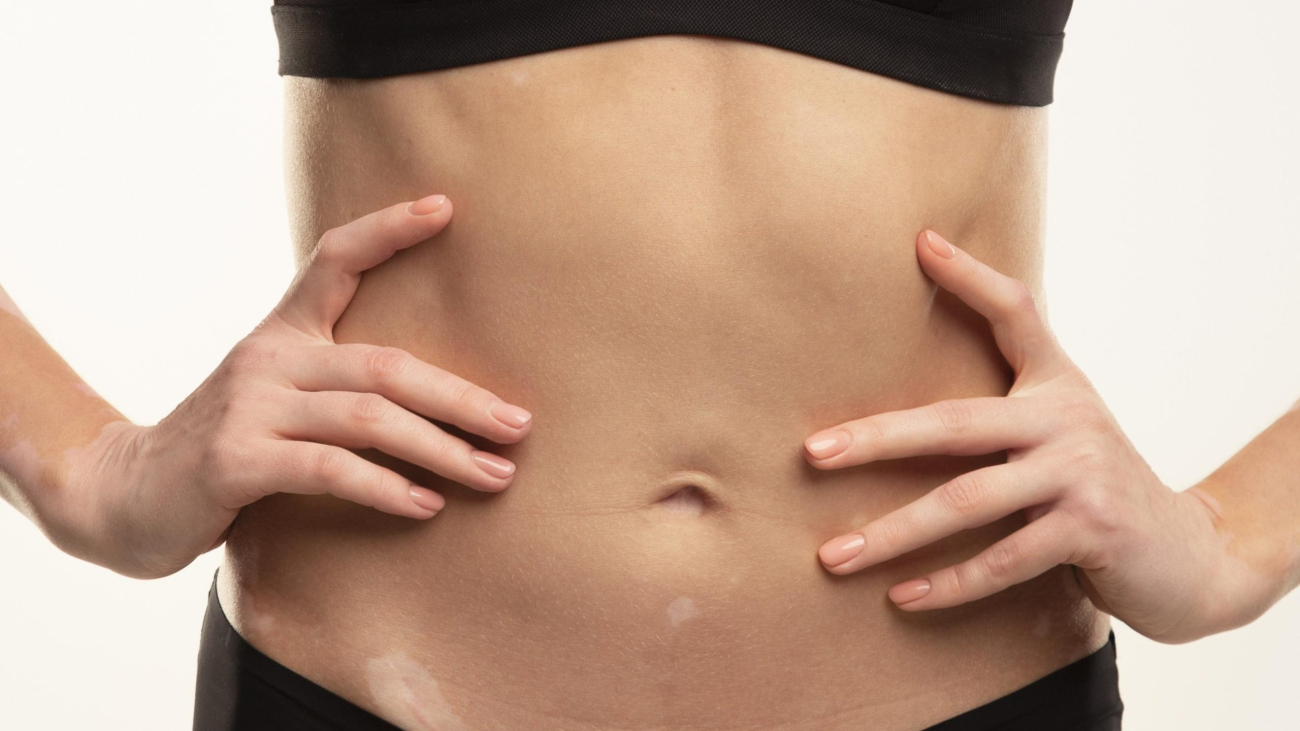
OLYMPUS DIGITAL CAMERA

Mommy Makeover Nutrition Tips for Faster Surgical Healing

Mommy Makeover and Nutrition: Foods That Support Healing


Introduction

 
Recovering from a mommy makeover involves physical and emotional adjustments. Alongside your surgeon’s instructions, nutrition significantly influences how quickly and effectively your body recovers. Consuming nutrient-dense foods supports tissue regeneration, decreases inflammation, and strengthens immune defenses.
 
This article highlights essential nutrients and dietary strategies that promote healing after a mommy makeover. Understanding these principles empowers you to choose meals that facilitate recovery and enhance surgical outcomes.
 
In the sections ahead, you will find detailed information on foods that foster healing and practical tips to maintain a recovery-friendly diet. Prioritizing nutrition is a vital step toward a smoother post-surgery experience.
 

Understanding Mommy Makeover Surgery

 
A mommy makeover typically includes a combination of procedures such as a tummy tuck, breast lift, and liposuction, aimed at restoring body contours after pregnancy. Nutrition plays a key role in supporting the body’s repair process following these surgeries. Consuming adequate amounts of protein, vitamins, and minerals helps meet increased healing demands and supports immune function.
 
Important nutrients include:
 
  • Protein for rebuilding tissues
 
  • Vitamin C to assist collagen synthesis
 
  • Zinc to bolster immune defenses
 
  • Iron for maintaining energy levels
 
  • Healthy fats to modulate inflammation
 
  • Hydration for optimal cellular activity
 
  • Fiber to aid digestion
 
  • Antioxidants to protect against oxidative damage
 
  • Calcium for bone support
 
  • B vitamins for energy production
 
Incorporating these nutrients fosters efficient recovery and enhances the overall results of your mommy makeover.
 

Why Nutrition Is Crucial for Surgical Healing?

 
Nutrition provides the essential components the body needs to repair damaged tissues after surgery. Proteins, vitamins A and C, and minerals like zinc facilitate the regeneration of skin and muscle cells. Antioxidants help minimize inflammation and swelling, improving comfort during recovery. Proper hydration supports circulation and waste elimination, reducing the likelihood of complications. Eating a nutrient-rich diet ensures the body’s healing mechanisms function optimally after your mommy makeover.
 

Key Nutrients for Healing After Mommy Makeover

 
The recovery process depends heavily on specific nutrients that promote tissue repair, reduce inflammation, and enhance immune response. Including these elements in your diet encourages faster healing and better surgical outcomes.
 
  • Protein: Essential for tissue synthesis
 
  • Vitamin A: Encourages skin renewal
 
  • Vitamin C: Critical for collagen development
 
  • Zinc: Strengthens immune defenses
 
  • Iron: Supports energy and prevents anemia
 
  • Omega-3 fatty acids: Help control inflammation
 
  • Vitamin E: Shields cells from oxidative damage
 
  • B vitamins: Facilitate energy metabolism
 
  • Hydration: Maintains cellular health
 
  • Fiber: Supports digestive function
 
Consistent intake of these nutrients contributes to a balanced and effective recovery.
 

Protein-Rich Foods to Include in Your Diet

 
Protein is vital for repairing tissues and supporting immunity following a mommy makeover. Incorporating a variety of protein sources provides essential amino acids necessary for healing and infection prevention. Below is a summary of common protein-rich foods and their benefits:
 
 
Protein Source


Benefits
 
 
Key Nutrients


Lean chicken


Supports muscle regeneration
 
 
High-quality protein, B6


Eggs


Enhances immune health
 
 
Protein, vitamins D & B12


Greek yogurt


Promotes digestive balance
 
 
Protein, probiotics


Lentils


Provides plant-based protein
 
 
Protein, iron, folate


A diverse protein intake ensures you receive a broad spectrum of nutrients essential for recovery.
 

Fruits and Vegetables That Boost Healing

 
Fruits and vegetables abundant in antioxidants and vitamins play an important role in recovery after surgery. Berries such as blueberries and strawberries offer vitamin C and polyphenols that help reduce inflammation and stimulate collagen production. Leafy greens like spinach and kale provide vitamin K and folate, which assist with blood clotting and tissue repair. Bright-colored vegetables, including bell peppers and carrots, supply beta-carotene to support immune function. Incorporating these foods aids in reducing complications and supports overall healing.
 

Hydration and Its Role in Post-Surgery Recovery

 
Maintaining adequate hydration is essential throughout the recovery period. Proper fluid intake helps diminish swelling and facilitates nutrient transport to damaged tissues while assisting in the removal of metabolic waste. To stay hydrated:
 
  • Drink water consistently throughout the day
 
  • Limit sugary and caffeinated drinks
 
  • Consume fluids rich in electrolytes
 
  • Include water-heavy fruits and vegetables
 
  • Avoid or reduce alcohol consumption
 
  • Monitor hydration status by observing urine color
 
Good hydration complements your diet and enhances the healing process.
 

Foods to Avoid During Mommy Makeover Recovery

 
Certain foods can impede healing by increasing inflammation or interfering with nutrient absorption. Steering clear of these helps your body recover more efficiently:
 
  • Highly processed and fried foods
 
  • Sugary treats and beverages
 
  • Excessive caffeine
 
  • Alcohol
 
  • Foods high in sodium
 
  • Large quantities of red meat
 
  • Artificial sweeteners
 
  • Carbonated drinks
 
  • Trans fats
 
  • Refined carbohydrates
 
Choosing wholesome alternatives supports your body’s natural repair mechanisms and promotes better surgical outcomes.
 

Meal Planning Tips for a Balanced Recovery Diet

 
Designing meals to facilitate healing involves combining nutrient-rich ingredients that provide energy and support tissue repair. Include lean proteins such as fish or poultry, whole grains for steady energy, and a variety of colorful vegetables and fruits rich in antioxidants. Healthy fats from sources like avocados and nuts aid cellular regeneration. Ensuring adequate hydration throughout the day enhances nutrient absorption and recovery.
 
Thoughtful meal planning that emphasizes these components helps maintain balanced nutrition and supports your body’s healing needs.
 

Supplements: Are They Necessary After Surgery?

 
While supplements can assist recovery, they are not always necessary if your diet is well-rounded. Consulting with your healthcare provider ensures any supplementation is tailored to your individual requirements. Some supplements known to benefit healing include:
 
  • Vitamin C for collagen synthesis
 
  • Zinc to enhance immune response
 
  • Protein powders to meet increased demands
 
  • Iron for preventing anemia
 
  • Omega-3 fatty acids to reduce inflammation
 
  • Vitamin D for bone strength
 
  • Probiotics to support gut health
 
  • Multivitamins to fill nutritional gaps
 
However, focusing on whole foods and personalized medical advice remains the best strategy for optimal recovery.
 

How Nutrition Impacts Scar Healing and Skin Health?

 
Nutrition significantly influences scar formation and skin quality following surgery. Adequate protein, vitamin C, and zinc intake promote collagen production, which can reduce scar prominence. Antioxidant-rich, hydrating foods protect skin cells and improve elasticity, while omega-3 fatty acids limit inflammation, supporting smoother healing.
 
 
Nutrient


Role in Healing
 
 
Food Sources


Protein


Supports collagen synthesis
 
 
Lean meats, eggs, legumes


Vitamin C


Collagen formation, antioxidant
 
 
Citrus fruits, berries


Zinc


Aids cell repair
 
 
Nuts, seeds, seafood


Omega-3 Fatty Acids


Anti-inflammatory effects
 
 
Fish, flaxseeds, walnuts


Antioxidants


Protect cells from damage
 
 
Dark leafy greens, berries


Proper nutritional support can lead to healthier skin and improved scar outcomes.
 

Managing Common Post-Surgery Symptoms Through Diet

 
Diet plays a key role in alleviating common postoperative symptoms such as swelling, constipation, and fatigue. Including antioxidant-rich fruits and omega-3 fatty acids helps control inflammation and reduce swelling. High-fiber foods support regular bowel movements, preventing constipation. Hydration with water and herbal teas enhances digestion and energy. Protein intake aids tissue repair and combats fatigue. Vitamins like C and zinc further contribute to a comfortable and effective recovery process.
 

Long-Term Nutrition for Maintaining Mommy Makeover Results

 
Sustaining healthy eating habits after your surgery supports lasting results and overall wellbeing. Balanced nutrition provides ongoing tissue maintenance, skin elasticity, and reduced inflammation. Key practices include:
 
  • Consuming sufficient protein for muscle and collagen health
 
  • Including vitamin C to aid immune function and healing
 
  • Adding omega-3 rich foods to control inflammation
 
  • Staying well-hydrated to support cell regeneration
 
  • Eating zinc-rich foods to promote repair
 
  • Incorporating fiber for optimal digestion
 
  • Minimizing processed sugars to reduce inflammatory responses
 
  • Choosing complex carbohydrates for steady energy
 
  • Prioritizing a variety of colorful vegetables for antioxidants
 
  • Avoiding smoking and limiting alcohol to protect skin and overall health
 
These habits help preserve your surgical improvements and enhance your quality of life.
 

Frequently Asked Questions

 
What key nutrients should I focus on to support healing after a mommy makeover? Prioritize protein, vitamin C, zinc, and omega-3 fatty acids, as they are essential for tissue repair, collagen synthesis, immune support, and inflammation reduction.
 
Can specific foods help reduce swelling and inflammation post-surgery? Yes, antioxidant-rich foods like berries, leafy greens, and fatty fish contain compounds that help manage inflammation and promote faster healing.
 
How important is hydration for recovery following a mommy makeover? Hydration is critical for wound healing and toxin elimination. Drinking sufficient water supports circulation and reduces the risk of complications.
 
Are there any foods I should avoid to prevent complications after mommy makeover surgery? Avoid processed foods, excessive sugar, high-sodium items, smoking, and alcohol, as these can increase inflammation and delay healing.
 
How soon after surgery can I resume a normal diet, and should I consider supplements? Most patients can transition to a balanced diet with soft, nutrient-rich foods within a few days. Consult your surgeon before starting supplements to ensure they meet your individual needs.
 
Clinic Wise supports your healing journey with expert guidance and trusted care.
Related Posts
Mommy Makeover: Maternity Aesthetic

The Advantages of Combining treatments: Combining Plastic Surgery treatments can be a great way to save recovery time, save costs, Read more

Enhancing Curves with 360-Degree Body Contouring: The Future of Body Shaping Surgery

What is 360-Degree Body Contouring?360-degree body contouring is an advanced surgical approach that targets multiple areas of the body simultaneously Read more

Understanding the Relationship Between Weight Loss and Body Shaping

What Is Weight Loss? Weight loss refers to the process of reducing overall body weight. This typically involves a combination Read more

2

Hydration and Faster Recovery After Liposuction | Patient Guide

The Role of Hydration in Enhancing Recovery After Liposuction


Introduction

 
Liposuction is a transformative procedure that requires careful attention during recovery to ensure optimal results. One of the most important factors in healing is maintaining adequate hydration. Proper fluid intake helps reduce common postoperative issues such as swelling and bruising, while also supporting the body’s natural repair mechanisms. Like watering a trimmed plant helps it flourish, drinking enough fluids after surgery nurtures your body’s recovery.
 
This article highlights the importance of staying hydrated after liposuction and offers practical advice for meeting your fluid needs. Whether you are undergoing liposuction or assisting someone who is, understanding hydration’s role can improve comfort and speed up healing.
 

Why Hydration Is Crucial After Liposuction?

 
Hydration plays a vital role in facilitating recovery by maintaining fluid balance and promoting efficient circulation. Adequate water intake helps decrease swelling, supports immune defenses, and aids in the removal of anesthesia-related substances and toxins. Key benefits include:
 
  • Improving blood flow to affected areas
 
  • Minimizing postoperative edema
 
  • Preventing complications from dehydration
 
  • Enhancing skin’s ability to regain elasticity
 
  • Supporting electrolyte equilibrium
 
  • Reducing feelings of fatigue
 
  • Assisting lymphatic system function
 
  • Accelerating the healing timeline
 
Consistent hydration lays the groundwork for a comfortable and effective recuperation process following liposuction.
 

How Hydration Supports the Healing Process?

 
Water intake ensures that oxygen and essential nutrients reach damaged tissues efficiently, which is critical for tissue regeneration after liposuction. It also helps clear metabolic waste, reducing inflammation and discomfort. Maintaining hydration preserves skin flexibility, aiding in smooth retraction over treated zones. Prioritizing fluid consumption directly enhances the speed and quality of healing, leading to improved post-surgical outcomes.
 

Signs of Dehydration After Liposuction

 
Identifying dehydration early is crucial to prevent setbacks in recovery. Common symptoms to watch for include:
 
  • Dry mouth or throat
 
  • Dark-colored urine
 
  • Dizziness or lightheadedness
 
  • Low energy or weakness
 
  • Headaches
 
  • Rapid heartbeat
 
  • Muscle cramps
 
  • Reduced urine frequency
 
  • Sunken eyes
 
  • Confusion or mood changes
 
Prompt recognition of these signs allows for timely adjustments in fluid intake, supporting a steady and safe healing process.
 

Recommended Daily Fluid Intake Post-Surgery


Patient Weight (kg)


Recommended Daily Fluid Intake (liters)
 
 
Purpose


Under 60


2.5
 
 
Supports hydration and healing


60 – 80


3.0
 
 
Reduces swelling, aids recovery


80 – 100


3.5
 
 
Enhances circulation, tissue repair


Over 100


4.0
 
 
Promotes detoxification and healing


Best Fluids for Hydration After Liposuction

 
Choosing the right fluids is essential to optimize hydration and recovery. Plain water is the best choice as it replenishes lost fluids without additives. Herbal teas provide antioxidants and have calming effects on the body. Electrolyte beverages help restore mineral balance disrupted during surgery. It is important to avoid drinks with caffeine, sugar, or alcohol, as these can exacerbate dehydration and interfere with healing.
 

Hydration and Swelling Reduction: What You Need to Know?

 
Maintaining adequate hydration supports the body’s mechanisms to reduce swelling after liposuction. Fluids facilitate lymphatic drainage and help prevent fluid accumulation in tissues. Additional hydration benefits include:
 
  • Enhancing nutrient transport to healing areas
 
  • Decreasing inflammation
 
  • Preserving skin tone and elasticity
 
  • Preventing dehydration-related exhaustion
 
  • Accelerating tissue repair
 
Focusing on hydration is a practical approach to controlling swelling and improving postoperative comfort.
 

Hydration’s Role in Managing Pain and Fatigue

 
Hydration significantly influences how patients experience pain and fatigue following liposuction. Proper fluid balance reduces inflammation, which often underlies discomfort. It also helps eliminate toxins that can contribute to feeling unwell. Staying well-hydrated prevents dehydration-related headaches and muscle cramps, fostering better energy levels and a smoother recovery.
 

Tips for Maintaining Hydration When Appetite Is Low?

 
Postoperative nausea or decreased appetite can make drinking fluids difficult. To maintain hydration, try consuming small sips of water or herbal teas regularly rather than large amounts at once. Incorporate hydrating foods like cucumbers, watermelon, or oranges to supplement liquid intake. Using chilled beverages or drinking with a straw may ease swallowing. Avoid sugary or caffeinated drinks that can worsen dehydration.
 

Hydration and Medication: What Patients Should Consider?

 
Fluid intake influences how medications work and how side effects are managed after liposuction. Proper hydration reduces the risk of medication toxicity and supports drug metabolism. Patients should:
 
  • Drink water steadily throughout the day
 
  • Take medications with a full glass of water
 
  • Avoid substances that cause dehydration, such as alcohol or excess caffeine
 
  • Monitor for dehydration symptoms and adjust fluid intake accordingly
 
  • Follow any specific hydration instructions from their healthcare provider
 
Balancing hydration with medication schedules enhances recovery and comfort.
 

When to Contact Your Doctor About Hydration Issues?

 
Certain symptoms related to hydration status after liposuction warrant immediate medical attention. Contact your healthcare provider if you experience:
 
 
Symptom


Description
 
 
Why It Matters


Dizziness


Feeling faint or unsteady
 
 
May indicate low fluid volume


Confusion


Difficulty thinking clearly
 
 
Could signal severe dehydration


Dark Urine


Deep yellow or amber color
 
 
Reflects inadequate hydration


Dry Mouth


Persistent dryness
 
 
Suggests fluid imbalance


Rapid Heartbeat


Elevated pulse rate
 
 
Body compensating for dehydration


Fainting


Loss of consciousness
 
 
Requires urgent evaluation


Swelling Increase


Swelling worsening despite fluids
 
 
Possible fluid retention issue


Early recognition and treatment prevent complications and support recovery.
 

Lifestyle Changes to Support Hydration and Healing

 
Adopting healthy habits enhances hydration and speeds healing after liposuction. Regularly drinking water, avoiding dehydrating beverages, and eating water-rich fruits and vegetables contribute to fluid balance. Additionally, wearing compression garments and allowing ample rest support circulation and reduce swelling. These combined strategies create an environment conducive to effective recovery.
 

Hydration Tracking: Tools and Techniques for Patients

 
Monitoring fluid intake helps patients maintain optimal hydration levels. Useful strategies include:
 
  • Using water bottles with volume markers
 
  • Setting reminders to drink regularly
 
  • Keeping a daily hydration log
 
  • Utilizing mobile apps for tracking
 
  • Observing urine color as a hydration gauge
 
  • Consulting healthcare providers for personalized targets
 
Effective tracking empowers patients to take control of their recovery and reduce postoperative complications.
 

Frequently Asked Questions

 
1. Why is maintaining proper hydration important after liposuction? Adequate hydration supports circulation and fluid balance, reducing swelling and promoting tissue repair for faster healing.
 
2. How much water should I drink daily to support healing after liposuction? Generally, 2 to 4 liters daily depending on body weight is recommended to aid recovery and toxin elimination.
 
3. Can dehydration slow down the recovery process after liposuction? Yes, insufficient fluids can increase inflammation and delay wound healing, prolonging discomfort and recovery time.
 
4. Are there any signs that indicate I need to increase my hydration after surgery? Symptoms such as dark urine, dry mouth, dizziness, or fatigue suggest dehydration and the need to increase fluid intake.
 
5. Besides water, are there other fluids or foods that help with hydration post-liposuction? Herbal teas, electrolyte drinks, and water-rich fruits and vegetables like watermelon and cucumber help maintain hydration effectively.
Related Posts
Liposuction Surgery Body Countring
The Body Contouring Liposuction Surgery

A life-changing plastic surgery journey Are you tired by managing fat that won't go away despite all of your efforts Read more

Arm Lift Surgery or Liposuction?

Being overweight usually results in heavy upper arms, hence loose upper arm skin is most frequently associated with weight loss. Read more

Combining Brazilian Butt Lift (BBL) and 360 Liposuction for An hourglass figure

An hourglass figure can be gained with a Brazilian Butt Lift (BBL). It is possible to reshape the body into Read more

Beautiful young brunette woman waking up in the morning

Impact of Sleep Position on Brazilian Butt Lift Results

How Sleep Position Affects Brazilian Butt Lift Results


Introduction

 
Recovering from a Brazilian Butt Lift (BBL) involves more than just surgery; daily habits like sleep position play a key role in healing and achieving the best results. Patients often wonder whether lying on their back or side could impact their new curves. Choosing the wrong sleep posture might cause discomfort or damage the fat grafts placed during surgery.
 
This article explains how various sleep positions affect recovery and outcomes after a Brazilian Butt Lift. You will learn which postures protect your results, reduce pain, and support proper healing. For instance, sleeping directly on your buttocks can apply harmful pressure, while other positions encourage circulation and prevent swelling.
 
With these straightforward tips, you can confidently adapt your sleep routine to protect your investment and enjoy lasting, natural-looking results.
 

What Is a Brazilian Butt Lift?

 
A Brazilian Butt Lift (BBL) is a cosmetic surgery that enhances the shape and volume of the buttocks using your own fat. Fat is harvested via liposuction from areas such as the abdomen or thighs, processed, and then carefully injected into the buttocks for a natural contour.
 
Knowing the details of this procedure highlights why sleep position is vital during recovery—correct positioning helps ensure the fat grafts survive and your results stay optimal.
 

Why Sleep Position Matters After BBL?

 
The way you sleep after a Brazilian Butt Lift directly affects the survival of the transferred fat. Avoiding pressure on the treated area prevents damage or absorption of fat cells, which is essential for maintaining your new shape.
 
Positions that place weight on the grafted area, such as on your stomach or sides too early, can compress the fat and lead to uneven results. Sleeping on your back or using supportive pillows shields the surgical site and aids healing. Understanding these effects empowers you to protect your outcome and promote lasting success.
 

Recommended Sleep Positions After BBL

 
To preserve your Brazilian Butt Lift results, it’s important to adopt sleep positions that minimize pressure on the buttocks. The following postures align with post-operative care and help you rest comfortably while supporting recovery:
 
  • Sleeping on your stomach with proper cushioning
 
  • Side sleeping with pillows placed between the legs to maintain alignment
 
  • Reclined or inclined positions to reduce direct pressure
 
  • Slight leg elevation to encourage circulation
 
  • Keeping hips aligned to avoid strain
 
  • Using specialized cushions when necessary
 
  • Changing positions gently to avoid discomfort
 
  • Prioritizing comfort while maintaining support
 
  • Following your surgeon’s specific instructions
 
Implementing these positions helps protect your fat grafts by reducing pressure and enhancing blood flow, contributing to a smooth recovery.
 

Sleep Positions to Avoid After BBL

 
Certain sleep habits can jeopardize your healing after a Brazilian Butt Lift by applying harmful pressure or disturbing the surgical area. Avoid these positions to maintain the integrity of your results:
 
  • Sleeping directly on your back without support
 
  • Lying flat on your stomach without cushioning
 
  • Crossing your legs during sleep
 
  • Early side sleeping before approval from your surgeon
 
  • Twisting or rotating hips excessively in bed
 
  • Using overly soft mattresses that fail to support proper alignment
 
  • Placing heavy blankets or weight on your hips
 
  • Failing to elevate hips when recommended
 
  • Keeping knees sharply bent for long periods
 
  • Rolling frequently without adequate support
 
  • Sleeping without pillows between your legs
 
  • Ignoring post-operative sleep guidelines
 
Avoiding these positions reduces risks and helps your body heal undisturbed.
 

How Long Should You Avoid Sleeping on Your Back or Side?

 
It is generally advised to avoid sleeping on your back or side for at least two to three weeks following a Brazilian Butt Lift. This period is critical as pressure on the treated areas can hinder blood flow and fat graft survival.
 
As healing advances, you may gradually return to your preferred positions, but always follow your surgeon’s personalized guidance to ensure optimal recovery and maintain your desired shape.
 

Tips to Maintain Proper Sleep Position Comfortably

 
Adapting to new sleep positions can be challenging, but these tips can make it easier to stay comfortable while protecting your Brazilian Butt Lift:
 
  • Use body pillows to stabilize your position and prevent rolling
 
  • Prefer sleeping on your stomach or sides without putting pressure on your buttocks
 
  • Elevate your upper body slightly using a wedge pillow for comfort
 
  • Wear compression garments as recommended
 
  • Practice positioning during the day to build tolerance
 
  • Move slowly when changing positions to avoid strain
 
  • Keep your bedroom cool and relaxing for better rest
 
  • Opt for supportive mattresses or memory foam toppers
 
  • Follow your surgeon’s tailored sleep advice closely
 
Consistency with these strategies enhances healing and supports your final results.
 

Potential Risks of Incorrect Sleep Positions


Sleep Position


Risk of Fat Loss
 
 
Infection Risk
 
 
Discomfort Level


Sleeping on Stomach


High – pressure harms fat grafts
 
 
Moderate – swelling and irritation possible
 
 
High – surgical area strain


Sleeping on Side


Moderate – uneven pressure may cause asymmetry
 
 
Low – less irritation than stomach position
 
 
Moderate – discomfort on one side


Sleeping on Back


Low – even pressure distribution
 
 
Low – reduces swelling and infection risk
 
 
Low – supports healing and comfort


Choosing the right sleep posture minimizes complications, protects fat grafts, and improves comfort during recovery.
 

How Sleep Position Influences Fat Graft Survival?

 
Certain sleep postures can restrict blood flow to the newly transferred fat cells, reducing their chance to survive. Positions like lying on your back or carefully supported side sleeping minimize direct pressure and help maintain the viability of fat grafts.
 
Avoiding prolonged force on the treated area preserves cell health and accelerates healing, improving the overall success of your Brazilian Butt Lift.
 

Role of Compression Garments in Sleep and Recovery

 
Wearing compression garments overnight supports the shape of your buttocks by applying gentle, consistent pressure. This reduces swelling and stabilizes the tissues to prevent fat graft displacement.
 
Proper garment fit enhances comfort and recovery efficacy. Combining compression wear with safe sleep positions further promotes optimal healing and aesthetic results.
 

Common Patient Challenges With Sleep After BBL

 
Adjusting to new sleep habits post-Brazilian Butt Lift can be difficult. Patients frequently encounter the following challenges:
 
  • Discomfort sleeping on the back
 
  • Urges to lie on the side or stomach prematurely
 
  • Difficulty maintaining elevated hips
 
  • Finding effective pillow support for alignment
 
  • Restlessness due to movement restrictions
 
  • Anxiety about harming the surgical area
 
  • Managing pain while adapting positions
 
  • Limited options for comfortable sleep postures
 
  • Needing specialized cushions or wedges for support
 
Addressing these issues proactively can improve rest quality and protect your surgical outcome.
 

When to Resume Normal Sleep Positions After BBL?

 
Most surgeons advise waiting two to three weeks before returning to usual sleep positions following a Brazilian Butt Lift. During this critical healing phase, supportive stomach or side sleeping with cushions is recommended.
 
Resuming regular postures too soon risks fat graft damage and can alter results. Always adhere to your surgeon’s personalized timeline to ensure the best healing environment.
 

Summary: Best Practices for Sleep and BBL Results

 
Sleep habits greatly affect the healing process and appearance of your Brazilian Butt Lift. To optimize outcomes, follow these key recommendations:
 
  • Sleep on your stomach or side to avoid pressure on the buttocks
 
  • Use specialized pillows to alleviate pressure points
 
  • Avoid sitting or lying on your buttocks for at least two weeks
 
  • Elevate your legs slightly to decrease swelling
 
  • Maintain consistent sleep positions through the night
 
  • Wear compression garments as directed
 
  • Ensure your mattress offers adequate support
 
  • Minimize tossing and turning to prevent unnecessary pressure
 
  • Follow your surgeon’s specific sleep guidelines
 
These practices help preserve your fat grafts, enhance recovery, and support long-lasting results.
 

Frequently Asked Questions

 
1. How does sleep position influence the healing process after a Brazilian Butt Lift? Sleeping incorrectly can exert pressure on transferred fat, risking damage and uneven contour. Experts recommend sleeping on your stomach or sides with proper cushioning to protect the surgical site and promote healing.
 
2. When can I safely start sleeping on my side after a Brazilian Butt Lift? Side sleeping is usually safe after 2 to 3 weeks, depending on individual healing. Follow your surgeon’s instructions to avoid compromising fat grafts during recovery.
 
3. Why is sleeping on your back discouraged after a Brazilian Butt Lift? Sleeping flat on your back can compress the buttocks against the bed, potentially causing fat absorption and asymmetry. Avoid this position for at least 6 weeks to maintain long-term results.
 
4. Are there specific sleep aids or pillows recommended post-Brazilian Butt Lift? Yes. Donut-shaped or wedge pillows help relieve pressure from the buttocks. These aids support proper sleep posture and facilitate healing.
 
5. How can adjusting sleep position improve the final results of my Brazilian Butt Lift? Avoiding pressure on the treated area preserves fat cells and promotes even contouring. Patients who follow tailored sleep advice typically experience better fat retention and a smoother shape.
 
Clinic Wise is dedicated to supporting your safe recovery and achieving optimal outcomes through expert guidance.
Related Posts
About The Recovery Process After Brazilian Butt Lift Surgery

Turkey is a popular destination for BBL surgery operations applied for individuals who want to have a more effective buttocks. Read more

Safe BBL
Fat Survival After SAFE BBL

Acquire the wealth of your goals by identifying yourself with the top of Hollywood, such as Kim Kardashian.When nutrition and Read more

Going to Turkey for SAFE BBL Surgery

Going to Turkey for SAFE BBL Surgery Every step of the SAFE BBL Surgery Process What is SAFE BBL? A Read more

Close up of sexy incognito female model wearing sports black underwear standing, isolated on black studio background. Back view of fit caucasian woman with perfect buttocks posing.

Psychological Preparation for Brazilian Butt Lift Surgery

Psychological Preparation Before Brazilian Butt Lift Surgery


Introduction

 
Undergoing a Brazilian Butt Lift (BBL) surgery is a significant step toward enhancing your body and self-confidence. It’s natural to feel a mix of excitement and nervousness before the procedure. These emotions can influence your surgical experience and recovery, making mental preparation just as important as physical readiness.
 
Psychological preparation helps you manage anxiety and establish realistic expectations about your results. Focusing on gradual progress and healing rather than immediate perfection can reduce stress and build emotional resilience.
 
This article presents practical strategies to calm your mind and maintain positivity before your  BBL surgery , ultimately supporting a smoother recovery and greater satisfaction.
 

Understanding the Psychological Impact of Brazilian Butt Lift Surgery

 
Psychological aspects greatly influence the BBL journey. Patients commonly experience emotional ups and downs, anxiety, and concerns about body image. Acknowledging these feelings allows better management of expectations and emotional responses.
 
Key elements for addressing psychological challenges include:
 
  • Recognizing emotional shifts
 
  • Identifying anxiety triggers
 
  • Communicating openly with your surgeon
 
  • Developing coping mechanisms
 
  • Understanding recovery timelines
 
  • Promoting a healthy body image
 
  • Seeking professional help if necessary
 
  • Practicing relaxation methods
 
  • Connecting with support groups
 
Implementing these approaches can enhance confidence and ease preoperative stress.
 

Setting Realistic Expectations for Your Brazilian Butt Lift Outcome

 
Satisfaction with BBL results largely depends on aligning your expectations with what is medically achievable. Individual anatomy and healing patterns mean outcomes vary, so appreciating gradual improvements helps prevent frustration.
 
Clear dialogue with your surgeon about attainable results fosters trust and helps you mentally prepare for the transformation. This mindset encourages acceptance of your renewed appearance and supports emotional well-being throughout recovery.
 

Effective Anxiety Management Techniques Before BBL Surgery

 
Approaching your BBL surgery with calmness and clarity improves your overall experience. Incorporating anxiety-reducing techniques strengthens mental preparedness and facilitates healing.
 
Helpful practices include:
 
  • Daily deep breathing exercises
 
  • Mindfulness meditation to stay grounded
 
  • Professional counseling for emotional support
 
  • Honest conversations with your surgical team
 
  • Visualizing positive yet realistic outcomes
 
  • Limiting overwhelming or contradictory online information
 
  • Establishing soothing preoperative routines
 
  • Ensuring proper rest and nutrition
 
  • Sharing fears openly
 
  • Reducing caffeine and stimulants
 
  • Utilizing relaxation apps or guided imagery
 
These tools promote a balanced mindset, enabling you to face surgery confidently and with less stress.
 

Building Emotional Resilience Prior to Brazilian Butt Lift

 
Emotional resilience equips you to handle stress and uncertainties linked to BBL surgery and recovery. Strengthening mental readiness through mindfulness, guided relaxation, and transparent communication enhances your coping capacity.
 
 
Strategy


Description
 
 
Benefits
 
 
Recommended Practice


Mindfulness


Concentrating on the present moment
 
 
Decreases anxiety
 
 
Regular meditation sessions


Guided Relaxation


Exercises to ease muscle tension
 
 
Increases calmness
 
 
Deep breathing techniques


Open Communication


Sharing concerns with medical staff
 
 
Builds trust and clarity
 
 
Preoperative consultations


Setting Realistic Goals


Defining achievable expectations
 
 
Avoids disappointment
 
 
Reviewing surgeon’s guidance


Adopting these practices fosters confidence and emotional strength throughout your BBL journey.
 

The Role of Mental Health in Brazilian Butt Lift Recovery

 
Mental health significantly influences post-BBL healing. Patients who maintain emotional balance typically experience reduced anxiety, which can accelerate recovery and enhance comfort.
 
Clear communication and realistic expectations help patients adjust to physical changes more easily. Lower stress levels also support immune function and decrease complication risks. Prioritizing psychological well-being before surgery lays the groundwork for a smoother healing process and greater satisfaction with results.
 

How Visualization and Positive Mindset Influence BBL Success?

 
Mental preparation goes beyond physical readiness by shaping your outlook on surgery and recovery. Visualization techniques and maintaining an optimistic attitude help align your expectations with achievable outcomes, improving emotional stability.
 
Key approaches include:
 
  • Envisioning successful results
 
  • Setting practical goals
 
  • Using daily positive affirmations
 
  • Practicing controlled breathing
 
  • Avoiding negative self-talk
 
  • Preparing mentally for challenges ahead
 
  • Managing anxiety with mindfulness
 
  • Seeking emotional support when needed
 
  • Staying hopeful during recovery
 
  • Being informed about healing timelines
 
These strategies encourage calmness and confidence throughout your BBL experience.
 

Developing a Support System for Emotional Stability Before BBL

 
A dependable support network is invaluable for emotional wellbeing before and after BBL surgery. Surrounding yourself with understanding individuals can help manage anxiety and maintain realistic expectations.
 
Consider the following for building your support system:
 
  • Involving attentive family members
 
  • Sharing your feelings openly
 
  • Engaging encouraging friends
 
  • Seeking professional counseling if necessary
 
  • Joining peer support groups
 
  • Discussing concerns with your surgeon
 
  • Planning for assistance during recovery
 
  • Maintaining honest communication
 
  • Setting achievable recovery milestones
 
  • Practicing relaxation alongside your support network
 
A strong emotional foundation can ease stress and enhance mental readiness.
 

Coping with Pre-Surgical Fears and Uncertainties in BBL Patients

 
Feeling fear and uncertainty before BBL surgery is common. Concerns about anesthesia, surgical results, and recovery are natural but can be managed through mental preparation.
 
Open dialogue with your surgeon and education about the procedure alleviate many worries. Techniques like deep breathing, visualization, and positive affirmations promote calmness. Embracing realistic expectations and trusting your medical team strengthens confidence, leading to a more balanced emotional state before surgery.
 

The Importance of Psychological Evaluation Before Brazilian Butt Lift

 
Psychological assessment is a valuable step in preparing candidates for BBL surgery. It helps identify emotional stability, detect unrealistic expectations, and screen for conditions like anxiety or body dysmorphic disorder.
 
This evaluation allows for early intervention by providing coping strategies and emotional support resources. It also improves patient-surgeon communication and can reduce preoperative stress, contributing to safer procedures and more positive recovery experiences.
 

Stress Reduction Strategies to Enhance BBL Surgical Experience

 
Reducing stress before surgery supports both mental and physical readiness. Incorporating light physical activity, relaxation exercises, and effective time management can ease preoperative tension.
 
 
Strategy


Description
 
 
Benefits


Physical Activity


Gentle workouts such as walking or yoga
 
 
Boosts mood and reduces anxiety


Relaxation Techniques


Deep breathing, meditation
 
 
Calms the nervous system


Time Management


Organizing appointments and rest
 
 
Minimizes last-minute pressure


Together, these practices help you approach your BBL procedure with greater confidence and ease.
 

Preparing Mentally for Post-Surgery Body Image Changes

 
Adjusting to your new body shape after BBL surgery requires psychological preparation. Patients may experience anxiety related to appearance changes, which can impact self-esteem.
 
Using mindfulness, positive self-talk, and setting attainable expectations supports emotional adaptation. Maintaining open communication with your surgical team also fosters reassurance. This mental groundwork promotes acceptance and lasting satisfaction as you recover.
 

Integrating Lifestyle Adjustments to Support Psychological Readiness for BBL

 
Adopting healthy lifestyle habits enhances your psychological readiness for BBL surgery and recovery. Modifications that reduce stress and promote balance contribute to better outcomes.
 
Helpful adjustments include:
 
  • Keeping a regular sleep routine
 
  • Practicing daily mindfulness or meditation
 
  • Eating a balanced diet supportive of brain health
 
  • Limiting caffeine and alcohol consumption
 
  • Engaging in consistent moderate exercise
 
  • Defining realistic postoperative goals
 
  • Maintaining open communication with your surgeon
 
  • Building a supportive social network
 
  • Avoiding negative social media comparisons
 
  • Scheduling relaxation time before surgery
 
These changes reduce anxiety and reinforce mental preparedness, facilitating a smoother surgical experience.
 

Frequently Asked Questions

 
1. What is the importance of mental readiness before a Brazilian Butt Lift surgery? Mental readiness helps establish achievable goals, reduces anxiety, and supports emotional well-being, leading to improved recovery and satisfaction with surgery outcomes.
 
2. How can I manage anxiety before undergoing a Brazilian Butt Lift? Practicing deep breathing, meditation, and discussing concerns with your surgeon can alleviate anxiety. Clear information about the procedure also helps patients feel more in control.
 
3. What should I expect emotionally after a Brazilian Butt Lift? Mood fluctuations and impatience during recovery are normal. Knowing that swelling and bruising are temporary helps manage emotional responses.
 
4. How can setting realistic expectations improve my Brazilian Butt Lift experience? Realistic goals prevent disappointment by aligning your vision with achievable results. Surgeons provide detailed explanations and visuals to aid understanding.
 
5. When should I seek professional support for anxiety related to my surgery? If anxiety disrupts daily life or sleep before or after surgery, consulting a mental health professional is advisable. Early support enhances coping and recovery.
 
Clinic Wise remains dedicated to supporting your psychological and physical well-being throughout your Brazilian Butt Lift journey.
Related Posts
About The Recovery Process After Brazilian Butt Lift Surgery

Turkey is a popular destination for BBL surgery operations applied for individuals who want to have a more effective buttocks. Read more

Safe BBL
Fat Survival After SAFE BBL

Acquire the wealth of your goals by identifying yourself with the top of Hollywood, such as Kim Kardashian.When nutrition and Read more

Going to Turkey for SAFE BBL Surgery

Going to Turkey for SAFE BBL Surgery Every step of the SAFE BBL Surgery Process What is SAFE BBL? A Read more

Portrait of beautiful young woman measuring her figure size with tape measure

Microcirculation and Liposuction Healing: Key Insights

Understanding Microcirculation’s Role in Liposuction Healing


Introduction

 
Liposuction is a widely chosen cosmetic procedure aimed at removing excess fat and reshaping the body. Postoperative symptoms such as swelling and bruising are common and part of the natural healing process. Central to effective recovery is microcirculation, the network of tiny blood vessels responsible for supplying oxygen and nutrients to skin and underlying tissues.
 
Think of your body as a city where blood vessels act as roads delivering essential supplies. When this network operates smoothly, wounds heal faster, inflammation decreases, and scarring is minimized. Conversely, poor blood flow can delay healing and prolong swelling.
 
This article explores how microcirculation influences tissue repair after liposuction and offers practical advice to support vascular health and enhance recovery.
 

The Critical Role of Microcirculation in Liposuction Wound Healing

 
Healing after liposuction depends heavily on the efficient function of microcirculation. These small vessels provide oxygen and nutrients directly to injured tissues and facilitate the removal of cellular waste, which accelerates tissue regeneration. Maintaining good vascular health through hydration, nutrition, and gentle activity can significantly improve blood flow and speed recovery.
 
Understanding this process empowers patients to adopt habits that support natural healing and achieve better postoperative outcomes.
 

How Microvascular Networks Influence Post-Liposuction Tissue Repair?

 
The microvascular system delivers essential oxygen and nutrients required for rebuilding damaged tissues following liposuction. It also plays a key role in clearing metabolic waste, thereby reducing inflammation. Promoting vascular health with adequate hydration and balanced nutrition helps optimize this repair mechanism.
 
Awareness of microvascular function underscores the importance of postoperative care strategies focused on maintaining healthy circulation for enhanced healing.
 

Enhancing Microcirculation to Accelerate Recovery After Liposuction

 
Boosting microcirculation supports tissue repair and helps alleviate swelling after liposuction. Increasing blood flow ensures tissues receive vital oxygen and nutrients. Effective ways to enhance circulation include:
 
  • Gentle massage to stimulate vessels
 
  • Light exercise to improve blood flow
 
  • Staying well hydrated
 
  • Elevating limbs to reduce fluid retention
 
  • Applying warm compresses to dilate vessels
 
  • Avoiding smoking to protect vessel health
 
  • Eating a balanced diet rich in nutrients
 
  • Using compression garments to aid circulation
 
  • Getting sufficient rest
 
  • Wearing loose clothing to prevent constriction
 
Implementing these approaches fosters efficient microvascular function and promotes faster healing.
 

The Interaction Between Microcirculation and Lymphatic Drainage in Healing

 
Microcirculation and the lymphatic system work together to facilitate recovery after liposuction. While blood vessels deliver oxygen and nutrients, lymphatic drainage removes excess fluids and metabolic waste, helping to control swelling and inflammation.
 
Supporting both systems through hydration and gentle movement enhances their synergy, resulting in more effective tissue repair and reduced postoperative discomfort.
 

Impact of Compression Garments on Microcirculatory Function Post-Liposuction

 
Compression garments play a significant role in supporting microcirculation after liposuction. By applying consistent pressure, they improve blood flow and limit fluid buildup, which reduces swelling and accelerates healing.
 
These garments help maintain oxygen and nutrient delivery, prevent bruising and edema, and stabilize treated areas. Key advantages include:
 
  • Enhanced microcirculatory blood flow
 
  • Effective edema reduction
 
  • Improved tissue oxygenation
 
  • Lower risk of hematoma formation
 
  • Support for lymphatic drainage
 
  • Maintenance of skin contour
 
  • Increased removal of cellular waste
 
  • Greater comfort and pain reduction
 
Consistent use of compression garments maximizes these benefits, promoting a smoother recovery.
 

Microcirculatory Changes and Their Effect on Inflammation Control After Surgery

 
Regulation of inflammation after liposuction is closely linked to microcirculatory function. Adequate blood flow delivers oxygen and nutrients needed to clear inflammatory substances, helping limit swelling and discomfort. When microcirculation is impaired, inflammation may persist, delaying healing.
 
Supporting vascular health through hydration, massage, and avoiding harmful habits like smoking can improve inflammation control. The following table outlines key microcirculatory factors affecting inflammation and healing:
 
 
Factor


Role in Inflammation Control
 
 
Effect on Healing


Capillary Blood Flow


Transports oxygen and nutrients
 
 
Enhances tissue regeneration


Vascular Permeability


Manages fluid movement
 
 
Regulates swelling


Endothelial Function


Preserves vessel integrity
 
 
Prevents excessive inflammation


Lymphatic Drainage


Clears waste and excess fluids
 
 
Minimizes edema


Strategies to Support Microcirculation for Optimal Scar Tissue Prevention

 
Promoting healthy microcirculation after liposuction helps minimize scar formation by ensuring efficient nutrient delivery to healing tissues. Lifestyle and topical measures that aid vascular health include:
 
  • Maintaining good hydration
 
  • Applying gentle massage techniques
 
  • Using topical agents such as vitamin E or arnica
 
  • Avoiding smoking to prevent vessel constriction
 
  • Engaging in recommended light physical activity
 
  • Consuming a diet rich in antioxidants
 
  • Protecting skin from excessive sun exposure
 
  • Adhering to postoperative care instructions
 
  • Monitoring for signs of impaired circulation or infection
 
Together, these methods support smooth recovery with reduced scarring.
 

The Relationship Between Microcirculation and Immune Response in Liposuction Healing

 
Microcirculation enhances immune function by facilitating the delivery of immune cells to treatment areas. Adequate blood flow strengthens the body’s defense against infection and supports tissue regeneration through efficient oxygen and nutrient supply.
 
Patients can bolster this process by maintaining hydration, engaging in gentle movement, and eating properly, all of which sustain vascular health and immune competence.
 

Nutritional Interventions to Promote Microvascular Health Post-Liposuction

 
Nutrition plays a pivotal role in repairing microvascular networks after liposuction. Consuming key nutrients supports blood vessel regeneration and reduces inflammation, aiding recovery:
 
  • Vitamin C for collagen formation
 
  • Omega-3 fatty acids to mitigate inflammation
 
  • Zinc to enhance immune response
 
  • Protein to rebuild tissues
 
  • Flavonoids for capillary strength
 
  • Vitamin E as an antioxidant
 
  • Adequate hydration for blood volume
 
  • Iron to facilitate oxygen transport
 
  • B vitamins for energy metabolism
 
  • Various antioxidants to protect cells
 
Incorporating these into a balanced diet fosters efficient microcirculation and expedites healing.
 

Advanced Therapies Targeting Microcirculation for Improved Liposuction Outcomes

 
Emerging therapies aim to enhance microcirculation and improve post-liposuction healing. Techniques such as laser therapy and hyperbaric oxygen treatments increase blood flow and promote tissue regeneration by stimulating capillary growth and reducing inflammation.
 
Other modalities include therapeutic massage to support lymphatic drainage and electrical stimulation to activate endothelial cells. These interventions can be integrated into postoperative care to optimize recovery and patient satisfaction.
 
 
Therapy Type


Mechanism
 
 
Benefits


Laser Therapy


Enhances microvascular circulation
 
 
Improves oxygen delivery


Hyperbaric Oxygen


Raises blood oxygen levels
 
 
Speeds wound healing


Therapeutic Massage


Facilitates lymphatic flow
 
 
Reduces swelling, enhances flow


Electrical Stimulation


Stimulates endothelial activity
 
 
Supports capillary repair


The Effect of Surgical Techniques on Microcirculatory Integrity During Liposuction

 
The method used during liposuction influences microcirculatory preservation. Techniques that minimize trauma to small blood vessels maintain better oxygen and nutrient supply, promoting quicker healing.
 
Conversely, more invasive approaches may damage these vessels, prolonging recovery and increasing risks. Selecting surgical methods that protect vascular structures supports faster tissue repair and improved outcomes.
 

Monitoring Microcirculation: A Key Indicator for Successful Post-Liposuction Recovery

 
Evaluating microcirculation post-liposuction provides valuable insight into healing progress. Effective blood flow ensures delivery of oxygen and nutrients while facilitating waste removal, guiding treatment adjustments.
 
Common monitoring tools include:
 
  • Non-invasive imaging
 
  • Capillary refill time measurement
 
  • Skin temperature assessment
 
  • Laser Doppler flowmetry
 
  • Ultrasound blood flow evaluation
 
  • Visual inspection of wound color and texture
 
  • Observing swelling and bruising patterns
 
These assessments help customize care plans, ensuring optimized vascular health and enhanced recovery.
 

Frequently Asked Questions

 
What is microcirculation and why is it important after liposuction? Microcirculation involves blood flow through the smallest vessels, critical for delivering oxygen and nutrients to support tissue repair and promote healing after liposuction.
 
How does improving microcirculation benefit my liposuction recovery? Enhanced blood flow reduces swelling and bruising, accelerates waste removal, and provides essential oxygen, leading to faster tissue regeneration and less discomfort.
 
What strategies can I use to support vascular health after liposuction? Maintaining hydration, engaging in gentle movement, wearing compression garments as advised, avoiding smoking, and following postoperative guidance help sustain healthy microcirculation.
 
Can poor microcirculation delay my liposuction healing process? Yes, insufficient blood flow slows healing by limiting nutrient delivery and waste clearance, increasing swelling and prolonging recovery.
 
Are there medical treatments that enhance microcirculation after liposuction? Certain therapies like low-level laser treatment and specialized massage can stimulate microcirculation, promoting tissue repair and shortening recovery time.
 
Clinic Wise remains committed to excellence by integrating advanced knowledge of microcirculation to support effective liposuction recovery.
Related Posts
Liposuction Surgery Body Countring
The Body Contouring Liposuction Surgery

A life-changing plastic surgery journey Are you tired by managing fat that won't go away despite all of your efforts Read more

Arm Lift Surgery or Liposuction?

Being overweight usually results in heavy upper arms, hence loose upper arm skin is most frequently associated with weight loss. Read more

Combining Brazilian Butt Lift (BBL) and 360 Liposuction for An hourglass figure

An hourglass figure can be gained with a Brazilian Butt Lift (BBL). It is possible to reshape the body into Read more

Take care of yourself and your body

How Sleep Quality Affects Recovery After Mommy Makeover Surgery

The Impact of Sleep Quality on Mommy Makeover Recovery


Introduction

 
Recovering from a mommy makeover surgery often involves managing pain, swelling, and fatigue, which can make daily tasks challenging. A key factor that many overlook during this period is sleep quality. Sleep acts as a vital time when the body focuses on repairing tissues, reducing inflammation, and restoring energy. Ensuring restful sleep can shorten recovery time and improve your overall experience. This article highlights how enhancing sleep can support your healing journey and offers practical advice to foster better rest after surgery.
 

The Role of Sleep Quality in Accelerating Mommy Makeover Recovery

 
Sleep is integral to the recovery process after a mommy makeover. It facilitates tissue repair, lowers inflammation, and strengthens the immune response, all of which contribute to faster healing. Patients who maintain good sleep habits often experience reduced pain and swelling, smoother recovery, and improved mental well-being. Prioritizing restful sleep supports hormonal balance and energy renewal, minimizing stress and enhancing circulation to promote optimal healing.
 

How Poor Sleep Impacts Pain Management Post Mommy Makeover?

 
Insufficient sleep can worsen pain perception following surgery, making discomfort harder to control. Lack of rest delays tissue repair and prolongs inflammation, often leading to increased dependence on pain medication. By focusing on improving sleep quality, patients can bolster their immune defenses and reduce pain sensitivity, facilitating a more comfortable and efficient recovery process.
 

Optimal Sleeping Positions to Enhance Healing After Mommy Makeover Surgery

 
Adopting appropriate sleep positions helps protect surgical areas and eases discomfort during recovery. Recommendations include sleeping on the back with knees elevated, using wedge pillows to keep the upper body raised, and avoiding stomach sleeping to prevent pressure on sensitive sites. Supporting the body with pillows for stability and maintaining proper spine alignment also contribute to better rest and accelerated healing.
 

The Relationship Between Sleep and Immune Function During Recovery

 
Restorative sleep plays a crucial role in strengthening the immune system after a mommy makeover. It boosts white blood cell production and regulates inflammatory responses, which are essential for preventing infections and promoting tissue repair. Maintaining consistent, quality sleep supports these immune functions, contributing to improved surgical outcomes and a smoother healing experience.
 
 
Sleep Factor


Immune Benefit
 
 
Recovery Impact


Deep Sleep Duration


Increases white blood cells
 
 
Lowers infection risk


Sleep Consistency


Regulates immune balance
 
 
Controls inflammation


Sleep Environment


Encourages restorative rest
 
 
Speeds tissue healing


Sleep Quality


Enhances antibody production
 
 
Supports overall recovery


Sleep-Induced Mood Improvements and Their Effect on Post-Surgical Healing

 
Quality sleep positively influences mood and reduces stress, which are important for post-surgical recovery. Better mood regulation supports hormonal balance, aiding tissue repair and immune function. Reduced stress helps lower inflammation, creating conditions favorable for healing. Optimizing sleep contributes to a smoother recovery and reduces the likelihood of complications.
 

Addressing Insomnia Sleep Challenges After Mommy Makeover Procedures

 
Post-surgery discomfort, anxiety, and environmental changes frequently lead to sleep disturbances such as insomnia. Common triggers include pain, medication side effects, hormonal shifts, and difficulty finding comfortable positions. Recognizing and managing these factors is essential to restore healthy sleep patterns, which in turn supports tissue healing and shortens recovery duration.
 

Practical Tips for Achieving Restorative Sleep After Mommy Makeover

 
Establishing routines and creating a conducive sleep environment are key to improving rest quality during recovery. Suggestions include maintaining regular sleep and wake times, limiting screen exposure before bed, and avoiding stimulants like caffeine in the evening. Using supportive pillows, practicing relaxation methods, and following your surgeon’s advice regarding sleep positions can enhance comfort and promote deeper, more restorative sleep.
 

The Connection Between Sleep Quality and Scar Healing Post Mommy Makeover

 
During deep sleep, the body releases hormones that aid in tissue regeneration and reduce inflammation, which are crucial for healthy scar formation. Good sleep supports collagen production, helping prevent thick or raised scars. Consistent sleep hygiene contributes to smoother scar healing and a more aesthetically pleasing recovery.
 

Using Sleep Hygiene to Minimize Swelling and Inflammation After Surgery

 
Adhering to healthy sleep habits helps control swelling and inflammation after a mommy makeover. Regular sleep schedules, a calm and dark bedroom environment, and avoiding stimulants before bedtime promote better rest. Elevating the upper body during sleep and using pillows to reduce pressure on surgery sites further assist in minimizing swelling and accelerating healing.
 

How Sleep Affects Energy Levels and Physical Rehabilitation After Mommy Makeover?

 
Adequate sleep restores energy and supports participation in physical rehabilitation post-surgery. It enables hormonal regulation and tissue repair that are essential for recovery. Poor sleep can cause fatigue and hinder motivation for necessary physical activity, potentially delaying healing. Prioritizing consistent, quality sleep improves stamina and engagement in therapy, enhancing overall recovery outcomes.
 
 
Factor


Impact on Recovery
 
 
Recommendation


Sleep Duration


Supports tissue repair
 
 
Aim for 7-9 hours nightly


Sleep Quality


Promotes hormonal balance
 
 
Minimize disruptions


Energy Levels


Increases physical stamina
 
 
Maintain regular sleep routines


Physical Therapy


Enhances participation
 
 
Schedule therapy after rest


Elevation and Sleep Techniques to Reduce Post-Operative Discomfort

 
Elevating the upper body during sleep reduces swelling and improves circulation, aiding recovery. Using pillows to maintain a reclined yet comfortable position prevents unnecessary pressure on operated areas. Combining proper elevation with recommended sleep positions reduces discomfort and supports the body’s healing processes effectively.
 

The Importance of Sleep Monitoring and Consultation with Your Plastic Surgeon

 
Keeping track of your sleep patterns after surgery enables your plastic surgeon to provide personalized guidance. Monitoring factors such as sleep duration, interruptions, and positions helps identify issues that could slow healing. Open communication about sleep quality supports safer pain management strategies and enhances recovery outcomes.
 
  • Record sleep hours and disturbances
 
  • Share details about sleep positions and comfort
 
  • Discuss any sleep-related concerns or medications
 
  • Follow surgeon’s recommendations closely
 
  • Use sleep diaries or tracking apps to provide accurate information
 
Maintaining dialogue regarding sleep ensures tailored care and promotes optimal healing.
 

Frequently Asked Questions

 
1. How does sleep quality affect healing after a mommy makeover surgery? Restful sleep supports the body’s repair mechanisms by reducing inflammation and strengthening the immune system, leading to faster healing and less discomfort.
 
2. What are the best sleep positions to promote recovery after a mommy makeover? Sleeping on your back with proper support, such as pillows under the knees and head elevation, helps reduce pressure on surgical areas and improve circulation.
 
3. How many hours of sleep should I aim for during mommy makeover recovery? Aim for 7 to 9 hours of uninterrupted sleep each night to support tissue repair and overall recovery.
 
4. Can poor sleep quality delay my mommy makeover recovery? Yes, inadequate sleep can prolong inflammation and pain, slowing down the healing process.
 
5. What practical tips can improve sleep quality after mommy makeover surgery? Maintain a consistent sleep schedule, avoid caffeine late in the day, create a dark and quiet sleeping environment, and follow your surgeon’s sleep position guidelines.
Related Posts
Mommy Makeover: Maternity Aesthetic

The Advantages of Combining treatments: Combining Plastic Surgery treatments can be a great way to save recovery time, save costs, Read more

Enhancing Curves with 360-Degree Body Contouring: The Future of Body Shaping Surgery

What is 360-Degree Body Contouring?360-degree body contouring is an advanced surgical approach that targets multiple areas of the body simultaneously Read more

Understanding the Relationship Between Weight Loss and Body Shaping

What Is Weight Loss? Weight loss refers to the process of reducing overall body weight. This typically involves a combination Read more

Woman receiving abdomen massage in spa wellness center. Beauty and Aesthetic concepts.

Liposuction and Lymphatic Health: Optimal Fluid Drainage Tips

Liposuction and Lymphatic Health: Promoting Fluid Drainage


Introduction

 
Liposuction is a popular surgical method aimed at reshaping the body by removing excess fat. Postoperative swelling or fluid accumulation can occur because this procedure may temporarily impact the lymphatic system, which naturally clears fluids and supports immune defense. Think of the lymphatic system as a network that gently transports excess fluid away from tissues to maintain balance.
 
To ensure a comfortable recovery, it is important to support lymphatic health after liposuction. Strategies like wearing compression garments and gentle massage help stimulate lymph flow. Additionally, staying hydrated and maintaining regular movement assist the lymphatic system in functioning optimally, which reduces swelling and accelerates healing.
 
This article highlights practical methods and lifestyle recommendations designed to support lymphatic function and lessen postoperative swelling. Whether preparing for or recovering from surgery, these insights help promote smoother healing and minimize complications.
 

The Impact of Liposuction on Lymphatic System Function

 
During liposuction, fat deposits beneath the skin are removed, which can disrupt the delicate lymphatic vessels and nodes responsible for fluid transport. This disruption may lead to temporary swelling due to fluid retention in the treated areas. Recognizing how liposuction affects the lymphatic system enables patients to better anticipate postoperative changes.
 
Applying supportive measures such as gentle massage and compression therapy, combined with appropriate lifestyle adjustments, encourages effective lymph drainage. This approach helps reduce swelling and discomfort, facilitating a more comfortable recovery.
 

Essential Strategies to Promote Lymphatic Health After Liposuction

 
Maintaining lymphatic health post-liposuction is key to minimizing swelling and aiding tissue repair. Patients are encouraged to adopt gentle habits that enhance circulation without causing strain.
 
  • Use compression garments consistently
 
  • Engage in light, regular walking
 
  • Drink sufficient water daily
 
  • Avoid restrictive clothing that impedes lymph flow
 
  • Perform gentle lymphatic massage when appropriate
 
  • Elevate limbs during periods of rest
 
  • Follow a balanced diet rich in anti-inflammatory foods
 
  • Limit salt consumption
 
  • Break up long periods of sitting or standing
 
  • Prioritize restful sleep
 
Together, these practices support lymphatic drainage and promote a smoother healing experience.
 

How Lymphatic Drainage Massage Enhances Fluid Drainage Post-Liposuction?

 
Lymphatic drainage massage is a gentle technique that activates lymph vessels to encourage fluid movement after liposuction. By reducing localized swelling and preventing fluid accumulation, this method enhances recovery and comfort. Patients incorporating this massage often notice quicker resolution of postoperative edema.
 
Supporting lymphatic function further involves lifestyle habits such as maintaining hydration and engaging in mild physical activity. These complementary actions optimize fluid drainage, improve skin quality, and foster more comfortable healing.
 

Timing and Frequency of Lymphatic Massage for Optimal Recovery

 
Initiating lymphatic massage at the right time and maintaining an appropriate schedule are critical for its effectiveness after liposuction. A typical regimen includes:
 
  1. Start massage 24 to 48 hours post-surgery to limit fluid buildup
 
  1. Attend 3 to 5 sessions weekly during the first two weeks
 
  1. Each session should last about 20 to 30 minutes
 
  1. Gradually decrease frequency to 1 or 2 sessions per week thereafter
 
  1. Continue massages for 4 to 6 weeks to support ongoing lymphatic activity
 
  1. Combine with gentle movements and adequate hydration
 
  1. Use light pressure to avoid tissue damage
 
  1. Adjust the plan according to specialist advice
 
Adhering to these guidelines maximizes circulation, reduces swelling, and supports a smoother healing process.
 

Combining Compression Garments and Lymphatic Health for Better Outcomes

 
Compression garments apply controlled pressure that promotes lymphatic flow and helps prevent excessive swelling after liposuction. This external support complements the body’s natural healing, enhancing comfort during recovery. Effective use involves:
 
  • Wearing garments consistently as recommended
 
  • Selecting correctly sized garments for optimal pressure
 
  • Avoiding overly tight garments that restrict circulation
 
  • Staying hydrated to maintain lymphatic flow
 
  • Elevating treated areas when resting to assist drainage
 
  • Engaging in gentle movements to stimulate circulation
 
  • Following surgeon’s instructions carefully
 
  • Monitoring skin for any irritation or adverse reactions
 
  • Replacing garments according to guidelines
 
  • Combining with lymphatic massage when appropriate
 
These combined measures facilitate efficient fluid drainage and improve postoperative outcomes.
 

Natural Ways to Support Lymphatic Function During Liposuction Healing

 
Simple, natural approaches can enhance lymphatic flow and support recovery after liposuction.
 
  • Maintain good hydration to assist fluid transport
 
  • Consume antioxidant-rich and healthy fats-containing foods
 
  • Incorporate gentle activities such as walking or stretching
 
  • Use compression garments as advised
 
  • Reduce salt intake to minimize fluid retention
 
  • Practice deep breathing exercises to stimulate lymph movement
 
  • Elevate limbs periodically to encourage drainage
 
  • Apply gentle massage under professional guidance
 
  • Limit caffeine and alcohol consumption to prevent dehydration
 
  • Follow a balanced diet abundant in fruits and vegetables
 
These habits empower the body’s lymphatic system to effectively manage fluid balance and promote healing.
 

Managing Swelling and Fluid Retention Through Lymphatic Care

 
Controlling swelling and fluid retention after liposuction requires focused lymphatic support. Techniques and lifestyle adaptations that encourage fluid drainage help reduce discomfort and improve recovery quality.
 
Key recommendations include:
 
  • Gentle massage to activate lymph flow
 
  • Consistent use of compression garments
 
  • Elevating treated areas to prevent fluid pooling
 
  • Staying well hydrated
 
  • Engaging in light physical activity
 
  • Limiting salt consumption
 
  • Performing deep breathing exercises
 
  • Attending scheduled medical follow-ups
 
Implementing these strategies supports lymphatic drainage and assists in controlling postoperative swelling effectively.
 

Professional vs At-Home Lymphatic Drainage Techniques After Liposuction

 
Both professional and at-home lymphatic drainage methods have roles in postoperative care. Professional therapy offers precision and expertise, while at-home techniques provide convenience for daily maintenance. When combined with supportive lifestyle habits, these approaches optimize lymphatic function.
 
 
Aspect


Professional Therapy
 
 
At-Home Massage
 
 
Lifestyle Support


Expertise


Specialized therapists apply precise methods
 
 
Self-administered, less precise
 
 
Daily healthy habits


Pressure Control


Carefully regulated to patient needs
 
 
Variable, requires caution
 
 
Balanced diet and hydration


Effectiveness


Accelerates reduction of swelling
 
 
Maintains fluid movement
 
 
Regular gentle exercise


Accessibility


Requires appointments, may involve costs
 
 
Easily performed at home
 
 
Ongoing lifestyle commitment


Integrating these methods provides comprehensive support for lymphatic recovery.
 

Preventing Scar Tissue Formation by Supporting Lymphatic Flow

 
Proper lymphatic drainage plays a vital role in minimizing scar tissue development after liposuction. Efficient fluid removal reduces swelling and fibrosis risk, promoting better skin texture and tissue healing.
 
Effective strategies include:
 
  • Gentle massage to stimulate lymph flow
 
  • Consistent use of compression garments
 
  • Regular light exercise to enhance circulation
 
  • Maintaining hydration and a nutritious diet
 
Together, these measures encourage healthy tissue remodeling and reduce postoperative complications.
 

Advanced Therapies to Boost Lymphatic Drainage Post-Surgery

 
Several advanced therapies can assist lymphatic function following liposuction, complementing traditional methods to improve swelling and recovery.
 
  • Pneumatic compression devices deliver rhythmic pressure to stimulate fluid movement
 
  • Laser therapy reduces inflammation and supports vessel health
 
  • Manual lymphatic drainage by trained therapists targets lymph nodes directly
 
  • Hydration optimizes fluid balance
 
  • Light exercise enhances circulation safely
 
  • Compression garments prevent fluid buildup through sustained pressure
 
  • Anti-inflammatory diet supports immune function
 
  • Elevating limbs aids gravitational drainage
 
Employing these interventions forms a comprehensive recovery plan that promotes efficient fluid clearance.
 

Lifestyle Adjustments to Maintain Lymphatic Health After Liposuction

 
Incorporating daily habits that nurture lymphatic health is essential to support fluid drainage and reduce swelling post-liposuction. These adjustments protect recovery progress and sustain lymphatic function.
 
Recommended practices include:
 
  • Drinking ample water
 
  • Wearing compression garments as directed
 
  • Taking gentle walks regularly
 
  • Performing light stretching exercises
 
  • Avoiding tight clothes that impede lymph flow
 
  • Elevating treated areas during rest
 
  • Practicing deep breathing techniques
 
  • Moderating salt intake
 
  • Attending follow-up appointments
 
  • Using self-massage to encourage drainage
 
  • Eating a diet rich in antioxidants
 
  • Breaking up long periods of sitting or standing
 
Consistent application of these behaviors promotes effective lymphatic circulation and aids healing.
 

Monitoring and Assessing Lymphatic Recovery for Long-Term Success

 
Ongoing observation of lymphatic recovery helps detect potential issues and ensures proper healing after liposuction. Patients should be attentive to subtle changes and maintain habits that support fluid drainage.
 
Key monitoring tips include:
 
  • Checking for daily changes in swelling
 
  • Observing skin color and texture
 
  • Noting variations in sensation
 
  • Recording any pain or discomfort
 
  • Watching treated areas for fluid accumulation
 
  • Continuing gentle massage routines
 
  • Using compression garments as prescribed
 
  • Staying hydrated and active
 
  • Avoiding restrictive clothing
 
  • Scheduling regular medical reviews
 
  • Reporting unusual symptoms promptly
 
This proactive approach supports sustained lymphatic health and long-term recovery success.
 

Frequently Asked Questions

 
What is the role of the lymphatic system after liposuction? The lymphatic system clears excess fluid and waste from tissues. After liposuction, it is essential for reducing swelling and supporting the healing process.
 
How can I support my lymphatic health following liposuction? Wearing compression garments and engaging in gentle activities like walking promote effective lymphatic drainage and reduce swelling.
 
Are there lifestyle changes that help reduce swelling after liposuction? Yes, staying hydrated, eating a low-sodium diet, and avoiding prolonged sitting or standing help maintain proper lymph flow and minimize swelling.
 
Can specific techniques improve lymphatic drainage after surgery? Manual lymphatic drainage performed by a trained therapist can stimulate lymph flow. When combined with compression therapy, it often accelerates recovery.
 
When should I contact my doctor about swelling after liposuction? Seek medical advice if swelling worsens, becomes painful, or is accompanied by redness or fever, as these may indicate complications requiring evaluation.
 
Clinic Wise ensures the highest standards of care and guidance for your post-liposuction recovery.
Related Posts
Liposuction Surgery Body Countring
The Body Contouring Liposuction Surgery

A life-changing plastic surgery journey Are you tired by managing fat that won't go away despite all of your efforts Read more

Arm Lift Surgery or Liposuction?

Being overweight usually results in heavy upper arms, hence loose upper arm skin is most frequently associated with weight loss. Read more

Combining Brazilian Butt Lift (BBL) and 360 Liposuction for An hourglass figure

An hourglass figure can be gained with a Brazilian Butt Lift (BBL). It is possible to reshape the body into Read more

Beautiful girl in yoga studio. A woman doing a yoga. Lady in a pink top.

Posture Correction to Enhance Brazilian Butt Lift Results

Posture Correction’s Role in Enhancing Brazilian Butt Lift Results


Introduction

 
Undergoing a Brazilian Butt Lift (BBL) is an exciting step toward achieving a more contoured and attractive silhouette. However, the longevity and symmetry of these results can be influenced by your posture. Improper posture places uneven pressure on the buttocks, potentially causing faster loss of shape or uneven results. Just as a plant requires support to grow upright, your body benefits from correct posture to maintain the surgical enhancements. This article explores how focusing on posture correction before and after your BBL can promote balance, enhance comfort, and improve the overall aesthetic outcome.
 

The Impact of Posture Correction on Brazilian Butt Lift Longevity

 
Maintaining correct posture is essential for preserving the results of a Brazilian Butt Lift. Adjusting how you sit, stand, and move reduces undue pressure on the transplanted fat, minimizing tissue stretching and deformation. Key benefits of posture correction include:
 
  • Even distribution of weight across the buttocks
 
  • Lower risk of asymmetrical results
 
  • Support for natural spinal and pelvic alignment
 
  • Improved circulation to aid healing
 
  • Enhanced muscle balance around the hips
 
  • Reduced discomfort during daily activities
 
  • Prevention of early sagging or shape loss
 
By prioritizing posture, patients can enjoy long-lasting, balanced results with greater comfort.
 

How Improved Posture Enhances Brazilian Butt Lift Aesthetics?

 
Balanced body alignment achieved through posture correction helps highlight the enhanced curves created by a Brazilian Butt Lift. Proper posture encourages symmetrical shaping by distributing weight evenly, which reduces strain on muscles and soft tissues. This support contributes to a more natural silhouette and increased confidence in one’s appearance. Patients who maintain good posture often notice improved comfort and durability in their results.
 

Role of Core Strengthening in Supporting BBL Results

 
A strong core stabilizes the pelvis and spine, which is fundamental for maintaining posture and supporting the surgical changes from a Brazilian Butt Lift. Targeted core exercises help patients strengthen the muscles that hold the body upright, reducing strain on the buttocks. Recommended exercises include:
 
  • Pelvic tilts
 
  • Bridges
 
  • Planks
 
  • Bird dogs
 
  • Dead bugs
 
  • Side planks
 
  • Leg raises
 
  • Seated marches
 
  • Cat-cow stretches
 
  • Wall sits
 
These movements promote postural stability, aiding in recovery and enhancing the longevity of BBL results.
 

Posture Alignment Techniques to Maximize Brazilian Butt Lift Benefits:

 
Effective posture alignment protects and optimizes Brazilian Butt Lift outcomes by reducing undue pressure on augmented areas. Implementing ergonomic and mindful habits supports natural body curves and improves comfort. The following table summarizes key techniques and their applications:
 
 
Technique


Benefit
 
 
Practical Application


Ergonomic chair support


Alleviates pressure on buttocks
 
 
Use cushions or specialized seats


Conscious standing


Maintains proper spinal alignment
 
 
Engage core muscles, avoid slouch


Proper sitting posture


Prevents displacement of fat
 
 
Keep knees slightly lower than hips


Regular posture breaks


Promotes healthy circulation
 
 
Stand and stretch every hour


Incorporating these strategies daily can enhance healing and extend the aesthetic benefits.
 

The Connection Between Pelvic Positioning and Brazilian Butt Lift Outcomes

 
The position of the pelvis significantly impacts the shape and symmetry of Brazilian Butt Lift results. A neutral pelvic alignment ensures balanced fat distribution and helps maintain harmonious contours. Excessive forward or backward tilting can distort the appearance and contribute to discomfort. Focusing on pelvic posture before and after surgery supports spinal health and optimizes the overall outcome.
 

How Posture Correction Prevents Postoperative Complications After BBL?

 
Correct posture reduces common postoperative issues by evenly distributing pressure and minimizing strain on the surgical site. This approach helps prevent:
 
  • Uneven fat retention
 
  • Pressure sores in sensitive areas
 
  • Muscle tension and pain
 
  • Impaired blood flow to treated zones
 
  • Excessive swelling and inflammation
 
By maintaining proper alignment and muscle engagement, patients encourage smoother healing and protect their investment in the procedure.
 

Integrating Posture Exercises Into BBL Recovery Plans

 
Including posture-focused exercises during recovery facilitates better healing and comfort. Gentle movements increase circulation, relieve tension, and support spinal alignment. Recommended exercises for post- BBL recovery  include:
 
  • Light neck stretches
 
  • Seated pelvic tilts
 
  • Chest opening stretches
 
  • Shoulder blade squeezes
 
  • Slow cat-cow stretches
 
  • Gentle hamstring stretches
 
  • Deep breathing routines
 
  • Maintaining upright sitting posture
 
Consistently practicing these exercises enhances body awareness and contributes to superior long-term results.
 

The Influence of Spinal Alignment on Brazilian Butt Lift Appearance

 
Spinal alignment is critical in showcasing the results of a Brazilian Butt Lift. Proper posture preserves the procedure’s sculpted curves and balances the body’s silhouette. Maintaining spinal health decreases muscular strain and reduces the likelihood of complications, supporting a natural and lasting aesthetic.
 

Why Posture Awareness Is Key to Maintaining Brazilian Butt Lift Shape?

 
Being mindful of posture habits helps patients protect their Brazilian Butt Lift outcomes. Understanding how movements and positions affect spinal alignment and pressure on the buttocks allows for better care of the surgical site. Important considerations include:
 
  • Avoiding prolonged sitting on hard surfaces
 
  • Keeping the spine neutral during activities
 
  • Using ergonomic seating solutions
 
  • Distributing weight evenly when standing
 
  • Engaging core muscles to support the lower back
 
  • Limiting excessive hip bending
 
  • Choosing side or stomach sleeping positions to reduce pressure
 
  • Regularly performing posture exercises
 
  • Adjusting workstations to prevent slouching
 
  • Incorporating gentle stretching to relieve tension
 
These habits contribute to maintaining a smooth, natural shape and long-term comfort.
 

Posture Correction Strategies for Balanced Hip Support After BBL


Strategy


Description
 
 
Benefits


Sitting Techniques


Use cushions to reduce direct pressure on hips
 
 
Protects surgical areas and increases comfort


Standing Posture


Keep weight evenly distributed on both legs
 
 
Maintains hip balance and reduces strain


Sleeping Positions


Favor side or stomach sleeping to avoid back pressure
 
 
Supports healing and prevents deformities


Frequent Movement


Regularly change positions to improve circulation
 
 
Minimizes swelling and promotes recovery


Implementing these strategies supports balanced hip alignment and surgical success.
 

Adapting Daily Movements to Preserve Brazilian Butt Lift Results

 
Small adjustments in everyday activities can significantly reduce stress on the enhanced buttocks. Mindful walking, sitting, and lifting techniques help protect the surgical site and improve comfort. By consciously adopting posture-friendly habits, patients encourage better tissue healing and enjoy sustained aesthetic improvements.
 

The Role of Physical Therapy in Enhancing Posture Post-BBL

 
Physical therapy is an integral component of successful Brazilian Butt Lift recovery. Customized programs emphasize improving posture by strengthening core muscles, enhancing flexibility, and promoting muscular balance. Benefits include:
 
  • Better spinal alignment
 
  • Increased core strength
 
  • Reduced discomfort after surgery
 
  • Balanced weight distribution
 
  • Enhanced symmetry and natural contours
 
  • Accelerated recovery process
 
  • Lower risk of complications
 
  • Development of lasting posture habits
 
Physical therapy supports patients in achieving optimal results and maintaining overall well-being after their BBL.
 

Frequently Asked Questions

 
1. How does improving posture before a Brazilian Butt Lift affect the surgery results? Correct posture establishes a balanced framework for surgery, enabling more precise fat placement and natural contouring.
 
2. Why is posture correction important during recovery after a Brazilian Butt Lift? It helps protect healing tissues, reduces pressure on treated areas, and supports long-lasting comfort and shape retention.
 
3. Can poor posture negatively impact the durability of Brazilian Butt Lift results? Yes, it may cause uneven fat distribution and strain, leading to volume loss and asymmetry.
 
4. What simple posture exercises can patients do to enhance Brazilian Butt Lift outcomes? Gentle stretches, pelvic tilts, and core strengthening exercises improve alignment and muscle support.
 
5. How does our hospital support patients in posture correction related to Brazilian Butt Lift procedures? We offer personalized assessments and rehabilitation plans to ensure optimal posture and sustained surgical results.
 
Clinic Wise is dedicated to helping you achieve and maintain beautiful, natural results with lasting comfort.
Related Posts
About The Recovery Process After Brazilian Butt Lift Surgery

Turkey is a popular destination for BBL surgery operations applied for individuals who want to have a more effective buttocks. Read more

Safe BBL
Fat Survival After SAFE BBL

Acquire the wealth of your goals by identifying yourself with the top of Hollywood, such as Kim Kardashian.When nutrition and Read more

Going to Turkey for SAFE BBL Surgery

Going to Turkey for SAFE BBL Surgery Every step of the SAFE BBL Surgery Process What is SAFE BBL? A Read more

5

Innovative Approaches to Strengthen Core Beyond Tummy Tuck

Tummy Tuck and Diastasis Recti: Core Strengthening Innovations


Introduction

 
A weakened core can make everyday tasks such as lifting, bending, or standing difficult. This often results from diastasis recti, where the abdominal muscles separate, compromising posture and core stability. While tummy tuck surgery is a common solution to restore muscle integrity, there are alternative methods worth considering.
 
This article highlights cutting-edge non-surgical options and rehabilitation strategies that rebuild abdominal strength safely and effectively. By combining technology, physical therapy, and lifestyle changes, these approaches offer comprehensive care to improve core function. Whether preparing for surgery or seeking other solutions, understanding these innovations helps you make informed choices for lasting wellness.
 
We also discuss how integrating new rehabilitation techniques with surgery enhances abdominal muscle restoration, providing a holistic approach to recovery and core stability.
 

Innovative Non-Surgical Techniques to Repair Diastasis Recti

 
Non-surgical treatments aim to restore abdominal muscle function and reduce the muscle gap without invasive procedures. These approaches can complement or serve as alternatives to tummy tuck surgery by activating muscles and improving tissue quality through advanced methods. Customized rehabilitation plans optimize recovery and strengthen the core. Notable techniques include:
 
  • Specialized abdominal binders
 
  • Electrical muscle stimulation
 
  • Targeted physical therapy
 
  • Biofeedback training
 
  • Ultrasound-guided activation
 
  • Dynamic core programs
 
  • Functional movement retraining
 
  • Postural adjustments
 
  • Respiratory muscle exercises
 
  • Non-invasive tissue remodeling
 
  • Progressive resistance work
 
  • Integrated rehabilitation protocols
 
These methods provide effective options for enhancing abdominal wall strength while avoiding surgical risks.
 

Combining Physical Therapy and Core Strengthening for Diastasis Recti

 
Integrating personalized physical therapy with tummy tuck surgery improves patient outcomes by targeting weak abdominal muscles. This combination encourages gradual recovery of core strength and stability beyond surgical repair, lowering chances of relapse. Innovative rehabilitation promotes better posture and functional movement through monitored progress, ensuring treatment adapts to individual needs. This multidisciplinary approach balances surgical correction with therapeutic care, fostering safe and confident restoration of abdominal muscle function.
 

The Role of HI-EMT Technology in Enhancing Core Muscle Repair

 
High-Intensity Electromagnetic Therapy (HI-EMT) offers a non-invasive modality to boost core muscle recovery post-tummy tuck. By delivering electromagnetic pulses, it induces strong muscle contractions that enhance strength without additional surgery. When combined with surgical repair, HI-EMT accelerates healing and supports efficient restoration of abdominal muscles. Key advantages include:
 
  • Non-invasive stimulation
 
  • Increased muscle contraction intensity
 
  • Support for post-surgical recovery
 
  • Faster core strengthening
 
  • Improved muscle integrity
 
  • Reduced downtime
 
  • Complementary to tummy tuck
 
  • Targeted muscle activation
 
  • FDA-approved safety
 
  • Reduced physical strain
 
  • Consistent therapy application
 
This technology represents a significant advancement in postoperative rehabilitation for robust core restoration.
 

Holistic Postpartum Core Restoration Beyond Tummy Tuck Surgery


Approach


Description
 
 
Benefits
 
 
Evidence Source


Nutritional Optimization


Balanced intake of protein and vitamins aids muscle regeneration after childbirth.
 
 
Supports natural tissue repair
 
 
Clinical nutrition studies


Targeted Physical Therapy


Exercises focused on pelvic floor and transverse abdominis improve core strength without surgery.
 
 
Gradual muscle improvement
 
 
Rehabilitation research


Mind-Body Techniques


Mindfulness and stress management promote hormonal balance that affects healing.
 
 
Enhances psychological well-being
 
 
Psychosomatic medicine reviews


Combined Surgical Rehab


Rehabilitation protocols post-surgery speed up abdominal muscle recovery.
 
 
Ensures durable structural support
 
 
Surgical outcome analyses


How Targeted Exercises Can Complement Tummy Tuck Procedures?

 
Specific exercises enhance tummy tuck results by preparing and strengthening the abdominal muscles. Preoperative routines improve muscle tone, while postoperative guidance supports healing and preserves core strength. These targeted movements reduce the risk of muscle separation recurrence and encourage functional recovery, facilitating better posture and ease in daily activities. When combined with surgery, exercise-based rehabilitation maximizes abdominal muscle integrity.
 

Exploring Drainless Tummy Tuck Benefits for Core Strength

 
Drainless tummy tuck methods reduce complications associated with fluid accumulation, leading to a smoother recovery. This surgical innovation allows quicker return to activity and supports earlier initiation of core-strengthening exercises. Benefits of this approach include:
 
  • Lower seroma risk
 
  • Shortened recovery period
 
  • Decreased postoperative discomfort
 
  • Enhanced wound healing
 
  • Faster resumption of core workouts
 
  • Reduced reliance on drains
 
  • Improved mobility
 
  • Support for strengthening protocols
 
  • Fewer infections
 
  • Superior cosmetic results
 
These advantages facilitate efficient healing and help restore core stability more rapidly.
 

Understanding the Impact of Diastasis Recti on Core Stability

 
Separation of the abdominal muscles in diastasis recti compromises posture, balance, and respiration. Addressing this condition is key to regaining core stability and overall function. Combining surgical repair with rehabilitation techniques rebuilds muscle integrity and improves patient quality of life. Effects of diastasis recti include:
 
  • Increased strain on the back due to poor posture
 
  • Higher risk of falls from impaired balance
 
  • Limited breathing efficiency from shallow respiration
 
  • Weakened support from separated muscles
 
Effective treatment integrates muscle repair with physical therapy to restore core strength and functional movement.
 

Advances in Minimally Invasive Approaches to Diastasis Recti

 
Minimally invasive surgery for diastasis recti reduces scarring and accelerates recovery while realigning abdominal muscles. Smaller incisions and advanced instruments enable precise correction during a tummy tuck. Combining this with innovative rehabilitation promotes lasting core strength and enhances patient comfort. These techniques provide safer, more efficient alternatives to traditional open surgery, facilitating quicker return to normal activities with improved muscle integrity.
 

Integrating Lifestyle Changes to Support Core Healing After Surgery

 
Postoperative success depends greatly on lifestyle habits that support healing and maintain abdominal strength. Alongside surgical and rehabilitative care, consider the following:
 
  • Maintain ergonomic posture
 
  • Consume nutrient-rich foods for tissue repair
 
  • Practice deep breathing to alleviate stress
 
  • Engage in gentle core activation exercises
 
  • Avoid heavy lifting initially
 
  • Stay well-hydrated
 
  • Attend regular physical therapy
 
  • Prioritize quality sleep
 
  • Use supportive garments as recommended
 
  • Limit prolonged sitting or standing
 
  • Manage stress through mindfulness
 
  • Gradually increase activity intensity
 
Incorporating these habits complements rehabilitation efforts and fosters a resilient, balanced core.
 

The Science Behind Core Strengthening Without Abdominal Surgery

 
Core muscles strengthen through controlled loading and neuromuscular stimulation, enabling improvement without surgery. Techniques such as targeted exercises and electromagnetic stimulation activate muscle fibers and promote collagen remodeling, enhancing abdominal wall integrity. When used alongside surgical repair, these methods optimize recovery and minimize risks. The table below outlines physiological effects and clinical benefits:
 
 
Method


Physiological Effect
 
 
Clinical Benefit
 
 
Integration with Surgery


Targeted Exercise


Muscle hypertrophy
 
 
Enhanced core stability
 
 
Supports surgical repair


Electromagnetic Stimulation


Neuromuscular activation
 
 
Faster muscle strengthening
 
 
Complements muscle healing


Collagen Remodeling


Tissue regeneration
 
 
Restores abdominal strength
 
 
Maintains long-term integrity


Load Management


Adaptive response
 
 
Reduces recurrence
 
 
Facilitates gradual recovery


Comparing Surgical and Non-Surgical Approaches for Diastasis Recti

 
Surgical repair via tummy tuck delivers immediate closure of muscle gaps with predictable outcomes but involves longer recovery and potential complications. Conversely, non-surgical strategies focus on progressive muscle strengthening through physical therapy and rehabilitation, minimizing invasiveness and downtime. Combining both approaches yields optimal core stability, tailoring treatment to patient needs and balancing safety with effectiveness for functional and aesthetic improvements.
 

Personalized Core Rehabilitation Plans After Tummy Tuck Surgery

 
Individualized rehab programs accelerate healing and restore abdominal function post-surgery. These plans address specific muscle weaknesses and promote core strength using innovative techniques. Regular assessments guide progression, ensuring effective recovery. Essential components include:
 
  • Assessing abdominal separation
 
  • Gradual core exercise introduction
 
  • Biofeedback and electrical stimulation
 
  • Breathing exercises to engage core
 
  • Posture and ergonomic advice
 
  • Pain control methods
 
  • Nutritional support
 
  • Progress tracking
 
  • Functional movement training
 
  • Patient education on activities
 
  • Psychological support
 
  • Long-term maintenance strategies
 
This personalized approach fosters sustained core strength and reduces the chance of recurrence.
 

Frequently Asked Questions

 
What is diastasis recti and how does it affect core strength? Diastasis recti is the separation of abdominal muscles, commonly after pregnancy or weight changes, weakening the core and leading to poor posture and instability.
 
How does a tummy tuck surgery help restore abdominal muscle integrity in diastasis recti? A tummy tuck repairs separated muscles by suturing them together, strengthening the core and improving posture, often also addressing excess skin.
 
Are there new rehabilitation methods to strengthen the core after tummy tuck surgery? Yes, modern rehabilitation combines targeted physical therapy and neuromuscular training to enhance muscle function beyond surgery alone.
 
Can non-surgical treatments effectively address diastasis recti and improve core strength? Mild cases may respond well to specialized exercises and therapy, while severe separations generally require surgical intervention for full restoration.
 
What should patients expect during recovery when combining tummy tuck surgery with new rehabilitation techniques? Recovery involves tailored programs with gradual strengthening and posture training, promoting faster healing, improved core function, and reduced relapse risk.
 
Clinic Wise is committed to guiding you through advanced, personalized care for successful core restoration.
Related Posts
Understanding the Relationship Between Tummy Tuck Surgery and Weight Loss

Weight Loss and Tummy Tuck Surgery Examine the impact of stomach tuck surgery on body contouring and weight loss. Discover Read more
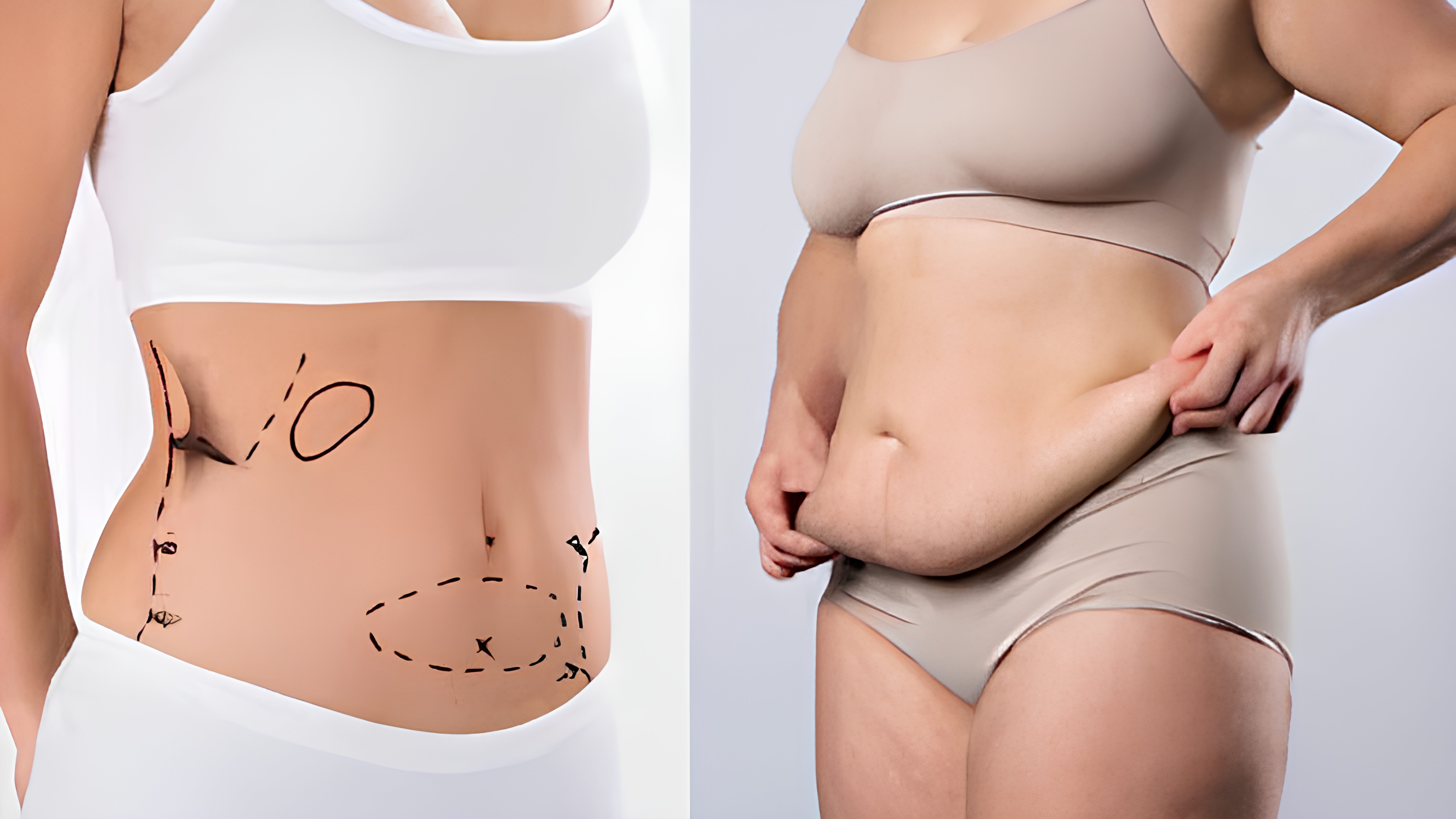
Differences between Tummy Tuck and J-Plasma

What is Tummy Tuck? Abdominoplasty, a tummy tuck, is an aesthetic surgical surgery used to enhance the physical appearance and Read more
Discover the Skin Tightening Treatment Option for You

Maintaining smooth, supple skin on your face and body might become more difficult as you age, even with proactive regular Read more

Young woman body on gray background in white sport clothes

Customized Brazilian Butt Lift Techniques for Different Body Frames

Customized Brazilian Butt Lift Techniques for Natural Proportions


Introduction

 
Each individual’s body has distinct characteristics, making personalization crucial in cosmetic surgeries like the Brazilian Butt Lift (BBL). Standardized procedures risk producing results that may seem unnatural or disproportionate. Customizing BBL techniques ensures outcomes that enhance a person’s unique physique.
 
Surgeons now emphasize adapting fat transfer and liposuction methods to align with diverse body shapes and sizes, from petite to broader builds. This tailored strategy promotes natural contours and balanced aesthetics.
 
This article explores how customized BBL approaches improve safety and satisfaction by respecting individual body types, helping patients achieve their aesthetic goals while maintaining their body’s authentic beauty.
 

Customized Fat Grafting Techniques for Different Body Frames

 
Successful fat grafting in BBL depends on adjusting fat placement and volume to fit each patient’s anatomy. Surgeons evaluate bone structure, muscle tone, and body mass index to enhance curves naturally without overemphasis.
 
Key considerations include:
 
  • Personalized fat injection patterns
 
  • Respecting pelvic and hip dimensions
 
  • Avoiding excessive volume in smaller frames
 
  • Layered fat placement for depth and smoothness
 
  • Symmetry adjustments for uneven body shapes
 
  • Prioritizing long-term graft retention and mobility
 
This approach ensures the final result complements the patient’s natural silhouette with a harmonious contour.
 

Achieving Balanced Hip-to-Waist Ratios in Brazilian Butt Lifts

 
Maintaining a harmonious hip-to-waist ratio is central to a natural appearance in BBL. Surgeons customize fat grafting by assessing each patient’s unique proportions, sculpting curves that enhance balance rather than exaggerate features.
 
By focusing on anatomical harmony, practitioners optimize body symmetry and visual appeal, fostering confidence through results that fit the patient’s distinct frame.
 

Tailoring Brazilian Butt Lift Procedures for Petite Body Types:

 
For petite patients, precision is essential to enhance curves subtly without overwhelming the frame. Surgeons reduce fat volumes and use refined contouring techniques that complement smaller bone structures and muscle tone.
 
Important steps include:
 
  • Detailed body frame assessment
 
  • Controlled fat grafting volumes
 
  • Emphasis on natural hip-to-waist balance
 
  • Preservation of muscle dynamics
 
  • Use of advanced imaging for planning
 
  • Gradual volume enhancement for natural progression
 
These measures ensure enhancements appear delicate and in harmony with the individual’s anatomy, supporting natural movement and proportion.
 

Sculpting Natural Curves for Athletic Body Frames

 
Athletic body types benefit from BBL techniques that emphasize muscle definition while adding soft curves. Fat is strategically placed to enhance areas like lower hips and upper thighs without masking lean musculature.
 
Recommended fat transfer volumes for athletic frames:
 
 
Fat Transfer Zones


Volume Adjustment (ml)
 
 
Expected Result


Lower hips


150-250
 
 
Seamless hip contours


Upper thighs


100-180
 
 
Refined thigh shaping


Outer buttocks


120-200
 
 
Natural roundness


Mid-gluteal region


80-150
 
 
Subtle lift and tone


This targeted fat grafting balances enhancement with natural athletic features.
 

Optimizing Fat Harvesting and Transfer According to Body Shape

 
Effective fat harvesting focuses on selecting donor sites with sufficient and quality fat deposits, tailored to each body type. This strategy supports smooth transitions and avoids irregularities.
 
Surgeons adjust fat depth and placement to maximize graft survival, ensuring the transferred fat integrates seamlessly with the patient’s silhouette, maintaining proportional harmony and safety.
 

Personalized BBL Approaches for Hourglass Figures

 
For hourglass figures, the goal is to accentuate natural curves while preserving waist definition. Customized fat grafting targets hip enhancement without disrupting the body’s inherent balance.
 
Key elements include:
 
  • Precise waist contour assessment
 
  • Controlled fat volumes for hip sculpting
 
  • Smooth transitions between waist and hips
 
  • Consideration of skin elasticity and muscle tone
 
  • Techniques minimizing lumpiness and promoting long-term results
 
This method preserves the classic hourglass silhouette with enhanced but natural-looking curves.
 

Enhancing Buttock Projection While Maintaining Proportionality

 
Boosting buttock projection demands careful modulation to maintain overall body harmony. Surgeons calibrate fat volumes and placement to avoid disproportionate outcomes.
 
Essential practices involve:
 
  • Individual contour evaluation
 
  • Strategic fat grafting respecting hip-to-waist dynamics
 
  • Preservation of natural curvature and skin quality
 
  • Avoidance of excessive projection or unnatural shapes
 
  • Focus on sustainable results and skin elasticity
 
This ensures improvements that elevate confidence while fitting seamlessly with the patient’s frame.
 

Addressing Asymmetry in Brazilian Butt Lift for Unique Body Frames

 
Correcting asymmetries is fundamental in achieving balanced BBL outcomes. Customized fat grafting targets uneven areas to restore symmetry without artificial appearance.
 
Surgeons employ thorough assessments and advanced techniques to harmonize contours, respecting each patient’s anatomy and enhancing overall proportion and aesthetic appeal.
 

Combining Liposuction and Fat Transfer for Natural-Looking Results

 
Integrating liposuction with fat transfer enables simultaneous body sculpting and buttock enhancement tailored to individual frames. Fat is harvested from areas like the abdomen or thighs, purified, and strategically grafted to produce smooth, proportional contours.
 
Benefits include:
 
  • Tailored fat removal aligned with body type
 
  • Enhanced graft survival through precise purification
 
  • Balanced fat placement for natural curves
 
  • Improved skin tightening and reduced irregularities
 
  • Shortened recovery via combined procedures
 
This combined approach refines the silhouette while maintaining natural harmony.
 

Safety Protocols in Customized BBL Techniques for Diverse Anatomies


Body Frame Type


Safety Measures
 
 
Technique Adaptations
 
 
Postoperative Focus


Petite


Prevent overfilling and tissue stress
 
 
Moderate volume, careful shaping
 
 
Monitor swelling and symmetry


Athletic


Protect muscle integrity and nerves
 
 
Layered injections, contour emphasis
 
 
Assess mobility and sensation


Curvy


Maintain smooth curves, avoid lumps
 
 
Even fat distribution
 
 
Check skin elasticity and comfort


Tall


Proportional augmentation for elongated frame
 
 
Gradual volume increments
 
 
Evaluate circulation and healing


Postoperative Care Strategies to Preserve Natural Proportions

 
Post-surgery care is vital for maintaining fat graft viability and the natural look achieved. Patients should avoid sitting on treated areas for about two weeks and adhere to compression garment use as prescribed. Proper hydration, balanced nutrition, and gentle movement promote healing and fat retention. Following individualized postoperative instructions ensures durable, natural results aligned with the customized procedure.
 

Surgeon’s Guide to Artistic Fat Placement Based on Body Frame

 
Achieving natural contours in BBL relies on artistic and precise fat placement tailored to the patient’s frame. Surgeons evaluate anatomy, fat availability, and muscle tone to distribute fat effectively.
 
Key points include:
 
  • Customized fat volume distribution
 
  • Targeting zones to enhance natural curves
 
  • Avoiding overcorrection
 
  • Utilizing 3D imaging for planning
 
  • Ensuring smooth transitions and symmetry
 
  • Monitoring fat survival for lasting outcomes
 
  • Adjusting methods for lean or fuller frames
 
This meticulous approach yields balanced, natural-looking results that align with each patient’s body structure.
 

Frequently Asked Questions

 
What factors do surgeons consider when customizing a Brazilian Butt Lift (BBL) for different body frames? They evaluate bone structure, fat distribution, skin elasticity, and muscle tone to tailor fat placement and volume, ensuring balanced and harmonious results.
 
How does customized BBL achieve more natural proportions compared to standard BBL techniques? By focusing on individual anatomy, surgeons avoid over-augmentation and sculpt curves that complement the patient’s unique silhouette.
 
Can customized Brazilian Butt Lift techniques reduce risks associated with traditional BBL procedures? Yes, personalization minimizes complications such as uneven fat distribution and unnatural shapes, improving safety and predictability.
 
How long does it take to see the final results after a customized Brazilian Butt Lift? Initial swelling decreases within 4 to 6 weeks, with final outcomes visible around 3 to 6 months post-operation as fat settles.
 
What should patients expect during recovery from a customized BBL procedure? Mild discomfort is common; patients must avoid direct pressure on the buttocks for 2 to 3 weeks and follow specific care instructions to preserve natural proportions.
 
Clinic Wise upholds rigorous safety and artistic standards in all customized Brazilian Butt Lift procedures.
Related Posts
About The Recovery Process After Brazilian Butt Lift Surgery

Turkey is a popular destination for BBL surgery operations applied for individuals who want to have a more effective buttocks. Read more

Safe BBL
Fat Survival After SAFE BBL

Acquire the wealth of your goals by identifying yourself with the top of Hollywood, such as Kim Kardashian.When nutrition and Read more

Going to Turkey for SAFE BBL Surgery

Going to Turkey for SAFE BBL Surgery Every step of the SAFE BBL Surgery Process What is SAFE BBL? A Read more