


Woman receiving abdomen massage in spa wellness center. Beauty and Aesthetic concepts.

Liposuction and Lymphatic Health: Optimal Fluid Drainage Tips

Liposuction and Lymphatic Health: Promoting Fluid Drainage


Introduction

 
Liposuction is a popular surgical method aimed at reshaping the body by removing excess fat. Postoperative swelling or fluid accumulation can occur because this procedure may temporarily impact the lymphatic system, which naturally clears fluids and supports immune defense. Think of the lymphatic system as a network that gently transports excess fluid away from tissues to maintain balance.
 
To ensure a comfortable recovery, it is important to support lymphatic health after liposuction. Strategies like wearing compression garments and gentle massage help stimulate lymph flow. Additionally, staying hydrated and maintaining regular movement assist the lymphatic system in functioning optimally, which reduces swelling and accelerates healing.
 
This article highlights practical methods and lifestyle recommendations designed to support lymphatic function and lessen postoperative swelling. Whether preparing for or recovering from surgery, these insights help promote smoother healing and minimize complications.
 

The Impact of Liposuction on Lymphatic System Function

 
During liposuction, fat deposits beneath the skin are removed, which can disrupt the delicate lymphatic vessels and nodes responsible for fluid transport. This disruption may lead to temporary swelling due to fluid retention in the treated areas. Recognizing how liposuction affects the lymphatic system enables patients to better anticipate postoperative changes.
 
Applying supportive measures such as gentle massage and compression therapy, combined with appropriate lifestyle adjustments, encourages effective lymph drainage. This approach helps reduce swelling and discomfort, facilitating a more comfortable recovery.
 

Essential Strategies to Promote Lymphatic Health After Liposuction

 
Maintaining lymphatic health post-liposuction is key to minimizing swelling and aiding tissue repair. Patients are encouraged to adopt gentle habits that enhance circulation without causing strain.
 
  • Use compression garments consistently
 
  • Engage in light, regular walking
 
  • Drink sufficient water daily
 
  • Avoid restrictive clothing that impedes lymph flow
 
  • Perform gentle lymphatic massage when appropriate
 
  • Elevate limbs during periods of rest
 
  • Follow a balanced diet rich in anti-inflammatory foods
 
  • Limit salt consumption
 
  • Break up long periods of sitting or standing
 
  • Prioritize restful sleep
 
Together, these practices support lymphatic drainage and promote a smoother healing experience.
 

How Lymphatic Drainage Massage Enhances Fluid Drainage Post-Liposuction?

 
Lymphatic drainage massage is a gentle technique that activates lymph vessels to encourage fluid movement after liposuction. By reducing localized swelling and preventing fluid accumulation, this method enhances recovery and comfort. Patients incorporating this massage often notice quicker resolution of postoperative edema.
 
Supporting lymphatic function further involves lifestyle habits such as maintaining hydration and engaging in mild physical activity. These complementary actions optimize fluid drainage, improve skin quality, and foster more comfortable healing.
 

Timing and Frequency of Lymphatic Massage for Optimal Recovery

 
Initiating lymphatic massage at the right time and maintaining an appropriate schedule are critical for its effectiveness after liposuction. A typical regimen includes:
 
  1. Start massage 24 to 48 hours post-surgery to limit fluid buildup
 
  1. Attend 3 to 5 sessions weekly during the first two weeks
 
  1. Each session should last about 20 to 30 minutes
 
  1. Gradually decrease frequency to 1 or 2 sessions per week thereafter
 
  1. Continue massages for 4 to 6 weeks to support ongoing lymphatic activity
 
  1. Combine with gentle movements and adequate hydration
 
  1. Use light pressure to avoid tissue damage
 
  1. Adjust the plan according to specialist advice
 
Adhering to these guidelines maximizes circulation, reduces swelling, and supports a smoother healing process.
 

Combining Compression Garments and Lymphatic Health for Better Outcomes

 
Compression garments apply controlled pressure that promotes lymphatic flow and helps prevent excessive swelling after liposuction. This external support complements the body’s natural healing, enhancing comfort during recovery. Effective use involves:
 
  • Wearing garments consistently as recommended
 
  • Selecting correctly sized garments for optimal pressure
 
  • Avoiding overly tight garments that restrict circulation
 
  • Staying hydrated to maintain lymphatic flow
 
  • Elevating treated areas when resting to assist drainage
 
  • Engaging in gentle movements to stimulate circulation
 
  • Following surgeon’s instructions carefully
 
  • Monitoring skin for any irritation or adverse reactions
 
  • Replacing garments according to guidelines
 
  • Combining with lymphatic massage when appropriate
 
These combined measures facilitate efficient fluid drainage and improve postoperative outcomes.
 

Natural Ways to Support Lymphatic Function During Liposuction Healing

 
Simple, natural approaches can enhance lymphatic flow and support recovery after liposuction.
 
  • Maintain good hydration to assist fluid transport
 
  • Consume antioxidant-rich and healthy fats-containing foods
 
  • Incorporate gentle activities such as walking or stretching
 
  • Use compression garments as advised
 
  • Reduce salt intake to minimize fluid retention
 
  • Practice deep breathing exercises to stimulate lymph movement
 
  • Elevate limbs periodically to encourage drainage
 
  • Apply gentle massage under professional guidance
 
  • Limit caffeine and alcohol consumption to prevent dehydration
 
  • Follow a balanced diet abundant in fruits and vegetables
 
These habits empower the body’s lymphatic system to effectively manage fluid balance and promote healing.
 

Managing Swelling and Fluid Retention Through Lymphatic Care

 
Controlling swelling and fluid retention after liposuction requires focused lymphatic support. Techniques and lifestyle adaptations that encourage fluid drainage help reduce discomfort and improve recovery quality.
 
Key recommendations include:
 
  • Gentle massage to activate lymph flow
 
  • Consistent use of compression garments
 
  • Elevating treated areas to prevent fluid pooling
 
  • Staying well hydrated
 
  • Engaging in light physical activity
 
  • Limiting salt consumption
 
  • Performing deep breathing exercises
 
  • Attending scheduled medical follow-ups
 
Implementing these strategies supports lymphatic drainage and assists in controlling postoperative swelling effectively.
 

Professional vs At-Home Lymphatic Drainage Techniques After Liposuction

 
Both professional and at-home lymphatic drainage methods have roles in postoperative care. Professional therapy offers precision and expertise, while at-home techniques provide convenience for daily maintenance. When combined with supportive lifestyle habits, these approaches optimize lymphatic function.
 
 
Aspect


Professional Therapy
 
 
At-Home Massage
 
 
Lifestyle Support


Expertise


Specialized therapists apply precise methods
 
 
Self-administered, less precise
 
 
Daily healthy habits


Pressure Control


Carefully regulated to patient needs
 
 
Variable, requires caution
 
 
Balanced diet and hydration


Effectiveness


Accelerates reduction of swelling
 
 
Maintains fluid movement
 
 
Regular gentle exercise


Accessibility


Requires appointments, may involve costs
 
 
Easily performed at home
 
 
Ongoing lifestyle commitment


Integrating these methods provides comprehensive support for lymphatic recovery.
 

Preventing Scar Tissue Formation by Supporting Lymphatic Flow

 
Proper lymphatic drainage plays a vital role in minimizing scar tissue development after liposuction. Efficient fluid removal reduces swelling and fibrosis risk, promoting better skin texture and tissue healing.
 
Effective strategies include:
 
  • Gentle massage to stimulate lymph flow
 
  • Consistent use of compression garments
 
  • Regular light exercise to enhance circulation
 
  • Maintaining hydration and a nutritious diet
 
Together, these measures encourage healthy tissue remodeling and reduce postoperative complications.
 

Advanced Therapies to Boost Lymphatic Drainage Post-Surgery

 
Several advanced therapies can assist lymphatic function following liposuction, complementing traditional methods to improve swelling and recovery.
 
  • Pneumatic compression devices deliver rhythmic pressure to stimulate fluid movement
 
  • Laser therapy reduces inflammation and supports vessel health
 
  • Manual lymphatic drainage by trained therapists targets lymph nodes directly
 
  • Hydration optimizes fluid balance
 
  • Light exercise enhances circulation safely
 
  • Compression garments prevent fluid buildup through sustained pressure
 
  • Anti-inflammatory diet supports immune function
 
  • Elevating limbs aids gravitational drainage
 
Employing these interventions forms a comprehensive recovery plan that promotes efficient fluid clearance.
 

Lifestyle Adjustments to Maintain Lymphatic Health After Liposuction

 
Incorporating daily habits that nurture lymphatic health is essential to support fluid drainage and reduce swelling post-liposuction. These adjustments protect recovery progress and sustain lymphatic function.
 
Recommended practices include:
 
  • Drinking ample water
 
  • Wearing compression garments as directed
 
  • Taking gentle walks regularly
 
  • Performing light stretching exercises
 
  • Avoiding tight clothes that impede lymph flow
 
  • Elevating treated areas during rest
 
  • Practicing deep breathing techniques
 
  • Moderating salt intake
 
  • Attending follow-up appointments
 
  • Using self-massage to encourage drainage
 
  • Eating a diet rich in antioxidants
 
  • Breaking up long periods of sitting or standing
 
Consistent application of these behaviors promotes effective lymphatic circulation and aids healing.
 

Monitoring and Assessing Lymphatic Recovery for Long-Term Success

 
Ongoing observation of lymphatic recovery helps detect potential issues and ensures proper healing after liposuction. Patients should be attentive to subtle changes and maintain habits that support fluid drainage.
 
Key monitoring tips include:
 
  • Checking for daily changes in swelling
 
  • Observing skin color and texture
 
  • Noting variations in sensation
 
  • Recording any pain or discomfort
 
  • Watching treated areas for fluid accumulation
 
  • Continuing gentle massage routines
 
  • Using compression garments as prescribed
 
  • Staying hydrated and active
 
  • Avoiding restrictive clothing
 
  • Scheduling regular medical reviews
 
  • Reporting unusual symptoms promptly
 
This proactive approach supports sustained lymphatic health and long-term recovery success.
 

Frequently Asked Questions

 
What is the role of the lymphatic system after liposuction? The lymphatic system clears excess fluid and waste from tissues. After liposuction, it is essential for reducing swelling and supporting the healing process.
 
How can I support my lymphatic health following liposuction? Wearing compression garments and engaging in gentle activities like walking promote effective lymphatic drainage and reduce swelling.
 
Are there lifestyle changes that help reduce swelling after liposuction? Yes, staying hydrated, eating a low-sodium diet, and avoiding prolonged sitting or standing help maintain proper lymph flow and minimize swelling.
 
Can specific techniques improve lymphatic drainage after surgery? Manual lymphatic drainage performed by a trained therapist can stimulate lymph flow. When combined with compression therapy, it often accelerates recovery.
 
When should I contact my doctor about swelling after liposuction? Seek medical advice if swelling worsens, becomes painful, or is accompanied by redness or fever, as these may indicate complications requiring evaluation.
 
Clinic Wise ensures the highest standards of care and guidance for your post-liposuction recovery.
Related Posts
Liposuction Surgery Body Countring
The Body Contouring Liposuction Surgery

A life-changing plastic surgery journey Are you tired by managing fat that won't go away despite all of your efforts Read more

Arm Lift Surgery or Liposuction?

Being overweight usually results in heavy upper arms, hence loose upper arm skin is most frequently associated with weight loss. Read more

Combining Brazilian Butt Lift (BBL) and 360 Liposuction for An hourglass figure

An hourglass figure can be gained with a Brazilian Butt Lift (BBL). It is possible to reshape the body into Read more


3

Liposuction and Immune System Response for Better Healing

Liposuction and Immune System: Essential Post-Operative Healing Insights


Introduction

 
Liposuction is a widely performed cosmetic procedure designed to remove excess fat and enhance physical appearance. After surgery, the body’s natural healing process begins, with the immune system playing a vital role in tissue repair and defense against infection. This article explores how liposuction influences immune function and offers practical advice to support recovery.
 
Understanding the immune response following liposuction enables patients to adopt effective care strategies. Through proper nutrition, rest, and gentle activity, you can promote healing, reduce complications, and regain confidence during your recovery journey.
 

The Role Of The Immune System In Liposuction Healing

 
The trauma caused by liposuction activates the immune system, prompting immune cells to clear damaged fat and initiate tissue repair. This response helps control inflammation and protect against infection, which is essential for successful healing.
 
Supporting immune function through balanced nutrition, adequate hydration, and stress management enhances recovery outcomes. Following medical guidance ensures the immune response contributes positively to post-surgical repair.
 

How Liposuction Impacts Immune Response Post-Surgery?

 
Liposuction induces controlled injury that triggers an immune reaction involving cells like macrophages and neutrophils. These cells remove damaged tissue and help prevent infection, though mild inflammation and swelling may occur as part of this process.
 
Proper self-care, including hydration, nutrition, and rest, supports the immune system’s effectiveness. Awareness of these immune changes helps patients set realistic expectations during recovery.
 

Key Immune-Boosting Strategies For Faster Liposuction Recovery

 
Boosting immune function after liposuction accelerates healing and reduces infection risk. Key strategies include:
 
  • Eating a nutrient-rich diet
 
  • Staying well-hydrated
 
  • Ensuring sufficient sleep
 
  • Avoiding smoking and alcohol
 
  • Following wound care instructions
 
  • Engaging in approved light physical activity
 
  • Managing stress through relaxation
 
  • Attending all follow-up visits
 
  • Using supplements only when advised
 
  • Maintaining proper hygiene
 
Implementing these habits creates an environment conducive to immune support and efficient recovery.
 

Managing Inflammation To Support Immune Function After Liposuction

 
Effective inflammation control is critical to maintaining immune balance during healing. Excessive inflammation can impair immune efficiency and delay tissue repair.
 
Using prescribed medications, staying hydrated, and resting adequately help regulate inflammation. This balance allows the immune system to focus on repairing tissues without unnecessary strain, promoting safer and faster recovery.
 

The Importance Of Hydration In Enhancing Immune Response During Recovery

 
Hydration facilitates nutrient and oxygen delivery to immune cells, aiding their function in combating inflammation and infection post-liposuction. Proper fluid intake also supports toxin removal, which accelerates healing.
 
Since liposuction temporarily stresses the body’s defenses, maintaining hydration is essential for optimal cellular repair and reducing immune-related complications.
 

Nutrition Tips To Strengthen Immunity After Liposuction

 
A well-planned diet provides critical nutrients that modulate immune activity and support tissue regeneration. Consider including:
 
  • Vitamin C sources (oranges, strawberries) for collagen synthesis
 
  • Lean proteins (meat, legumes) to aid repair
 
  • Zinc-rich foods (nuts, seeds) for immune signaling
 
  • Omega-3 fatty acids (fish) to reduce inflammation
 
  • Probiotics (yogurt) for gut-immune balance
 
  • Leafy greens as antioxidants
 
  • Adequate fluids (water, herbal teas) for cellular health
 
  • Vitamin A (carrots, sweet potatoes) for skin healing
 
  • Garlic for antimicrobial effects
 
  • B vitamins (whole grains) for energy metabolism
 
  • Turmeric for natural anti-inflammatory support
 
  • Selenium (Brazil nuts) to protect cells
 
Incorporating these foods supports immune resilience and fosters an effective healing environment.
 

Compression Garments And Their Effect On Immune System Support

 
Compression garments help control swelling by applying steady pressure, facilitating lymphatic drainage and reducing fluid buildup. This reduction in swelling allows the immune system to focus more on tissue repair rather than managing excess inflammation.
 
Wearing these garments as recommended improves circulation, supporting efficient immune activity and promoting faster recovery.
 

Early Movement And Its Role In Stimulating Immune Healing Processes:

 
Initiating gentle movement soon after liposuction enhances blood flow, delivering oxygen and nutrients vital for healing tissues. Light activity also activates immune cells that protect against infection and encourage repair.
 
Patients should engage in mild walking or stretching as tolerated, avoiding strain. Such early mobility supports immune function and accelerates the healing timeline.
 

Avoiding Infection Immune System Considerations For Post-Operative Care

 
Preventing infection is key to preserving immune strength during recovery. Post-operative care should focus on hygiene and wound protection:
 
  • Keep incision areas clean
 
  • Wash hands before wound contact
 
  • Change dressings as instructed
 
  • Avoid excessive moisture
 
  • Complete antibiotic courses if prescribed
 
  • Limit strenuous activities initially
 
  • Wear breathable clothing
 
  • Maintain balanced diet and hydration
 
  • Refrain from smoking and alcohol
 
  • Monitor for signs of infection
 
  • Keep follow-up appointments
 
  • Prioritize rest
 
These measures safeguard the immune system and promote smooth healing.
 

The Impact Of Surgical Technique On Immune Response And Healing

 
Different liposuction methods vary in tissue trauma and immune activation:
 
 
Technique


Immune Activation Level
 
 
Healing Time
 
 
Tissue Impact


Suction-Assisted Liposuction


High
 
 
2-4 weeks
 
 
Significant tissue trauma


Ultrasound-Assisted


Moderate
 
 
1-2 weeks
 
 
Reduced tissue damage


Laser-Assisted


Low
 
 
1 week
 
 
Precise fat targeting


Power-Assisted


Moderate
 
 
1-3 weeks
 
 
Controlled tissue impact


Choosing the appropriate technique influences immune response and recovery speed, guiding personalized post-operative care.
 

How Stress Management Influences Immune Recovery Post-Liposuction?

 
Stress negatively impacts immune function by releasing hormones that suppress immune activity and delay healing. Managing stress promotes a balanced immune response and supports tissue repair.
 
Effective techniques include:
 
  • Deep breathing
 
  • Meditation
 
  • Muscle relaxation
 
  • Gentle yoga
 
  • Listening to calming music
 
  • Mindfulness
 
  • Good sleep habits
 
  • Time in nature
 
  • Limiting stimulants
 
  • Social support
 
Integrating these practices enhances immune recovery and overall well-being post-surgery.
 

Recognizing Signs Of Immune Compromise During Liposuction Healing

 
Monitoring for immune-related issues helps detect complications early. Signs to watch for include:
 
  • Persistent redness
 
  • Excessive swelling or warmth
 
  • Unusual wound discharge
 
  • Fever above 38°C (100.4°F)
 
  • Prolonged fatigue
 
  • Slow wound healing
 
  • Increased pain despite medication
 
  • Swollen nearby lymph nodes
 
  • Chills or shivering
 
  • Skin color changes beyond bruising
 
Promptly addressing these symptoms with your healthcare provider supports timely interventions and smoother recovery.
 

Frequently Asked Questions

 
1. How does liposuction impact the immune system during post-operative healing? Liposuction activates a natural immune response to repair tissues, involving inflammation and immune cell activity essential for recovery.
 
2. Can a weakened immune system affect my recovery after liposuction? Yes, compromised immunity can delay healing and raise infection risk. Patients with immune-related conditions should discuss personalized care with their surgeon.
 
3. What steps can I take to support my immune system after liposuction? Focus on balanced nutrition, hydration, adequate rest, avoiding smoking, and following medical advice to enhance immune function.
 
4. Are there signs of immune-related complications I should watch for post-liposuction? Look for persistent redness, swelling, fever, or unusual discharge and seek medical attention if they occur.
 
5. How soon after liposuction does the immune system begin to aid healing? The immune system responds immediately post-surgery, with peak activity in the first days, gradually supporting tissue repair over several weeks.
Related Posts
Liposuction Surgery Body Countring
The Body Contouring Liposuction Surgery

A life-changing plastic surgery journey Are you tired by managing fat that won't go away despite all of your efforts Read more

Arm Lift Surgery or Liposuction?

Being overweight usually results in heavy upper arms, hence loose upper arm skin is most frequently associated with weight loss. Read more

Combining Brazilian Butt Lift (BBL) and 360 Liposuction for An hourglass figure

An hourglass figure can be gained with a Brazilian Butt Lift (BBL). It is possible to reshape the body into Read more

1

J-Plasma in Post-Liposuction Skin Recovery | Benefits & Process

Understanding J-Plasma for Enhanced Post-Liposuction Skin Recovery


Table of Contents


Introduction

 
Liposuction is a popular procedure for reshaping the body by removing unwanted fat. However, many patients face the challenge of loose skin following the surgery. J-Plasma technology addresses this issue by enhancing skin tightening and promoting regeneration, resulting in firmer, more elastic skin after fat removal.
 
This method stimulates collagen synthesis, which is crucial for improving skin texture and resilience. Whether the skin laxity is subtle or more pronounced, J-Plasma can support a more effective recovery process. This article outlines the benefits of J-Plasma, identifies suitable candidates, and explains what patients can expect during healing.
 

The Science Behind J-Plasma in Post-Liposuction Skin Recovery

 
J-Plasma applies cold plasma energy combined with helium gas to trigger skin contraction and rejuvenation. This technology stimulates fibroblasts to produce collagen, enhancing skin elasticity and firmness. The controlled thermal effect tightens the skin gently without excessive damage.
 
This contributes to more even skin texture and accelerated healing after liposuction. By precisely targeting the treatment area, J-Plasma optimizes regeneration while minimizing risks, making it an effective adjunct in post-liposuction care.
 

How J-Plasma Enhances Skin Tightening After Liposuction

 
The cold helium plasma delivered by J-Plasma induces thermal effects that contract existing collagen fibers and encourage new collagen synthesis. This dual action results in firmer, tighter skin and improved elasticity.
 
Compared to traditional methods, J-Plasma offers precise energy delivery, which reduces tissue trauma and supports faster healing. Its ability to smooth and tighten skin addresses common post-liposuction concerns like sagging and unevenness, enhancing overall contour.
 

Ideal Candidates for Combining J-Plasma with Liposuction

 
Patients most likely to benefit from adding J-Plasma to liposuction procedures typically exhibit:
 
  • Moderate skin laxity without severe sagging
 
  • Good general health to promote healing
 
  • Age range roughly between 30 and 60 years
 
  • Fair to medium-thickness skin types
 
  • Desire for enhanced skin tightening and quicker recovery
 
  • Realistic expectations regarding outcomes
 
  • Preference for minimal scarring and natural results
 
Careful patient selection ensures optimal synergy between fat removal and skin regeneration, maximizing the effectiveness of combined treatments.
 

Step-by-Step J-Plasma Procedure During Liposuction

 
The procedure starts with anesthesia tailored to the patient’s needs. Following conventional liposuction to extract excess fat, the surgeon applies the J-Plasma device over the treated zones.
 
Cold helium plasma energy is delivered via a specialized handpiece, stimulating collagen contraction and prompting skin tightening. This process enhances contour definition and promotes smoother skin texture. The integration of J-Plasma usually adds minimal additional time to the overall surgery.
 

J-Plasma Recovery Process What to Expect After Liposuction

 
Post-treatment, patients can anticipate a mild inflammatory response, including some swelling and redness that typically resolves within a few days. Skin tightening effects usually become apparent within a few weeks, continuing to improve over several months.
 
Bruising is generally minimal and fades within two weeks. Patients are advised to avoid strenuous activities and follow their surgeon’s instructions, including wearing compression garments and using gentle skincare products. Hydration and rest support the healing process, with most individuals resuming normal routines within 4-6 weeks.
 

Benefits of J-Plasma for Post-Liposuction Skin Elasticity

 
J-Plasma offers several advantages for enhancing skin quality after liposuction:
 
  • Accelerates skin healing
 
  • Stimulates collagen renewal
 
  • Improves skin firmness and texture
 
  • Reduces swelling and scarring
 
  • Provides uniform skin contraction
 
  • Ensures controlled and safe energy application
 
  • Delivers long-lasting tightening effects
 
These benefits contribute to a more pleasing aesthetic outcome and higher patient satisfaction.
 

Comparing J-Plasma with Traditional Skin Tightening Methods Post-Liposuction


Method


Mechanism
 
 
Recovery Support
 
 
Skin Regeneration Effect


J-Plasma


Cold helium plasma energy
 
 
Minimal trauma, faster healing
 
 
Direct collagen remodeling and tightening


Radiofrequency


Heat waves stimulating tissues
 
 
Moderate recovery time
 
 
Collagen stimulation with less precision


Ultrasound


Sound waves to tighten skin
 
 
Non-invasive, quick recovery
 
 
Moderate elasticity improvement


Surgical Lifts


Physical skin excision
 
 
Invasive, longer healing
 
 
Immediate tightening but with scarring risk


Synergistic Effects of J-Plasma and Liposuction on Body Contouring

 
When combined, J-Plasma and liposuction complement each other by simultaneously reducing fat and enhancing skin quality. The plasma energy accelerates collagen remodeling, which smooths the skin and improves elasticity over the treated area.
 
This synergy results in more defined body contours with a natural appearance, shorter recovery periods, and improved skin texture compared to liposuction alone.
 

Minimizing Risks and Complications of J-Plasma in Liposuction Recovery

 
Though generally safe, J-Plasma treatment involves potential temporary side effects such as mild swelling and redness. To minimize risks:
 
  • Follow post-operative care instructions carefully
 
  • Avoid sun exposure to reduce pigmentation changes
 
  • Maintain hygiene to prevent infections
 
  • Stay hydrated and rest adequately
 
  • Avoid intense physical activity early on
 
  • Report any unusual symptoms promptly
 
  • Choose a skilled surgeon experienced with J-Plasma technology
 
Adhering to these guidelines supports optimal recovery and reduces complications.
 

Nutritional and Lifestyle Factors Supporting J-Plasma Enhanced Recovery

 
Optimal healing with J-Plasma can be supported through diet and lifestyle choices that promote tissue repair:
 
  • Include antioxidant-rich fruits and vegetables
 
  • Ensure adequate protein intake for collagen synthesis
 
  • Maintain regular hydration
 
  • Avoid smoking and excessive alcohol consumption
 
  • Protect skin from UV exposure with sunscreen
 
  • Get sufficient sleep to aid cellular regeneration
 
  • Engage in light physical activity to improve circulation
 
  • Limit processed foods and sugars that may impair healing
 
These habits complement the regenerative effects of J-Plasma and support healthier skin recovery.
 

Long-Term Outcomes of J-Plasma Treatment Following Liposuction

 
Clinical observations reveal that J-Plasma provides lasting skin tightening benefits, often sustained for months or years post-procedure. The technology’s precision limits tissue trauma, supporting collagen maintenance and skin elasticity over time.
 
Patients generally experience improved contour definition with minimal scarring, contributing to durable aesthetic results and high satisfaction rates.
 

Selecting the Right Surgeon for J-Plasma Assisted Liposuction Procedures

 
Success with J-Plasma depends significantly on the surgeon’s expertise. When selecting a provider, consider:
 
  • Board certification and relevant credentials
 
  • Experience specifically with combined liposuction and J-Plasma
 
  • Access to advanced technology and sterile facilities
 
  • Track record demonstrated through before-and-after photos
 
  • Clear communication and personalized treatment planning
 
  • Positive patient testimonials and reviews
 
  • Comprehensive post-operative care protocols
 
  • Ability to manage complications effectively
 
Choosing a qualified surgeon enhances safety and maximizes the benefits of J-Plasma treatment.
 

Frequently Asked Questions

 
What is J-Plasma and how does it help in post-liposuction skin recovery? J-Plasma utilizes cold plasma energy to stimulate collagen production and tighten skin, improving texture and contour following liposuction.
 
How soon can I expect to see skin improvements after J-Plasma treatment post-liposuction? Initial firmness and smoothing typically appear within 1-2 weeks, with continued improvement over several months.
 
Is J-Plasma safe to use during liposuction procedures? Yes, it is a clinically validated technology that minimizes trauma and supports faster healing when performed by experienced surgeons.
 
Will J-Plasma reduce common post-liposuction complications like sagging or uneven skin? By promoting collagen remodeling and skin contraction, J-Plasma significantly decreases sagging and irregularities.
 
What should patients do to maximize the benefits of J-Plasma for skin recovery? Following surgeon instructions, maintaining hydration, avoiding smoking, and protecting skin from sun exposure help optimize results.
Related Posts
Liposuction Surgery Body Countring
The Body Contouring Liposuction Surgery

A life-changing plastic surgery journey Are you tired by managing fat that won't go away despite all of your efforts Read more

Arm Lift Surgery or Liposuction?

Being overweight usually results in heavy upper arms, hence loose upper arm skin is most frequently associated with weight loss. Read more

Combining Brazilian Butt Lift (BBL) and 360 Liposuction for An hourglass figure

An hourglass figure can be gained with a Brazilian Butt Lift (BBL). It is possible to reshape the body into Read more

2

Liposuction and Skin Elasticity: How to Optimize Skin Tightening

Optimizing Skin Elasticity After Liposuction for Best Results


Table of Contents


Introduction

 
Liposuction offers a path toward reshaping your body, but concerns about loose skin afterward are common. The skin’s ability to bounce back—known as skin elasticity—is key to achieving smooth and firm results.
 
Good elasticity allows skin to conform naturally after fat removal, much like a stretched elastic band regaining its shape. This article explores the significance of skin elasticity and outlines effective approaches to support skin tightening post-liposuction.
 
You’ll discover surgical and non-surgical methods, lifestyle adjustments, and skincare routines that promote healing and firmness. Understanding these factors equips you to enhance your recovery and enjoy refined, confident contours.
 

Understanding Skin Elasticity and Its Role in Post-Liposuction Tightening

 
Skin elasticity is the skin’s capacity to stretch and then return to its original form. This property is vital for achieving a toned look after fat extraction.
 
Factors such as genetics, age, and environmental influences affect elasticity. Proteins like collagen and elastin maintain skin’s firmness, but their levels decline with time and sun damage, making skin less resilient.
 
Post-liposuction, encouraging skin to retract effectively depends on preserving and stimulating this elasticity through proper care and supportive treatments.
 

Surgical Techniques That Enhance Skin Retraction During Liposuction

 
Modern liposuction techniques aim to remove fat while preserving or enhancing the skin’s natural ability to tighten:
 
  • Laser-assisted liposuction: Stimulates collagen for firmer skin.
 
  • Ultrasound-assisted liposuction: Facilitates fat breakdown and skin contraction.
 
  • Power-assisted liposuction: Provides precise fat removal with minimal tissue trauma.
 
  • Tumescent technique: Limits swelling, aiding skin recovery.
 
  • Radiofrequency-assisted liposuction: Uses heat to improve firmness.
 
  • Micro-cannulas: Reduce skin damage, supporting natural elasticity.
 
Surgeons select and combine these methods based on individual skin conditions to maximize tightening outcomes safely.
 

The Impact of Age and Weight Fluctuations on Skin Elasticity After Liposuction

 
Age-related decreases in collagen and elastin reduce the skin’s ability to snap back after liposuction, often leading to looser skin.
 
Additionally, cycles of weight gain and loss stretch the skin repeatedly, diminishing its retraction capability.
 
Maintaining a stable weight and adopting supportive care can help counter these effects. Personalized treatment plans that consider age and weight history improve skin tightening success.
 

Non-Surgical Skin Tightening Options Following Liposuction

 
Several non-invasive therapies complement natural healing by stimulating collagen and improving skin texture:
 
  • Radiofrequency treatments
 
  • Ultrasound therapy
 
  • Laser resurfacing
 
  • Microneedling
 
  • Cryolipolysis
 
  • Infrared light therapy
 
  • LED light treatments
 
  • Topical hydrating agents
 
These approaches offer minimal downtime and enhance skin firmness when integrated into post-liposuction care.
 

The Importance of Compression Garments in Optimizing Skin Tightening

 
Compression garments play a crucial role by applying steady pressure, which:
 
  • Minimizes swelling
 
  • Encourages skin adherence to new contours
 
  • Prevents fluid accumulation
 
  • Improves blood flow
 
  • Enhances collagen formation
 
  • Supports a smoother silhouette
 
  • Reduces postoperative discomfort
 
  • Accelerates recovery
 
Consistent use as directed by your surgeon significantly boosts skin tightening efficiency.
 

Nutritional Strategies to Support Skin Elasticity Post-Liposuction

 
A nutrient-rich diet supports tissue repair and collagen synthesis essential for firm skin:
 
  • Vitamin C promotes collagen formation
 
  • Zinc aids healing processes
 
  • Protein supplies building blocks for skin
 
  • Omega-3 fatty acids reduce inflammation
 
  • Vitamin E protects against oxidative stress
 
  • Copper supports connective tissue strength
 
  • Hydration maintains skin flexibility
 
  • Antioxidant-rich fruits and vegetables nourish cells
 
  • Biotin assists skin renewal
 
  • Selenium defends skin integrity
 
Incorporating these nutrients enhances the body’s ability to tighten skin after surgery.
 

Incorporating Collagen-Boosting Skincare into Post-Liposuction Regimens

 
Topical products can augment skin firmness during recovery:
 
  • Use collagen-stimulating creams daily
 
  • Apply retinoids to encourage renewal
 
  • Include antioxidants for cellular protection
 
  • Keep skin well-moisturized
 
  • Avoid irritants and harsh ingredients
 
  • Follow professional skincare recommendations
 
  • Protect skin from UV exposure with sunscreen
 
  • Maintain consistent application for effectiveness
 
  • Combine with gentle massage to aid absorption
 
  • Adjust products based on skin response
 
These practices support a smoother and tighter skin appearance.
 

How Hydration and Lifestyle Habits Influence Skin Tightening After Liposuction

 
Everyday habits impact skin recovery and elasticity:
 
  • Drink adequate water to maintain skin moisture
 
  • Avoid tobacco to prevent collagen breakdown
 
  • Eat antioxidant-rich foods
 
  • Engage in regular physical activity to boost circulation
 
  • Limit sun exposure to protect skin fibers
 
  • Use recommended moisturizers and treatments
 
  • Prioritize restorative sleep for tissue repair
 
  • Manage stress to reduce inflammation
 
  • Follow postoperative care instructions closely
 
  • Maintain stable body weight
 
Adopting these habits fosters optimal skin tightening and sustained results.
 

Timing and Staging of Skin Tightening Treatments for Best Results

 
Allowing sufficient healing time—usually 4 to 6 weeks—before starting additional tightening therapies prevents complications.
 
Once inflammation subsides, treatments such as radiofrequency or ultrasound can be introduced safely to improve elasticity.
 
Personalized scheduling based on healing progress ensures effective and even skin contraction.
 

Combining Liposuction with Radiofrequency or Ultrasound for Enhanced Skin Retraction


Treatment Method


Mechanism
 
 
Benefits
 
 
Typical Sessions Required


Radiofrequency (RF)


Uses heat to stimulate collagen
 
 
Improves firmness and texture
 
 
3-6 sessions


Ultrasound Therapy


Employs sound waves to tighten
 
 
Enhances elasticity
 
 
4-8 sessions


Combined Approach


Integrates RF and ultrasound
 
 
Maximizes skin tightening
 
 
Tailored per patient


Post-Liposuction Care


Device-assisted modalities
 
 
Supports natural healing
 
 
Variable


These combined modalities boost skin contraction and contour smoothness when used alongside liposuction.
 

Monitoring Skin Elasticity Progress and Adjusting Post-Procedure Care

 
Ongoing evaluation ensures optimal results and guides care adjustments:
 
  • Schedule regular follow-ups
 
  • Utilize instruments to assess skin elasticity
 
  • Monitor hydration and collagen levels
 
  • Recommend personalized skincare and therapies
 
  • Adapt compression garment use as needed
 
  • Encourage lifestyle modifications
 
  • Track healing and scar development
 
  • Modify activity levels accordingly
 
  • Document progress with photos
 
  • Support nutritional intake
 
This dynamic approach promotes firm, well-contoured skin.
 

Stress Management and Sleep’s Role in Promoting Skin Healing and Tightening

 
Stress and sleep quality directly influence recovery processes:
 
  • Aim for 7-8 hours of restful sleep nightly
 
  • Use relaxation techniques to lower stress
 
  • Avoid stimulants before bedtime
 
  • Keep a consistent sleep routine
 
  • Engage in mild exercise for stress relief
 
  • Limit screen exposure in the evening
 
  • Create a soothing sleep environment
 
  • Stay hydrated to aid repair
 
  • Limit alcohol intake
 
  • Practice mindfulness or meditation
 
  • Seek help if stress persists
 
  • Follow all postoperative instructions
 
Managing these factors supports collagen production and reduces inflammation, enhancing skin tightening.
 

Frequently Asked Questions

 
1. How does liposuction affect skin elasticity and why is it important? Liposuction removes fat beneath the skin, which may reduce structural support. Maintaining skin elasticity is crucial for the skin to retract smoothly and achieve a firm, natural contour.
 
2. What strategies can improve skin tightening after liposuction? Enhancing tightening involves hydration, balanced nutrition rich in vitamins C and E, recommended topical treatments, gentle massage, and wearing compression garments to promote circulation and reduce swelling.
 
3. Are there medical treatments that enhance skin elasticity post-liposuction? Yes, therapies like radiofrequency, ultrasound tightening, and laser treatments stimulate collagen and improve firmness. These are often combined with liposuction to optimize skin retraction.
 
4. How long does it take for skin to tighten after liposuction? Skin tightening generally occurs over 3 to 6 months, varying by age, skin quality, and treatment extent. Younger individuals may experience quicker results, while older skin might benefit from supplementary treatments.
 
5. Can lifestyle changes influence skin elasticity after liposuction? Absolutely. Avoiding smoking, protecting skin from UV damage, maintaining stable weight, and exercising regularly support collagen health and skin’s ability to tighten effectively.
 
Clinic Wise is dedicated to providing expert guidance and care for your best post-liposuction results.
Related Posts
Liposuction Surgery Body Countring
The Body Contouring Liposuction Surgery

A life-changing plastic surgery journey Are you tired by managing fat that won't go away despite all of your efforts Read more

Arm Lift Surgery or Liposuction?

Being overweight usually results in heavy upper arms, hence loose upper arm skin is most frequently associated with weight loss. Read more

Combining Brazilian Butt Lift (BBL) and 360 Liposuction for An hourglass figure

An hourglass figure can be gained with a Brazilian Butt Lift (BBL). It is possible to reshape the body into Read more
front-view-woman-with-marker-traces-skin

Hormonal Changes and Their Effect on Liposuction Outcomes

Table of Contents


Introduction

 
Liposuction is a popular procedure to eliminate localized fat deposits and enhance body contours. However, individuals may observe varying outcomes despite similar treatments, which can often be linked to hormonal influences. Hormones regulate fat storage, metabolism, and tissue repair, affecting both the immediate and long-term effects of liposuction.
 
Particularly in women, life stages such as menopause or thyroid dysfunctions can alter fat patterns and healing processes. Recognizing the role of hormones enables better preparation, realistic goal setting, and improved post-operative care.
 
This article explores how different hormones impact fat distribution and recovery after liposuction, providing insights to help patients and clinicians optimize results through informed management of hormonal factors.
 

Hormonal Fluctuations and Their Influence on Liposuction Outcomes

 
Hormonal variations directly affect key factors like fat metabolism and skin quality, which are essential for successful liposuction results. Changes during menstrual cycles, pregnancy, and menopause shift fat storage patterns and metabolic rates, influencing body shaping outcomes.
 
Key points include:
 
  • Hormones regulate where and how fat is stored.
 
  • Skin elasticity, influenced by estrogen, affects contour smoothness.
 
  • Progesterone impacts fluid levels, altering swelling and recovery.
 
  • Thyroid and cortisol levels modify metabolic processes and fat accumulation.
 
  • Recognizing these influences aids in timing procedures and customizing aftercare.
 
Understanding these dynamics helps in creating personalized surgical plans that accommodate hormonal status, promoting more predictable and lasting results.
 

The Role of Estrogen in Post-Liposuction Fat Redistribution

 
Estrogen significantly affects fat cell behavior, particularly the tendency to accumulate fat in specific body regions. After liposuction, changes in estrogen levels can lead to fat being redeposited in areas rich in estrogen receptors, potentially altering the surgical outcome.
 
Awareness of estrogen’s impact allows clinicians to anticipate fat redistribution patterns and adjust treatment or maintenance strategies accordingly, enhancing long-term aesthetic satisfaction.
 

Impact of Menstrual Cycle Phases on Liposuction Recovery and Results

 
The menstrual cycle causes hormonal shifts that influence healing and fat metabolism post-liposuction. Each phase carries unique effects:
 
  • During the follicular phase, stable estrogen supports efficient tissue repair.
 
  • The ovulation phase often brings increased swelling due to hormonal peaks.
 
  • In the luteal phase, fluid retention may slow recovery.
 
  • Menstruation can heighten sensitivity and discomfort.
 
Timing surgery in consideration of these phases can optimize healing and reduce complications. Educating patients about these changes helps manage expectations and encourages adherence to recovery protocols tailored to their cycle.
 

How Thyroid Disorders Affect Liposuction Effectiveness

 
Thyroid health plays a crucial role in regulating metabolism and fat dynamics, directly influencing liposuction outcomes:
 
 
Thyroid Condition


Metabolic Effect
 
 
Impact on Liposuction
 
 
Recovery Notes


Hypothyroidism


Reduced metabolism
 
 
Fat breakdown slows
 
 
Extended healing period


Hyperthyroidism


Elevated metabolism
 
 
Possible uneven fat loss
 
 
Higher complication risk


Euthyroid (Normal)


Balanced metabolism
 
 
Optimal fat removal
 
 
Standard recovery timeline


Thyroid Medication


Variable effects
 
 
Fat mobilization varies
 
 
Requires close medical follow-up


Preoperative thyroid evaluation and management can improve fat removal efficiency and recovery quality.
 

Long-Term Hormonal Changes Following Large-Volume Liposuction

 
Removing extensive fat amounts disrupts hormonal balance since adipose tissue actively participates in hormone production and regulation. Such alterations can affect fat storage and metabolism long after surgery, potentially influencing body shape maintenance.
 
Ongoing hormonal monitoring and tailored lifestyle interventions post-procedure help sustain results by addressing these physiological shifts.
 

The Interaction Between Sex Hormones and Fat Metabolism After Liposuction

 
Sex hormones critically modulate fat storage and energy expenditure, impacting postoperative fat metabolism:
 
  • Progesterone promotes fat accumulation, particularly in the lower body.
 
  • Testosterone supports fat breakdown and muscle preservation.
 
  • Imbalances may cause uneven fat redistribution or metabolic rate changes.
 
  • Hormonal status influences responsiveness to diet and exercise interventions.
 
Incorporating hormone assessments into postoperative care enables optimization of metabolic health and supports lasting liposuction benefits.
 

Strategies to Minimize Hormonal Disruption During Liposuction Procedures

 
To enhance outcomes and reduce hormonal disturbances, the following approaches can be adopted before, during, and after liposuction:
 
  • Ensure nutritional balance to support endocrine function.
 
  • Assess and stabilize hormone levels preoperatively.
 
  • Manage stress through relaxation techniques.
 
  • Avoid scheduling surgery during volatile hormonal phases.
 
  • Utilize anesthesia methods with minimal endocrine impact.
 
  • Encourage gentle physical activity during recovery.
 
  • Adhere to prescribed hormone therapies when indicated.
 
  • Prioritize quality sleep and hydration.
 
  • Limit exposure to endocrine-disrupting substances.
 
  • Coordinate regular medical follow-ups.
 
  • Address inflammation promptly with appropriate medications.
 
  • Support liver health to facilitate hormone metabolism.
 
Implementing these tactics fosters hormonal stability, aiding smooth healing and durable aesthetic outcomes.
 

The Effect of Liposuction on Glucose and Lipid Metabolism in Women

 
While liposuction focuses on localized fat removal, it can influence systemic metabolism, especially in women with shifting hormones. Effects on blood sugar regulation and lipid profiles vary individually:
 
  • Some experience improved insulin sensitivity and cholesterol levels.
 
  • Others may notice negligible metabolic changes.
 
Considering hormonal status during treatment planning helps align liposuction with metabolic health goals, promoting overall well-being.
 

Hormonal Considerations for Candidates Undergoing Liposuction

 
Evaluating hormonal factors before surgery enhances safety and efficacy. Key considerations include:
 
  • Estrogen’s role in fat patterning and skin condition.
 
  • Thyroid function’s impact on metabolism and fat breakdown.
 
  • Cortisol’s relation to stress and fat accumulation.
 
  • Insulin resistance affecting fat distribution and healing.
 
  • Menstrual cycle timing influencing swelling and recovery.
 
  • Effects of hormone replacement therapy on fat dynamics.
 
  • PCOS-related hormonal profiles altering fat deposits.
 
  • Pregnancy history affecting baseline hormonal and skin status.
 
  • Adrenal gland function modulating fat metabolism.
 
  • Growth hormone levels contributing to tissue repair.
 
This comprehensive assessment enables customized surgical approaches tailored to individual hormonal contexts.
 

The Relationship Between Hormonal Imbalance and Lipedema in Liposuction Patients

 
Hormonal dysregulation is a key factor in lipedema, leading to abnormal and painful fat accumulation, mainly in the lower extremities. These imbalances can complicate liposuction results by encouraging fat regrowth or irregular distribution.
 
 
Hormonal Factor


Impact on Fat Distribution
 
 
Relevance to Liposuction Outcomes


Estrogen


Encourages fat in hips and thighs
 
 
May contribute to postoperative regrowth


Progesterone


Influences fluid retention
 
 
Affects swelling and recovery speed


Insulin


Controls fat metabolism
 
 
Imbalances can hinder fat removal


Cortisol


Promotes abdominal fat accumulation
 
 
May cause uneven fat patterns


Identifying and managing hormonal imbalances are vital for improving treatment effectiveness in lipedema patients.
 

Post-Liposuction Hormonal Health: Diet, Exercise, and Lifestyle Factors

 
Maintaining hormonal balance post-liposuction supports sustained fat reduction and overall health. Key lifestyle elements include:
 
  • Consuming nutrient-dense, minimally processed foods.
 
  • Engaging in regular physical activity tailored to recovery.
 
  • Managing stress through mindfulness or relaxation strategies.
 
  • Ensuring sufficient sleep and hydration.
 
  • Avoiding excessive sugars and processed items to stabilize insulin and cortisol.
 
  • Collaborating with healthcare providers for ongoing hormonal monitoring.
 
Adopting these habits promotes metabolic equilibrium and prolongs the benefits of liposuction.
 

Psychological Effects of Hormonal Changes Induced by Liposuction

 
Hormonal shifts following liposuction may affect mental well-being and self-perception, influencing recovery quality:
 
  • Patients can experience mood swings related to hormonal variations.
 
  • Changes in body shape may alter confidence and self-image.
 
  • Temporary anxiety or irritability might occur.
 
  • Adjusting to new fat distribution patterns requires emotional support.
 
  • Open communication with healthcare teams enhances coping and satisfaction.
 
  • Managing expectations reduces psychological distress.
 
  • Lifestyle modifications can aid hormonal and mental balance.
 
Addressing these psychological dimensions is essential for holistic recovery and long-term contentment.
 

Frequently Asked Questions

 
1. How do hormonal changes affect fat distribution after liposuction? Hormonal shifts, such as those during menopause or with thyroid disorders, can alter fat storage patterns, potentially causing fat to accumulate in new areas post-surgery, which may influence the durability of liposuction results.
 
2. Can hormonal imbalances cause weight gain after liposuction? Yes. Imbalances in hormones like insulin, cortisol, and estrogen can promote fat storage despite liposuction, leading to weight gain in untreated regions.
 
3. Should I get my hormone levels checked before liposuction? Assessing hormone levels helps predict individual responses to liposuction, enabling tailored surgical planning and improved fat distribution outcomes.
 
4. How can I maintain liposuction results despite hormonal changes? Adopting a healthy lifestyle with balanced nutrition, regular exercise, stress management, and ongoing medical follow-up supports hormonal stability and preserves liposuction benefits.
 
5. Does hormonal therapy influence liposuction effectiveness? Hormonal treatments can modify fat metabolism and skin properties, affecting liposuction outcomes. Discuss any hormone therapies with your surgeon to ensure safe and optimal results.
 
Clinic Wise is dedicated to providing expert guidance to help you achieve your health and aesthetic goals.
Related Posts
Liposuction Surgery Body Countring
The Body Contouring Liposuction Surgery

A life-changing plastic surgery journey Are you tired by managing fat that won't go away despite all of your efforts Read more

Arm Lift Surgery or Liposuction?

Being overweight usually results in heavy upper arms, hence loose upper arm skin is most frequently associated with weight loss. Read more

Combining Brazilian Butt Lift (BBL) and 360 Liposuction for An hourglass figure

An hourglass figure can be gained with a Brazilian Butt Lift (BBL). It is possible to reshape the body into Read more

Hands massaging female abdomen.Therapist applying pressure on belly. Woman receiving massage at spa salon

Lymphatic Drainage Massage After Liposuction: Benefits & Timing

Table of Contents


Introduction

 
Liposuction offers a pathway to reshape your body, yet the recovery often involves swelling, bruising, and discomfort. To support healing and minimize these effects, lymphatic drainage massage is increasingly recognized as a beneficial adjunct therapy.
 
This specialized massage technique stimulates the lymphatic system, facilitating the removal of excess fluids and toxins. By enhancing lymph flow, it helps reduce inflammation and promotes a smoother recovery process. Patients incorporating this therapy often report increased comfort and expedited healing.
 
This article delves into how lymphatic drainage massage works post-liposuction, its advantages, and practical guidance for integrating it into your recovery plan.
 

Understanding the Mechanism of Lymphatic Drainage Massage After Liposuction

 
Lymphatic drainage massage targets the lymphatic vessels with gentle, rhythmic movements to promote the circulation of lymph fluid. After liposuction, this aids in clearing accumulated fluids and metabolic waste from the operated areas.
 
By activating the lymphatic pathways, the massage reduces localized swelling and supports tissue repair. This mechanism optimizes the body’s innate detoxification process, facilitating faster resolution of post-surgical inflammation.
 

Benefits of Lymphatic Drainage Massage in Post-Liposuction Recovery

 
The application of lymphatic drainage massage after liposuction offers several clinical advantages:
 
  • Accelerates reduction of post-operative swelling
 
  • Alleviates discomfort caused by fluid retention
 
  • Enhances microcirculation, promoting tissue regeneration
 
  • Improves skin quality by increasing elasticity and texture
 
  • Limits bruising through improved blood and lymph flow
 
  • Assists in the removal of surgical debris and toxins
 
  • Mitigates inflammation in treated regions
 
  • Supports relaxation and stress reduction beneficial for healing
 
Collectively, these benefits contribute to a more comfortable and efficient recovery timeline.
 

Optimal Timing to Start Lymphatic Drainage Massage After Liposuction

 
Initiating lymphatic drainage massage at the appropriate time is crucial. Typically, sessions begin one to two weeks post-surgery, once the initial acute swelling and skin sensitivity have diminished.
 
Starting too soon can interrupt delicate healing tissues, whereas delaying may extend recovery duration. Always adhere to your surgeon’s recommendations, as individual factors like surgical extent and personal healing rates influence timing.
 
Properly timed massage sessions maximize fluid drainage and tissue recovery without compromising wound integrity.
 

How Lymphatic Drainage Massage Reduces Swelling and Bruising Post-Liposuction

 
Swelling and bruising result from fluid accumulation and minor vascular trauma during liposuction. Lymphatic drainage massage counteracts this by:
 
  • Stimulating lymphatic vessel contraction to enhance fluid clearance
 
  • Promoting elimination of cellular waste and blood breakdown products
 
  • Reducing interstitial pressure to relieve tissue tension
 
  • Increasing oxygen supply to affected tissues
 
  • Accelerating the resorption of hematomas
 
  • Boosting immune cell activity to support healing
 
  • Improving skin flexibility and tone
 
  • Alleviating discomfort associated with edema
 
  • Facilitating scar remodeling through improved circulation
 
This multifaceted approach expedites recovery and improves cosmetic outcomes.
 

Preventing Scar Tissue Formation with Lymphatic Drainage Massage

 
Scar tissue can develop as fibrous adhesions form during the healing phase. Regular lymphatic drainage massage aids in minimizing this by enhancing circulation and lymph flow, which helps soften fibrotic tissue.
 
The massage’s gentle pressure assists in breaking down early adhesions, maintaining skin suppleness and mobility. This supports better contour definition and reduces the risk of uncomfortable or restrictive scar formation.
 

Frequency and Duration: How Often Should You Get Lymphatic Drainage Massage After Liposuction?

 
A recommended regimen for lymphatic drainage massage includes:
 
  • 2 to 3 sessions per week initially
 
  • Each session lasting 30 to 45 minutes
 
  • Gentle techniques in early phases to prevent irritation
 
  • Gradual reduction in frequency as swelling subsides
 
  • Continuation of treatments for 3 to 6 weeks based on healing progress
 
Consistency is key to maintaining lymphatic flow and maximizing benefits. Always customize the schedule based on professional advice and individual response to therapy.
 

Comparing Professional vs Self-Administered Lymphatic Drainage Massage Post-Liposuction

 
Professional lymphatic drainage massage is delivered by trained therapists who understand anatomy and use precise techniques to effectively stimulate deep lymph vessels, offering superior fluid removal and swelling reduction.
 
Self-administered massage provides flexibility and empowerment but requires proper instruction to avoid excessive pressure or ineffective movements. It is best viewed as a complementary practice rather than a substitute for professional treatment, especially in the early recovery phase.
 
Balancing both approaches can optimize healing while accommodating personal preferences and accessibility.
 

Role of Lymphatic Drainage Massage in Enhancing Skin Tightening After Liposuction

 
Beyond fluid management, lymphatic drainage massage supports skin contraction by stimulating collagen synthesis and improving tissue elasticity. This biological response helps the skin conform to the new body contours created by fat removal.
 
Reduced swelling and improved circulation further contribute to a firmer, toned appearance. Incorporating this massage technique enhances the aesthetic results of liposuction by promoting healthier, more resilient skin.
 

Addressing Common Concerns and Myths About Lymphatic Drainage Massage After Liposuction

 
There are misconceptions regarding lymphatic drainage massage, including fears of pain or tissue damage. When performed by qualified professionals:
 
  • The massage is gentle and non-painful
 
  • It supports, rather than interferes with, surgical healing
 
  • It does not increase infection risk when started appropriately
 
  • It helps prevent fibrosis and irregularities
 
  • It complements medical treatment without replacing it
 
Understanding these points can alleviate patient worries and encourage adherence to beneficial post-operative care.
 

The Impact of Liposuction on the Lymphatic System and How Massage Supports Healing

 
Liposuction disrupts normal lymphatic flow due to tissue manipulation and trauma, leading to temporary fluid retention and swelling.
 
Lymphatic drainage massage counteracts these effects by reactivating the lymphatic vessels, restoring drainage pathways, and facilitating the removal of excess fluids. This accelerates tissue repair and promotes the restoration of skin smoothness and contour.
 

Selecting a Qualified Therapist for Effective Post-Liposuction Lymphatic Drainage Massage

 
Choosing an experienced therapist ensures safe application of techniques tailored to liposuction recovery:
 
  • Verify credentials and specialized training in lymphatic therapy
 
  • Confirm experience with post-surgical patients
 
  • Seek professionals skilled in gentle, precise movements
 
  • Evaluate communication and comfort during consultations
 
  • Check facility hygiene and patient feedback
 
  • Ensure personalized treatment plans with progress monitoring
 
A qualified therapist maximizes therapy effectiveness and patient safety.
 

Integrating Lymphatic Drainage Massage Into a Comprehensive Post-Liposuction Care Plan

 
Lymphatic drainage massage works synergistically with other recovery strategies such as compression garments, hydration, and rest. Together, they:
 
 
Recovery Method


Purpose
 
 
Benefit


Lymphatic Drainage Massage


Stimulate lymph flow
 
 
Reduce swelling, promote healing


Compression Garments


Apply consistent pressure
 
 
Support skin tightening


Hydration


Maintain fluid balance
 
 
Enhance lymphatic efficiency


Rest


Facilitate tissue repair
 
 
Prevent complications


This integrated approach optimizes healing, improves comfort, and enhances final results.
 

Frequently Asked Questions

 
What is lymphatic drainage massage and how does it help after liposuction? It is a gentle massage technique that stimulates the lymphatic system to clear fluid and toxins, reducing swelling and supporting faster recovery.
 
When should I start lymphatic drainage massage after my liposuction procedure? Generally, it begins 1-2 weeks after surgery once swelling decreases, but follow your surgeon’s specific advice.
 
How many lymphatic drainage massage sessions are recommended post-liposuction? Typically, 5 to 10 sessions over a few weeks provide effective support for healing and contour refinement.
 
Are there any risks or side effects of lymphatic drainage massage after liposuction? When performed by trained therapists, it is safe and gentle. Minor bruising or sensitivity may occur but usually resolves quickly.
 
Can lymphatic drainage massage improve the appearance of liposuction results? Yes, by reducing fluid retention and enhancing circulation, it helps achieve smoother and more defined body contours.
 
Clinic Wise emphasizes lymphatic drainage massage as a fundamental element of expert post-liposuction care, promoting optimal healing and patient wellbeing.
Related Posts
Liposuction Surgery Body Countring
The Body Contouring Liposuction Surgery

A life-changing plastic surgery journey Are you tired by managing fat that won't go away despite all of your efforts Read more

Arm Lift Surgery or Liposuction?

Being overweight usually results in heavy upper arms, hence loose upper arm skin is most frequently associated with weight loss. Read more

Combining Brazilian Butt Lift (BBL) and 360 Liposuction for An hourglass figure

An hourglass figure can be gained with a Brazilian Butt Lift (BBL). It is possible to reshape the body into Read more

Close up slimming female with beautiful body and measuring her waistline  with measure tape on white background and copy space

Latest Innovations in Minimally Invasive Liposuction | Patient Guide

Table of Contents


Introduction

 
Minimally invasive liposuction offers a refined approach to body sculpting, minimizing pain and shortening recovery compared to traditional surgery. Recent technological breakthroughs have made these procedures safer and more precise, allowing effective fat removal with less trauma to surrounding tissues.
 
Many individuals hesitate to pursue liposuction due to concerns about discomfort and healing time. However, modern methods such as laser-assisted and ultrasound-based techniques provide targeted fat reduction while preserving skin integrity, reducing common side effects like bruising.
 
This article explores the latest innovations in minimally invasive liposuction, highlighting how these advances improve safety, efficacy, and patient comfort. Additionally, it covers recovery strategies and skin tightening benefits to help you understand your options and achieve your desired results with confidence.
 

The Evolution of Minimally Invasive Liposuction Technologies

 
Liposuction technology has evolved from bulky instruments to sophisticated tools emphasizing minimal tissue damage and enhanced precision. Smaller cannulas and energy-based devices enable more controlled fat removal while preserving skin and underlying structures.
 
These advances shorten recovery periods and reduce post-operative discomfort. Modern techniques also decrease the risk of scarring and improve aesthetic contouring. Understanding these developments empowers patients to select procedures that balance effectiveness with a gentler healing process.
 
 
Technology Type


Key Benefit
 
 
Impact on Recovery
 
 
Safety Features


Traditional Liposuction


Broad fat removal
 
 
Longer recovery
 
 
Higher tissue trauma


Laser-Assisted Liposuction


Precise fat targeting
 
 
Reduced bruising
 
 
Controlled heat application


Ultrasound-Assisted


Enhanced fat emulsification
 
 
Faster healing
 
 
Minimizes vessel damage


Power-Assisted


Efficient fat extraction
 
 
Shorter procedure time
 
 
Less operator fatigue


Laser-Assisted Lipolysis Benefits and Patient Outcomes

 
Laser-assisted lipolysis utilizes focused laser energy to liquefy fat cells, enabling smoother extraction with less mechanical force. This technique not only reduces bruising and swelling but also triggers collagen remodeling, which helps tighten and rejuvenate the skin post-procedure.
 
Patients often experience quicker recovery and improved skin texture, making this method ideal for those seeking both fat reduction and skin enhancement in one session.
 
  • Liquefies fat for easier removal
 
  • Stimulates collagen synthesis for skin tightening
 
  • Minimizes tissue trauma and inflammation
 
  • Shortens downtime with faster healing
 
  • Enhances contour definition and skin smoothness
 
These features contribute to improved patient satisfaction by combining effective fat removal with natural skin rejuvenation.
 

Ultrasound and Vaser Techniques in Modern Liposuction

 
Ultrasound-assisted and VASER liposuction apply ultrasonic energy to selectively emulsify fat while preserving nerves, vessels, and connective tissue. This precision reduces trauma and facilitates smoother body contours.
 
VASER technology in particular targets fat with high selectivity, leading to less post-operative discomfort and swelling. Both methods accelerate recovery and allow for enhanced sculpting in delicate areas.
 
 
Feature


Ultrasound Liposuction
 
 
VASER Liposuction
 
 
Patient Benefit


Energy Source


Ultrasound waves
 
 
Ultrasonic energy waves
 
 
Precise fat targeting


Tissue Preservation


Moderate
 
 
High
 
 
Less damage, quicker healing


Fat Removal Efficiency


Effective
 
 
Highly effective
 
 
Smoother body contouring


Recovery Time


Shorter than traditional methods
 
 
Even shorter
 
 
Faster return to daily activities


Power-Assisted and Water Jet Liposuction Enhancing Precision

 
Power-assisted liposuction (PAL) uses mechanical vibrations to facilitate fat dislodgement, reducing surgeon fatigue and increasing extraction efficiency. Water jet-assisted liposuction gently loosens fat cells with a targeted saline stream, preserving adjacent tissues.
 
These techniques allow for finer control during fat removal, resulting in more natural contours and less postoperative swelling.
 
  • Vibrating cannulas ease fat extraction
 
  • Saline streams protect tissue integrity
 
  • Reduce physical strain on surgeons for consistent precision
 
  • Shorten operative and anesthesia times
 
  • Minimize trauma for faster recovery and reduced bruising
 
By combining enhanced control with tissue preservation, these methods improve both the safety and aesthetic outcomes of liposuction.
 

Radiofrequency Innovations in Minimally Invasive Fat Removal

 
Radiofrequency-assisted liposuction integrates thermal energy to melt fat while simultaneously promoting collagen production in the skin. This dual action enhances skin tightening and body contour definition without additional invasive steps.
 
The controlled application of radiofrequency energy minimizes surrounding tissue damage, leading to reduced swelling and discomfort post-treatment.
 
  • Delivers heat to liquefy fat cells
 
  • Stimulates collagen for firmer skin
 
  • Improves contour precision with less trauma
 
  • Speeds up healing by reducing inflammation
 
  • Suitable for multiple body regions with consistent results
 
This technology appeals to patients desiring both fat reduction and improved skin quality in a single treatment.
 

Integrating AI and Robotics in Liposuction Procedures

 
The incorporation of artificial intelligence and robotic systems has refined liposuction by increasing accuracy and safety. AI algorithms assist in preoperative planning by analyzing patient anatomy and tailoring fat removal strategies.
 
Robotic arms perform steady, precise movements that reduce human error and fatigue. Additionally, real-time monitoring of patient vitals enhances intraoperative safety.
 
 
Technology Component


Benefit
 
 
Impact on Patient Care


AI-driven Planning


Personalized treatment
 
 
Optimized safety and outcomes


Robotic Assistance


Consistent precision
 
 
Minimized complications


Real-time Monitoring


Continuous patient tracking
 
 
Enhanced procedural safety


Data Analytics


Predictive outcome modeling
 
 
Better recovery management


These advancements elevate procedural consistency and patient confidence in the results.
 

Non-Surgical Alternatives Complementing Minimally Invasive Liposuction

 
To complement liposuction, several non-invasive options target fat and improve skin tone without surgery. These treatments can enhance and prolong liposuction outcomes or serve as standalone options for mild contouring.
 
  • Cryolipolysis for localized fat freezing
 
  • Ultrasound waves disrupting fat cells
 
  • Radiofrequency devices promoting skin tightening
 
  • Injection lipolysis dissolving fat chemically
 
  • Electromagnetic stimulation for muscle toning
 
  • Topical agents supporting fat metabolism
 
  • Compression garments aiding contour maintenance
 
  • Tailored nutrition and exercise programs
 
Integrating these methods can optimize body sculpting results while maintaining minimal recovery and high patient satisfaction.
 

Recovery Optimization Minimizing Downtime After Liposuction

 
Post-procedure care is crucial to maximize the benefits of minimally invasive liposuction. Adhering to recovery protocols reduces swelling, expedites healing, and improves comfort.
 
  • Consistent use of compression garments to support tissues
 
  • Adequate hydration to promote cellular repair
 
  • Pain management as prescribed to control discomfort
 
  • Avoidance of heavy exertion for recommended periods
 
  • Elevation of treated areas to control edema
 
  • Balanced nutrition rich in healing nutrients
 
  • Scheduled follow-ups for monitoring progress
 
  • Gentle massage if advised to enhance circulation
 
  • Prioritizing rest to bolster immune response
 
  • Avoidance of smoking to improve blood flow
 
Following these guidelines supports a smooth recovery and quicker return to normal activities.
 

The Role of Skin Tightening in Minimally Invasive Liposuction

 
Effective skin tightening complements fat removal by preventing sagging and enhancing contour definition. Technologies like radiofrequency and ultrasound stimulate collagen remodeling, resulting in firmer, more elastic skin.
 
Mechanical massage and laser treatments further improve skin texture and circulation, accelerating recovery and boosting aesthetic outcomes.
 
 
Technology


Benefits
 
 
Safety Features


Radiofrequency


Collagen stimulation, skin firming
 
 
Controlled energy delivery


Ultrasound


Enhances skin elasticity
 
 
Minimizes tissue injury


Laser-assisted


Smooths skin surface
 
 
Precise targeting


Mechanical Massage


Boosts circulation
 
 
Non-invasive


Understanding these options helps patients set realistic expectations and choose procedures that best support their skin health.
 

Selecting the Right Candidates for Minimally Invasive Liposuction

 
Successful outcomes depend on proper candidate selection. Ideal patients exhibit localized fat deposits resistant to lifestyle changes, good overall health, and sufficient skin elasticity.
 
Key considerations include:
 
  • Stable weight with no significant recent fluctuations
 
  • Absence of chronic health conditions complicating healing
 
  • Skin quality that supports natural retraction post-fat removal
 
  • Commitment to pre- and post-treatment care instructions
 
  • Realistic expectations about achievable results
 
  • Non-smoking status or willingness to quit pre-surgery
 
  • Age range generally between 18 and 60 years
 
  • No active infections or problematic skin issues
 
Evaluating these factors ensures personalized treatment plans that maximize safety and satisfaction.
 

Future Trends and Emerging Technologies in Liposuction

 
The future of minimally invasive liposuction points toward even greater personalization and efficiency. Innovations focus on integrating smart devices that provide feedback during procedures and improve fat removal accuracy.
 
Emerging technologies combine multiple energy sources to optimize both fat reduction and skin tightening simultaneously. Advances in sensor-equipped cannulas and AI-driven analytics promise safer, more predictable outcomes with reduced recovery times.
 
 
Technology


Key Feature
 
 
Benefit
 
 
Recovery Impact


Laser-Assisted Liposuction


Targeted fat breakdown using laser
 
 
Enhanced precision
 
 
Reduced bruising and swelling


Ultrasound-Assisted


Fat liquefaction via sound waves
 
 
Minimally invasive removal
 
 
Faster healing time


Radiofrequency Devices


Heat-based collagen stimulation
 
 
Skin tightening
 
 
Shorter recovery


Smart Cannulas


Real-time tissue feedback
 
 
Customized fat removal
 
 
Improved procedural safety


These developments aim to expand treatment options, improve patient comfort, and deliver natural, lasting results.
 

Comparing Minimally Invasive Liposuction Across Different Body Areas

 
Techniques vary according to the anatomical region to ensure safety and optimal aesthetics. Customized approaches accommodate differences in skin thickness, fat distribution, and sensitivity.
 
  • Abdomen: Precision cannulas sculpt contours with minimal trauma
 
  • Thighs: Ultrasound assistance aids skin tightening and fat removal
 
  • Arms: Microcannulas reduce scarring and promote quick healing
 
  • Chin: Delicate tools target small fat deposits safely
 
  • Flanks: Power-assisted devices effectively address stubborn fat
 
  • Back: Focus on symmetry and smoothness
 
  • Knees: Gentle suction protects skin integrity
 
  • Hips: Vibration technology ensures even fat extraction
 
  • Recovery times and protocols adapt to each area’s needs
 
  • Safety procedures tailored to anatomical complexities
 
Recognizing these distinctions helps patients anticipate tailored care and results specific to their body shape.
 

Frequently Asked Questions

 
1. What are the latest advancements in minimally invasive liposuction technology? Modern methods use energy-based devices like ultrasound and laser to liquefy fat, reducing trauma and speeding recovery. These technologies provide more precise fat removal and enhance skin tightening compared to traditional approaches.
 
2. How does minimally invasive liposuction reduce recovery time compared to traditional methods? By minimizing damage to surrounding tissues and blood vessels, these techniques decrease pain, swelling, and bruising, allowing patients to resume daily activities sooner.
 
3. Is minimally invasive liposuction safe for all patients? Safety depends on individual health and anatomy. Careful evaluation ensures the procedure is appropriate, minimizing risks and optimizing outcomes.
 
4. What should patients expect during the recovery process after minimally invasive liposuction? Mild swelling and discomfort are common but usually resolve quickly. Following post-operative care instructions, including wearing compression garments, supports healing.
 
5. How does our hospital ensure safety and effectiveness in minimally invasive liposuction procedures? We employ the latest technologies and evidence-based protocols, performed by experienced surgeons, with thorough patient evaluation and attentive follow-up care.
 
Clinic Wise remains dedicated to advancing minimally invasive liposuction through innovation and patient-focused treatment.
Related Posts
Liposuction Surgery Body Countring
The Body Contouring Liposuction Surgery

A life-changing plastic surgery journey Are you tired by managing fat that won't go away despite all of your efforts Read more

Arm Lift Surgery or Liposuction?

Being overweight usually results in heavy upper arms, hence loose upper arm skin is most frequently associated with weight loss. Read more

Combining Brazilian Butt Lift (BBL) and 360 Liposuction for An hourglass figure

An hourglass figure can be gained with a Brazilian Butt Lift (BBL). It is possible to reshape the body into Read more

shirtless-man-holding-measuring-tape

Liposuction for Male Patients: Tailoring Techniques for Masculine Contours

Table of Contents


Introduction

 
Many men face challenges with localized fat deposits that resist diet and exercise, particularly around the abdomen, chest, and flanks. These areas can impact self-confidence and limit clothing choices. Male-specific liposuction addresses these concerns by focusing on sculpting the body to enhance natural masculine features rather than simply reducing fat volume.
 
Male anatomy features unique fat distribution and muscle structure. The procedure aims to preserve muscle definition while contouring the physique to appear athletic and strong. This article explores the specialized liposuction techniques designed for men, helping readers understand how targeted approaches support a natural, masculine appearance.
 

Tailoring Liposuction Techniques to Enhance Masculine Contours

 
Male liposuction demands a methodical approach centered on highlighting muscle groups and maintaining rugged body lines. Surgeons focus on areas like the abdomen, chest, and flanks, avoiding excessive smoothing that might soften masculine features.
 
The procedure involves selective fat removal that reveals underlying muscle tone, creating a harmonious and masculine silhouette. Individual anatomical differences guide the surgeon’s technique, ensuring subtle enhancements that emphasize strength and definition without feminizing effects.
 

Key Considerations for Male Liposuction Candidates

 
Prospective male patients should carefully assess their suitability for liposuction by considering health status and realistic goals. Important factors include:
 
  • Overall physical health and fitness level
 
  • Detailed medical history review
 
  • Clearly defined aesthetic objectives
 
  • Identification of targeted fat areas
 
  • Understanding recovery timelines and processes
 
  • Commitment to lifestyle adjustments post-procedure
 
  • Skin elasticity evaluation
 
  • Awareness of potential complications
 
  • Surgeon’s expertise with male contouring
 
  • Planning for postoperative care and monitoring
 
This preparation supports a safe and effective procedure tailored specifically to male body characteristics.
 

Targeting Stubborn Fat Deposits Unique to Male Anatomy

 
Men typically accumulate resistant fat in distinct regions that require specialized attention. Common areas include:
 
  • Abdomen with thick, fibrous fat layers
 
  • Flanks, often presenting as pronounced “love handles”
 
  • Chest, where fat can mimic gynecomastia (pseudogynecomastia)
 
  • Neck, obscuring jawline definition
 
Customized cannula selection and precise suction techniques help remove fat without compromising skin tightness or muscle contours. This targeted strategy ensures a masculine, natural-looking refinement aligned with male physiology.
 

Strategies to Preserve Muscle Definition During Male Liposuction

 
A key objective in male liposuction is safeguarding visible muscle detail. Surgeons employ shallow, controlled suctioning to avoid injury to muscle fibers beneath fat layers. By focusing on specific fat pockets, the procedure enhances body shape while retaining the natural strength lines that define masculinity.
 
Advanced planning and technology enable customized fat removal tailored to each patient’s physique, preserving tone and emphasizing a sharp, athletic silhouette.
 

Advanced Liposculpture Approaches for a Chiseled Male Physique

 
Liposculpture techniques for men move beyond simple fat extraction by sculpting muscle contours with precision. Treatment plans are customized to male fat distribution patterns, focusing on areas such as the chest, abdomen, and arms to create a defined, chiseled look.
 
This approach balances fat removal with enhancing muscular harmony, delivering results that reflect the patient’s natural body structure and promote confidence through refined aesthetics.
 

Addressing Gynecomastia Through Specialized Liposuction Methods

 
Gynecomastia treatment involves removing excess fat and, when necessary, glandular tissue to restore a flat, masculine chest contour. Liposuction techniques are adapted to target fat deposits precisely while minimizing scarring and preserving skin integrity.
 
When glandular tissue is prominent, combined excision with liposuction offers optimal correction. Benefits of this approach include reduced recovery time, natural chest shape, and improved proportion in relation to the overall physique, supporting patient confidence.
 

Balancing Fat Removal and Masculine Proportions in Male Patients

 
Achieving a natural masculine silhouette requires cautious fat extraction that respects the balance between muscle definition and body contours. Over-removal risks feminizing or unnatural appearances, so surgeons carefully assess fat distribution to maintain proportional harmony.
 
This balance reinforces the patient’s inherent body structure, enhancing strength and definition without compromising masculinity.
 

Postoperative Recovery Protocols Tailored for Men

 
 Post-surgery care  for men emphasizes healing while maintaining the sculpted contours. Recommended practices include:
 
  • Avoiding vigorous physical activity for two weeks
 
  • Daily use of compression garments to manage swelling
 
  • Gradual reintroduction of exercise and lifting
 
  • Nutrient-rich diet to support tissue repair
 
  • Adequate hydration to minimize inflammation
 
  • Scheduled follow-up visits for monitoring
 
  • Pain management as prescribed
 
  • Gentle massage techniques after initial swelling subsides
 
  • Sleeping with upper body elevated to reduce edema
 
  • Smoking cessation to promote oxygenation and healing
 
These guidelines facilitate optimal recovery tailored to male anatomy and lifestyle.
 

Selecting the Right Surgeon for Masculine Body Contouring

 
Choosing a surgeon with expertise in male liposuction is essential for natural, satisfying results. Key selection criteria include:
 
  • Board certification in plastic surgery
 
  • Proven track record with male patients
 
  • Familiarity with male-specific liposuction methods
 
  • Tailored treatment planning for masculine shaping
 
  • Positive male patient outcomes and testimonials
 
  • Use of advanced contouring technologies
 
  • Transparent communication about realistic results
 
  • Commitment to ongoing education in male aesthetics
 
  • Comfortable patient-surgeon interaction
 
  • In-depth understanding of male fat patterns
 
Such a surgeon ensures that procedures enhance masculine features appropriately.
 

Overcoming Stigma: Psychological Benefits of Male Liposuction

 
Beyond physical transformation, male liposuction can significantly improve mental well-being. Enhancing masculine contours boosts self-esteem and body confidence, helping men feel more comfortable in their appearance.
 
Despite lingering stigma around cosmetic procedures for men, modern techniques deliver natural outcomes that support positive self-image and empowerment, contributing to overall quality of life.
 

Maintaining Long-Term Masculine Contours After Liposuction

 
Sustaining results requires consistent lifestyle habits complementing surgical enhancements. Recommendations include:
 
  • Balanced nutrition rich in protein
 
  • Regular cardiovascular and strength training exercises
 
  • Hydration to support skin quality
 
  • Avoiding significant weight fluctuations
 
  • Adhering to follow-up care schedules
 
  • Using compression garments as advised
 
  • Limiting alcohol intake
 
  • Prioritizing restful sleep
 
  • Stress management practices
 
These efforts help preserve defined masculine contours achieved through liposuction.
 

Innovations in Male Liposuction Technology and Techniques

 
Recent advances have refined male liposuction with technologies such as laser-assisted and ultrasound-assisted methods. These innovations improve precision, enhance skin tightening, and reduce trauma.
 
Male-focused approaches prioritize muscle visibility and body shape, differing from female-centric techniques. The table below summarizes key technologies:
 
 
Technology Type


Advantages
 
 
Ideal Patient Profile
 
 
Recovery Time


Laser-Assisted Liposuction


Precise fat melting, skin tightening
 
 
Men with localized fat deposits
 
 
1-2 weeks


Ultrasound-Assisted Liposuction


Enhanced fat disruption, less bruising
 
 
Men needing body contour refinement
 
 
2-3 weeks


Traditional Liposuction


Effective for larger fat volumes
 
 
Men with generalized fat accumulation
 
 
3-4 weeks


Power-Assisted Liposuction


Faster procedure, less surgeon fatigue
 
 
Active men seeking muscle definition
 
 
1-2 weeks


Frequently Asked Questions

 
What distinguishes male liposuction techniques from female procedures?Male liposuction targets fat in specific areas like the abdomen, flanks, and chest, focusing on sculpting an athletic, defined shape that preserves muscle contours rather than merely reducing volume.
 
Is liposuction effective for defining the male chest and abdomen?Yes, it effectively removes fat deposits—including those related to gynecomastia—enhancing muscle visibility and firmness aligned with male aesthetic goals.
 
How do surgeons achieve natural results in male liposuction?By using techniques tailored to male anatomy that selectively remove fat around muscles, surgeons avoid unnatural indentations and maintain a masculine silhouette customized to each patient.
 
What should men expect during recovery?Mild swelling and bruising typically resolve within 1-2 weeks. Compression garments and adherence to postoperative instructions support contour retention and faster healing.
 
Can liposuction help men struggling with resistant fat despite healthy habits?Absolutely. Liposuction targets fat deposits unresponsive to diet and exercise, refining physique and highlighting muscular definition when combined with a healthy lifestyle.


Clinic Wise remains dedicated to advancing male body contouring through expert care and innovative, patient-specific techniques.
Related Posts
Liposuction Surgery Body Countring
The Body Contouring Liposuction Surgery

A life-changing plastic surgery journey Are you tired by managing fat that won't go away despite all of your efforts Read more

Arm Lift Surgery or Liposuction?

Being overweight usually results in heavy upper arms, hence loose upper arm skin is most frequently associated with weight loss. Read more

Combining Brazilian Butt Lift (BBL) and 360 Liposuction for An hourglass figure

An hourglass figure can be gained with a Brazilian Butt Lift (BBL). It is possible to reshape the body into Read more
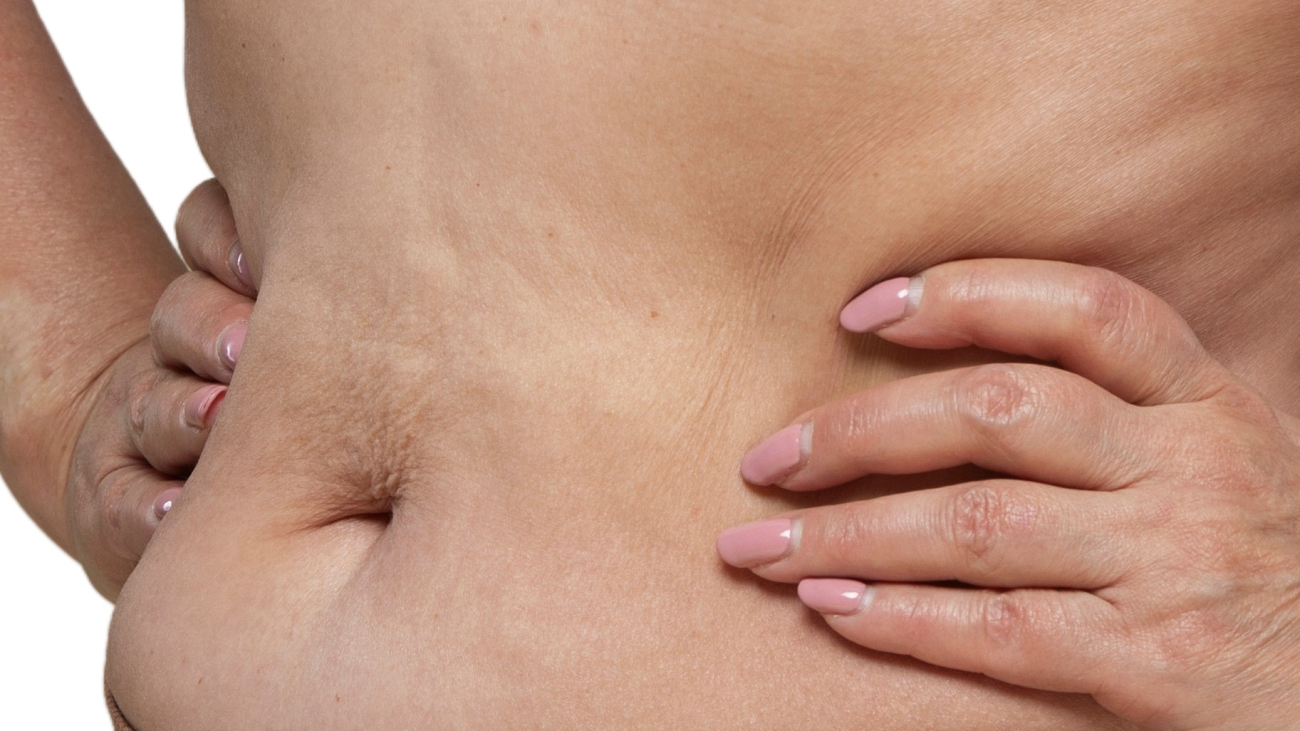
Portrait of beautiful young woman measuring her figure size with tape measure

Liposuction Impact on Metabolism and Long-Term Weight

Contents


Introduction

 
Liposuction is a popular cosmetic procedure aimed at removing localized fat deposits resistant to diet and exercise. While it effectively contours specific body areas by extracting fat cells, many patients are curious about its influence on overall metabolism and lasting weight control.
 
This article explores how liposuction impacts metabolic processes and what it means for sustaining weight loss. It also offers guidance on lifestyle strategies that complement the procedure, helping individuals maintain their new body shape and metabolic health over time.


Long-Term Metabolic Changes Following Liposuction

 
In the months and years after liposuction, the body typically adapts to fat removal without significant lasting changes in metabolic rate. Although the procedure reduces fat volume locally, it does not produce a sustained increase in energy expenditure.
 
Therefore, lasting weight stability is primarily supported by ongoing lifestyle habits such as proper nutrition and physical activity rather than the surgery itself. Recognizing this helps patients set realistic expectations regarding metabolic outcomes post-procedure.


Liposuction’s Role in Insulin Resistance and Glucose Metabolism


Factor


Effect on Metabolism
 
 
Clinical Implication
 
 
Patient Consideration


Fat Removal Amount


Decreases subcutaneous fat
 
 
May enhance insulin sensitivity
 
 
Not a substitute for diabetes care


Insulin Resistance


Potential minor improvement
 
 
Supports glucose regulation
 
 
Requires lifestyle management


Glucose Metabolism


Slight positive changes observed
 
 
May reduce glycemic variability
 
 
Individual responses vary


Long-Term Weight Management


No direct metabolic enhancement
 
 
Dependent on diet and exercise
 
 
Essential to maintain healthy habits


Impact of Liposuction on Type 2 Diabetes Management

 
While liposuction effectively removes subcutaneous fat, it does not target visceral fat, which plays a critical role in type 2 diabetes. As a result, the procedure alone does not significantly improve blood sugar control or insulin resistance.
 
Patients should view liposuction as a complementary measure rather than a treatment for diabetes. Proper diabetes management requires medical supervision, lifestyle modification, and regular monitoring. The procedure may slightly enhance insulin sensitivity but must be combined with standard care for meaningful metabolic benefits.


Comparing Liposuction and Abdominoplasty Effects on Metabolism


Procedure


Metabolic Impact
 
 
Fat Removal Focus
 
 
Weight Management Implications


Liposuction


Minimal effect on metabolic rate
 
 
Subcutaneous fat
 
 
Lifestyle changes are crucial


Abdominoplasty


Potential metabolic improvement via muscle tightening
 
 
Skin and fat
 
 
May aid slight metabolism increase


Both


Do not affect visceral fat or basal metabolism
 
 
External fat layers
 
 
Sustainable results depend on habits


Both surgeries alter body contour, but neither directly modifies basal metabolism substantially. Long-term benefits depend on maintaining healthy behaviors.


Fat Cell Removal and Its Influence on Basal Metabolic Rate

 
Removing fat cells through liposuction reduces fat mass but has limited effect on basal metabolic rate (BMR), which is more closely linked to lean body mass. The body’s metabolism tends to adjust to preserve energy balance, and fat may be redistributed if lifestyle factors are unchanged.
 
Achieving lasting metabolic health and weight control requires integrating dietary quality and regular exercise post-procedure. Monitoring changes and maintaining muscle mass support metabolic efficiency over time.


Liposuction and Its Effects on Metabolic Syndrome Parameters

 
By targeting excess subcutaneous fat, liposuction can positively influence some components of metabolic syndrome, including waist circumference, blood pressure, and lipid profiles. However, these effects are often modest and vary individually.
 
Sustained improvements in metabolic syndrome markers depend largely on continued lifestyle interventions alongside the procedure.
 
 
Parameter


Effect Post-Liposuction
 
 
Clinical Significance


Blood Pressure


Often modestly reduced
 
 
Decreases cardiovascular risk


Cholesterol Levels


May improve HDL/LDL ratio
 
 
Supports heart health


Waist Circumference


Decreases visibly
 
 
Reflects reduced abdominal fat


Weight Regain Risk After Liposuction: Metabolic Perspectives

 
Although liposuction permanently removes fat cells in treated areas, the overall metabolic rate may slightly decline due to lower fat mass. The body can compensate by storing fat in untreated regions if caloric intake exceeds expenditure.
 
Maintaining weight loss after liposuction requires:
 
  • Balanced calorie consumption
 
  • Preservation of muscle mass
 
  • Regular physical activity
 
  • Adequate hydration and sleep
 
  • Stress management to support metabolic health
 
Ongoing commitment to healthy habits is essential to minimize weight regain risk.


Liposuction’s Influence on Lipid Profiles and Cardiovascular Risk

 
Shortly after liposuction, some patients experience temporary reductions in total cholesterol and triglycerides. These lipid changes generally normalize within a few months without sustained impact unless accompanied by lifestyle modifications.
 
 
Lipid Parameter


Typical Post-Procedure Change
 
 
Duration
 
 
Cardiovascular Implication


Total Cholesterol


Decrease (~10%)
 
 
1-3 months
 
 
Minor transient risk improvement


Triglycerides


Decrease (~15%)
 
 
1-3 months
 
 
Moderate short-term benefit


HDL Cholesterol


Variable
 
 
Short-term
 
 
Minimal effect


LDL Cholesterol


Slight temporary decrease
 
 
Temporary
 
 
Minor positive influence


Long-term cardiovascular risk reduction depends on maintaining a heart-healthy lifestyle.


Mechanisms Behind Metabolic Benefits Post-Liposuction

 
The removal of fat cells during liposuction can reduce localized inflammation and improve insulin sensitivity in treated areas. These biological effects may transiently enhance metabolic function.
 
However, the procedure does not significantly change basal metabolic rate or prevent fat accumulation without concurrent lifestyle efforts. Combining surgery with balanced nutrition and exercise maximizes metabolic benefits and supports lasting weight management.


Evaluating Long-Term Weight Maintenance After Liposuction

 
Sustaining weight loss after liposuction hinges on lifestyle choices rather than metabolic changes induced by the procedure. Factors contributing to long-term maintenance include:
 
  • Consistent caloric balance
 
  • Regular physical activity
 
  • Nutrient-dense diets
 
  • Adequate hydration and sleep
 
  • Stress reduction strategies
 
  • Medical follow-up for personalized guidance
 
Understanding these factors equips patients to support their metabolism and maintain results effectively.


Liposuction-Induced Changes in Adipose Tissue Function

 
Removing fat cells alters the quantity and distribution of adipose tissue, which plays a role in hormonal signaling related to energy balance. Despite this, the body may adjust fat storage patterns elsewhere if lifestyle habits remain unchanged.
 
The procedure’s effect on metabolic rate is limited; therefore, adopting healthy behaviors is crucial for preserving fat loss and metabolic health long-term.


The Interplay Between Liposuction and Hormonal Regulation of Metabolism

 
Fat removal through liposuction can lead to minor, temporary shifts in hormones such as leptin and insulin that regulate appetite and fat storage. These hormonal changes typically do not cause significant alterations in metabolic rate.
 
Long-term metabolic control and weight management depend predominantly on diet, exercise, and overall lifestyle rather than the surgery alone.


Frequently Asked Questions (FAQ)

 
1. How does liposuction affect my body’s metabolism? Liposuction removes fat cells but does not significantly change your resting metabolic rate. Your body’s calorie-burning capacity remains largely unaffected.
 
2. Will liposuction help me lose weight permanently? The procedure sculpts body shape rather than serving as a weight-loss method. Fat in treated areas is permanently removed, but new fat can accumulate if lifestyle habits are not maintained.
 
3. How can I maintain liposuction results long-term? Sustaining results requires a nutritious diet and regular exercise. Healthy lifestyle choices are key to preventing fat regain in untreated areas.
 
4. Can liposuction improve metabolic health conditions like diabetes? Liposuction does not significantly impact visceral fat or metabolic diseases directly. Managing such conditions necessitates medical treatment and lifestyle changes.
 
5. Are there risks to my metabolism after liposuction? There is no evidence of adverse metabolic effects from liposuction. Adhering to post-operative care and healthy habits supports metabolic well-being.


Combining knowledge of liposuction’s metabolic effects with sustained lifestyle improvements empowers patients to achieve lasting body contour and health benefits. Clinic Wise is committed to guiding you through this journey with expert support.
Related Posts
Liposuction Surgery Body Countring
The Body Contouring Liposuction Surgery

A life-changing plastic surgery journey Are you tired by managing fat that won't go away despite all of your efforts Read more

Arm Lift Surgery or Liposuction?

Being overweight usually results in heavy upper arms, hence loose upper arm skin is most frequently associated with weight loss. Read more

Combining Brazilian Butt Lift (BBL) and 360 Liposuction for An hourglass figure

An hourglass figure can be gained with a Brazilian Butt Lift (BBL). It is possible to reshape the body into Read more

woman's body wearind dark blue swimsuit

Combining Liposuction and Tummy Tuck Benefits Explained


Table of Contents


Introduction

 
Achieving a flatter and firmer abdomen can be challenging when stubborn fat and loose skin persist despite diet and exercise. Combining liposuction and a tummy tuck addresses both issues in a single surgery, removing excess fat while tightening abdominal muscles and skin.
 
This integrated procedure offers improved body contouring and can be particularly beneficial for those seeking to restore a youthful belly after pregnancy or significant weight loss. Understanding how these surgeries complement each other helps patients make informed decisions about their treatment options.
 
This guide details the  combined surgery ’s benefits, the process, recovery expectations, and how it can enhance your overall appearance.
 

Benefits of Combining Liposuction and Tummy Tuck in One Surgery

 
Undergoing liposuction and a tummy tuck together delivers multiple advantages by simultaneously removing fat and tightening skin and muscles. Key benefits include:
 
  • Improved and balanced body shaping
 
  • Single anesthesia exposure
 
  • Streamlined recovery process
 
  • Reduced total surgery duration
 
  • Cost savings compared to separate procedures
 
  • Minimized scarring due to coordinated incisions
 
  • Enhanced muscle tightening
 
  • Effective removal of fat pockets
 
  • Lower overall complication risk
 
  • One hospital stay for convenience
 
  • Integrated surgical planning for optimal results
 
This approach allows patients to achieve refined contours efficiently while reducing downtime and expenses.
 

Ideal Candidates for a Combined Liposuction and Tummy Tuck Procedure

 
Patients best suited for a combined procedure generally have:
 
  • Stable body weight and good health
 
  • Moderate skin laxity around the abdomen
 
  • Localized fat deposits resistant to lifestyle changes
 
  • Adequate muscle tone for repair
 
  • No major medical conditions or smoking habits
 
  • Realistic expectations for surgical outcomes
 
  • Willingness to adhere to postoperative care instructions
 
  • Surgical clearance after thorough consultation
 
Selecting appropriate candidates ensures safety and maximizes the benefits of the combined surgery.
 

How Liposuction Enhances Tummy Tuck Results

 
Liposuction complements a tummy tuck by precisely sculpting areas that cannot be fully addressed by skin tightening alone. It effectively removes fat from flanks, waist, and lower abdomen, creating smoother transitions and enhancing overall silhouette.
 
By combining fat reduction with muscle repair and skin excision, patients achieve a more harmonious and defined contour. This synergy elevates the aesthetic outcome beyond what each procedure offers independently.
 

Safety Considerations When Combining Liposuction and Abdominoplasty


Safety Factor


Description
 
 
Patient Impact
 
 
Surgeon Role


Surgical Risks


Potential bleeding, infection, anesthesia effects
 
 
May affect recovery length and comfort
 
 
Careful risk assessment and management essential


Patient Preparation


Preoperative evaluations and lifestyle modifications
 
 
Improves surgical readiness and healing
 
 
Directs patient through necessary steps


Surgeon Expertise


Skill in combined procedures minimizes complications
 
 
Ensures safer surgery and better results
 
 
Critical in surgical planning and execution


Proper evaluation and surgical precision are vital to maintain safety when performing these procedures together.
 

What to Expect During a Combined Liposuction and Tummy Tuck Operation

 
The combined surgery generally follows these steps:
 
  • Administration of anesthesia
 
  • Small incisions for liposuction cannulas to remove targeted fat
 
  • Larger incision to separate skin and tighten abdominal muscles
 
  • Excision of excess skin
 
  • Suturing to secure tightened muscles and skin
 
  • Placement of drains if required
 
  • Application of dressings and compression garments
 
This coordinated approach addresses both fat and skin laxity in a single session for enhanced contouring.
 

Recovery Timeline After Undergoing Both Liposuction and Tummy Tuck


Time Frame


Typical Symptoms
 
 
Recovery Milestones


1-2 weeks


Swelling, bruising, mild discomfort
 
 
Begin gentle walking, limit activity


3-4 weeks


Decreasing swelling, numbness may persist
 
 
Resume light daily activities, continue compression use


6-8 weeks


Improved comfort, skin tightening noticeable
 
 
Gradual return to moderate exercise with medical approval


3-6 months


Scars mature, contour stabilizes
 
 
Full recovery expected, final results visible


Adhering to this timeline supports safe healing and optimal surgical outcomes.
 

Comparing Costs Combined Procedure vs Separate Surgeries


Procedure Type


Average Cost (USD)
 
 
Recovery Time (Weeks)
 
 
Key Advantages


Liposuction Only


4,000
 
 
4
 
 
Targeted fat removal


Tummy Tuck Only


7,500
 
 
6
 
 
Skin tightening and muscle repair


Combined Procedure


10,000
 
 
6
 
 
Single recovery, cost-effective


Choosing the combined option reduces multiple anesthesia exposures and consolidates recovery, offering financial and time efficiencies.
 

The Role of Lipo 360 in Enhancing Tummy Tuck Outcomes

 
Lipo 360 expands liposuction to encompass the entire midsection, including the abdomen, waist, and back. When paired with a tummy tuck, it promotes a seamless and natural hourglass shape by addressing fat circumferentially.
 
This comprehensive fat removal technique enhances body proportions more effectively than targeting isolated areas, supporting a balanced and refined contour.
 

Surgical Techniques for Safely Combining Liposuction with Abdominoplasty

 
To ensure safety and optimal results, surgeons employ:
 
  • Careful staging and volume control of liposuction
 
  • Preservation of blood vessels to maintain tissue viability
 
  • Use of tension-reducing sutures to promote healing
 
  • Avoidance of excessive skin and fat removal
 
  • Meticulous control of bleeding
 
  • Proper patient positioning during surgery
 
  • Detailed preoperative assessment
 
  • Coordinated anesthesia monitoring
 
These strategies minimize complications while maximizing aesthetic outcomes.
 

Potential Risks and Complications of Combined Liposuction and Tummy Tuck

 
Although generally safe, combined surgery carries risks such as:
 
  • Infection
 
  • Bleeding or hematoma formation
 
  • Fluid accumulation (seroma)
 
  • Skin contour irregularities or asymmetry
 
  • Delayed wound healing
 
  • Temporary or permanent numbness
 
  • Blood clots (deep vein thrombosis)
 
  • Scarring issues
 
  • Anesthetic reactions
 
  • Rare fat embolism or organ injury
 
Experienced surgeons employ preventive measures and close monitoring to reduce these risks.
 

How to Prepare for a Combined Liposuction and Tummy Tuck Procedure

 
Preparation steps include:
 
  • Ceasing smoking at least four weeks before surgery
 
  • Avoiding blood thinners and certain supplements
 
  • Maintaining stable weight and good nutrition
 
  • Arranging for help and transportation post-surgery
 
  • Following preoperative fasting and medical instructions
 
  • Informing the surgeon of any health changes
 
  • Organizing a comfortable recovery environment
 
  • Wearing loose clothing on surgery day
 
  • Hydrating and eating balanced meals before the procedure
 
Proper preparation supports smoother surgery and recovery.
 

Postoperative Care Tips After a Combined Liposuction and Tummy Tuck


  • Adhering to wound care guidelines
 
  • Wearing compression garments as recommended
 
  • Consuming a protein-rich, balanced diet
 
  • Avoiding strenuous activities for several weeks
 
  • Staying well-hydrated
 
  • Attending all follow-up appointments
 
  • Sleeping with upper body elevated to reduce swelling
 
  • Monitoring for unusual symptoms and reporting promptly
 
  • Gradually increasing gentle movement to enhance circulation
 
  • Avoiding smoking and alcohol during healing
 
  • Taking prescribed medications as directed
 
These practices promote healing and reduce complications.
 

Long-Term Results of Combining Liposuction and Tummy Tuck

 
With proper care, patients enjoy lasting improvements including firmer, smoother abdominal contours. Maintaining results relies on healthy lifestyle choices such as balanced diet and regular exercise.
 
Routine follow-ups help monitor scar maturation and address any ongoing concerns, ensuring sustained satisfaction with body shape.
 

Differences Between Standalone Tummy Tuck and Combined Procedures


Aspect


Standalone Tummy Tuck
 
 
Combined Liposuction & Tummy Tuck
 
 
Notes


Outcome


Focused on skin tightening and muscle repair
 
 
Adds fat removal for enhanced sculpting
 
 
Combined approach yields more comprehensive body contouring


Recovery


Typically 2-4 weeks
 
 
May be longer due to added liposuction
 
 
Individual variation applies


Risks


Infection, scarring, fluid buildup
 
 
Increased swelling and bruising possible
 
 
Proper patient selection mitigates risks


Understanding these distinctions aids in choosing the appropriate surgical plan.
 

Frequently Overlooked Benefits of Combining Liposuction with Tummy Tuck

 
Beyond primary contouring, combined surgery can:
 
  • Improve skin contraction
 
  • Reduce fluid buildup post-op
 
  • Enhance muscle repair effectiveness
 
  • Create more proportionate body shape
 
  • Shorten total recovery duration
 
  • Decrease uneven fat deposits
 
  • Provide sharper definition
 
  • Lower swelling and bruising risks
 
  • Increase long-term satisfaction
 
  • Improve comfort throughout healing
 
These factors contribute to a more natural, confident postoperative experience.
 

FAQ

 
1. What are the main advantages of combining liposuction with a tummy tuck? This combination allows simultaneous removal of excess fat and tightening of abdominal skin and muscles, resulting in a smoother, more contoured abdomen and enhanced waistline definition.
 
2. Is it safe to undergo liposuction and tummy tuck procedures at the same time? Yes, with a qualified surgeon and thorough preoperative evaluation, it is a safe approach that reduces overall anesthesia exposure and recovery time.
 
3. How does combining liposuction with a tummy tuck affect recovery time? Recovery may be slightly extended compared to a tummy tuck alone due to additional tissue work, but patients benefit from addressing multiple concerns in one surgery, minimizing total downtime.
 
4. Who is an ideal candidate for combining liposuction and tummy tuck? Ideal candidates have stable weight, localized fat pockets, moderate skin laxity, good overall health, and realistic expectations.
 
5. What should I expect during the consultation for combined liposuction and tummy tuck? Your surgeon will evaluate your health, discuss your goals, explain the combined procedure’s benefits and risks, and tailor a personalized surgical plan.
 
Combining these procedures can significantly enhance body contouring results with expert care and detailed planning—making your path to confidence smoother and safer. Trust Clinic Wise for your surgical excellence.
Related Posts
Understanding the Relationship Between Tummy Tuck Surgery and Weight Loss

Weight Loss and Tummy Tuck Surgery Examine the impact of stomach tuck surgery on body contouring and weight loss. Discover Read more

Differences between Tummy Tuck and J-Plasma

What is Tummy Tuck? Abdominoplasty, a tummy tuck, is an aesthetic surgical surgery used to enhance the physical appearance and Read more

Liposuction Surgery Body Countring
The Body Contouring Liposuction Surgery

A life-changing plastic surgery journey Are you tired by managing fat that won't go away despite all of your efforts Read more