


5

Innovative Approaches to Strengthen Core Beyond Tummy Tuck

Tummy Tuck and Diastasis Recti: Core Strengthening Innovations


Introduction

 
A weakened core can make everyday tasks such as lifting, bending, or standing difficult. This often results from diastasis recti, where the abdominal muscles separate, compromising posture and core stability. While tummy tuck surgery is a common solution to restore muscle integrity, there are alternative methods worth considering.
 
This article highlights cutting-edge non-surgical options and rehabilitation strategies that rebuild abdominal strength safely and effectively. By combining technology, physical therapy, and lifestyle changes, these approaches offer comprehensive care to improve core function. Whether preparing for surgery or seeking other solutions, understanding these innovations helps you make informed choices for lasting wellness.
 
We also discuss how integrating new rehabilitation techniques with surgery enhances abdominal muscle restoration, providing a holistic approach to recovery and core stability.
 

Innovative Non-Surgical Techniques to Repair Diastasis Recti

 
Non-surgical treatments aim to restore abdominal muscle function and reduce the muscle gap without invasive procedures. These approaches can complement or serve as alternatives to tummy tuck surgery by activating muscles and improving tissue quality through advanced methods. Customized rehabilitation plans optimize recovery and strengthen the core. Notable techniques include:
 
  • Specialized abdominal binders
 
  • Electrical muscle stimulation
 
  • Targeted physical therapy
 
  • Biofeedback training
 
  • Ultrasound-guided activation
 
  • Dynamic core programs
 
  • Functional movement retraining
 
  • Postural adjustments
 
  • Respiratory muscle exercises
 
  • Non-invasive tissue remodeling
 
  • Progressive resistance work
 
  • Integrated rehabilitation protocols
 
These methods provide effective options for enhancing abdominal wall strength while avoiding surgical risks.
 

Combining Physical Therapy and Core Strengthening for Diastasis Recti

 
Integrating personalized physical therapy with tummy tuck surgery improves patient outcomes by targeting weak abdominal muscles. This combination encourages gradual recovery of core strength and stability beyond surgical repair, lowering chances of relapse. Innovative rehabilitation promotes better posture and functional movement through monitored progress, ensuring treatment adapts to individual needs. This multidisciplinary approach balances surgical correction with therapeutic care, fostering safe and confident restoration of abdominal muscle function.
 

The Role of HI-EMT Technology in Enhancing Core Muscle Repair

 
High-Intensity Electromagnetic Therapy (HI-EMT) offers a non-invasive modality to boost core muscle recovery post-tummy tuck. By delivering electromagnetic pulses, it induces strong muscle contractions that enhance strength without additional surgery. When combined with surgical repair, HI-EMT accelerates healing and supports efficient restoration of abdominal muscles. Key advantages include:
 
  • Non-invasive stimulation
 
  • Increased muscle contraction intensity
 
  • Support for post-surgical recovery
 
  • Faster core strengthening
 
  • Improved muscle integrity
 
  • Reduced downtime
 
  • Complementary to tummy tuck
 
  • Targeted muscle activation
 
  • FDA-approved safety
 
  • Reduced physical strain
 
  • Consistent therapy application
 
This technology represents a significant advancement in postoperative rehabilitation for robust core restoration.
 

Holistic Postpartum Core Restoration Beyond Tummy Tuck Surgery


Approach


Description
 
 
Benefits
 
 
Evidence Source


Nutritional Optimization


Balanced intake of protein and vitamins aids muscle regeneration after childbirth.
 
 
Supports natural tissue repair
 
 
Clinical nutrition studies


Targeted Physical Therapy


Exercises focused on pelvic floor and transverse abdominis improve core strength without surgery.
 
 
Gradual muscle improvement
 
 
Rehabilitation research


Mind-Body Techniques


Mindfulness and stress management promote hormonal balance that affects healing.
 
 
Enhances psychological well-being
 
 
Psychosomatic medicine reviews


Combined Surgical Rehab


Rehabilitation protocols post-surgery speed up abdominal muscle recovery.
 
 
Ensures durable structural support
 
 
Surgical outcome analyses


How Targeted Exercises Can Complement Tummy Tuck Procedures?

 
Specific exercises enhance tummy tuck results by preparing and strengthening the abdominal muscles. Preoperative routines improve muscle tone, while postoperative guidance supports healing and preserves core strength. These targeted movements reduce the risk of muscle separation recurrence and encourage functional recovery, facilitating better posture and ease in daily activities. When combined with surgery, exercise-based rehabilitation maximizes abdominal muscle integrity.
 

Exploring Drainless Tummy Tuck Benefits for Core Strength

 
Drainless tummy tuck methods reduce complications associated with fluid accumulation, leading to a smoother recovery. This surgical innovation allows quicker return to activity and supports earlier initiation of core-strengthening exercises. Benefits of this approach include:
 
  • Lower seroma risk
 
  • Shortened recovery period
 
  • Decreased postoperative discomfort
 
  • Enhanced wound healing
 
  • Faster resumption of core workouts
 
  • Reduced reliance on drains
 
  • Improved mobility
 
  • Support for strengthening protocols
 
  • Fewer infections
 
  • Superior cosmetic results
 
These advantages facilitate efficient healing and help restore core stability more rapidly.
 

Understanding the Impact of Diastasis Recti on Core Stability

 
Separation of the abdominal muscles in diastasis recti compromises posture, balance, and respiration. Addressing this condition is key to regaining core stability and overall function. Combining surgical repair with rehabilitation techniques rebuilds muscle integrity and improves patient quality of life. Effects of diastasis recti include:
 
  • Increased strain on the back due to poor posture
 
  • Higher risk of falls from impaired balance
 
  • Limited breathing efficiency from shallow respiration
 
  • Weakened support from separated muscles
 
Effective treatment integrates muscle repair with physical therapy to restore core strength and functional movement.
 

Advances in Minimally Invasive Approaches to Diastasis Recti

 
Minimally invasive surgery for diastasis recti reduces scarring and accelerates recovery while realigning abdominal muscles. Smaller incisions and advanced instruments enable precise correction during a tummy tuck. Combining this with innovative rehabilitation promotes lasting core strength and enhances patient comfort. These techniques provide safer, more efficient alternatives to traditional open surgery, facilitating quicker return to normal activities with improved muscle integrity.
 

Integrating Lifestyle Changes to Support Core Healing After Surgery

 
Postoperative success depends greatly on lifestyle habits that support healing and maintain abdominal strength. Alongside surgical and rehabilitative care, consider the following:
 
  • Maintain ergonomic posture
 
  • Consume nutrient-rich foods for tissue repair
 
  • Practice deep breathing to alleviate stress
 
  • Engage in gentle core activation exercises
 
  • Avoid heavy lifting initially
 
  • Stay well-hydrated
 
  • Attend regular physical therapy
 
  • Prioritize quality sleep
 
  • Use supportive garments as recommended
 
  • Limit prolonged sitting or standing
 
  • Manage stress through mindfulness
 
  • Gradually increase activity intensity
 
Incorporating these habits complements rehabilitation efforts and fosters a resilient, balanced core.
 

The Science Behind Core Strengthening Without Abdominal Surgery

 
Core muscles strengthen through controlled loading and neuromuscular stimulation, enabling improvement without surgery. Techniques such as targeted exercises and electromagnetic stimulation activate muscle fibers and promote collagen remodeling, enhancing abdominal wall integrity. When used alongside surgical repair, these methods optimize recovery and minimize risks. The table below outlines physiological effects and clinical benefits:
 
 
Method


Physiological Effect
 
 
Clinical Benefit
 
 
Integration with Surgery


Targeted Exercise


Muscle hypertrophy
 
 
Enhanced core stability
 
 
Supports surgical repair


Electromagnetic Stimulation


Neuromuscular activation
 
 
Faster muscle strengthening
 
 
Complements muscle healing


Collagen Remodeling


Tissue regeneration
 
 
Restores abdominal strength
 
 
Maintains long-term integrity


Load Management


Adaptive response
 
 
Reduces recurrence
 
 
Facilitates gradual recovery


Comparing Surgical and Non-Surgical Approaches for Diastasis Recti

 
Surgical repair via tummy tuck delivers immediate closure of muscle gaps with predictable outcomes but involves longer recovery and potential complications. Conversely, non-surgical strategies focus on progressive muscle strengthening through physical therapy and rehabilitation, minimizing invasiveness and downtime. Combining both approaches yields optimal core stability, tailoring treatment to patient needs and balancing safety with effectiveness for functional and aesthetic improvements.
 

Personalized Core Rehabilitation Plans After Tummy Tuck Surgery

 
Individualized rehab programs accelerate healing and restore abdominal function post-surgery. These plans address specific muscle weaknesses and promote core strength using innovative techniques. Regular assessments guide progression, ensuring effective recovery. Essential components include:
 
  • Assessing abdominal separation
 
  • Gradual core exercise introduction
 
  • Biofeedback and electrical stimulation
 
  • Breathing exercises to engage core
 
  • Posture and ergonomic advice
 
  • Pain control methods
 
  • Nutritional support
 
  • Progress tracking
 
  • Functional movement training
 
  • Patient education on activities
 
  • Psychological support
 
  • Long-term maintenance strategies
 
This personalized approach fosters sustained core strength and reduces the chance of recurrence.
 

Frequently Asked Questions

 
What is diastasis recti and how does it affect core strength? Diastasis recti is the separation of abdominal muscles, commonly after pregnancy or weight changes, weakening the core and leading to poor posture and instability.
 
How does a tummy tuck surgery help restore abdominal muscle integrity in diastasis recti? A tummy tuck repairs separated muscles by suturing them together, strengthening the core and improving posture, often also addressing excess skin.
 
Are there new rehabilitation methods to strengthen the core after tummy tuck surgery? Yes, modern rehabilitation combines targeted physical therapy and neuromuscular training to enhance muscle function beyond surgery alone.
 
Can non-surgical treatments effectively address diastasis recti and improve core strength? Mild cases may respond well to specialized exercises and therapy, while severe separations generally require surgical intervention for full restoration.
 
What should patients expect during recovery when combining tummy tuck surgery with new rehabilitation techniques? Recovery involves tailored programs with gradual strengthening and posture training, promoting faster healing, improved core function, and reduced relapse risk.
 
Clinic Wise is committed to guiding you through advanced, personalized care for successful core restoration.
Related Posts
Understanding the Relationship Between Tummy Tuck Surgery and Weight Loss

Weight Loss and Tummy Tuck Surgery Examine the impact of stomach tuck surgery on body contouring and weight loss. Discover Read more
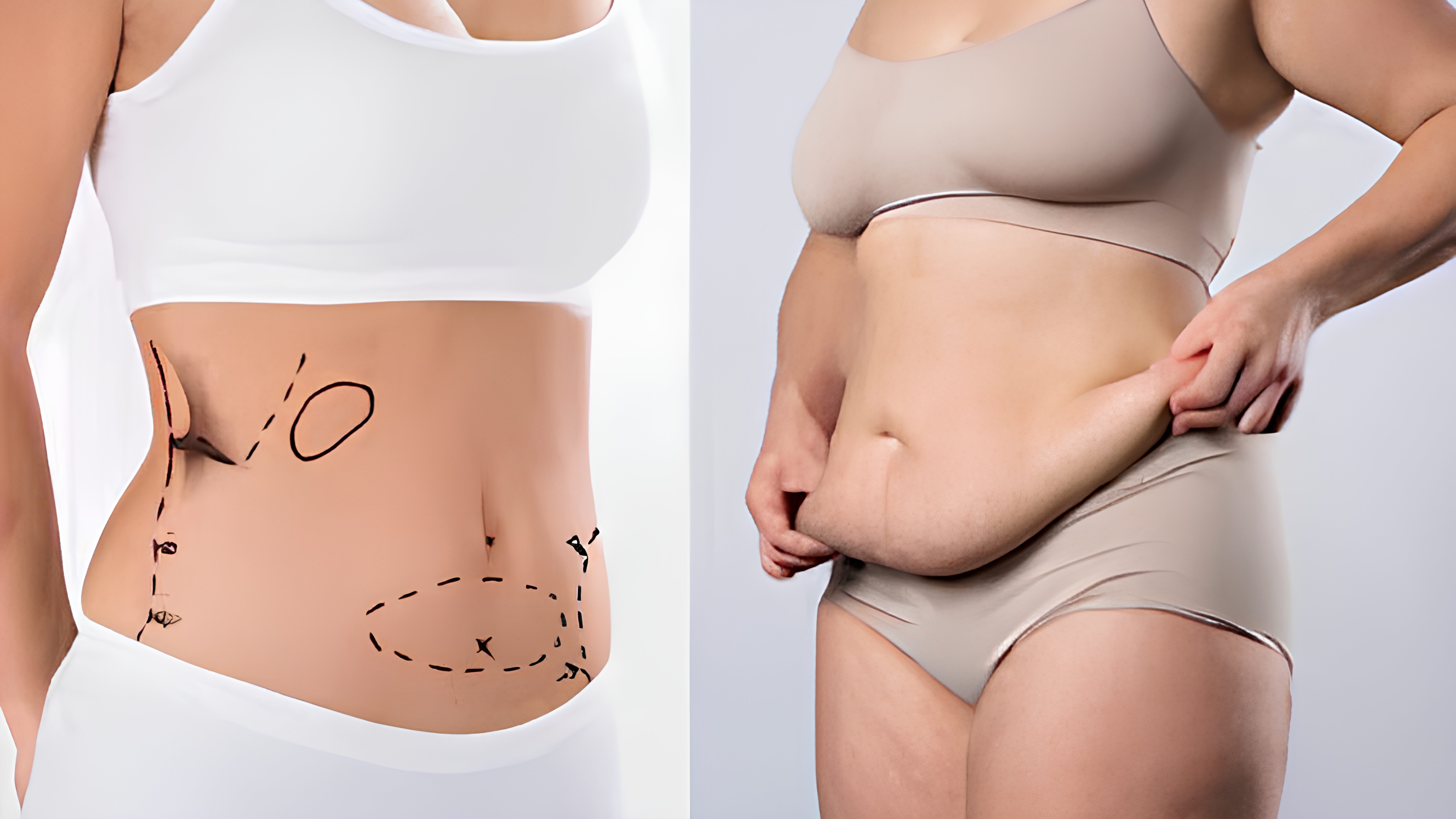
Differences between Tummy Tuck and J-Plasma

What is Tummy Tuck? Abdominoplasty, a tummy tuck, is an aesthetic surgical surgery used to enhance the physical appearance and Read more
Discover the Skin Tightening Treatment Option for You

Maintaining smooth, supple skin on your face and body might become more difficult as you age, even with proactive regular Read more


Woman body fat belly. Obese woman hands holding excessive tummy fat. Change diet lifestyle concept to shape up healthy stomach muscle. Studio anonymous shot photo of body parts.

Tummy Tuck After Weight Loss: Skin and Muscle Repair Guide

Tummy Tuck for Post-Weight Loss Patients: Managing Excess Skin and Muscle Laxity


Table of Contents


Introduction

 
Significant weight loss often results in loose abdominal skin and weakened muscles, creating both functional and aesthetic concerns. Excess skin can cause discomfort and hygiene issues, while weakened abdominal muscles may impair posture and core stability.
 
Abdominoplasty, commonly known as a tummy tuck, addresses these issues by removing redundant skin and tightening muscles to restore a firmer abdominal profile. This procedure enhances physical comfort, improves appearance, and boosts self-confidence.
 
This article covers surgical techniques tailored for post-weight loss patients, optimal timing for surgery, and recovery expectations, providing essential information for those considering this transformative procedure.
 

Addressing Excess Skin Removal in Post-Weight Loss Tummy Tuck Procedures

 
Following major weight loss, the skin often fails to retract due to loss of elasticity and prolonged stretching. A tummy tuck removes this surplus skin, reshaping the abdominal area to achieve a smoother contour.
 
Important aspects include:
 
  • Excess skin results primarily from skin overstretching during weight gain.
 
  • The amount and location of skin excess guide surgical planning.
 
  • Removal of redundant skin improves mobility and reduces irritation.
 
  • Precise incision placement limits visible scarring.
 
  • The procedure is customized to the patient’s unique anatomy.
 
By eliminating excess skin, the surgery restores both function and aesthetics, enhancing patient comfort and appearance.
 

Repairing Muscle Laxity During Abdominoplasty After Major Weight Loss

 
Abdominal muscle separation, or diastasis recti, frequently accompanies significant weight loss. Repairing this defect is a crucial part of abdominoplasty to restore abdominal wall integrity.
 
Surgical repair involves:
 
  • Suturing the separated muscles to reinforce core strength.
 
  • Improving posture and reducing associated back discomfort.
 
  • Enhancing the abdominal contour alongside skin removal.
 
  • Adapting techniques based on the extent of muscle laxity.
 
Addressing muscle laxity optimizes both functional support and cosmetic outcomes after weight loss.
 

Comparing Extended and Traditional Tummy Tuck Techniques for Skin Laxity


Technique


Ideal Candidates
 
 
Skin Laxity Addressed
 
 
Incision Length


Traditional Tummy Tuck


Moderate localized skin excess
 
 
Targets central abdominal area
 
 
Standard lower abdominal incision


Extended Tummy Tuck


Extensive laxity including flanks
 
 
Addresses broader skin areas
 
 
Longer incision extending to sides


| Recovery Time | Approximately 2-4 weeks | Depends on surgical extent | Extended procedure requires longer recovery | | Results Longevity | Durable abdominal contour | Comprehensive body shaping | Provides enhanced waistline definition |
 
Selection depends on the distribution and severity of skin laxity, balancing correction needs with recovery considerations.
 

Timing Considerations for Tummy Tuck Surgery After Significant Weight Loss

 
Optimal timing enhances surgical success and healing:
 
  • Surgery is best scheduled after weight has stabilized for several months.
 
  • Avoid operations during ongoing weight loss or fluctuations.
 
  • Allow skin and tissues to adjust naturally before intervention.
 
  • Discuss overall health and lifestyle factors with your surgeon.
 
  • Plan for sufficient recovery and postoperative care.
 
Appropriate timing minimizes complications and supports lasting results.
 

Surgical Planning Strategies to Optimize Results in Post-Weight Loss Abdominoplasty

 
Successful outcomes begin with thorough preoperative evaluation:
 
  • Assess skin quality, fat distribution, and muscle condition.
 
  • Develop an individualized surgical approach tailored to anatomy.
 
  • Employ precise techniques to reduce risks and enhance healing.
 
  • Align surgical goals with patient expectations through detailed consultation.
 
This comprehensive planning maximizes safety and aesthetic results.
 

Managing Scar Placement and Healing in Post-Bariatric Tummy Tuck Patients

 
Scar management techniques focus on minimizing visibility and promoting healing:
 
  • Incisions are placed in natural creases or low on the abdomen.
 
  • Use of layered suturing supports tissue strength and reduces tension.
 
  • Postoperative care includes scar massage and silicone-based treatments.
 
  • Patients receive specific guidance to prevent infection and support recovery.
 
  • Early mobilization improves circulation and wound healing.
 
These strategies contribute to improved scar outcomes and patient satisfaction.
 

Impact of Weight Loss Methods on Tummy Tuck Surgical Approach and Outcomes

 
The nature of prior weight loss influences surgery planning:
 
  • Bariatric surgery patients frequently present with more extensive skin laxity and muscle weakness.
 
  • Weight loss through lifestyle changes may result in less severe skin redundancy but variable muscle tone.
 
  • Surgeons customize techniques considering these differences to optimize healing and aesthetics.
 
Understanding each patient’s weight loss background helps tailor effective treatment plans.
 

Balancing Skin Removal Extent With Functional and Aesthetic Goals

 
Achieving a harmonious balance between skin excision and overall results is essential:
 
 
Factor


Functional Benefit
 
 
Aesthetic Outcome
 
 
Consideration


Skin Removal Extent


Reduces discomfort, enhances mobility
 
 
Creates firmer abdominal shape
 
 
Avoid excessive tension


Muscle Repair


Supports core stability
 
 
Provides flatter abdominal area
 
 
Customized to muscle condition


Scar Placement


Minimizes irritation
 
 
Conceals scars effectively
 
 
Strategic positioning


Patient Anatomy


Addresses specific laxity patterns
 
 
Maintains natural proportions
 
 
Personalized surgical design


Tailored planning ensures both comfort and a pleasing appearance.
 

Postoperative Recovery Challenges Unique to Post-Weight Loss Tummy Tuck Patients

 
Recovery may involve specific challenges:
 
  • Healing may be slower due to skin quality.
 
  • Risk of infection and scarring requires close monitoring.
 
  • Muscle weakness can limit mobility initially.
 
  • Swelling and fluid retention are common post-surgery.
 
  • Use of compression garments and adjusted pain control aid recovery.
 
  • Gradual resumption of activities supports safe healing.
 
Awareness of these factors helps prepare patients for the recovery process.
 

Combining Muscle Repair and Excess Skin Excision for Optimal Contouring

 
Addressing both muscle laxity and excess skin simultaneously yields superior contouring:
 
  • Muscle repair restores function and core stability.
 
  • Skin excision refines the abdominal silhouette.
 
  • This combined approach respects individual patient anatomy and goals.
 
  • It promotes balanced aesthetic and functional improvements.
 
Such comprehensive treatment is often essential after significant weight loss.
 

Evaluating When a Body Lift Is Preferred Over a Tummy Tuck After Weight Loss

 
Selection between procedures depends on skin excess patterns:
 
  • Tummy tuck focuses on the abdominal region alone.
 
  • Body lifts address circumferential skin redundancy including thighs and buttocks.
 
  • Patient health, prior surgeries, and body shape influence the decision.
 
  • Specialist evaluation ensures the most appropriate surgical plan.
 
Choosing the correct procedure optimizes overall contouring and recovery.
 

Long-Term Maintenance and Outcomes Following Muscle and Skin Correction Surgery

 
Sustaining results involves lifestyle commitment:
 
  • Maintaining a stable weight through balanced diet is crucial.
 
  • Regular physical activity supports muscle tone and abdominal strength.
 
  • Follow-up care allows early identification of any issues.
 
  • Patients benefit from understanding the role of lifestyle in preserving outcomes.
 
Long-term adherence enhances durability of improvements and patient satisfaction.
 

Frequently Asked Questions

 
What surgical techniques are used in a tummy tuck for patients after significant weight loss? Techniques typically include removal of excess skin combined with repair of abdominal muscle separation. The approach is customized based on the extent of skin redundancy and muscle laxity to achieve natural, lasting results.
 
How does a tummy tuck address excess skin differently after major weight loss? Post-weight loss skin often lacks elasticity and forms folds. The procedure precisely excises this skin and repositions remaining tissue to create a smoother and more comfortable abdominal contour.
 
Is muscle laxity common after weight loss, and how is it treated during surgery? Muscle separation is frequently seen in these patients. Surgeons repair this by suturing muscles together, restoring core strength and improving posture.
 
What should patients expect during recovery from a post-weight loss tummy tuck? Recovery includes swelling and discomfort initially, with gradual improvement over weeks. Compression garments and adherence to postoperative instructions facilitate healing and contour refinement.
 
Can a tummy tuck improve both function and appearance for post-weight loss patients? Yes. The surgery addresses loose skin and muscle laxity, enhancing abdominal strength, mobility, and aesthetic appearance, leading to improved confidence and quality of life.
 
Clinic Wise is dedicated to providing expert care for patients seeking abdominal contouring after significant weight loss.
Related Posts
Understanding the Relationship Between Tummy Tuck Surgery and Weight Loss

Weight Loss and Tummy Tuck Surgery Examine the impact of stomach tuck surgery on body contouring and weight loss. Discover Read more

Differences between Tummy Tuck and J-Plasma

What is Tummy Tuck? Abdominoplasty, a tummy tuck, is an aesthetic surgical surgery used to enhance the physical appearance and Read more

Discover the Skin Tightening Treatment Option for You

Maintaining smooth, supple skin on your face and body might become more difficult as you age, even with proactive regular Read more
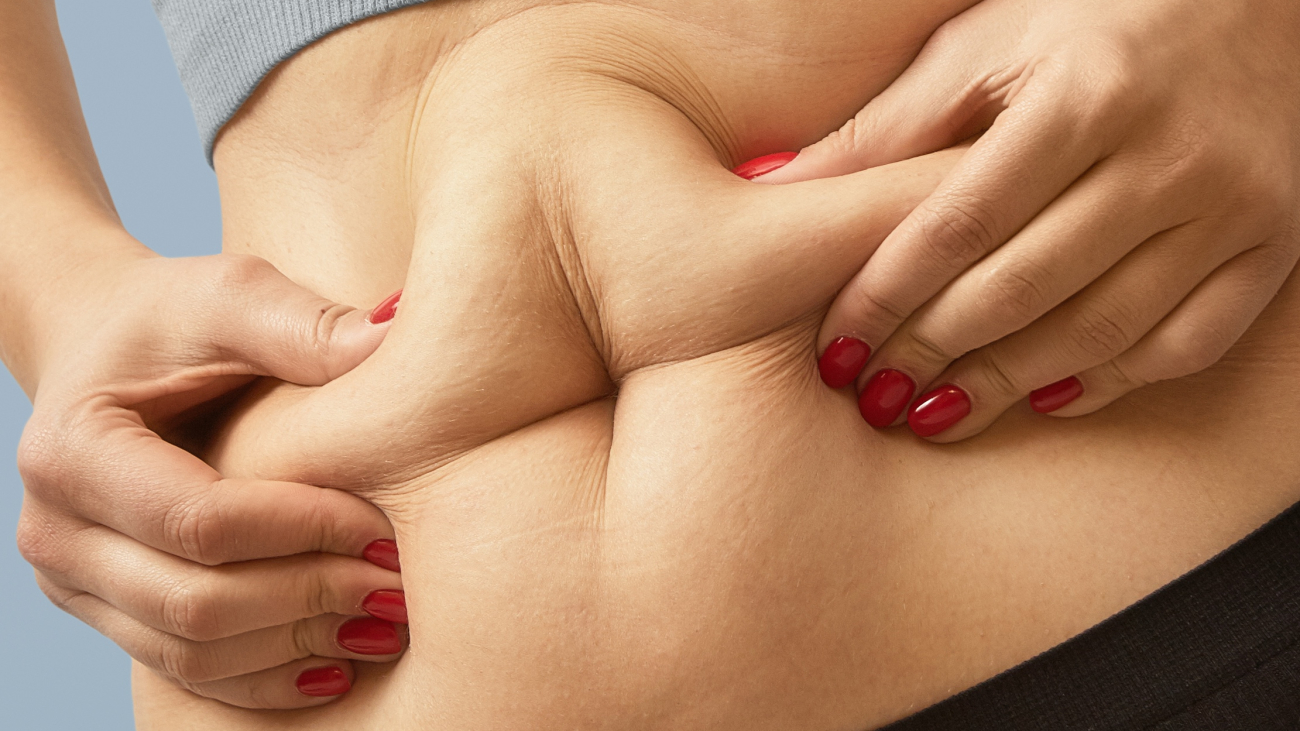
Woman body fat belly. Obese woman hands holding excessive tummy fat. Change diet lifestyle concept to shape up healthy stomach muscle. Studio anonymous shot photo of body parts.

Safe Tummy Tuck Surgery for Diabetic Patients | Precautions

Tummy Tuck Surgery Safety for Diabetic Patients


Table of Contents


Introduction

 
Undergoing a tummy tuck offers many the chance to achieve a firmer abdominal contour. For individuals with diabetes, understanding the unique challenges this condition poses to surgery and recovery is vital. Diabetes influences the body’s healing mechanisms and can increase the likelihood of postoperative complications.
 
This article outlines essential guidelines and precautions to help diabetic patients approach abdominoplasty safely. It covers preparation strategies, blood sugar management, and postoperative care designed to optimize healing and reduce risks. Gaining this knowledge empowers patients and their medical teams to ensure the best possible outcomes.
 
Whether you are exploring surgery options or preparing for an upcoming procedure, this guide delivers clear insights on navigating tummy tuck surgery with diabetes in mind.
 

Safety Considerations for Tummy Tuck Surgery in Diabetic Patients

 
Performing a tummy tuck on diabetic patients demands meticulous evaluation to address elevated risks. Prioritizing blood glucose stabilization before surgery is critical to minimizing complications. In addition, assessing cardiovascular status and wound healing ability supports tailored treatment planning.
 
During recovery, vigilant monitoring for infection signs and wound integrity is necessary. A coordinated approach involving surgeons, endocrinologists, and nursing staff enhances patient safety.
 
Important safety elements include:
 
  • Maintaining optimal pre- and postoperative blood sugar levels
 
  • Comprehensive cardiovascular and metabolic assessments
 
  • Rigorous infection prevention protocols
 
  • Use of anesthesia compatible with diabetes management
 
  • Patient education emphasizing self-care and symptom awareness
 
  • Scheduling timely follow-ups to detect and address issues early
 
Implementing these measures contributes to safer surgical experiences for diabetic individuals seeking abdominoplasty.
 

How Diabetes Affects Healing After Tummy Tuck Surgery

 
Diabetes impairs wound repair primarily by disrupting blood flow and immune defenses. Elevated glucose levels reduce oxygen delivery to tissues and compromise the body’s infection-fighting capacity. Consequently, healing after a tummy tuck may be slower, and complications like infections or wound breakdown are more common.
 
Effective perioperative blood sugar management is essential to support tissue regeneration and reduce adverse events. Surgeons tailor their techniques and postoperative instructions accordingly to enhance recovery prospects for diabetic patients.
 

Preoperative Preparations for Diabetic Patients Undergoing Tummy Tuck

 
Proper preparation before surgery is key to minimizing risks in diabetic patients. Stabilizing blood glucose and optimizing overall health lays the groundwork for successful healing.
 
Recommended preoperative steps include:
 
  1. Detailed consultation with your surgeon and diabetes specialist
 
  1. Achieving consistent blood sugar control over several weeks
 
  1. Adjusting diabetes medications under medical supervision
 
  1. Eliminating tobacco and alcohol intake
 
  1. Eating a nutrient-rich diet and staying well-hydrated
 
  1. Completing all required laboratory and diagnostic tests
 
  1. Informing the medical team about any current infections or wounds
 
  1. Planning for adequate postoperative support and wound care
 
Adhering to these guidelines helps prepare the body for surgery and reduces the likelihood of complications.
 

Managing Blood Sugar Levels to Ensure Safe Abdominoplasty Outcomes

 
Strict regulation of blood sugar before and after tummy tuck surgery is fundamental for healing success. Elevated glucose impairs immune function and delays tissue repair, increasing susceptibility to infection.
 
Key blood sugar management practices include:
 
  • Frequent glucose monitoring throughout the surgical period
 
  • Following prescribed medication regimens without deviation
 
  • Maintaining balanced meals that support stable glucose levels
 
  • Avoiding factors that cause blood sugar spikes, such as stress and inactivity
 
  • Communicating any symptoms of hypo- or hyperglycemia promptly to healthcare providers
 
  • Coordinating care closely with endocrinologists for medication adjustments
 
  • Ensuring sufficient hydration to aid metabolic function
 
  • Abstaining from smoking and alcohol to optimize vascular health
 
These measures collectively foster safer surgery and smoother recovery.
 

Risks and Complications of Tummy Tuck Surgery in Diabetic Individuals

 
Diabetic patients face a higher incidence of certain postoperative complications due to systemic effects of their condition. Understanding these risks allows for informed decision-making and preparation.
 
Potential complications include:
 
  • Prolonged wound healing times linked to vascular insufficiency
 
  • Increased likelihood of infections at the surgical site
 
  • Higher risk of blood clot formation due to altered circulation
 
  • Accumulation of fluid under the skin (seroma)
 
  • Areas of skin tissue death (necrosis) requiring additional treatment
 
  • Blood sugar fluctuations complicating postoperative management
 
  • Anesthesia-related challenges stemming from diabetes comorbidities
 
  • Scarring or suboptimal cosmetic results due to healing difficulties
 
Awareness of these factors guides surgical planning and postoperative vigilance.
 

Postoperative Care and Monitoring for Diabetic Tummy Tuck Patients

 
Careful monitoring after surgery supports healing and identifies complications early in diabetic patients. Maintaining blood sugar within target ranges is crucial during this phase.
 
Essential postoperative steps include:
 
  1. Frequent blood glucose checks and insulin or medication adjustments
 
  1. Daily wound inspections for redness, swelling, or discharge
 
  1. Adhering strictly to wound hygiene protocols provided by the surgeon
 
  1. Engaging in light, approved physical activity to promote circulation
 
  1. Attending all scheduled follow-up appointments for professional evaluation
 
  1. Reporting any unusual pain, fever, or excessive swelling immediately
 
  1. Consuming a balanced diet rich in nutrients supporting tissue repair
 
  1. Controlling blood pressure to reduce strain on healing tissues
 
  1. Avoiding tobacco and alcohol to enhance recovery quality
 
Consistent adherence to these recommendations reduces complication risks and speeds healing.
 

Selecting the Right Surgeon for Diabetic Tummy Tuck Procedures

 
Choosing a surgeon with experience managing diabetic patients is fundamental to achieving a safe tummy tuck. Such surgeons understand how diabetes influences surgical risk and tailor their approach accordingly.
 
Criteria to consider when selecting your surgeon:
 
  • Certification and specialization in plastic surgery
 
  • Documented experience with diabetic abdominoplasty cases
 
  • Familiarity with perioperative diabetes management protocols
 
  • Implementation of advanced infection prevention techniques
 
  • Transparent communication regarding risks and recovery expectations
 
  • Comprehensive preoperative assessment processes
 
  • Access to a multidisciplinary team including endocrinologists
 
  • Positive patient testimonials highlighting successful outcomes
 
Collaborating with a knowledgeable surgeon enhances surgical safety and patient confidence.
 

Comparing Tummy Tuck Safety Between Diabetic and Non-Diabetic Patients

 
Diabetes introduces additional challenges that can affect tummy tuck safety and recovery speed when compared to non-diabetic individuals.
 
 
Aspect


Diabetic Patients
 
 
Non-Diabetic Patients
 
 
Safety Considerations


Wound Healing


Often delayed with increased risk
 
 
Generally faster and uncomplicated
 
 
Emphasis on glucose control in diabetics


Infection Risk


Elevated due to immune impairment
 
 
Relatively low
 
 
Prophylactic antibiotics and hygiene


Recovery Duration


Typically prolonged
 
 
Standard healing times
 
 
Close monitoring and support


Blood Sugar Management


Critical throughout perioperative period
 
 
Less critical
 
 
Tailored glucose monitoring and adjustments


Understanding these differences allows healthcare teams to customize care plans for diabetic patients effectively.
 

Strategies to Minimize Infection Risk in Diabetic Patients After Tummy Tuck

 
To reduce infection risk in diabetic individuals post-tummy tuck, specific preventative steps are essential. These focus on controlling blood sugar and maintaining wound integrity.
 
Recommended strategies include:
 
  • Keeping blood glucose tightly regulated before and after surgery
 
  • Following detailed wound care instructions without exception
 
  • Taking prescribed antibiotics fully as directed
 
  • Avoiding smoking to support healthy blood flow
 
  • Attending all postoperative evaluations for early infection detection
 
  • Keeping the surgical site clean, dry, and protected
 
  • Wearing comfortable clothing that minimizes friction
 
  • Reporting any abnormal symptoms such as unusual pain or discharge promptly
 
  • Ensuring adequate nutrition that supports immune function
 
  • Limiting physical exertion during healing phases
 
  • Practicing thorough hand hygiene when handling wounds
 
These practices collectively safeguard against infection and promote optimal healing.
 

Impact of Diabetes Duration and Control on Abdominoplasty Safety

 
The length of time a patient has had diabetes and their level of blood sugar regulation directly influence tummy tuck outcomes. Longer disease duration often correlates with vascular and tissue changes that impair healing.
 
Well-controlled diabetes with consistent glucose monitoring improves surgical safety and recovery. Evaluating these factors helps surgeons anticipate challenges and adjust surgical plans accordingly. Close collaboration between surgical and diabetes care teams ensures comprehensive perioperative management.
 

Role of Nutrition and Lifestyle in Enhancing Recovery for Diabetic Patients

 
Nutrition and lifestyle choices critically affect the healing process after tummy tuck surgery in diabetic patients. Balanced diets rich in proteins, antioxidants, and essential vitamins facilitate tissue repair.
 
Additional lifestyle factors contributing to recovery include:
 
  • Maintaining blood sugar within target ranges through diet and medication
 
  • Eliminating tobacco and alcohol to improve circulation and immunity
 
  • Engaging in gentle physical activity appropriate for recovery stage
 
  • Ensuring adequate hydration throughout the healing period
 
  • Prioritizing restful sleep to support cellular regeneration
 
  • Managing stress to avoid blood sugar fluctuations
 
  • Following medical advice closely regarding medications and wound care
 
Integrating these habits supports safer healing and better surgical outcomes.
 

Innovations in Tummy Tuck Techniques Tailored for Diabetic Patients

 
Advancements in surgical methods aim to reduce complications and enhance recovery for diabetic patients undergoing abdominoplasty. Techniques such as limited tissue dissection and tension-relieving suturing minimize trauma and promote better wound healing.
 
Preoperative blood sugar optimization remains a cornerstone of care. Additionally, the integration of advanced monitoring technologies and personalized postoperative protocols helps detect and manage potential issues early.
 
These innovations allow diabetic patients to benefit from tummy tuck procedures with greater safety, improved comfort, and shorter convalescence.
 

Frequently Asked Questions

 
1. What special precautions are taken for diabetic patients undergoing tummy tuck surgery? Controlling blood glucose tightly before and after surgery is essential. The surgical team closely monitors glucose levels and adjusts medications to minimize infection risk and support healing.
 
2. How does diabetes affect the healing process after tummy tuck surgery? Diabetes can slow healing by impairing blood flow and immune response. To counteract this, surgeons use specialized protocols and vigilant follow-up care.
 
3. Can a diabetic patient safely have a tummy tuck if their blood sugar is well controlled? Yes. Well-managed diabetes significantly reduces risks. Personalized care plans ensure the safest possible surgical experience.
 
4. What are the risks of tummy tuck surgery for diabetic patients? Risks include delayed healing, infections, blood sugar fluctuations, and potential anesthesia complications. Expert teams work proactively to mitigate these risks.
 
5. How should diabetic patients prepare for tummy tuck surgery to ensure safety? Patients should stabilize blood sugar, maintain good nutrition, avoid smoking and alcohol, and communicate openly with their medical team throughout the process.
 
Clinic Wise is dedicated to providing expert care tailored to the needs of diabetic patients seeking tummy tuck surgery, prioritizing safety and optimal results.
Related Posts
Understanding the Relationship Between Tummy Tuck Surgery and Weight Loss

Weight Loss and Tummy Tuck Surgery Examine the impact of stomach tuck surgery on body contouring and weight loss. Discover Read more

Differences between Tummy Tuck and J-Plasma

What is Tummy Tuck? Abdominoplasty, a tummy tuck, is an aesthetic surgical surgery used to enhance the physical appearance and Read more

Discover the Skin Tightening Treatment Option for You

Maintaining smooth, supple skin on your face and body might become more difficult as you age, even with proactive regular Read more

Mid section of a fit woman in sport bra against grey background

Tummy Tuck and Hernia Repair: Dual Benefits for Abdominal Health

Table of Contents


Introduction

 
Abdominal hernias and excess skin or weakened muscles often coexist, especially after pregnancy or significant weight changes. These conditions can cause discomfort and impact self-image.
 
A combined tummy tuck and hernia repair addresses both structural weakness and excess tissue in a single surgery. This approach improves abdominal strength and contour, reducing the need for multiple operations and facilitating smoother recovery.
 
This article outlines the benefits of integrating these procedures, detailing how they enhance core function and appearance, and what patients can expect throughout recovery.
 

Dual Benefits of Combining Tummy Tuck with Hernia Repair for Abdominal Health

 
Merging hernia repair with a tummy tuck delivers both functional reinforcement and aesthetic improvement. Strengthening the abdominal wall lowers the likelihood of hernia recurrence while providing a firmer, more toned abdomen.
 
This comprehensive strategy supports better posture and physical activity by restoring core stability. Coordinated treatment also streamlines recovery, minimizing the overall surgical burden.
 

How Combined Surgery Enhances Abdominal Wall Strength and Appearance

 
By simultaneously repairing hernias and tightening abdominal muscles, this combined surgery restores core integrity and enhances body shape. Strengthening weakened or separated muscles improves internal support and reduces future hernia risks.
 
At the same time, removal of excess skin and fat refines the abdominal contour, resulting in improved posture and a more balanced silhouette. This dual approach delivers both health and cosmetic benefits in one procedure.
 

Ideal Candidates for Simultaneous Tummy Tuck and Hernia Repair

 
Ideal candidates typically exhibit:
 
  • Moderate to large hernias
 
  • Noticeable skin laxity or excess abdominal tissue
 
  • Good overall health with stable weight
 
  • No uncontrolled chronic illnesses
 
  • Non-smoker status or readiness to quit
 
  • Realistic expectations regarding outcomes
 
  • Absence of active infections
 
  • Strong desire for improved abdominal form and function
 
  • Ability to adhere to postoperative instructions
 
Proper patient selection ensures safe surgery and maximizes both functional and aesthetic results.
 

Surgical Techniques Used in Combined Tummy Tuck and Hernia Procedures

 
The procedure begins with an incision that exposes the hernia site and allows access for both repairs. Hernia defects are reinforced, often with mesh, to strengthen the abdominal wall.
 
Subsequently, the surgeon tightens the abdominal muscles and removes excess skin and fat to improve contour. Combining these steps through a single incision reduces trauma and promotes efficient healing.
 
 
Surgical Step


Purpose
 
 
Technique Examples


Hernia Exposure


Access hernia defect
 
 
Abdominal incision


Hernia Repair


Reinforce weakened tissue
 
 
Mesh placement, suturing


Muscle Tightening


Restore abdominal muscle integrity
 
 
Rectus muscle plication


Skin and Fat Removal


Refine abdominal contour
 
 
Excision and sculpting


Recovery Timeline and Expectations After Dual Abdominal Surgery

 
Recovery progresses through distinct phases to restore strength and function:
 
  • Rest and limited activity for 1-2 weeks
 
  • Avoid lifting heavy objects for 4-6 weeks
 
  • Early gentle walking encouraged
 
  • Swelling and discomfort expected initially
 
  • Compression garments recommended
 
  • Follow-up visits essential for monitoring
 
  • Light activities can resume around week 3
 
  • Complete healing typically by 6-8 weeks
 
  • Scar management improves cosmetic results
 
  • Balanced diet supports tissue repair
 
Adhering to recovery guidelines optimizes both functional and aesthetic outcomes.
 

Addressing Common Hernia Types During Tummy Tuck Procedures

 
Different hernia types can be effectively repaired during a tummy tuck:
 
  • Umbilical hernias: Strengthened around the belly button area
 
  • Incisional hernias: Closed and reinforced at previous surgical sites
 
  • Epigastric hernias: Repaired above the navel to restore core stability
 
This simultaneous approach minimizes overall risk, reduces recovery time, and enhances abdominal wall function while improving contour.
 

Long-Term Functional and Aesthetic Outcomes of Combined Surgery

 
Patients benefit from sustained improvements in abdominal strength and shape. Strengthened muscles and reinforced tissue reduce the chance of hernia recurrence.
 
Functional gains include better posture and diminished discomfort, while aesthetic enhancements provide a flatter, firmer abdomen. These durable results contribute to increased patient satisfaction and quality of life.
 

Risk Management and Complication Prevention in Dual Abdominal Repair

 
Safety is prioritized through:
 
  • Comprehensive preoperative evaluation
 
  • Detailed surgical planning
 
  • Use of mesh for durable hernia repair
 
  • Strict sterile techniques
 
  • Minimizing operative time
 
  • Gentle tissue handling
 
  • Effective pain management
 
  • Early mobilization guidance
 
  • Vigilant infection monitoring
 
  • Scheduled postoperative follow-ups
 
These measures reduce complications and promote smooth recovery.
 

The Role of Muscle Repair in Enhancing Hernia and Tummy Tuck Results

 
Muscle repair is central to restoring abdominal function. Tightening and reinforcing the rectus muscles secures the hernia repair and improves core stability.
 
This structural support alleviates discomfort and enhances posture, complementing the cosmetic refinement achieved by skin and fat removal. The combined muscle restoration maximizes both health and aesthetic benefits.
 

Insurance and Cost Considerations for Combined Abdominal Procedures

 
Insurance coverage often applies to the hernia repair portion, as it is medically necessary, while the tummy tuck is typically cosmetic and may not be covered.
 
Combining surgeries can reduce overall costs by consolidating anesthesia and facility fees. Patients should verify coverage details, obtain prior authorizations, and understand the breakdown of medical versus cosmetic charges to plan finances effectively.
 

How Combining Procedures Minimizes Overall Surgical Impact and Downtime

 
Performing both surgeries simultaneously reduces exposure to anesthesia and limits tissue trauma by using a single incision. This consolidation shortens total recovery time and lessens postoperative pain.
 
Patients benefit from one healing period, enabling quicker return to daily activities and enhanced core function.
 
 
Benefit


Explanation
 
 
Patient Impact


Single anesthesia session


Reduces anesthesia-related risks
 
 
Safer operative experience


Limited tissue trauma


One incision site minimizes damage
 
 
Less pain and faster healing


Shortened recovery


One consolidated healing phase
 
 
Quicker resumption of activities


Improved core support


Hernia repair strengthens muscles
 
 
Greater abdominal stability


Choosing the Right Surgeon for Safe and Effective Dual Abdominal Surgery

 
Selecting a surgeon skilled in both hernia repair and tummy tuck is crucial. Look for:
 
  • Board certification
 
  • Experience with combined procedures
 
  • Low complication rates
 
  • Clear patient communication
 
  • Positive patient testimonials
 
  • Personalized treatment planning
 
  • Hospital privileges for complex surgeries
 
A qualified surgeon ensures optimal safety, functional restoration, and aesthetic results.
 

Frequently Asked Questions

 
What advantages does combining tummy tuck with hernia repair provide? It restores abdominal muscle function while improving contour, reducing the need for separate surgeries and shortening recovery.
 
Is this combination safe for all patients? With appropriate health screening, most healthy adults can safely undergo the combined procedure under expert care.
 
How does recovery compare to separate surgeries? Recovery is generally faster with one healing phase, often allowing return to activities within 4-6 weeks.
 
Will abdominal strength improve after surgery? Yes, muscle tightening and hernia repair enhance core stability and reduce discomfort.
 
Can this approach lower hernia recurrence risk? Reinforcement with sutures and mesh during combined surgery decreases the likelihood of hernia returning.
 
Clinic Wise provides expert guidance and comprehensive care tailored to your abdominal health.
Related Posts
Understanding the Relationship Between Tummy Tuck Surgery and Weight Loss

Weight Loss and Tummy Tuck Surgery Examine the impact of stomach tuck surgery on body contouring and weight loss. Discover Read more

Differences between Tummy Tuck and J-Plasma

What is Tummy Tuck? Abdominoplasty, a tummy tuck, is an aesthetic surgical surgery used to enhance the physical appearance and Read more

Discover the Skin Tightening Treatment Option for You

Maintaining smooth, supple skin on your face and body might become more difficult as you age, even with proactive regular Read more

loose weight concept, woman with a regular normal body

Benefits of Combining Tummy Tuck and Muscle Repair Procedures


Table of Contents


Introduction

 
A tummy tuck is often perceived as a purely cosmetic procedure aimed at removing excess skin and fat. However, for individuals facing weakened abdominal muscles due to pregnancy or significant weight fluctuations, it offers functional benefits as well. Weak core muscles can cause discomfort during simple movements and contribute to back pain.
 
When combined with muscle repair, a tummy tuck not only reshapes the abdomen but also strengthens the abdominal wall. This leads to improved posture, enhanced core stability, and better overall physical performance. Many patients report decreased back and hip pain following recovery.
 
This article explores how integrating muscle repair with abdominoplasty restores abdominal muscle function and boosts core strength, resulting in lasting improvements that go beyond aesthetics. Understanding these benefits can guide you in making informed decisions about your health and well-being.
 

Health Benefits of Combining Tummy Tuck with Muscle Repair

 
Addressing both excess skin and weakened muscles in one operation restores the body’s natural support mechanism. This dual approach enhances physical function and fosters long-term health.
 
Key health advantages include:
 
  • Restoration of abdominal muscle function
 
  • Improved core strength and stability
 
  • Enhanced posture and spinal alignment
 
  • Lower risk of lower back pain
 
  • Support for efficient breathing mechanics
 
  • Increased endurance and mobility
 
  • Accelerated recovery through combined treatment
 
  • Prevention of hernias and abdominal bulges
 
  • Functional improvements alongside cosmetic results
 
By merging muscle repair with skin tightening, patients benefit from a comprehensive procedure that supports both appearance and essential bodily functions.
 

How Muscle Repair Enhances Posture and Reduces Back Pain

 
Repairing abdominal muscles during a tummy tuck reinforces the core’s support system for the spine. Strengthened muscles help maintain proper posture, reducing undue stress on the back often caused by pregnancy or weight gain. Patients frequently report alleviation of chronic back pain as their core muscles regain balance and stability. This restorative effect contributes substantially to spinal health and daily comfort.
 

The Role of Muscle Repair in Improving Core Strength and Stability

 
Muscle repair strengthens and stabilizes the core, which is vital for balance and safe movement. Stronger abdominal muscles reduce discomfort and support better posture, facilitating everyday activities.
 
Benefits include:
 
  • Rebuilding abdominal muscle function
 
  • Enhancing core endurance
 
  • Improving spinal alignment
 
  • Supporting coordination and balance
 
  • Decreasing risk of back pain
 
  • Promoting safer, more efficient movement patterns
 
  • Facilitating comfortable performance of daily tasks
 
  • Contributing to long-term musculoskeletal health
 
This functional reinforcement complements the cosmetic goals of the tummy tuck, empowering patients with improved mobility and confidence.
 

Muscle Repair During Tummy Tuck for Hernia Prevention and Treatment

 
Incorporating muscle repair during a tummy tuck strengthens the abdominal wall, which helps prevent and treat hernias. By reinforcing weak areas, this approach reduces the likelihood of future complications and decreases the need for separate hernia surgeries.
 
 
Benefit


Description
 
 
Impact on Patient


Hernia Prevention


Strengthens abdominal wall
 
 
Reduces hernia occurrence


Hernia Treatment


Repairs muscle defects
 
 
Avoids additional surgery


Core Strength Enhancement


Restores muscle integrity
 
 
Improves posture and balance


Reduced Complications


Minimizes abdominal issues
 
 
Shortens recovery time


This combination provides both functional support and cosmetic benefits in one procedure.
 

Enhancing Athletic Performance Through Combined Tummy Tuck and Muscle Repair

 
Restoring abdominal muscle function with a tummy tuck improves core strength, essential for athletic balance and stability. Stronger core muscles enhance endurance and power, enabling better performance while lowering injury risks by supporting the spine and distributing physical stress effectively. Many patients notice a significant boost in physical capabilities post-surgery.
 

Relief from Urinary Incontinence After Muscle Repair in Abdominoplasty

 
Muscle repair during a tummy tuck can improve bladder control by strengthening the core and pelvic floor muscles. Patients often experience fewer urinary leakage episodes and better overall bladder support.
 
Key benefits include:
 
  • Enhanced core stability
 
  • Improved pelvic floor strength
 
  • Reduced urinary urgency and leakage
 
  • Better posture and abdominal pressure control
 
  • Support for pelvic organs
 
  • Increased quality of life
 
These outcomes highlight the functional advantages of muscle repair beyond cosmetic enhancement.
 

Long-Term Functional Improvements Beyond Cosmetic Results

 
Restoring abdominal muscles during a combined procedure leads to lasting improvements in posture, mobility, and pain reduction. Strengthened core muscles contribute to everyday stability and reduce the likelihood of back problems. This holistic approach addresses underlying muscular issues while providing aesthetic refinement, supporting sustained health benefits.
 

The Impact of Muscle Repair on Abdominal Wall Integrity

 
Muscle repair during tummy tuck surgery restores the abdominal wall’s strength and structure. By rejoining separated muscles, it enhances internal organ support and reduces risks such as hernias or weakness-related pain. This reinforcement also promotes better posture and overall physical well-being.
 
 
Condition


Before Muscle Repair
 
 
After Muscle Repair


Muscle Separation


Present (diastasis recti)
 
 
Corrected and reinforced


Core Strength


Compromised
 
 
Strengthened


Internal Organ Support


Limited
 
 
Improved


Hernia Risk


Elevated
 
 
Significantly lowered


Reducing Skin Irritation and Infection Risks Through Muscle Repair

 
Muscle repair helps diminish excess skin folds, which often cause friction and irritation. By tightening the abdominal wall, it reduces overlapping skin areas where moisture accumulates, lowering infection risks. Improved posture and core stability also contribute to healthier skin conditions.
 
Benefits include:
 
  • Increased abdominal muscle tension
 
  • Reduction in skin folds and overlap
 
  • Minimized friction and moisture retention
 
  • Lower risk of bacterial and fungal infections
 
  • Support for better posture and skin health
 
This combined approach promotes comfort and reduces complications during recovery.
 

Recovery Advantages When Combining Muscle Repair with Tummy Tuck

 
Addressing both muscle and skin concerns in a single surgery streamlines recovery. Patients benefit from fewer anesthesia sessions and reduced overall downtime compared to separate procedures. Muscle repair enhances healing by restoring core function, supporting posture, and stabilizing the torso, which facilitates smoother rehabilitation and better outcomes.
 

Why Muscle Repair is Essential for Diastasis Recti Correction

 
Diastasis recti, the separation of abdominal muscles, weakens core function and stability. A tummy tuck alone removes excess skin but does not correct this muscle gap. Integrating muscle repair realigns and tightens these muscles, improving posture, reducing back pain, and strengthening the abdomen.
 
 
Aspect


Tummy Tuck Alone
 
 
Tummy Tuck with Muscle Repair
 
 
Patient Benefit


Muscle Function


Uncorrected
 
 
Fully restored
 
 
Enhanced core strength


Abdominal Appearance


Skin tightening only
 
 
Skin and muscle contouring
 
 
Firmer, natural abdominal shape


Posture Support


Limited
 
 
Significant
 
 
Reduced back discomfort


Long-term Stability


May decline over time
 
 
Maintained
 
 
Durable results


This combined technique ensures both aesthetic and functional success.
 

Psychological and Physical Benefits of Comprehensive Tummy Tuck Procedures

 
Beyond physical improvements, combining tummy tuck with muscle repair boosts mental well-being. Enhanced abdominal strength and posture contribute to increased self-confidence and a positive body image. Patients often experience less discomfort and greater ease in daily activities, which supports an active lifestyle and overall life satisfaction.
 
Highlights include:
 
  • Improved core stability
 
  • Restored muscle function
 
  • Better posture and balance
 
  • Reduced back pain
 
  • Elevated self-esteem
 
  • Positive body perception
 
  • Encouragement of healthier movement
 
  • Support for mental and physical wellness
 
This holistic procedure advances both appearance and quality of life.
 

Frequently Asked Questions

 
1. What is the difference between a tummy tuck and muscle repair during surgery? A tummy tuck removes excess skin and fat, while muscle repair tightens weakened or separated abdominal muscles. Their combination restores function and enhances core strength beyond cosmetic results.
 
2. How does combining tummy tuck with muscle repair improve core strength? Repairing muscles strengthens the natural support system of the abdomen and spine, leading to better posture, less back pain, and improved physical activity.
 
3. Who is a good candidate for tummy tuck combined with muscle repair? Individuals with muscle weakness or separation from pregnancy, weight fluctuations, or aging, alongside excess skin, benefit most from this combined procedure.
 
4. What are the recovery expectations after combining tummy tuck with muscle repair? Recovery involves managing swelling and reduced mobility initially, with gradual improvements in core strength supported by physical therapy.
 
5. Can this combined procedure help reduce back pain related to weak abdominal muscles? Yes. Strengthened abdominal muscles relieve strain on the lower back, often resulting in significant pain reduction.
 
Clinic Wise provides expert care combining aesthetic and functional treatments for optimal patient outcomes.
Related Posts
Understanding the Relationship Between Tummy Tuck Surgery and Weight Loss

Weight Loss and Tummy Tuck Surgery Examine the impact of stomach tuck surgery on body contouring and weight loss. Discover Read more

Differences between Tummy Tuck and J-Plasma

What is Tummy Tuck? Abdominoplasty, a tummy tuck, is an aesthetic surgical surgery used to enhance the physical appearance and Read more

Discover the Skin Tightening Treatment Option for You

Maintaining smooth, supple skin on your face and body might become more difficult as you age, even with proactive regular Read more

front-view-woman-with-marker-traces-abdomen

Innovative Tummy Tuck Techniques for Scar Minimization

Table of Contents


Introduction

 
A tummy tuck offers a transformative opportunity to reshape the abdomen and enhance self-confidence. Despite the benefits, concerns about postoperative scars often deter potential candidates. Recent surgical innovations focus on reducing these visible marks, enabling patients to feel more comfortable in their skin and clothing.
 
Modern abdominoplasty techniques emphasize smaller incisions, refined suturing, and comprehensive care protocols to promote optimal healing. By combining surgical precision with tailored pre- and postoperative strategies, patients experience enhanced outcomes with less conspicuous scars.
 
This article explores these advancements, detailing how new methods improve both the surgical process and recovery. Understanding these innovations empowers patients to make informed decisions and achieve natural-looking results with minimal scarring.
 

Innovative Surgical Techniques to Minimize Tummy Tuck Scars

 
Contemporary abdominoplasty prioritizes scar minimization through several refined surgical practices:
 
  • Limiting incision length to reduce visible scar area
 
  • Employing tension-free closures for optimal healing
 
  • Utilizing absorbable sutures to decrease irritation
 
  • Elevating skin flaps carefully to maintain blood supply
 
  • Incorporating laser treatments to improve scar texture
 
  • Applying fat grafting near incisions for softer edges
 
  • Conditioning skin preoperatively to enhance recovery
 
  • Using minimally invasive liposuction alongside surgery
 
  • Administering silicone gels postoperatively to refine scars
 
  • Implementing microneedling to stimulate collagen remodeling
 
These combined approaches result in smoother scars and improved cosmetic satisfaction for patients undergoing tummy tuck procedures.
 

Vaser Abdominoplasty Reducing Scar Visibility with Advanced Technology

 
Vaser abdominoplasty utilizes ultrasound energy to selectively target and liquefy fat cells, minimizing trauma to adjacent tissues. This precision reduces inflammation and accelerates healing, contributing to less prominent scarring. Key features include:
 
  • Ultrasound-based fat disruption
 
  • Gentle tissue preservation
 
  • Enhanced skin tightening effects
 
  • Improved abdominal contouring
 
  • Faster postoperative recovery
 
Through this technology, patients benefit from refined results with reduced scar visibility, making Vaser abdominoplasty a preferred option for those prioritizing aesthetic outcomes.
 

Drainless Tummy Tuck Scar Reduction Through Less Invasive Methods

 
Eliminating surgical drains from the tummy tuck process offers benefits in scar appearance and patient comfort. This technique focuses on meticulous fluid management and gentle tissue handling to facilitate natural absorption and healing. Advantages include:
 
  • Avoidance of drain-associated discomfort and infections
 
  • Decreased postoperative swelling and bruising
 
  • Reduced tissue trauma through advanced suturing
 
  • Shortened recovery periods
 
  • Improved scar maturation and appearance
 
By reducing invasive elements, drainless methods support smoother healing and less noticeable scars.
 

Preoperative Strategies for Optimal Scar Minimization in Tummy Tuck

 
Effective scar reduction begins before surgery with targeted preparation aimed at enhancing skin quality and overall healing capacity. Essential preoperative measures include:
 
  • Maintaining skin hydration to preserve elasticity
 
  • Ceasing smoking to ensure adequate blood flow
 
  • Using dermatologist-recommended moisturizers
 
  • Consuming a nutrient-rich diet with vitamins supporting tissue repair
 
  • Limiting sun exposure to prevent skin damage
 
  • Managing chronic illnesses like diabetes for better healing
 
  • Reviewing medications that might impair recovery
 
  • Prioritizing rest and stress management
 
  • Attending thorough surgical consultations
 
  • Avoiding anti-inflammatory drugs that may affect clotting
 
These steps establish a foundation for improved scar outcomes and smoother postoperative progress.
 

Postoperative Care Protocols to Enhance Scar Healing After Abdominoplasty

 
Post-surgery care plays a critical role in scar quality and patient satisfaction. Implementing a structured regimen promotes optimal healing and reduces scar prominence:
 
  • Keeping incisions clean and dry to prevent infection
 
  • Restricting physical exertion during early recovery
 
  • Applying silicone-based gels or sheets to soften scars
 
  • Initiating gentle massage once wounds have healed
 
  • Shielding scars from sun exposure with high-SPF sunscreen
 
  • Maintaining hydration and balanced nutrition
 
  • Attending scheduled follow-ups for monitoring
 
  • Continuing smoking cessation to support tissue repair
 
  • Wearing compression garments as directed
 
  • Promptly reporting abnormal symptoms
 
Adherence to these protocols enhances the benefits achieved through surgical innovations.
 

NaturaTuck Revolutionizing Scar Outcomes in Tummy Tuck Surgery

 
NaturaTuck combines gentle tissue manipulation with minimal incisions, aiming to preserve blood circulation and reduce wound tension. This technique fosters quicker healing and discreet scarring, offering patients a balance of safety and aesthetics.
 
 
Feature


Benefit
 
 
Clinical Impact


Minimal incision size


Limits scar formation
 
 
Enhanced cosmetic appearance


Natural tissue handling


Maintains vascular supply
 
 
Accelerated healing, fewer risks


Precise wound closure


Reduces skin tension
 
 
Less visible scars


Customized approach


Tailored to individual anatomy
 
 
Higher patient satisfaction


These characteristics mark NaturaTuck as a promising evolution in tummy tuck surgery.
 

Scar Camouflage and Revision: Modern Approaches to Tummy Tuck Scars


Technique


Description
 
 
Benefits
 
 
Ideal Candidates


Laser Scar Revision


Focused light therapy to diminish scar redness and texture
 
 
Reduces discoloration and roughness
 
 
Raised or hypertrophic scars


Microneedling


Controlled skin puncturing to boost collagen
 
 
Enhances skin smoothness and tone
 
 
Flat or pigmented scars


Fat Grafting


Autologous fat injection to elevate depressed scars
 
 
Adds volume and softens irregularities
 
 
Indented or atrophic scars


Scar Camouflage Tattooing


Pigment application matched to skin tone
 
 
Masks color differences
 
 
Light-colored or superficial scars


These options allow patients to improve scar aesthetics beyond initial healing.
 

Comparing Traditional and Innovative Tummy Tuck Methods for Scar Reduction


Method


Scar Characteristics
 
 
Healing Duration
 
 
Patient Feedback


Traditional Tummy Tuck


Larger, more conspicuous
 
 
6-8 weeks
 
 
Moderate satisfaction


Innovative Techniques


Smaller, subtler scars
 
 
3-4 weeks
 
 
Higher satisfaction


Advanced Suturing


Fine, minimal lines
 
 
Accelerated healing
 
 
Improved cosmetic results


Strategic Incision Placement


Hidden or natural folds
 
 
Faster recovery
 
 
Enhanced appearance


The evolution in surgical methods translates directly into better scar management and patient experiences.
 

Role of Board-Certified Plastic Surgeons in Scar Minimization Techniques

 
Expertise from board-certified plastic surgeons is crucial for achieving minimal scarring. Their specialized training ensures:
 
  • Accurate incision placement aligned with natural skin lines
 
  • Delicate tissue handling to preserve vascularity
 
  • Mastery of advanced suturing techniques
 
  • Personalized surgical planning based on anatomy
 
  • Strict adherence to safety standards
 
This proficiency maximizes healing potential and aesthetic outcomes, safeguarding patient well-being.
 

Patient-Centered Innovations: Shorter Downtime and Scar Improvement

 
Recent advances prioritize patient comfort by reducing recovery times and enhancing scar healing through:
 
  • Refined incisions that limit tissue disruption
 
  • Innovative closure methods fostering natural regeneration
 
  • Adjunct therapies such as laser treatments and silicone applications
 
  • Customized care plans addressing individual healing needs
 
These combined efforts result in a more efficient healing process, improved scar appearance, and greater patient satisfaction.
 

Advanced Scar Management Techniques for Long-Term Aesthetic Results

 
Sustained scar improvement relies on multimodal treatments tailored to individual needs:
 
  • Silicone sheets to maintain moisture and softness
 
  • Laser treatments targeting pigmentation and texture irregularities
 
  • Massage therapy enhancing circulation and scar remodeling
 
  • Topical agents containing antioxidants and vitamins
 
  • Compression garments to flatten hypertrophic scars
 
  • Microneedling to stimulate collagen synthesis
 
  • Consistent sun protection to prevent discoloration
 
  • Regular clinical evaluations to adjust therapy
 
A comprehensive approach supports lasting, aesthetically pleasing results.
 

Combining Technology and Technique: The Future of Scar-Free Tummy Tucks

 
Emerging trends integrate technological advances with refined surgical methods to approach scar-free tummy tucks:
 
  • Laser-assisted incisions that reduce tissue trauma
 
  • Innovative suturing promoting rapid and minimal scarring
 
  • Strategic incision placement concealing scars effectively
 
  • Application of regenerative medicine and bio-adhesives enhancing repair
 
This synergy underscores a patient-centered vision, emphasizing safety alongside superior cosmetic outcomes. The goal of near scarless abdominoplasty is becoming increasingly realistic as these techniques mature.
 

Frequently Asked Questions

 
What are the newest surgical techniques to minimize scars after a tummy tuck?Our hospital implements minimal incision abdominoplasty and progressive tension sutures to reduce skin tension and scar size. Laser-assisted skin sealing further optimizes healing quality.
 
How does the location of the incision affect scar visibility in tummy tuck surgery?Incisions placed in natural skin creases or below the bikini line remain well concealed, ensuring scars are discreet even with revealing clothing.
 
Can new surgical approaches speed up scar healing after abdominoplasty?Yes. Combining advanced suture materials with postoperative therapies like silicone sheets and laser treatments accelerates healing and improves scar texture.
 
Are minimally invasive tummy tuck options suitable for all patients?These techniques best suit individuals with mild to moderate skin laxity and good muscle tone. Personalized assessments guide the safest and most effective approach.
 
What post-surgery care helps reduce visible scarring after a tummy tuck?Following wound care instructions, avoiding sun exposure, and using recommended scar management products are essential. Regular follow-ups allow tailored support throughout recovery.


At our hospital, expert surgical skill paired with innovative techniques ensures optimal scar reduction and patient satisfaction in every tummy tuck journey.
Related Posts
About The Recovery Process After Brazilian Butt Lift Surgery

Turkey is a popular destination for BBL surgery operations applied for individuals who want to have a more effective buttocks. Read more

Understanding the Relationship Between Tummy Tuck Surgery and Weight Loss

Weight Loss and Tummy Tuck Surgery Examine the impact of stomach tuck surgery on body contouring and weight loss. Discover Read more

Differences between Tummy Tuck and J-Plasma

What is Tummy Tuck? Abdominoplasty, a tummy tuck, is an aesthetic surgical surgery used to enhance the physical appearance and Read more

Mid section of female body with the drawing arrows for abdomen for liposuction and cellulite removal

How Tummy Tuck Surgery Improves Core Strength and Posture


Contents


Introduction

 
Back discomfort and poor posture are often linked to weakened abdominal muscles. Daily routines like prolonged sitting or lifting can cause strain and fatigue. While commonly seen as a cosmetic procedure, a tummy tuck (abdominoplasty) offers functional benefits by tightening abdominal muscles and strengthening the core.
 
This enhancement supports spinal alignment, reducing discomfort and improving overall movement confidence. In this article, we will explore how tummy tuck surgery aids posture and core muscle function, helping you understand its value beyond appearance. If you face challenges with posture or core weakness, these insights can assist in making an informed choice toward better health and comfort.
 

How Tummy Tuck Surgery Enhances Core Muscle Strength

 
The procedure targets stretched or weakened abdominal muscles, often caused by life changes like pregnancy or weight fluctuations. By surgically repairing and tightening these muscles, the abdominal wall regains its natural tension, which boosts core strength.
 
This increased muscular support stabilizes the spine, reducing the risk of imbalance and discomfort. Patients typically experience enhanced stability and improved functional strength, benefiting daily activities and overall spinal health.
 

The Impact of Muscle Repair in Tummy Tuck on Posture Improvement

 
By bringing separated or lax abdominal muscles closer, the surgery restores their ability to support the spine effectively. This improved muscle tone decreases tendencies to slouch and encourages a straighter, more balanced posture.
 
Many patients observe enhanced stability and reduced back pain once fully healed. The procedure blends aesthetic enhancement with meaningful physical support, contributing to lasting improvements in posture.
 

Why Core Strength Is Essential for Maintaining Proper Posture

 
Core muscles act as the foundation for spinal alignment. They distribute body weight evenly and reduce pressure on vertebrae, which helps prevent fatigue and injury. A strong core also enhances balance, lowering the risk of falls.
 
Additionally, these muscles contribute to more efficient breathing by stabilizing the diaphragm. Maintaining core strength is crucial to avoid chronic back issues and to support endurance during daily tasks.
 
Key benefits of core strength include:
 
  • Spinal support and alignment
 
  • Even weight distribution
 
  • Enhanced balance and injury prevention
 
  • Reduced muscle fatigue
 
  • Improved respiratory mechanics
 
  • Lower risk of chronic back pain
 
Sustaining core strength is fundamental for comfort and mobility.
 

Tummy Tuck as a Solution for Postural Alignment and Spinal Support

 
By restoring the integrity of the abdominal wall, a tummy tuck reinforces the muscles essential for spinal support. This leads to decreased stress on the lower back and promotes better postural alignment.
 
Patients often report improved balance and less discomfort following recovery. Thus, beyond shaping the abdomen, the surgery plays a significant role in enhancing spinal support and maintaining proper posture.
 

The Role of Abdominal Tightening in Reducing Back Pain and Improving Posture

 
Abdominal tightening during the procedure stabilizes the core, which helps align the pelvis and lumbar spine correctly. This stability reduces excessive strain on the back muscles, often alleviating chronic pain.
 
Improved muscle function also contributes to better balance and upright posture, supporting easier movement and reducing discomfort during everyday activities.
 

Comparing Mini Tummy Tuck and Full Tummy Tuck Effects on Core Stability


Surgery Type


Muscle Repair Scope
 
 
Posture Impact


Mini Tummy Tuck


Targets lower abdominal muscles partially
 
 
Provides moderate core support


Full Tummy Tuck


Repairs both upper and lower abdominal muscles
 
 
Offers substantial posture improvement


Mini Tummy Tuck


Less invasive, quicker recovery
 
 
Suitable for mild to moderate cases


Full Tummy Tuck


More extensive, longer recovery
 
 
Strong core muscle function support


Choosing between these depends on individual muscle condition and desired outcomes related to posture and stability.
 

How Post-Surgical Core Strengthening Contributes to Long-Term Posture Benefits

 
Surgical repair lays the foundation, but maintaining core engagement post-surgery is vital. Incorporating gentle exercises and ergonomic habits ensures sustained posture improvements.
 
Recommended practices include:
 
  • Pelvic tilts and modified planks
 
  • Yoga stretches focusing on core activation
 
  • Controlled abdominal contractions
 
  • Regular walking and gradual activity increase
 
  • Avoiding heavy lifting during early recovery
 
  • Maintaining proper sitting ergonomics
 
  • Deep breathing and hydration
 
  • Adhering to physical therapy guidance
 
Consistent care helps retain muscle tone, supporting spinal alignment over time.
 

Functional Benefits of Tummy Tuck Beyond Cosmetic Appearance

 
The procedure offers practical advantages by restoring core muscle function, which improves spinal support and reduces back strain. Patients often notice increased stability and ease in physical activities post-surgery.
 
Enhanced core strength also aids respiratory efficiency by supporting the diaphragm and abdominal wall. Overall, tummy tuck surgery contributes to improved physical health and day-to-day comfort beyond aesthetic changes.
 

Understanding the Relationship Between Core Weakness and Poor Posture

 
Insufficient core strength leads to inadequate spinal support, causing slouched or imbalanced posture. This often results in muscle fatigue, back pain, and reduced mobility.
 
Tummy tuck surgery addresses these issues by reinforcing the abdominal muscles, which helps restore alignment and stability. Many patients experience noticeable posture correction and reduced discomfort following the procedure.
 

Recovery Tips to Maximize Posture Improvements After Tummy Tuck Surgery

 
Proper postoperative care enhances healing and core strength restoration. Key recommendations include:
 
  • Adequate rest and avoiding strain
 
  • Wearing compression garments as directed
 
  • Gradual resumption of physical activity
 
  • Engaging in prescribed physical therapy
 
  • Practicing controlled breathing exercises
 
  • Staying well-hydrated and maintaining nutrition
 
  • Sleeping with appropriate back support
 
  • Attending scheduled follow-ups
 
Following these guidelines supports effective recovery and long-term posture benefits.
 

Who Is an Ideal Candidate for Posture Improvement Through Tummy Tuck

 
Individuals with weakened or separated abdominal muscles, often after pregnancy or weight loss, may benefit from this surgery. Those experiencing mild spinal misalignment or lower back discomfort related to core weakness are also potential candidates.
 
Good overall health and realistic expectations are important. The procedure can improve both appearance and muscle support, enhancing posture and comfort.
 

The Science Behind Tummy Tuck’s Role in Enhancing Spinal Stabilization

 
Abdominoplasty restores the abdominal wall’s structure, reinforcing core muscles that stabilize the spine. This reinforcement reduces mechanical stress on the back and promotes natural alignment.
 
Anatomically, a stronger core supports the spine’s neutral position, facilitating improved balance and posture. Thus, tummy tuck surgery contributes to both aesthetic results and functional spinal stabilization.
 

FAQ

 
What is a tummy tuck (abdominoplasty), and how does it affect core strength? It is a surgical procedure that removes excess skin and tightens abdominal muscles, enhancing core strength and stability to support better posture.
 
Can a tummy tuck help reduce back pain related to poor posture? Yes, by reinforcing core muscles, it alleviates strain on the spine, often reducing back pain linked to weak abdominal support.
 
How soon after a tummy tuck can I expect improvements in my posture? Posture improvements generally become noticeable within 6 to 8 weeks as muscles heal and strengthen, with adherence to rehabilitation protocols.
 
Does abdominoplasty replace the need for physical therapy or core exercises? No, combining surgery with tailored physical therapy and exercises optimizes long-term posture and core strength benefits.
 
Are the posture improvements from a tummy tuck permanent? When supported by healthy habits like regular exercise and weight management, the enhanced core function and posture can be maintained long-term.


At Clinic Wise, we combine expert surgical care with personalized rehabilitation to help you achieve stronger core health and lasting postural improvements.
Related Posts
Understanding the Relationship Between Tummy Tuck Surgery and Weight Loss

Weight Loss and Tummy Tuck Surgery Examine the impact of stomach tuck surgery on body contouring and weight loss. Discover Read more

Differences between Tummy Tuck and J-Plasma

What is Tummy Tuck? Abdominoplasty, a tummy tuck, is an aesthetic surgical surgery used to enhance the physical appearance and Read more

Discover the Skin Tightening Treatment Option for You

Maintaining smooth, supple skin on your face and body might become more difficult as you age, even with proactive regular Read more

woman's body wearind dark blue swimsuit

Combining Liposuction and Tummy Tuck Benefits Explained


Table of Contents


Introduction

 
Achieving a flatter and firmer abdomen can be challenging when stubborn fat and loose skin persist despite diet and exercise. Combining liposuction and a tummy tuck addresses both issues in a single surgery, removing excess fat while tightening abdominal muscles and skin.
 
This integrated procedure offers improved body contouring and can be particularly beneficial for those seeking to restore a youthful belly after pregnancy or significant weight loss. Understanding how these surgeries complement each other helps patients make informed decisions about their treatment options.
 
This guide details the  combined surgery ’s benefits, the process, recovery expectations, and how it can enhance your overall appearance.
 

Benefits of Combining Liposuction and Tummy Tuck in One Surgery

 
Undergoing liposuction and a tummy tuck together delivers multiple advantages by simultaneously removing fat and tightening skin and muscles. Key benefits include:
 
  • Improved and balanced body shaping
 
  • Single anesthesia exposure
 
  • Streamlined recovery process
 
  • Reduced total surgery duration
 
  • Cost savings compared to separate procedures
 
  • Minimized scarring due to coordinated incisions
 
  • Enhanced muscle tightening
 
  • Effective removal of fat pockets
 
  • Lower overall complication risk
 
  • One hospital stay for convenience
 
  • Integrated surgical planning for optimal results
 
This approach allows patients to achieve refined contours efficiently while reducing downtime and expenses.
 

Ideal Candidates for a Combined Liposuction and Tummy Tuck Procedure

 
Patients best suited for a combined procedure generally have:
 
  • Stable body weight and good health
 
  • Moderate skin laxity around the abdomen
 
  • Localized fat deposits resistant to lifestyle changes
 
  • Adequate muscle tone for repair
 
  • No major medical conditions or smoking habits
 
  • Realistic expectations for surgical outcomes
 
  • Willingness to adhere to postoperative care instructions
 
  • Surgical clearance after thorough consultation
 
Selecting appropriate candidates ensures safety and maximizes the benefits of the combined surgery.
 

How Liposuction Enhances Tummy Tuck Results

 
Liposuction complements a tummy tuck by precisely sculpting areas that cannot be fully addressed by skin tightening alone. It effectively removes fat from flanks, waist, and lower abdomen, creating smoother transitions and enhancing overall silhouette.
 
By combining fat reduction with muscle repair and skin excision, patients achieve a more harmonious and defined contour. This synergy elevates the aesthetic outcome beyond what each procedure offers independently.
 

Safety Considerations When Combining Liposuction and Abdominoplasty


Safety Factor


Description
 
 
Patient Impact
 
 
Surgeon Role


Surgical Risks


Potential bleeding, infection, anesthesia effects
 
 
May affect recovery length and comfort
 
 
Careful risk assessment and management essential


Patient Preparation


Preoperative evaluations and lifestyle modifications
 
 
Improves surgical readiness and healing
 
 
Directs patient through necessary steps


Surgeon Expertise


Skill in combined procedures minimizes complications
 
 
Ensures safer surgery and better results
 
 
Critical in surgical planning and execution


Proper evaluation and surgical precision are vital to maintain safety when performing these procedures together.
 

What to Expect During a Combined Liposuction and Tummy Tuck Operation

 
The combined surgery generally follows these steps:
 
  • Administration of anesthesia
 
  • Small incisions for liposuction cannulas to remove targeted fat
 
  • Larger incision to separate skin and tighten abdominal muscles
 
  • Excision of excess skin
 
  • Suturing to secure tightened muscles and skin
 
  • Placement of drains if required
 
  • Application of dressings and compression garments
 
This coordinated approach addresses both fat and skin laxity in a single session for enhanced contouring.
 

Recovery Timeline After Undergoing Both Liposuction and Tummy Tuck


Time Frame


Typical Symptoms
 
 
Recovery Milestones


1-2 weeks


Swelling, bruising, mild discomfort
 
 
Begin gentle walking, limit activity


3-4 weeks


Decreasing swelling, numbness may persist
 
 
Resume light daily activities, continue compression use


6-8 weeks


Improved comfort, skin tightening noticeable
 
 
Gradual return to moderate exercise with medical approval


3-6 months


Scars mature, contour stabilizes
 
 
Full recovery expected, final results visible


Adhering to this timeline supports safe healing and optimal surgical outcomes.
 

Comparing Costs Combined Procedure vs Separate Surgeries


Procedure Type


Average Cost (USD)
 
 
Recovery Time (Weeks)
 
 
Key Advantages


Liposuction Only


4,000
 
 
4
 
 
Targeted fat removal


Tummy Tuck Only


7,500
 
 
6
 
 
Skin tightening and muscle repair


Combined Procedure


10,000
 
 
6
 
 
Single recovery, cost-effective


Choosing the combined option reduces multiple anesthesia exposures and consolidates recovery, offering financial and time efficiencies.
 

The Role of Lipo 360 in Enhancing Tummy Tuck Outcomes

 
Lipo 360 expands liposuction to encompass the entire midsection, including the abdomen, waist, and back. When paired with a tummy tuck, it promotes a seamless and natural hourglass shape by addressing fat circumferentially.
 
This comprehensive fat removal technique enhances body proportions more effectively than targeting isolated areas, supporting a balanced and refined contour.
 

Surgical Techniques for Safely Combining Liposuction with Abdominoplasty

 
To ensure safety and optimal results, surgeons employ:
 
  • Careful staging and volume control of liposuction
 
  • Preservation of blood vessels to maintain tissue viability
 
  • Use of tension-reducing sutures to promote healing
 
  • Avoidance of excessive skin and fat removal
 
  • Meticulous control of bleeding
 
  • Proper patient positioning during surgery
 
  • Detailed preoperative assessment
 
  • Coordinated anesthesia monitoring
 
These strategies minimize complications while maximizing aesthetic outcomes.
 

Potential Risks and Complications of Combined Liposuction and Tummy Tuck

 
Although generally safe, combined surgery carries risks such as:
 
  • Infection
 
  • Bleeding or hematoma formation
 
  • Fluid accumulation (seroma)
 
  • Skin contour irregularities or asymmetry
 
  • Delayed wound healing
 
  • Temporary or permanent numbness
 
  • Blood clots (deep vein thrombosis)
 
  • Scarring issues
 
  • Anesthetic reactions
 
  • Rare fat embolism or organ injury
 
Experienced surgeons employ preventive measures and close monitoring to reduce these risks.
 

How to Prepare for a Combined Liposuction and Tummy Tuck Procedure

 
Preparation steps include:
 
  • Ceasing smoking at least four weeks before surgery
 
  • Avoiding blood thinners and certain supplements
 
  • Maintaining stable weight and good nutrition
 
  • Arranging for help and transportation post-surgery
 
  • Following preoperative fasting and medical instructions
 
  • Informing the surgeon of any health changes
 
  • Organizing a comfortable recovery environment
 
  • Wearing loose clothing on surgery day
 
  • Hydrating and eating balanced meals before the procedure
 
Proper preparation supports smoother surgery and recovery.
 

Postoperative Care Tips After a Combined Liposuction and Tummy Tuck


  • Adhering to wound care guidelines
 
  • Wearing compression garments as recommended
 
  • Consuming a protein-rich, balanced diet
 
  • Avoiding strenuous activities for several weeks
 
  • Staying well-hydrated
 
  • Attending all follow-up appointments
 
  • Sleeping with upper body elevated to reduce swelling
 
  • Monitoring for unusual symptoms and reporting promptly
 
  • Gradually increasing gentle movement to enhance circulation
 
  • Avoiding smoking and alcohol during healing
 
  • Taking prescribed medications as directed
 
These practices promote healing and reduce complications.
 

Long-Term Results of Combining Liposuction and Tummy Tuck

 
With proper care, patients enjoy lasting improvements including firmer, smoother abdominal contours. Maintaining results relies on healthy lifestyle choices such as balanced diet and regular exercise.
 
Routine follow-ups help monitor scar maturation and address any ongoing concerns, ensuring sustained satisfaction with body shape.
 

Differences Between Standalone Tummy Tuck and Combined Procedures


Aspect


Standalone Tummy Tuck
 
 
Combined Liposuction & Tummy Tuck
 
 
Notes


Outcome


Focused on skin tightening and muscle repair
 
 
Adds fat removal for enhanced sculpting
 
 
Combined approach yields more comprehensive body contouring


Recovery


Typically 2-4 weeks
 
 
May be longer due to added liposuction
 
 
Individual variation applies


Risks


Infection, scarring, fluid buildup
 
 
Increased swelling and bruising possible
 
 
Proper patient selection mitigates risks


Understanding these distinctions aids in choosing the appropriate surgical plan.
 

Frequently Overlooked Benefits of Combining Liposuction with Tummy Tuck

 
Beyond primary contouring, combined surgery can:
 
  • Improve skin contraction
 
  • Reduce fluid buildup post-op
 
  • Enhance muscle repair effectiveness
 
  • Create more proportionate body shape
 
  • Shorten total recovery duration
 
  • Decrease uneven fat deposits
 
  • Provide sharper definition
 
  • Lower swelling and bruising risks
 
  • Increase long-term satisfaction
 
  • Improve comfort throughout healing
 
These factors contribute to a more natural, confident postoperative experience.
 

FAQ

 
1. What are the main advantages of combining liposuction with a tummy tuck? This combination allows simultaneous removal of excess fat and tightening of abdominal skin and muscles, resulting in a smoother, more contoured abdomen and enhanced waistline definition.
 
2. Is it safe to undergo liposuction and tummy tuck procedures at the same time? Yes, with a qualified surgeon and thorough preoperative evaluation, it is a safe approach that reduces overall anesthesia exposure and recovery time.
 
3. How does combining liposuction with a tummy tuck affect recovery time? Recovery may be slightly extended compared to a tummy tuck alone due to additional tissue work, but patients benefit from addressing multiple concerns in one surgery, minimizing total downtime.
 
4. Who is an ideal candidate for combining liposuction and tummy tuck? Ideal candidates have stable weight, localized fat pockets, moderate skin laxity, good overall health, and realistic expectations.
 
5. What should I expect during the consultation for combined liposuction and tummy tuck? Your surgeon will evaluate your health, discuss your goals, explain the combined procedure’s benefits and risks, and tailor a personalized surgical plan.
 
Combining these procedures can significantly enhance body contouring results with expert care and detailed planning—making your path to confidence smoother and safer. Trust Clinic Wise for your surgical excellence.
Related Posts
Understanding the Relationship Between Tummy Tuck Surgery and Weight Loss

Weight Loss and Tummy Tuck Surgery Examine the impact of stomach tuck surgery on body contouring and weight loss. Discover Read more

Differences between Tummy Tuck and J-Plasma

What is Tummy Tuck? Abdominoplasty, a tummy tuck, is an aesthetic surgical surgery used to enhance the physical appearance and Read more

Liposuction Surgery Body Countring
The Body Contouring Liposuction Surgery

A life-changing plastic surgery journey Are you tired by managing fat that won't go away despite all of your efforts Read more

close-up-hands-holding-belly

Tummy Tuck Surgery for Enhanced Abdominal Contours


Table of Contents


Introduction

 
Loose skin and stubborn fat around the abdomen often occur after pregnancy or significant weight loss, affecting appearance and self-confidence. If these changes impact how you feel in your clothes or around mirrors, a tummy tuck might offer a solution.
 
This article introduces you to the tummy tuck procedure, including candidate suitability, surgical details, and post-operative care. Gaining this knowledge supports safe decision-making and helps you achieve the best possible results.
 
Abdominoplasty removes excess skin and fat to reshape the abdominal area, often restoring confidence and improving body contours. Recovery requires patience and adherence to medical advice to ensure smooth healing.
 
By exploring the entire process, from preparation to recovery, you’ll be better equipped to consider tummy tuck surgery as a safe option to enhance your abdominal profile.
 

Understanding the Basics of Tummy Tuck Surgery for Safe Abdominal Contouring

 
Tummy tuck surgery targets excess skin and fat to refine the abdominal shape. It is ideal for individuals with skin laxity following weight changes or childbirth. Key aspects include:
 
  • Candidates should have stable weight and satisfactory health
 
  • The procedure tightens weakened abdominal muscles
 
  • Removal of surplus skin and fat is performed carefully
 
  • Incisions are designed to minimize visible scarring
 
  • Surgery typically lasts between two to four hours
 
  • General anesthesia ensures patient comfort
 
  • Recovery involves rest and activity restrictions
 
  • Post-surgical care includes wound checks and follow-up visits
 
  • Swelling gradually subsides revealing improved contours
 
  • Expert techniques reduce the likelihood of complications
 
  • Clear patient education sets realistic expectations
 
This foundational understanding supports safe and effective abdominal contour enhancement.
 

Key Surgical Techniques to Enhance Your Abdominal Contour Safely


Surgical Technique


Description
 
 
Benefit
 
 
Safety Considerations


Skin Removal


Careful excision of redundant skin to refine shape
 
 
Creates firmer, smoother abdomen
 
 
Accurate measurements prevent over-tightening


Fat Excision


Removal of fat deposits via liposuction or excision
 
 
Improves body definition and silhouette
 
 
Protects surrounding tissues from trauma


Muscle Tightening


Suturing of abdominal muscles to restore tension
 
 
Corrects muscle separation, enhancing firmness
 
 
Minimizes risk to nerves and vessels


These combined methods provide a tailored approach, balancing aesthetic goals with patient safety.
 

Preparing for a Tummy Tuck: Essential Steps for a Safe Procedure

 
Thorough preparation is vital to optimize surgical outcomes. Important steps include:
 
  • Medical evaluation to assess overall health
 
  • Detailed discussion of medical history with your surgeon
 
  • Smoking cessation at least six weeks before surgery
 
  • Medication adjustments per physician guidance
 
  • Maintaining a stable, healthy weight
 
  • Adhering to preoperative fasting and instructions
 
  • Arranging support for the recovery period
 
  • Understanding the procedure and expected recovery timeline
 
  • Clarifying anesthesia and pain management plans
 
  • Preparing a comfortable environment at home
 
  • Planning time off work and limiting strenuous activity
 
  • Setting realistic goals for surgical results
 
Open communication and diligent preparation contribute to a safer tummy tuck experience.
 

The Role of Abdominal Muscle Repair in Tummy Tuck Surgery


Aspect


Description
 
 
Benefit


Muscle Separation


Repair of stretched or separated abdominal muscles
 
 
Restores core stability and posture


Surgical Technique


Precise suturing beneath skin and fat layers
 
 
Enhances abdominal firmness and contour


Core Strength Improvement


Strengthened muscles support movement and reduce discomfort
 
 
Improves functional daily activities


Safety Measures


Use of refined techniques to avoid nerve injury and infection
 
 
Promotes safer healing process


Muscle repair is a crucial element that not only shapes the abdomen but also improves physical support.
 

Minimizing Risks and Complications in Tummy Tuck Procedures

 
Though generally safe, tummy tuck surgery involves potential risks that can be mitigated by:
 
  • Adhering to strict infection prevention protocols
 
  • Conducting thorough preoperative assessments
 
  • Utilizing skilled surgical and anesthesia techniques
 
  • Providing vigilant post-operative wound care
 
  • Monitoring for blood clots and other complications
 
  • Managing swelling and bruising effectively
 
  • Enforcing smoking abstinence before and after surgery
 
  • Limiting physical activity as advised
 
  • Ensuring proper hydration and nutrition
 
  • Scheduling timely follow-ups
 
  • Educating patients to recognize warning signs
 
Vigilance and expertise throughout the process reduce complications and support positive outcomes.
 

Post-Operative Care Tips to Ensure Safe and Effective Recovery

 
Supporting your body’s healing after surgery involves:
 
  • Keeping incisions clean and dry as instructed
 
  • Changing dressings according to medical advice
 
  • Avoiding heavy lifting and strenuous exercise for several weeks
 
  • Wearing compression garments to control swelling
 
  • Taking prescribed medications consistently
 
  • Maintaining adequate hydration
 
  • Watching for signs of infection such as redness or discharge
 
  • Abstaining from smoking to aid tissue repair
 
  • Attending all scheduled follow-ups
 
  • Gradually increasing light activity to boost circulation
 
  • Reporting unusual symptoms to your healthcare provider
 
  • Sleeping with slight elevation to reduce discomfort
 
These steps contribute to a smooth recovery and optimal surgical results.
 

How to Achieve Long-Lasting Results from Your Tummy Tuck


Lifestyle Factor


Recommended Action
 
 
Benefit to Abdominal Contour
 
 
Notes on Post-Operative Care


Nutrition


Follow a balanced, low-sodium diet
 
 
Supports skin health and reduces swelling
 
 
Hydration is key for tissue repair


Exercise


Incorporate moderate aerobic and core exercises
 
 
Maintains muscle tone and prevents fat regain
 
 
Avoid intense workouts initially


Weight Management


Maintain consistent weight
 
 
Prevents stretching or distortion of surgical results
 
 
Sudden fluctuations can impact outcomes


Smoking Cessation


Avoid tobacco products before and after surgery
 
 
Enhances blood flow and healing capacity
 
 
Seek support for quitting if needed


Follow-up Appointments


Keep all post-op visits with your surgical team
 
 
Enables monitoring and early intervention
 
 
Critical for sustained success


Sustained lifestyle habits are essential to preserve and enhance tummy tuck benefits.
 

Choosing the Right Tummy Tuck Type for Your Abdominal Goals

 
Selecting the appropriate tummy tuck variation depends on individual anatomy and desired outcomes:
 
  • Full tummy tuck: Comprehensive removal of excess skin and muscle tightening
 
  • Mini tummy tuck: Targets the lower abdomen with smaller incisions
 
  • Extended tummy tuck: Includes tightening of flanks and waistline for broader contour refinement
 
  • Candidacy is based on skin laxity, health, and personal goals
 
  • Each procedure varies in complexity, recovery time, and scarring
 
  • Surgeons tailor the approach to maximize aesthetic and safety outcomes
 
  • Proper selection reduces risk and improves satisfaction
 
A personalized surgical plan aligns expectations with achievable results.
 

The Impact of Tummy Tuck Surgery on Abdominal Scars and Healing


Stage of Healing


Scar Appearance
 
 
Recommended Care


Initial (0-2 weeks)


Red, raised scars
 
 
Gentle cleaning, avoid tension


Intermediate (2-6 weeks)


Pink, flattening scars
 
 
Silicone sheets, sun protection


Late (6 weeks – 6 months)


Fading, smooth scars
 
 
Massage therapy, moisturizers


Mature (6 months +)


Pale and minimal
 
 
Consistent skin care, avoid trauma


Awareness of scar progression and attentive care optimizes scar appearance and supports healing.
 

Combining Tummy Tuck with Other Procedures for Enhanced Contouring

 
Integrating tummy tuck with complementary surgeries can refine body shape comprehensively:
 
  • Liposuction to address localized fat pockets
 
  • Body lift procedures for skin tightening beyond the abdomen
 
  • Enhanced muscle repair techniques for firmness
 
  • Individualized surgical planning to balance outcomes
 
  • Limits multiple anesthesia exposures
 
  • Shortens overall recovery time compared to separate procedures
 
  • Improves waistline symmetry and proportion
 
  • Addresses broader skin laxity and contour irregularities
 
  • Requires thorough pre-surgical evaluation to ensure safety
 
  • Coordinated post-operative care supports healing
 
Discuss combined options with your surgeon to maximize aesthetic benefits safely.
 

Importance of Surgeon Expertise for Safe and Effective Tummy Tucks


Surgeon Expertise Level


Impact on Surgical Outcome
 
 
Patient Safety Measures
 
 
Recovery Support


Board-Certified Plastic Surgeon


Achieves precise contouring with minimal complications
 
 
Applies rigorous sterilization and anesthesia protocols
 
 
Designs personalized post-op care plans


Specialized Training in Tummy Tuck


Tailors techniques to patient anatomy
 
 
Closely monitors vital signs during surgery
 
 
Provides detailed wound care guidance


Extensive Experience


Manages unexpected challenges adeptly
 
 
Communicates risks clearly and thoroughly
 
 
Conducts regular healing assessments


Commitment to Continuing Education


Incorporates latest surgical safety advancements
 
 
Employs evidence-based infection control
 
 
Supports both physical and emotional recovery


Selecting a highly qualified surgeon is critical for safety and satisfactory results.
 

Understanding the Recovery Timeline After a Tummy Tuck Surgery

 
Recovery progresses through distinct phases requiring appropriate care:
 
  • Hospital observation typically lasts 1-2 days post-surgery
 
  • Initial rest phase during the first week with limited movement
 
  • Surgical drains are generally removed within 1 to 2 weeks
 
  • Early light walking encouraged to aid circulation
 
  • Avoidance of heavy lifting and strenuous activity for 4-6 weeks
 
  • Swelling usually decreases significantly after 3-4 weeks
 
  • Scheduled follow-ups monitor healing progress
 
  • Return to work often possible within 2-4 weeks depending on job demands
 
  • Gradual resumption of exercise after 6 weeks
 
  • Full physical activity generally resumed by 8 weeks
 
Adhering to these guidelines facilitates a safe and effective recovery.
 

How to Maintain Your Abdominal Contour Post-Tummy Tuck


Aspect


Recommendation
 
 
Reason
 
 
Tips for Success


Nutrition


Consume a balanced diet rich in protein and fiber
 
 
Supports tissue repair and muscle tone
 
 
Include lean proteins, vegetables, and whole grains


Exercise


Engage in regular low-impact activities
 
 
Helps maintain muscle strength and shape
 
 
Walking, swimming, and gentle core workouts are ideal


Skin Care


Use moisturizers and sun protection
 
 
Preserves skin elasticity and prevents damage
 
 
Apply sunscreen daily and hydrate skin regularly


Hydration


Drink sufficient water daily
 
 
Maintains skin health and supports healing
 
 
Aim for at least 8 glasses per day


Ongoing care is key to sustaining surgical improvements and overall satisfaction.
 

Patient Selection Criteria for Safe and Successful Abdominoplasty

 
Appropriate candidate selection ensures optimal safety and effectiveness:
 
  • Weight stability for a minimum of six months
 
  • Good physical health without uncontrolled chronic conditions
 
  • Non-smoker or committed to cessation before surgery
 
  • Absence of active infections or blood clotting disorders
 
  • Realistic expectations regarding surgical outcomes
 
  • Adequate skin laxity suitable for correction
 
  • Psychological readiness for surgery and recovery commitment
 
  • No history of significant complications in past surgeries
 
Careful evaluation reduces risks and supports smooth healing.
 

Innovations in Tummy Tuck Techniques for Improved Safety and Aesthetics


Innovation


Benefit
 
 
Impact on Safety
 
 
Cosmetic Outcome


Laser-Assisted Tummy Tuck


Enables precise tissue removal
 
 
Decreases bleeding and swelling
 
 
Produces smoother skin contours


Progressive Tension Sutures


Reduces fluid accumulation
 
 
Lowers risk of seroma formation
 
 
Enhances abdominal shape definition


Enhanced Recovery Protocols


Accelerates healing
 
 
Minimizes complications
 
 
Shortens downtime


3D Imaging Planning


Allows customized surgical approach
 
 
Improves surgical accuracy
 
 
Tailors contour to individual anatomy


These advances improve patient experiences by merging safety with superior aesthetics.
 

Frequently Asked Questions (FAQ)

 
What makes someone a good candidate for tummy tuck surgery? Ideal candidates are adults in good health with excess abdominal skin or muscle weakness after pregnancy or weight loss. They should have stable weight and realistic expectations for surgical results.
 
How is the tummy tuck surgical procedure performed? The procedure involves removing excess skin and fat while tightening underlying muscles through a horizontal incision above the pubic area. Techniques focus on minimizing visible scars and achieving a natural abdominal contour.
 
What should I expect during the recovery period after tummy tuck surgery? Recovery involves gradual return to activity, starting with gentle walking to boost circulation and avoiding heavy lifting for several weeks. Pain and swelling are managed with prescribed medications, with most patients resuming normal routines within 4 to 6 weeks.
 
Are there any risks or complications associated with tummy tuck surgery? Risks include infection, bleeding, and scarring, but these are minimized through experienced surgical care and strict protocols. Monitoring during recovery helps detect and address any issues promptly.
 
How can I prepare for tummy tuck surgery to ensure the best outcome? Preparation includes quitting smoking, stabilizing weight, and reviewing medications with your surgeon. Following all preoperative instructions and maintaining open communication supports a smooth surgery and recovery.


At Clinic Wise, patient safety and expert care are our priorities to deliver tummy tuck surgeries that achieve safe, effective, and satisfying abdominal contour enhancements.
Related Posts
Understanding the Relationship Between Tummy Tuck Surgery and Weight Loss

Weight Loss and Tummy Tuck Surgery Examine the impact of stomach tuck surgery on body contouring and weight loss. Discover Read more

Differences between Tummy Tuck and J-Plasma

What is Tummy Tuck? Abdominoplasty, a tummy tuck, is an aesthetic surgical surgery used to enhance the physical appearance and Read more

Discover the Skin Tightening Treatment Option for You

Maintaining smooth, supple skin on your face and body might become more difficult as you age, even with proactive regular Read more

front-view-woman-with-marker-traces-abdomen

Mini Tummy Tuck vs Full Tummy Tuck: Your Complete Patient Guide

Understanding the difference between mini tummy tuck vs full tummy tuck is essential for choosing the right abdominal contouring procedure for your specific needs and goals. While both surgical approaches address excess skin and improve abdominal appearance, they differ significantly in technique, recovery time, results, and ideal candidates. This comprehensive guide will help you understand which procedure best addresses your concerns, what results you can realistically expect, and how to make an informed decision about transforming your midsection with confidence.

The mini tummy tuck offers a less invasive alternative for patients with localized lower abdominal concerns, while the full tummy tuck provides comprehensive correction for more extensive issues affecting the entire abdomen. Your unique anatomy, degree of skin laxity, muscle condition, and aesthetic objectives determine which approach delivers optimal satisfaction and lasting results.

Understanding Both Procedures: The Fundamentals

What Is a Mini Tummy Tuck?

A mini tummy tuck, also called partial abdominoplasty or mini abdominoplasty, focuses exclusively on the lower abdomen below the belly button. This streamlined procedure removes excess skin and tightens muscles in the lower abdominal region through a smaller incision than traditional tummy tuck surgery.

Mini Tummy Tuck Key Characteristics:

  • Addresses only the area below the navel
  • Shorter horizontal incision across lower abdomen
  • No belly button repositioning required
  • Limited muscle repair in lower region only
  • Less extensive tissue undermining
  • Shorter surgical time and faster recovery
  • More affordable investment than full procedure

What Is a Full Tummy Tuck?

A full tummy tuck, or complete abdominoplasty, provides comprehensive treatment of the entire abdominal wall from the ribcage to the pubic area. This extensive procedure addresses skin laxity, muscle separation, and contour irregularities throughout the entire abdomen.

Full Tummy Tuck Key Characteristics:

  • Treats entire abdominal area (upper and lower)
  • Longer horizontal incision from hip to hip
  • Belly button repositioning necessary
  • Complete muscle repair from ribcage to pubic bone
  • Extensive tissue elevation for maximum correction
  • Longer surgical and recovery time
  • More substantial transformation possible

What Is the Difference Between a Mini Tummy Tuck and a Tummy Tuck?

Several key distinctions separate these procedures:

Anatomical Treatment Area

Mini Tummy Tuck:

  • Lower abdomen only (below belly button)
  • Pubic area to navel region
  • Cannot address upper abdominal issues
  • Limited lateral extent to flanks

Full Tummy Tuck:

  • Entire abdomen from ribcage to pubic area
  • Both upper and lower abdominal regions
  • Can extend to flanks and sides
  • Comprehensive 360-degree contouring possible

Surgical Technique Differences

Incision Length:

  • Mini: 15-20 centimeters across lower abdomen
  • Full: 30-40 centimeters hip to hip

Tissue Dissection:

  • Mini: Limited undermining in lower region only
  • Full: Extensive elevation up to ribcage

Muscle Repair:

  • Mini: Lower abdominal muscles only if needed
  • Full: Complete vertical muscle tightening throughout abdomen

Belly Button Treatment:

  • Mini: Original belly button remains in place
  • Full: Belly button repositioned through new opening in tightened skin

Drainage:

  • Mini: One or two drains typically
  • Full: Two or more drains usually required

Recovery Timeline Comparison

Mini Tummy Tuck Recovery:

  • Hospital stay: Outpatient or overnight
  • Return to light work: 1-2 weeks
  • Resume exercise: 4-6 weeks
  • Final results visible: 3-6 months
  • Total healing: 6-12 months

Full Tummy Tuck Recovery:

  • Hospital stay: Overnight or 1-2 nights
  • Return to light work: 2-4 weeks
  • Resume exercise: 6-8 weeks
  • Final results visible: 6-12 months
  • Total healing: 12-18 months

Results and Longevity

Mini Tummy Tuck Results:

  • Flatter lower abdomen
  • Improved lower abdominal contour
  • Reduced lower belly bulge
  • Lasts 5-10+ years with stable weight
  • Upper abdomen remains unchanged

Full Tummy Tuck Results:

  • Comprehensive abdominal transformation
  • Dramatic waistline definition
  • Complete muscle wall reconstruction
  • Lasts 10-15+ years with weight stability
  • Entire abdomen appears toned and youthful

Mini Tummy Tuck Belly Button

One of the most significant differences involves belly button treatment:

Why the Belly Button Stays in Place

Anatomical Consideration:

During a mini tummy tuck, the surgeon:

  • Works only below the belly button
  • Removes skin from the lower abdomen
  • Pulls remaining skin downward slightly
  • Does not need to detach or reposition the navel

Benefits of Preserved Belly Button:

Shorter Procedure Time Avoiding belly button work reduces surgical complexity and duration.

No Belly Button Scar Since the navel isn’t repositioned, no circular scar forms around it.

Natural Appearance Your original belly button maintains its natural appearance and position.

Faster Healing One less surgical site means simplified recovery process.

When Belly Button Position Is Problematic

Limitations to Consider:

If your belly button has:

  • Stretched or distorted appearance from pregnancy
  • Unfavorable positioning (too high or low)
  • Herniation or protrusion
  • Significant scarring around it

Then a mini tummy tuck cannot address these issues. In such cases, a full tummy tuck with belly button repositioning may deliver more satisfying comprehensive results.

Belly Button Assessment During Consultation

At Clinic Wise, our board-certified plastic surgeons carefully evaluate your belly button during consultation to determine if its current appearance and position will complement your post-surgical results or if repositioning through full tummy tuck would better serve your aesthetic goals.

Book your free online consultation to receive personalized assessment of whether mini tummy tuck belly button preservation or full tummy tuck repositioning best suits your anatomy.

How Long Is the Mini Tummy Tuck Procedure?

Understanding surgical duration helps with planning and preparation:

Typical Procedure Timeline

Mini Tummy Tuck Duration: 1.5-2.5 Hours

The actual surgical time varies based on:

Individual Anatomy:

  • Amount of excess skin requiring removal
  • Degree of muscle tightening needed
  • Thickness of abdominal fat layer
  • Complexity of individual case

Surgical Technique:

  • Standard mini abdominoplasty approach
  • Combined with liposuction for enhanced contouring
  • Additional procedures performed simultaneously

Surgeon Experience:

  • Board-certified plastic surgeons work efficiently
  • Experience reduces complications and surgical time
  • Meticulous technique ensures optimal results

Complete Appointment Timeline

Pre-Operative Preparation: 30-60 minutes

  • Check-in and paperwork completion
  • Pre-surgical marking while standing
  • IV placement and medication administration
  • Final consultation with surgeon and anesthesiologist

Anesthesia Induction: 15-20 minutes

  • General anesthesia administration
  • Positioning on operating table
  • Sterile field preparation

Surgical Procedure: 1.5-2.5 hours

  • Incision and tissue elevation
  • Muscle tightening if needed
  • Liposuction if planned
  • Skin removal and contouring
  • Layered closure and dressing

Recovery Room: 1-2 hours

  • Anesthesia recovery monitoring
  • Vital signs stabilization
  • Initial pain management
  • Preparation for discharge or room transfer

Total Facility Time: 4-6 hours typically

Comparison to Full Tummy Tuck

Full Tummy Tuck Duration: 2.5-4 hours

The more extensive procedure takes longer due to:

  • Greater tissue dissection area
  • Complete muscle repair length
  • Belly button repositioning
  • More complex contouring work

The mini tummy tuck’s shorter duration means:

  • Less time under anesthesia
  • Reduced anesthesia-related risks
  • Lower physical stress on body
  • Faster initial recovery

Will My Stomach Be Flat After a Mini Tummy Tuck?

This critical question deserves honest, realistic expectations:

What Mini Tummy Tuck Can Achieve

Lower Abdominal Flattening:

The procedure effectively addresses:

Excess Lower Abdominal Skin Removes the “pooch” or bulge below the belly button that diet and exercise cannot eliminate.

Lower Muscle Laxity Tightens separated or weakened lower abdominal muscles for firmer foundation.

Improved Contour Creates smoother transition from pubic area to belly button region.

C-Section Scar Removal Often incorporates and removes previous cesarean delivery scars.

Enhanced Clothing Fit Pants, jeans, and fitted clothing sit better without lower abdominal protrusion.

Realistic Result Expectations

You Can Expect:

Significant Lower Abdomen Improvement The area below your belly button will appear flatter, tighter, and more toned.

Better Overall Proportion Your midsection will have improved balance and contour.

Increased Confidence Most patients report feeling more comfortable in fitted clothing and swimwear.

Natural Appearance When performed by skilled surgeons, results look like your naturally fit body.

Important Limitations

Upper Abdomen Unchanged:

Mini tummy tuck does not address:

  • Upper abdominal skin laxity
  • Bulging above the belly button
  • Upper muscle separation
  • Overall waistline definition

Not a Weight Loss Procedure:

Mini tummy tuck is body contouring, not weight reduction:

  • Removes skin and small amounts of fat
  • Does not substitute for diet and exercise
  • Best results occur at or near ideal body weight
  • Weight gain after surgery compromises results

Individual Variation:

Final flatness depends on:

  • Starting skin and muscle condition
  • Amount of excess tissue present
  • Healing characteristics
  • Post-operative care compliance
  • Weight stability maintenance

When Additional Procedures Help

Liposuction Combination: Adding liposuction to mini tummy tuck removes stubborn fat deposits for enhanced contouring and flatter appearance.

Full Tummy Tuck Alternative: If you have upper abdominal concerns too, full tummy tuck delivers more comprehensive flattening.

Muscle Repair Enhancement: Extensive diastasis recti may require full tummy tuck for complete muscle wall reconstruction.

Honest Assessment at Clinic Wise

Our board-certified plastic surgeons provide realistic expectations during consultation. If mini tummy tuck won’t achieve the flat stomach you’re envisioning, we’ll honestly recommend full tummy tuck or combination approaches for optimal satisfaction.

Book your free online consultation to receive truthful assessment of whether mini tummy tuck will deliver the flat stomach results you desire.

Mini Tummy Tuck Before and After

Understanding typical transformation helps set appropriate expectations:

What Before and After Photos Reveal

Immediately Post-Operative (Day 1-7):

  • Significant swelling obscures final results
  • Bruising appears throughout treatment area
  • Tightness and firmness are pronounced
  • Lower abdomen appears flatter despite swelling

Early Recovery (Weeks 2-4):

  • Swelling begins decreasing noticeably
  • Lower abdominal contour improvement visible
  • Incision line still prominent and healing
  • Upper abdomen unchanged from pre-operative state

Intermediate Healing (Months 2-3):

  • Substantial swelling resolution
  • Clear before/after difference apparent
  • Lower abdomen significantly flatter
  • Scar beginning to fade and mature

Final Results (Months 6-12):

  • Complete swelling resolution
  • Scar matured to thin, pale line
  • Final contour achieved
  • Lower abdomen flat and toned appearance

Typical Transformation Characteristics

Mini Tummy Tuck Before and After Shows:

Lower Abdominal Change: Dramatic improvement in the area below belly button with smooth, flat contour.

Preserved Upper Abdomen: Area above navel maintains pre-operative appearance, for better or worse.

Scar Trade-Off: Horizontal scar along bikini line in exchange for flatter lower abdomen.

Natural Proportions: Results enhance your body’s natural shape rather than creating artificial appearance.

Factors Affecting Your Transformation

Starting Point:

  • Degree of skin excess present
  • Muscle separation severity
  • Overall body weight and composition
  • Skin quality and elasticity

Surgical Execution:

  • Surgeon skill and experience
  • Technique precision and artistry
  • Amount of tissue removed
  • Muscle repair thoroughness

Healing Process:

  • Individual healing characteristics
  • Compliance with post-operative instructions
  • Scar care diligence
  • Weight stability maintenance

Viewing Before and After Galleries

When reviewing mini tummy tuck before and after photos at Clinic Wise:

Look for Similar Cases: Find patients with body types and concerns resembling yours for realistic expectations.

Note the Scar: Understand scar placement and appearance in healed photos.

Observe Upper Abdomen: Notice that mini tummy tuck doesn’t change the upper abdominal region.

Assess Overall Proportion: Evaluate how results enhance total body contour and balance.

Book your free consultation to review our extensive before and after gallery with personalized guidance on realistic outcomes for your specific situation.

Cost of Mini Tummy Tuck UK

Understanding the financial investment helps with planning and decision-making:

UK Pricing Landscape

Mini tummy tuck costs in the UK vary considerably based on multiple factors. While generally less expensive than full tummy tuck due to reduced surgical complexity and time, the investment remains substantial.

Factors Influencing Investment:

Geographic Location:

  • London and major cities command premium pricing
  • Regional variations across England, Scotland, Wales
  • Private hospital vs. clinic facility differences

Surgeon Qualifications:

  • Board-certified plastic surgeons with extensive experience
  • Reputation and demand for specific surgeons
  • Years of specialized body contouring practice

Procedure Complexity:

  • Amount of excess skin requiring removal
  • Degree of muscle repair needed
  • Combination with liposuction or other procedures
  • Revision surgery vs. primary procedure

Facility and Care:

  • Accredited surgical center standards
  • Anesthesia provider credentials
  • Overnight stay requirements
  • Post-operative care inclusion

What Affects Your Personal Investment

Individual Factors:

  • Your specific anatomical needs
  • Complexity of your case
  • Additional procedures desired
  • Health considerations requiring extra precautions

Package Inclusions:

  • Surgeon and anesthesia fees
  • Facility and equipment costs
  • Compression garments
  • Follow-up appointments
  • Revision coverage if needed

Clinic Wise: Exceptional Value Without Compromise

At Clinic Wise in Turkey, we offer comprehensive mini tummy tuck packages with board-certified plastic surgeons delivering ultimate results at approximately one-third of average UK prices. This remarkable value difference reflects:

Lower Operational Costs: Turkey’s economic environment enables exceptional value while maintaining international quality standards.

Medical Tourism Excellence: Established infrastructure and high procedure volumes create efficiencies benefiting patients.

No Quality Sacrifice:

  • JCI-accredited surgical facilities
  • Board-certified international surgeons
  • State-of-the-art technology and techniques
  • Comprehensive pre and post-operative care
  • English-speaking medical staff

Transparent, All-Inclusive Pricing: Our quotes cover every aspect of your procedure, eliminating surprise costs and making exceptional body contouring accessible.

Value Comparison:

While UK patients invest substantial amounts for mini tummy tuck, Clinic Wise offers the same procedure with board-certified expertise at approximately one-third the cost—often saving thousands of pounds while receiving world-class care.

Book your free online consultation to receive a personalized quote for your specific mini tummy tuck goals and discover the Clinic Wise exceptional value advantage.

Ideal Candidates for Mini Tummy Tuck

Perfect Mini Tummy Tuck Candidates:

Localized Lower Abdominal Concerns: Excess skin and fat concentrated below the belly button with minimal upper abdominal issues.

Good Upper Abdominal Tone: Firm, tight skin above the navel that doesn’t require surgical correction.

Mild to Moderate Muscle Separation: Limited diastasis recti confined to the lower abdominal region.

At or Near Ideal Body Weight: Within 20-30 pounds of goal weight with stable weight for 6+ months.

Good Overall Health: No medical conditions that impair healing or increase surgical risks.

Realistic Expectations: Understanding what mini tummy tuck can and cannot achieve.

Completed Childbearing: Finished having children as pregnancy would compromise results.

Non-Smoker: Stopped smoking at least 6 weeks before surgery for optimal healing.

When Full Tummy Tuck Is Better Choice:

Comprehensive Abdominal Concerns: Excess skin, fat, and laxity affecting both upper and lower abdomen.

Significant Muscle Separation: Extensive diastasis recti extending from ribcage to pubic area.

Multiple Pregnancies: Substantial abdominal changes after several pregnancies.

Massive Weight Loss: Significant skin excess following bariatric surgery or major weight reduction.

Belly Button Issues: Stretched, malpositioned, or unattractive navel requiring correction.

Maximum Transformation Desired: Seeking the most dramatic abdominal contouring possible.

Recovery and Aftercare

Mini Tummy Tuck Recovery Timeline

Week 1: Initial Recovery

  • Rest at home with assistance
  • Manage discomfort with prescribed medication
  • Wear compression garment continuously
  • Walk gently several times daily
  • Drains removed within 3-7 days typically
  • Bent posture to reduce tension on incision

Weeks 2-3: Gradual Improvement

  • Return to light desk work possible for many
  • Increasing mobility and standing upright
  • Continue compression garment wear
  • Light walking for circulation
  • Noticeable reduction in swelling

Weeks 4-6: Returning to Normal

  • Most normal daily activities resumed
  • Driving typically cleared
  • Light exercise gradually introduced
  • Significant visible improvement
  • Transition to less restrictive garments

Months 2-6: Continued Refinement

  • Return to full exercise including core workouts
  • Ongoing swelling diminishment
  • Scar maturation and fading
  • Final results emerging

Maximizing Your Results

Follow All Post-Operative Instructions: Precise adherence to your surgeon’s guidelines ensures optimal healing.

Wear Compression Garments as Directed: Proper support reduces swelling and promotes smooth contour development.

Maintain Stable Weight: Weight fluctuations compromise results and longevity.

Protect Your Scar: Sun protection and scar care products optimize healing and minimize visibility.

Stay Active: Gradual return to exercise maintains results and overall health.

Attend Follow-Up Appointments: Regular monitoring ensures proper healing and addresses concerns promptly.

Why Choose Clinic Wise for Your Mini Tummy Tuck

Board-Certified Excellence

All procedures performed exclusively by plastic surgeons with:

  • International board certification
  • Extensive mini tummy tuck experience
  • Advanced body contouring training
  • Proven track record of beautiful results

Advanced Surgical Techniques

We utilize the latest innovations in:

  • Tissue handling and preservation
  • Muscle repair methodology
  • Scar minimization strategies
  • Pain management protocols

Comprehensive Patient Care

From consultation through complete recovery:

  • Personalized treatment planning
  • Attentive surgical team support
  • 24/7 access for concerns
  • Thorough follow-up care

Exceptional Value Proposition

World-class mini tummy tuck at approximately one-third UK prices:

  • No compromise in quality or safety
  • Board-certified expertise
  • JCI-accredited facilities
  • All-inclusive transparent pricing

Medical Tourism Expertise

Specialized experience with international patients:

  • English-speaking coordinators and staff
  • Seamless travel and logistics management
  • Comfortable accommodation arrangements
  • Cultural sensitivity and understanding

Proven Results

Extensive before and after portfolio demonstrating:

  • Consistent, natural-looking outcomes
  • High patient satisfaction rates
  • Proper healing and scar management
  • Diverse patient types and concerns

Making Your Decision

Questions to Ask During Consultation

About Your Candidacy:

  • Am I a better candidate for mini or full tummy tuck?
  • Will mini tummy tuck achieve my goals?
  • Do I need additional procedures for optimal results?

About the Procedure:

  • What technique will you use for my case?
  • How much skin and tissue will be removed?
  • Will you repair my abdominal muscles?
  • What will my scar look like and where exactly?

About Results:

  • Can I see before/after photos of similar patients?
  • What results are realistic for my body type?
  • How long will results last?
  • What happens if I’m not satisfied?

About Recovery:

  • What will my recovery timeline look like?
  • How much pain should I expect?
  • When can I return to work and exercise?
  • What restrictions will I have?

Trust Your Instincts

Beyond credentials and results:

  • Do you feel comfortable with the surgeon?
  • Are your questions answered thoroughly?
  • Do you feel pressured or genuinely cared for?
  • Is the facility clean and professional?

Conclusion: Your Path to Abdominal Confidence

Understanding mini tummy tuck vs full tummy tuck empowers you to make the right decision for your body and goals. The mini tummy tuck offers an excellent solution for patients with localized lower abdominal concerns, providing significant improvement with faster recovery and less extensive surgery than the full procedure. However, it’s crucial to have realistic expectations about what this targeted approach can and cannot achieve.

At Clinic Wise, our board-certified plastic surgeons are committed to honest assessment and personalized recommendations. If mini tummy tuck will deliver the flat, toned abdomen you’re seeking, we’ll create a customized surgical plan for optimal results. If your concerns require the comprehensive correction only full tummy tuck can provide, we’ll guide you toward that better option for your satisfaction.

With mini tummy tuck before and after results that consistently demonstrate natural-looking improvement, surgical duration of just 1.5-2.5 hours, and exceptional value at approximately one-third of UK costs, Clinic Wise makes transformative abdominal contouring both accessible and affordable without compromising quality or safety.

Book Your Free Online Consultation with Clinic Wise Today

Take the first step toward the flat, confident abdomen you deserve. During your no-obligation virtual consultation, you’ll receive:

  • Comprehensive assessment of your abdominal concerns
  • Expert recommendation: mini vs. full tummy tuck
  • Realistic before and after expectations for your body type
  • Transparent pricing at approximately one-third UK costs
  • Detailed explanation of mini tummy tuck belly button considerations
  • Honest answers about whether your stomach will be flat after surgery
  • Clear understanding of procedure duration and recovery timeline

Don’t wait to achieve the abdominal confidence you’ve been dreaming of. Contact Clinic Wise now to schedule your free online consultation and discover how exceptional mini tummy tuck results can be with our board-certified surgical expertise and unmatched value.

Your transformation journey begins with a conversation. Book your free consultation today and let us show you how accessible beautiful, natural results can be.

Related Posts
Understanding the Relationship Between Tummy Tuck Surgery and Weight Loss

Weight Loss and Tummy Tuck Surgery Examine the impact of stomach tuck surgery on body contouring and weight loss. Discover Read more

Differences between Tummy Tuck and J-Plasma

What is Tummy Tuck? Abdominoplasty, a tummy tuck, is an aesthetic surgical surgery used to enhance the physical appearance and Read more

Discover the Skin Tightening Treatment Option for You

Maintaining smooth, supple skin on your face and body might become more difficult as you age, even with proactive regular Read more