
A septorhinoplasty ideal candidate has both structural breathing issues — such as a deviated septum or nasal valve collapse — and aesthetic goals like dorsal hump reduction or tip refinement. Good overall health, realistic expectations, and completed facial growth are essential. Combining functional and cosmetic correction in one surgery means one recovery, harmonious results, and lasting improvement in both breathing and appearance.
Septorhinoplasty Ideal Candidate: Who Gets the Best Combined Results
You have spent months — maybe years — noticing that your nose does not work the way it should. Perhaps one side always feels blocked. Perhaps sleep leaves you waking with a dry mouth. At the same time, you catch your reflection and wish the profile were straighter, the tip more defined, the bridge smoother. If this sounds familiar, you are already thinking like a septorhinoplasty ideal candidate — someone who understands that breathing and appearance are not separate problems. They are one structure, and the right surgery addresses both at once.
This guide walks through what makes someone a strong candidate for combined nasal surgery, why that distinction matters, and how the consultation process confirms you are on the right path. By the end, you will know whether this procedure aligns with your goals and what to expect next.
Key Takeaway: The best candidates for septorhinoplasty have documented functional impairment and clear aesthetic goals. Treating both together creates structural harmony that separate surgeries cannot achieve.
What Makes Someone a Septorhinoplasty Ideal Candidate?
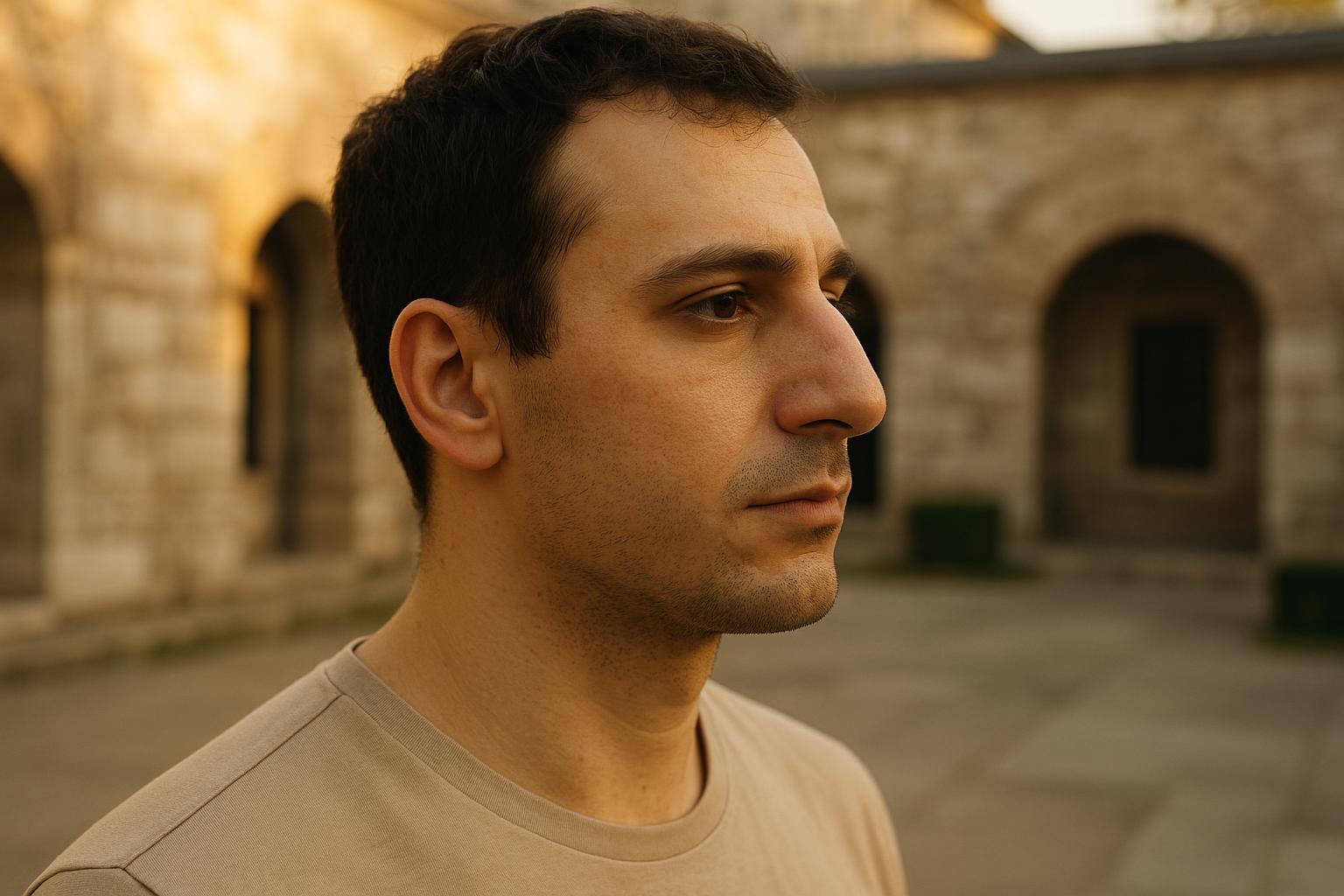
The phrase septorhinoplasty ideal candidate gets used often, but what does it actually mean in practice? It is not a checklist you tick off alone. It is a clinical judgment made when anatomy, goals, and health align. The core criteria fall into three categories: structural need, aesthetic desire, and surgical readiness.
Structural Need: When Breathing Is Compromised
Functional impairment is the foundation. You may have a deviated septum — the cartilage wall between nostrils shifted off-center — causing chronic obstruction. Perhaps the nasal valves, the narrowest part of the airway, collapse on inhalation. Turbinate hypertrophy, where the bony structures inside the nose enlarge, can also restrict airflow. These are not cosmetic concerns. They are mechanical problems that surgery corrects.
Many patients live with these issues for years, adapting without realizing how much energy they spend simply breathing. The moment they learn a structural fix exists, the decision becomes clearer. Rhinoplasty combined with septoplasty — often searched as rhinoplasty septoplasty combined — resolves the root cause rather than masking symptoms.
Aesthetic Desire: When Shape Matters Too
If you only had breathing issues, a standalone septoplasty might suffice. But the septorhinoplasty ideal candidate also wants change they can see. Common aesthetic goals include reducing a dorsal hump, refining a bulbous or drooping tip, straightening a crooked bridge, narrowing wide nostrils, or correcting asymmetry from old trauma. These are not vanity requests — they are shape corrections that often improve function simultaneously. A straighter septum supports a straighter nose. A supported tip opens the airway.
Surgical Readiness: Health, Timing, and Mindset
Good general health is non-negotiable. Uncontrolled hypertension, bleeding disorders, or active smoking impair healing. Facial growth must be complete — typically mid-to-late teens for women, slightly later for men. Equally important: realistic expectations. The goal is refinement, not perfection. Patients who understand that healing unfolds over months, not days, report the highest satisfaction.
Key Takeaway: Candidacy rests on three pillars: a structural breathing problem, a cosmetic goal that aligns with that structure, and the physical and emotional readiness to heal well.
Understanding the Functional Side: Breathing Concerns That Qualify

Not every stuffy nose warrants surgery. The septorhinoplasty candidate criteria for functional indications are specific. Chronic nasal obstruction that fails conservative management — nasal sprays, allergy treatment, positional therapy — signals a structural blockage. A deviated septum diagnosed on examination or imaging is the most common qualifier. Nasal valve collapse, often felt as a “caving in” sensation when breathing deeply, is another. Recurrent sinusitis linked to anatomical obstruction may also indicate surgery.
Patients consistently describe the moment they realize their breathing is not “just allergies” as a turning point. The functional assessment during consultation includes nasal endoscopy, airflow measurement, and sometimes CT imaging. This objective data confirms what you feel subjectively. When the anatomy matches the symptoms, the functional indication is clear.
Why Combined Surgery Changes the Equation
Addressing function alone leaves aesthetics untouched. Addressing aesthetics alone risks worsening breathing if structural support is reduced without reinforcement. The functional rhinoplasty candidate benefits from a single surgical plan where every graft, suture, and osteotomy serves both purposes. Cartilage harvested for septal straightening becomes tip support. Spreader grafts that open the valve also widen the middle vault aesthetically. This synergy is why breathing and cosmetic nose surgery together produces results greater than the sum of parts.
Key Takeaway: Functional qualifications are objective — measurable obstruction, documented deviation, failed conservative care. When these exist alongside aesthetic goals, combined surgery is the logical, efficient choice.
Understanding the Aesthetic Side: Shape and Symmetry Goals
The aesthetic consultation is where your vision meets surgical possibility. A septorhinoplasty ideal candidate arrives with specific concerns, not vague dissatisfaction. “I want a smaller nose” is less helpful than “I want the dorsal hump reduced and the tip lifted slightly.” Reference photos help, but they are starting points — your anatomy determines what is achievable.
Common Aesthetic Corrections in Combined Surgery
- Dorsal hump reduction: Smoothing the bridge profile while preserving or reconstructing structural support.
- Tip refinement: Defining projection, rotation, and definition using cartilage grafts often sourced from the septal correction.
- Straightening the nasal pyramid: Correcting deviation caused by septal displacement or old fracture.
- Nostril shaping: Alar base reduction or asymmetry correction when indicated.
- Middle vault reconstruction: Spreader grafts prevent inverted-V deformity and support the internal valve.
Each of these maneuvers has a functional counterpart. The surgeon’s plan integrates them so that every aesthetic change reinforces — or at minimum preserves — the airway. This is the hallmark of combined nasal surgery results that last.
The Role of 3D Imaging and Morphing
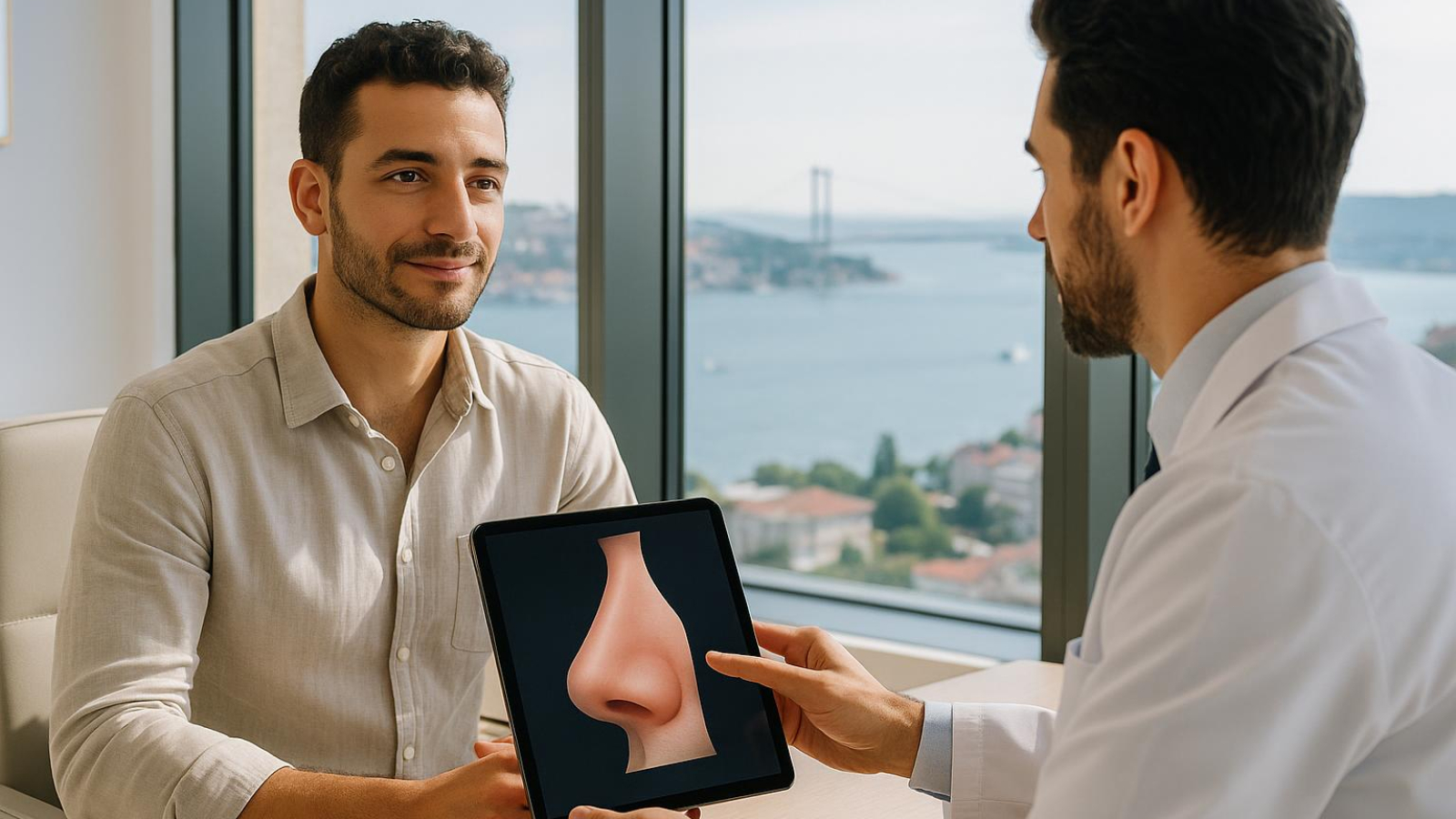
Modern consultations use 3D simulation to show potential outcomes. This is not a promise — it is a communication tool. It aligns your expectations with surgical reality. Patients who engage with this process enter surgery with clearer goals and calmer confidence. The before and after gallery shows real patients with similar starting anatomy, offering grounded perspective on what refined, natural results look like.
Key Takeaway: Aesthetic candidacy means specific, anatomy-appropriate goals. The best results come from patients who collaborate on a plan where every cosmetic step supports the functional repair.
TL;DR — You are likely a septorhinoplasty ideal candidate if you have: (1) diagnosed structural breathing issues like deviated septum or valve collapse, (2) clear cosmetic goals such as hump reduction or tip refinement, (3) good health and completed facial growth, (4) realistic expectations about healing timeline. Combined surgery fixes both in one recovery with structural harmony.
Health and Lifestyle Factors That Influence Results
Beyond anatomy, the septorhinoplasty ideal candidate profile includes lifestyle elements that predict smooth healing. Smoking is the single most modifiable risk factor — nicotine constricts vessels, delays healing, and increases complication rates. Most surgeons require cessation several weeks before and after surgery. Alcohol moderation, stable weight, and a nutrient-rich diet support tissue repair.
Medications and Supplements to Discuss
Blood thinners, certain anti-inflammatories, and herbal supplements like ginkgo, garlic, or high-dose vitamin E can increase bruising. A transparent medication review during consultation allows safe perioperative management. Never stop prescribed medication without your prescribing doctor’s guidance.
Support System and Recovery Environment
The first week requires rest, head elevation, and limited activity. Having someone to assist with meals, medications, and appointments makes recovery smoother. Patients who plan this ahead — arranging time off, preparing a recovery space, lining up help — consistently report less stress and better focus on healing.
Key Takeaway: Surgical success depends on what you do before and after the operating room. A prepared patient with a supportive environment heals faster and enjoys results sooner.
The Consultation: How Candidacy Is Confirmed
The consultation is where who qualifies for septorhinoplasty moves from concept to confirmation. It is a two-way conversation. The surgeon examines your nasal anatomy inside and out, reviews imaging, listens to your goals, and explains the surgical plan in detail. You ask questions, voice concerns, and gauge the rapport. Trust is built here.
What Happens During the Assessment
- External examination: Skin thickness, tip support, dorsal contour, asymmetry, nostril shape.
- Internal examination: Septal position, valve competence, turbinate size, mucosal health.
- Functional testing: Cottle maneuver, nasal speculum assessment, sometimes rhinomanometry or acoustic rhinometry.
- Imaging review: CT scans if prior trauma or complex deviation is suspected.
- Photography: Standardized views for planning and medical record.
- 3D simulation: Collaborative morphing to visualize potential outcomes.
This thoroughness is standard at clinics dedicated to combined nasal surgery. The patient journey guide outlines each step so you arrive prepared and leave with a clear roadmap.
Questions Worth Asking Your Surgeon
- How many combined functional-aesthetic cases do you perform annually?
- What grafting techniques do you prefer for structural support?
- How do you manage the transition between septal correction and cosmetic refinement?
- What does my specific recovery timeline look like?
- Can I speak with past patients who had similar anatomy and goals?
The answers reveal experience, philosophy, and transparency — all hallmarks of a surgeon who delivers consistent combined nasal surgery results. At Clinic Wise, the consultation is unhurried because candidacy confirmation deserves time.
Key Takeaway: The consultation is your confirmation moment. A thorough assessment, clear communication, and mutual trust signal you are in the right hands for a procedure that changes how you breathe and how you look.
Why the Right Candidate Matters for Combined Results
Every surgeon wants great outcomes. But great outcomes start long before the first incision — they start with patient selection. The septorhinoplasty ideal candidate understands this partnership. When anatomy, goals, health, and mindset align, the surgery proceeds smoothly, healing follows a predictable course, and the result feels like a natural evolution of your face — not a surgical event.
Patients who meet the criteria consistently describe the same arc: the decision feels right before surgery, the recovery is manageable because they prepared, the breathing improvement arrives on schedule, and the aesthetic refinement reveals itself gradually over months. They do not wonder if they should have done it. They wonder why they waited.
This is the power of combined surgery done well. One anaesthetic. One recovery. One harmonious result where form follows function and function supports form. The nose breathes freely. The profile feels like yours. The confidence is quiet but lasting.
Key Takeaway: Candidate selection is the foundation of every successful septorhinoplasty. When the right patient meets the right surgeon, the procedure delivers what separate surgeries cannot: structural integrity, aesthetic harmony, and the confidence that comes from both.
Your Next Step Toward Breathing and Looking Better
If you recognize yourself in this description — the breathing struggles, the aesthetic wishes, the readiness to address both — you are already thinking like a septorhinoplasty ideal candidate. The next step is simple: a conversation with a surgeon who specializes in this exact combination. No pressure. No commitment. Just expert assessment and honest guidance.
Your nose is central to your face and your breath. It deserves a plan that honors both. Let’s find out if that plan is septorhinoplasty.
Book Your Free ConsultationFrequently Asked Questions
How do I know if I need septorhinoplasty instead of just rhinoplasty?
If you experience chronic nasal obstruction, difficulty breathing through one or both nostrils, frequent sinus infections, or a diagnosed deviated septum alongside cosmetic concerns, septorhinoplasty addresses both in one procedure. A consultation with a specialist confirms the right approach.
Can septorhinoplasty fix a crooked nose from an old injury?
Yes, septorhinoplasty is often the recommended approach for post-traumatic nasal deformities because it corrects both the external deviation and internal structural damage that typically accompany nasal fractures.
What is the recovery timeline for septorhinoplasty compared to rhinoplasty alone?
Recovery is similar to rhinoplasty — most patients return to light activities within seven to ten days. Internal splints are typically removed at one week. Full refinement continues over several months as swelling resolves gradually.
Does insurance cover septorhinoplasty when breathing is the main concern?
Coverage varies by provider and country. Many insurers cover the functional septoplasty portion when medical necessity is documented, while the cosmetic rhinoplasty component remains self-pay. Your clinic can provide documentation to support your claim.
How soon after septorhinoplasty will I breathe better?
Most patients notice significant breathing improvement once internal splints are removed at the one-week mark. Continued improvement occurs over the following weeks as internal swelling subsides completely.

Rhinoplasty, commonly known as a nose job, is a cosmetic surgical procedure that involves reshaping or resizing the nose. Among Read more

A Comprehensive Guide to Achieving Your Ideal Nose Understanding Rhinoplasty: Transforming Your Nose, Transforming Your Confidence Rhinoplasty, also known as Read more

Have you considered having a rhinoplasty in Turkey? If you're considering having a rhinoplasty at Clinic Wise, learn about the procedures that Read more
Add a Comment