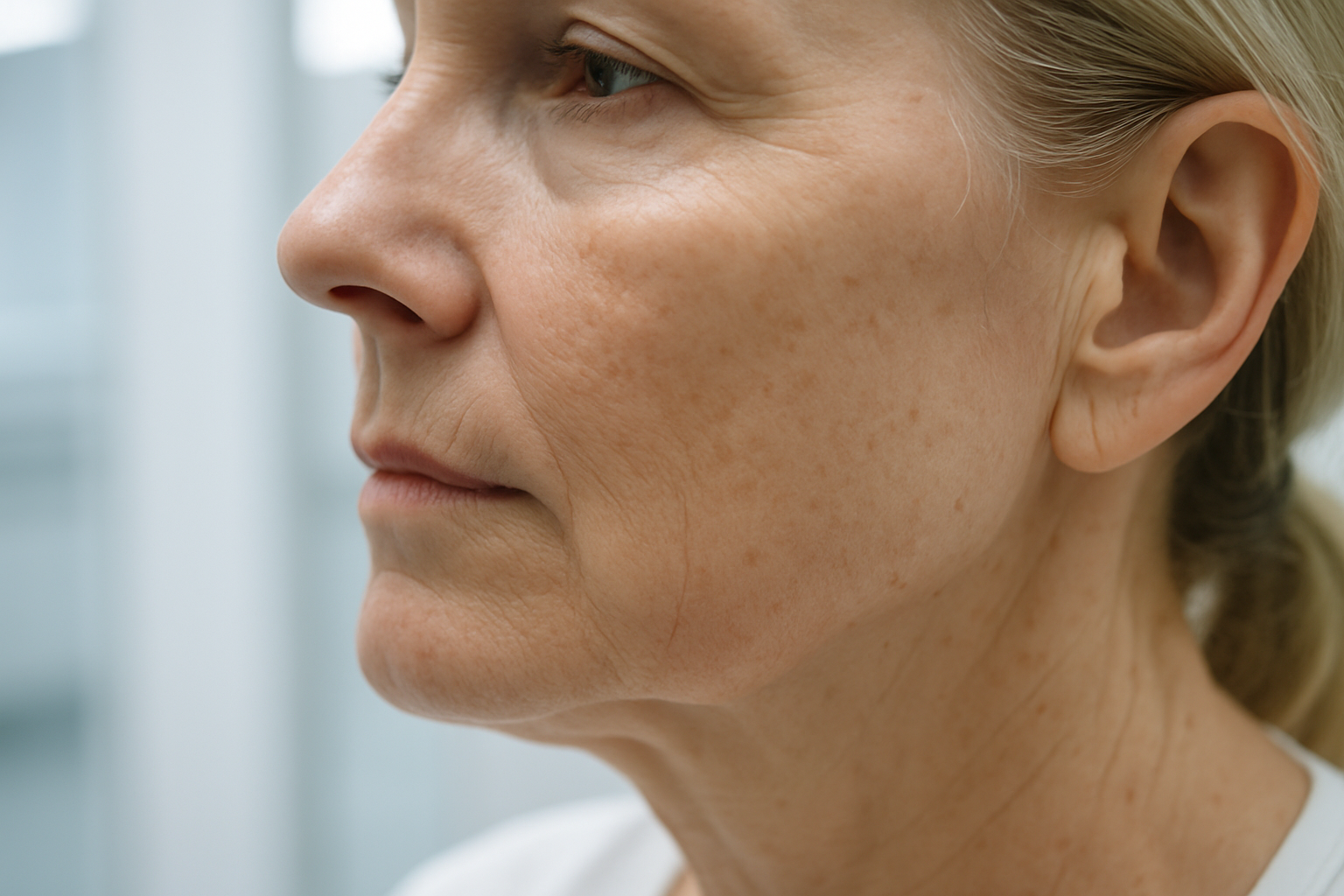
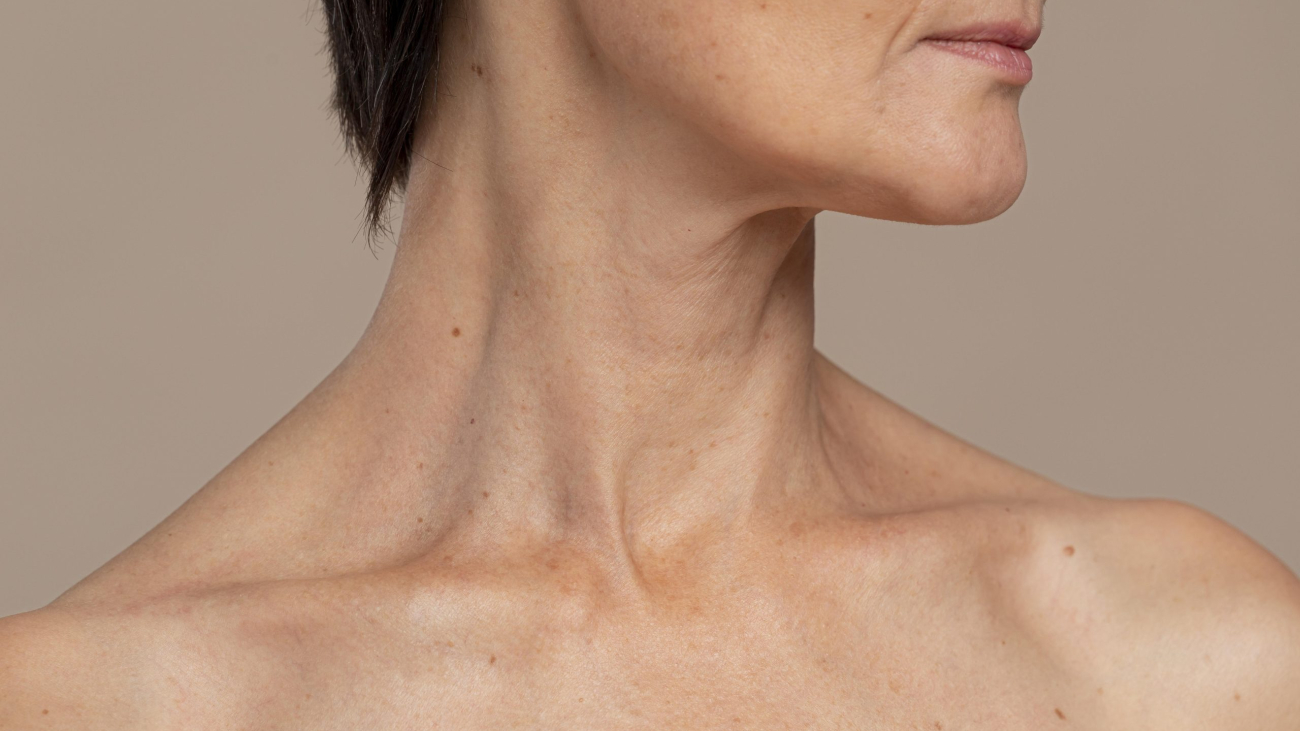
How long does a neck lift last? A properly performed neck lift typically lasts 10-15 years, with many patients enjoying significant improvement for even longer. The longevity of your results depends on several factors including surgical technique, your age at the time of surgery, skin quality, lifestyle habits, and genetic aging patterns. Understanding what influences neck lift durability and how to maximize your investment empowers you to make informed decisions about this transformative procedure that addresses one of the most visible signs of aging.
Unlike temporary non-surgical treatments that require frequent maintenance, neck lift surgery provides lasting structural correction by addressing the underlying causes of neck aging. The comprehensive nature of surgical intervention means your rejuvenated neck contour will endure through years of natural aging, making it one of the most cost-effective long-term solutions for neck rejuvenation.
Understanding Neck Lift Longevity Factors
What Makes Neck Lift Results Last So Long?
Structural Tissue Repositioning Neck lift surgery repositions and tightens the platysma muscle, creating a stable foundation that resists gravitational forces far longer than surface treatments.
Excess Tissue Removal Permanently removing excess skin and fat means these tissues cannot stretch or sag again in the same way.
Deep Layer Support By addressing the muscular and fascial layers, surgeons create long-lasting architectural support for overlying tissues.
Natural Aging Continuation While aging continues after surgery, you maintain the improvement gained—essentially staying 10-15 years younger-looking than you would have without intervention.
Factors That Influence How Long Your Neck Lift Lasts
Age at Time of Surgery Patients who undergo neck lift surgery in their 40s-50s often experience longer-lasting results because their tissues have better elasticity and collagen production compared to those having surgery in their 70s.
Skin Quality and Elasticity Better skin quality before surgery correlates with better long-term maintenance of results and more graceful aging.
Surgical Technique Comprehensive techniques addressing multiple anatomical layers provide superior longevity compared to limited approaches.
Sun Exposure Chronic sun damage accelerates aging and can diminish the longevity of surgical results.
Smoking Status Smoking damages collagen and elastin, accelerating skin aging and potentially shortening result duration.
Weight Fluctuations Significant weight gain or loss after surgery can compromise results by stretching or deflating tissues.
Genetics Individual genetic aging patterns influence how quickly facial and neck tissues naturally age.
Skincare Routine Quality skincare preserving collagen and protecting against environmental damage extends results.
Do Neck Lifts Actually Work?
Absolutely. Neck lift surgery is one of the most effective procedures in plastic surgery for addressing aging neck concerns:
Proven Effectiveness:
Clinical Success Rates Studies consistently demonstrate 90-95% patient satisfaction rates with neck lift outcomes, with the majority of patients achieving their aesthetic goals.
Measurable Improvement Objective measurements show significant reduction in neck skin laxity, platysmal banding, and submental fullness.
Long-Term Studies Follow-up research confirms that results remain substantially improved even 10-15 years post-surgery.
Before and After Evidence Photographic documentation consistently shows dramatic transformation in neck contour and definition.
What Neck Lifts Successfully Address:
Turkey Neck Excess hanging skin beneath the chin is effectively removed, creating a smooth, taut appearance.
Platysmal Bands Vertical muscle cords are tightened and repositioned, eliminating the aged, stringy appearance.
Jowl Formation Lower face sagging that creates jowls is improved, restoring jawline definition.
Submental Fullness Excess fat beneath the chin is removed through liposuction, enhancing neck-jaw angle.
Horizontal Neck Lines Deep creases across the neck are softened through tissue repositioning and skin redraping.
Why Neck Lifts Work Better Than Alternatives
Non-surgical treatments like Botox, Kybella, or ultherapy provide modest, temporary improvements but cannot match surgical results. Neck lift surgery addresses the structural causes of aging rather than surface symptoms, explaining why results are both dramatic and enduring.
At Clinic Wise, our board-certified plastic surgeons have performed hundreds of successful neck lifts with consistently excellent outcomes. Book your free online consultation to see extensive before and after galleries demonstrating how effectively neck lifts transform aging necks.
How Often Do You Need a Neck Lift?
Most patients require only one neck lift in their lifetime:
Single Procedure Sufficiency:
10-15 Year Results The typical neck lift provides significant improvement for at least a decade, with many patients maintaining visible benefits for 15-20 years.
Aging Baseline Reset Surgery essentially turns back the clock 10-15 years, and you age from that rejuvenated baseline forward.
Maintenance vs. Repeat Surgery Rather than repeating the full procedure, patients typically pursue minor touch-ups or non-surgical maintenance.
When Might You Consider Revision?
Significant Time Passage After 15-20 years, natural aging may progress enough to consider revision surgery.
Major Life Changes Substantial weight fluctuations or health issues may warrant earlier intervention.
Enhanced Results Desired Some patients choose minor revisions to optimize results, though full repeat procedures are rarely necessary.
Complications or Asymmetry In rare cases, complications or healing irregularities may require corrective procedures.
Maintenance Strategy:
Rather than repeat surgery, most patients maintain results through:
- Non-surgical skin tightening treatments (ultherapy, radiofrequency)
- Injectable treatments for volume and texture
- Quality skincare and sun protection
- Healthy lifestyle maintaining stable weight
The goal is making your one surgical intervention last as long as possible through strategic maintenance rather than requiring multiple major procedures.
Is a Neck Lift Worth the Money?
For most appropriately selected patients, neck lift surgery represents excellent value:
Long-Term Cost Effectiveness:
Duration of Results When results last 10-15 years, the annual cost becomes remarkably reasonable compared to ongoing non-surgical treatments.
Comparison to Non-Surgical Alternatives Temporary treatments requiring quarterly or annual sessions quickly accumulate costs that exceed surgical investment while providing inferior results.
Quality of Life Impact The confidence and satisfaction gained from permanent improvement provides intangible value beyond financial considerations.
Professional and Social Benefits Many patients report enhanced professional opportunities and social confidence that justify the investment.
Calculating True Value:
Consider a neck lift lasting 12 years. The investment distributed over 144 months represents a modest monthly cost for dramatic, continuous improvement. Compare this to non-surgical treatments costing substantial amounts every few months with temporary, limited results.
Clinic Wise Value Proposition:
At Clinic Wise, we provide exceptional value by offering board-certified surgical expertise at approximately one-third of UK prices. This means you receive the same quality surgical results and comprehensive care while keeping more of your budget for other priorities.
Our transparent pricing includes:
- Board-certified surgeon fees
- Accredited surgical facility
- Anesthesia and medical staff
- Post-operative care and follow-up
- Medical tourism support services
Book your free online consultation to receive personalized pricing and discover how affordable transformative neck rejuvenation can be.
How Painful is Neck Lift Surgery?
Pain management is a primary concern for prospective patients:
During Surgery:
You experience no pain during the procedure. Modern anesthesia techniques ensure complete comfort whether you receive general anesthesia or sedation with local anesthetic.
Immediate Post-Operative Period (Days 1-3):
Pain Level Most patients rate discomfort as moderate, typically 4-6 on a 10-point scale rather than severe pain.
Sensation Description Tightness, soreness, and pressure are more common than sharp pain. Many describe it as similar to muscle soreness after intense exercise.
Effective Management Prescribed pain medication effectively controls discomfort during the initial recovery phase.
Swelling Impact Much of the discomfort relates to swelling rather than surgical trauma itself.
Recovery Phase (Days 4-14):
Rapid Improvement Pain significantly decreases after the first 3-4 days as acute inflammation subsides.
Medication Transition Most patients transition to over-the-counter pain relievers by day 5-7.
Residual Tightness A sensation of tightness persists for several weeks but typically isn’t painful.
Movement Discomfort Turning your head or certain movements may cause temporary discomfort but improve steadily.
Long-Term (Weeks 3+):
Minimal Discomfort Most residual sensation involves numbness or tightness rather than pain.
Nerve Recovery Temporary numbness in treated areas gradually resolves over weeks to months.
Complete Comfort By 6-8 weeks, most patients experience no pain and full range of motion returns.
Pain Management at Clinic Wise:
Our comprehensive approach includes:
- Advanced anesthesia techniques minimizing post-operative pain
- Multimodal pain control combining different medication types
- Long-acting local anesthetics during surgery
- 24/7 access to medical team for concerns
- Detailed pain management instructions
Most patients report that neck lift pain is significantly less than they anticipated and very manageable with proper medication.
What is the Downside to a Neck Lift?
Understanding limitations and potential challenges helps set realistic expectations:
Surgical Risks:
Temporary Complications (Common):
- Swelling and bruising lasting 2-3 weeks
- Numbness or altered sensation for several months
- Tightness and limited neck mobility initially
- Temporary difficulty with certain movements
Uncommon Issues:
- Hematoma (blood collection) requiring drainage
- Infection requiring antibiotics
- Asymmetry needing revision
- Prolonged swelling lasting several months
Rare But Serious:
- Nerve damage affecting facial movement or sensation
- Skin necrosis (tissue death)
- Unfavorable scarring
- Need for revision surgery
Recovery Challenges:
Time Off Required Most patients need 2-3 weeks away from work and social activities during visible healing.
Activity Restrictions Limitations on exercise, lifting, and strenuous activity for 4-6 weeks.
Social Downtime Visible bruising and swelling may make social situations uncomfortable for several weeks.
Sleep Position Changes Sleeping with head elevated for several weeks can be challenging.
Aesthetic Considerations:
Visible Scarring While incisions are strategically placed, scars exist and require months to mature and fade.
Hairline Changes Incisions near hairline may result in temporary or permanent hair loss at incision sites.
Ear Changes Incisions around ears may temporarily alter ear position or shape.
Not Permanent While long-lasting, results aren’t permanent—natural aging continues.
Cost Investment:
Neck lift represents a significant financial investment, though value is excellent when amortized over result duration.
Minimizing Downsides:
Choosing experienced, board-certified plastic surgeons dramatically reduces complication risks. At Clinic Wise, our surgeons’ expertise combined with accredited facilities and comprehensive protocols ensures the highest safety standards while minimizing potential downsides.
What is the Best Age for a Neck Lift?
Optimal timing depends on individual aging patterns rather than a specific number:
Ideal Age Range: 45-65 Years
Why This Range Works:
Visible Aging Present Sufficient neck aging signs are present to justify surgical intervention and achieve meaningful results.
Good Tissue Quality Skin retains enough elasticity for optimal healing and natural draping.
Longevity Value Results lasting 10-15+ years provide extended benefit from the investment.
Health Optimization Most patients enjoy good overall health for safe surgery and optimal healing.
Younger Patients (35-45 Years):
Early Intervention Some patients with genetic predisposition to early neck aging benefit from earlier surgery.
Preventative Approach Addressing changes before they become severe often yields more natural results.
Important Consideration Ensure aging changes are significant enough to justify surgery rather than non-surgical options.
Older Patients (65+ Years):
Never Too Late Healthy patients in their 70s and 80s can safely undergo neck lift surgery.
Medical Clearance Essential Comprehensive health evaluation ensures surgical safety.
Dramatic Results More advanced aging often produces more striking, satisfying transformations.
Individual Assessment Matters:
Rather than focusing solely on age, the best candidates have:
- Moderate to significant neck aging signs
- Realistic expectations about outcomes
- Good skin quality and elasticity
- Overall good health for surgery
- Commitment to post-operative care
- Completion of major life changes (significant weight loss, childbearing)
Schedule your free online consultation with Clinic Wise to determine if now is the right time based on your unique neck anatomy and aging patterns.
How Long Does a Neck Lift Procedure Take?
Understanding surgical duration helps with planning and expectations:
Standard Neck Lift: 2-3 Hours
Isolated Neck Lift When performed as a standalone procedure, neck lift surgery typically takes 2-3 hours.
Time Factors:
- Extent of muscle repair needed
- Amount of excess skin and fat
- Whether liposuction is included
- Surgeon’s technique and experience
Combined Procedures: 3-5 Hours
Neck Lift + Facelift Combined procedures addressing both face and neck take 3-5 hours total.
Additional Enhancements Adding fat grafting, chin augmentation, or other procedures extends duration.
What Happens During Surgery:
Anesthesia (15-30 minutes) General anesthesia or deep sedation is administered and patient is carefully monitored.
Incision and Access (20-30 minutes) Strategic incisions behind ears and possibly under chin provide access.
Muscle Repair (45-60 minutes) Platysma muscles are tightened, sutured together, or repositioned.
Liposuction (20-30 minutes if needed) Excess fat beneath chin is carefully removed through gentle liposuction.
Skin Redraping (30-45 minutes) Excess skin is carefully trimmed and remaining skin redraped for smooth contour.
Closure (30-45 minutes) Meticulous layered closure minimizes scarring and optimizes healing.
Why Duration Varies:
Individual Anatomy More extensive aging requires longer surgical time for comprehensive correction.
Surgical Technique Different approaches and thoroughness levels affect duration.
Surgeon Experience Experienced surgeons work efficiently while maintaining meticulous technique.
Unexpected Findings Occasionally, anatomical variations require additional time for optimal results.
Quality Over Speed:
At Clinic Wise, our surgeons prioritize thorough, meticulous work over rushing procedures. Taking appropriate time ensures optimal results, proper healing, and minimized complications. The few extra minutes or hours in surgery translate to years of superior, natural-looking results.
How Much Does it Cost to Get Rid of a Sagging Neck?
Multiple treatment options exist at various price points:
Non-Surgical Options (Temporary Results):
Injectable Treatments Products like Kybella dissolve submental fat but require multiple sessions and provide limited tightening. Results are modest and temporary.
Energy-Based Devices Ultherapy, radiofrequency, and other technologies offer mild tightening with results lasting 1-2 years. Multiple sessions often needed.
Thread Lifts Absorbable sutures provide temporary lifting lasting 12-18 months with limited improvement.
Surgical Option (Permanent Results):
Neck Lift Surgery Provides comprehensive, long-lasting correction of all neck aging components.
Investment Comparison: While surgical intervention requires higher upfront investment, the 10-15 year duration makes it far more cost-effective than repeated non-surgical treatments.
Clinic Wise Pricing Advantage:
At Clinic Wise, we offer comprehensive neck lift packages with board-certified surgeons delivering ultimate results at approximately one-third of UK prices. This exceptional value makes transformative surgery accessible without the need to compromise on quality, safety, or surgical expertise.
Our transparent pricing includes all surgical fees, facility costs, anesthesia, post-operative care, and medical tourism support services—no hidden charges or surprise expenses.
Book your free online consultation to receive personalized pricing based on your specific needs and discover why thousands of international patients choose Clinic Wise for their neck rejuvenation journey.
Maximizing Your Neck Lift Longevity
Pre-Operative Optimization:
Achieve Stable Weight Reach and maintain your ideal weight before surgery for optimal, lasting results.
Quit Smoking Stop smoking at least 6 weeks before and after surgery to promote healing and longevity.
Optimize Health Address medical conditions and optimize nutrition for best healing.
Post-Operative Care:
Follow All Instructions Precise adherence to surgeon’s guidelines optimizes healing and final results.
Protect From Sun UV protection prevents premature aging and protects healing incisions.
Attend Follow-Ups Regular monitoring ensures proper healing and addresses concerns promptly.
Be Patient Final results take 6-12 months to fully develop as swelling resolves and tissues settle.
Long-Term Maintenance:
Skincare Excellence Medical-grade retinoids, antioxidants, and SPF preserve skin quality and collagen.
Maintain Stable Weight Avoid significant weight fluctuations that can stretch tissues.
Sun Protection Daily broad-spectrum SPF 50+ prevents sun damage accelerating aging.
Healthy Lifestyle Balanced diet, hydration, exercise, and stress management support lasting results.
Strategic Treatments Periodic Botox for platysmal bands or skin tightening treatments can extend results.
Professional Monitoring Annual consultations with your surgeon allow early intervention if concerns develop.
Why Choose Clinic Wise for Your Neck Lift
Exceptional Surgical Expertise:
Board-Certified Surgeons Our plastic surgeons possess international credentials and extensive neck lift experience.
Advanced Techniques We utilize the latest surgical innovations for maximum longevity and natural results.
Proven Track Record Hundreds of successful neck lifts with consistently excellent outcomes and high satisfaction.
Unmatched Value:
One-Third UK Prices Receive world-class surgical care at a fraction of typical UK costs without compromising quality.
Comprehensive Packages All-inclusive pricing covers surgery, facility, anesthesia, care, and support services.
No Hidden Costs Transparent pricing means no surprise expenses or additional charges.
Complete Care Experience:
Medical Tourism Expertise Specialized support for international patients from initial contact through recovery.
English-Speaking Staff Clear communication throughout your journey eliminates language barriers.
JCI-Accredited Facilities State-of-the-art surgical centers meeting rigorous international safety standards.
Personalized Attention Dedicated coordinators manage every detail of your experience.
Extended Support Follow-up care and communication continue long after you return home.
Conclusion: Investing in Long-Lasting Neck Rejuvenation
Understanding how long a neck lift lasts—typically 10-15 years with proper care—demonstrates the exceptional value this procedure provides. Unlike temporary treatments requiring ongoing maintenance and expense, surgical neck lift addresses the structural causes of aging for enduring transformation that truly stands the test of time.
The investment in neck lift surgery pays dividends year after year as you maintain the rejuvenated, defined neck contour that makes you look and feel years younger. When you consider the duration of results and the dramatic improvement in appearance and confidence, neck lift represents one of the most worthwhile investments in yourself.
At Clinic Wise, we’re committed to making this life-changing procedure accessible through exceptional value without compromising surgical excellence. Our board-certified plastic surgeons combine technical mastery with artistic vision to create natural, beautiful results that last. With comprehensive care at approximately one-third of UK prices, your dream of a youthful, defined neck is closer than you think.
Ready to begin your transformation? Book your free online consultation with Clinic Wise today. During this no-obligation consultation, you’ll receive:
- Comprehensive assessment of your neck aging concerns
- Personalized surgical recommendations
- Transparent, all-inclusive pricing information
- Extensive before and after photo galleries
- Answers to all your questions about procedure, recovery, and longevity
Your journey to lasting neck rejuvenation begins with a single conversation. Let Clinic Wise show you how exceptional, enduring results can be both accessible and affordable. Book your free consultation now and discover why thousands of patients trust us with their transformation.