
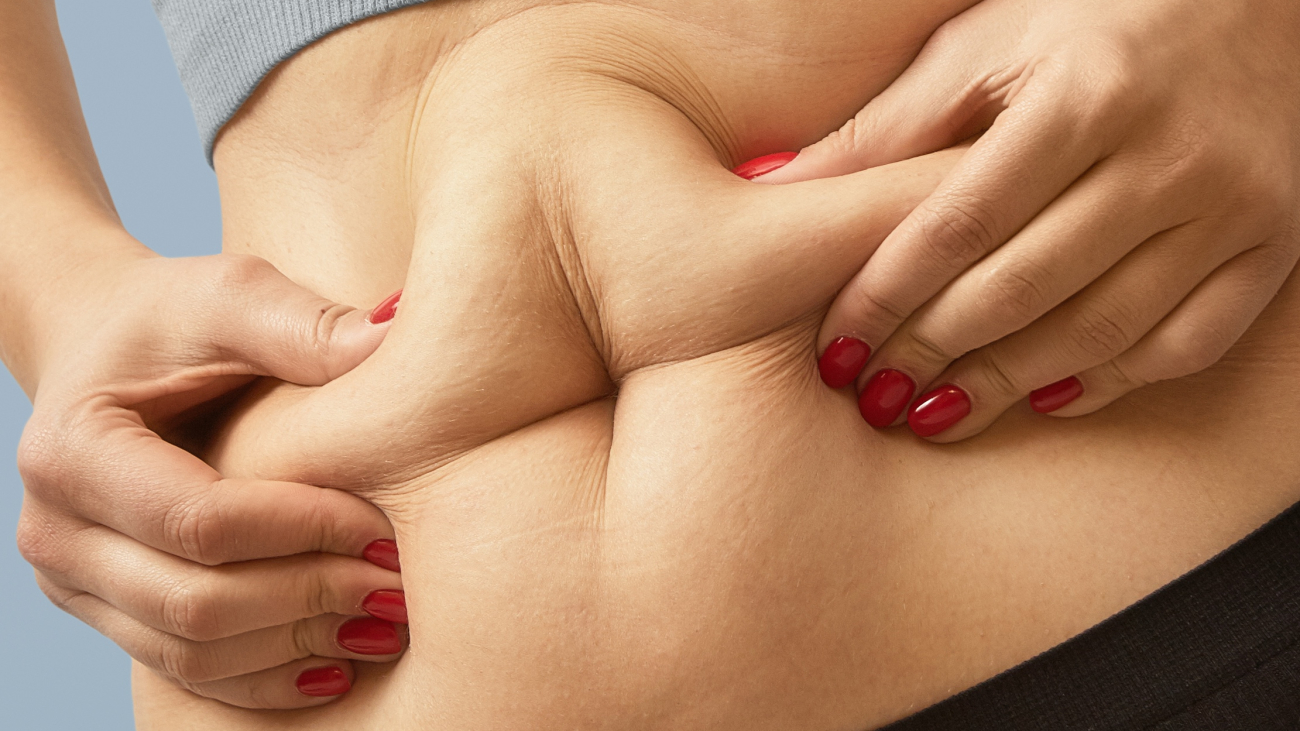
Woman body fat belly. Obese woman hands holding excessive tummy fat. Change diet lifestyle concept to shape up healthy stomach muscle. Studio anonymous shot photo of body parts.

Tummy Tuck After Weight Loss: Skin and Muscle Repair Guide

Tummy Tuck for Post-Weight Loss Patients: Managing Excess Skin and Muscle Laxity


Table of Contents


Introduction


Significant weight loss often results in loose abdominal skin and weakened muscles, creating both functional and aesthetic concerns. Excess skin can cause discomfort and hygiene issues, while weakened abdominal muscles may impair posture and core stability.
 
 
Abdominoplasty, commonly known as a tummy tuck, addresses these issues by removing redundant skin and tightening muscles to restore a firmer abdominal profile. This procedure enhances physical comfort, improves appearance, and boosts self-confidence.
 
 
This article covers surgical techniques tailored for post-weight loss patients, optimal timing for surgery, and recovery expectations, providing essential information for those considering this transformative procedure.


Addressing Excess Skin Removal in Post-Weight Loss Tummy Tuck Procedures


Following major weight loss, the skin often fails to retract due to loss of elasticity and prolonged stretching. A tummy tuck removes this surplus skin, reshaping the abdominal area to achieve a smoother contour.
 
 
Important aspects include:


  • Excess skin results primarily from skin overstretching during weight gain.


  • The amount and location of skin excess guide surgical planning.


  • Removal of redundant skin improves mobility and reduces irritation.


  • Precise incision placement limits visible scarring.


  • The procedure is customized to the patient’s unique anatomy.


By eliminating excess skin, the surgery restores both function and aesthetics, enhancing patient comfort and appearance.


Repairing Muscle Laxity During Abdominoplasty After Major Weight Loss


Abdominal muscle separation, or diastasis recti, frequently accompanies significant weight loss. Repairing this defect is a crucial part of abdominoplasty to restore abdominal wall integrity.
 
 
Surgical repair involves:


  • Suturing the separated muscles to reinforce core strength.


  • Improving posture and reducing associated back discomfort.


  • Enhancing the abdominal contour alongside skin removal.


  • Adapting techniques based on the extent of muscle laxity.


Addressing muscle laxity optimizes both functional support and cosmetic outcomes after weight loss.


Comparing Extended and Traditional Tummy Tuck Techniques for Skin Laxity


Technique


Ideal Candidates


Skin Laxity Addressed


Incision Length


Traditional Tummy Tuck


Moderate localized skin excess


Targets central abdominal area


Standard lower abdominal incision


Extended Tummy Tuck


Extensive laxity including flanks


Addresses broader skin areas


Longer incision extending to sides


| Recovery Time | Approximately 2-4 weeks | Depends on surgical extent | Extended procedure requires longer recovery | | Results Longevity | Durable abdominal contour | Comprehensive body shaping | Provides enhanced waistline definition |
 
 
Selection depends on the distribution and severity of skin laxity, balancing correction needs with recovery considerations.


Timing Considerations for Tummy Tuck Surgery After Significant Weight Loss


Optimal timing enhances surgical success and healing:


  • Surgery is best scheduled after weight has stabilized for several months.


  • Avoid operations during ongoing weight loss or fluctuations.


  • Allow skin and tissues to adjust naturally before intervention.


  • Discuss overall health and lifestyle factors with your surgeon.


  • Plan for sufficient recovery and postoperative care.


Appropriate timing minimizes complications and supports lasting results.


Surgical Planning Strategies to Optimize Results in Post-Weight Loss Abdominoplasty


Successful outcomes begin with thorough preoperative evaluation:


  • Assess skin quality, fat distribution, and muscle condition.


  • Develop an individualized surgical approach tailored to anatomy.


  • Employ precise techniques to reduce risks and enhance healing.


  • Align surgical goals with patient expectations through detailed consultation.


This comprehensive planning maximizes safety and aesthetic results.


Managing Scar Placement and Healing in Post-Bariatric Tummy Tuck Patients


Scar management techniques focus on minimizing visibility and promoting healing:


  • Incisions are placed in natural creases or low on the abdomen.


  • Use of layered suturing supports tissue strength and reduces tension.


  • Postoperative care includes scar massage and silicone-based treatments.


  • Patients receive specific guidance to prevent infection and support recovery.


  • Early mobilization improves circulation and wound healing.


These strategies contribute to improved scar outcomes and patient satisfaction.


Impact of Weight Loss Methods on Tummy Tuck Surgical Approach and Outcomes


The nature of prior weight loss influences surgery planning:


  • Bariatric surgery patients frequently present with more extensive skin laxity and muscle weakness.


  • Weight loss through lifestyle changes may result in less severe skin redundancy but variable muscle tone.


  • Surgeons customize techniques considering these differences to optimize healing and aesthetics.


Understanding each patient’s weight loss background helps tailor effective treatment plans.


Balancing Skin Removal Extent With Functional and Aesthetic Goals


Achieving a harmonious balance between skin excision and overall results is essential:


Factor


Functional Benefit


Aesthetic Outcome


Consideration


Skin Removal Extent


Reduces discomfort, enhances mobility


Creates firmer abdominal shape


Avoid excessive tension


Muscle Repair


Supports core stability


Provides flatter abdominal area


Customized to muscle condition


Scar Placement


Minimizes irritation


Conceals scars effectively


Strategic positioning


Patient Anatomy


Addresses specific laxity patterns


Maintains natural proportions


Personalized surgical design


Tailored planning ensures both comfort and a pleasing appearance.


Postoperative Recovery Challenges Unique to Post-Weight Loss Tummy Tuck Patients


Recovery may involve specific challenges:


  • Healing may be slower due to skin quality.


  • Risk of infection and scarring requires close monitoring.


  • Muscle weakness can limit mobility initially.


  • Swelling and fluid retention are common post-surgery.


  • Use of compression garments and adjusted pain control aid recovery.


  • Gradual resumption of activities supports safe healing.


Awareness of these factors helps prepare patients for the recovery process.


Combining Muscle Repair and Excess Skin Excision for Optimal Contouring


Addressing both muscle laxity and excess skin simultaneously yields superior contouring:


  • Muscle repair restores function and core stability.


  • Skin excision refines the abdominal silhouette.


  • This combined approach respects individual patient anatomy and goals.


  • It promotes balanced aesthetic and functional improvements.


Such comprehensive treatment is often essential after significant weight loss.


Evaluating When a Body Lift Is Preferred Over a Tummy Tuck After Weight Loss


Selection between procedures depends on skin excess patterns:


  • Tummy tuck focuses on the abdominal region alone.


  • Body lifts address circumferential skin redundancy including thighs and buttocks.


  • Patient health, prior surgeries, and body shape influence the decision.


  • Specialist evaluation ensures the most appropriate surgical plan.


Choosing the correct procedure optimizes overall contouring and recovery.


Long-Term Maintenance and Outcomes Following Muscle and Skin Correction Surgery


Sustaining results involves lifestyle commitment:


  • Maintaining a stable weight through balanced diet is crucial.


  • Regular physical activity supports muscle tone and abdominal strength.


  • Follow-up care allows early identification of any issues.


  • Patients benefit from understanding the role of lifestyle in preserving outcomes.


Long-term adherence enhances durability of improvements and patient satisfaction.


Frequently Asked Questions


What surgical techniques are used in a tummy tuck for patients after significant weight loss? Techniques typically include removal of excess skin combined with repair of abdominal muscle separation. The approach is customized based on the extent of skin redundancy and muscle laxity to achieve natural, lasting results.
 
 
How does a tummy tuck address excess skin differently after major weight loss? Post-weight loss skin often lacks elasticity and forms folds. The procedure precisely excises this skin and repositions remaining tissue to create a smoother and more comfortable abdominal contour.
 
 
Is muscle laxity common after weight loss, and how is it treated during surgery? Muscle separation is frequently seen in these patients. Surgeons repair this by suturing muscles together, restoring core strength and improving posture.
 
 
What should patients expect during recovery from a post-weight loss tummy tuck? Recovery includes swelling and discomfort initially, with gradual improvement over weeks. Compression garments and adherence to postoperative instructions facilitate healing and contour refinement.
 
 
Can a tummy tuck improve both function and appearance for post-weight loss patients? Yes. The surgery addresses loose skin and muscle laxity, enhancing abdominal strength, mobility, and aesthetic appearance, leading to improved confidence and quality of life.
 
 
Clinic Wise is dedicated to providing expert care for patients seeking abdominal contouring after significant weight loss.

Healthy eating. Dieting and people concept. Blonde with a vegetable.

J-Plasma Technology for Skin Tightening After Weight Loss

Table of Contents


Introduction

  After significant weight loss, many individuals face the challenge of loose, sagging skin that affects their appearance and confidence. This excess skin can make it difficult to feel comfortable in clothing and impact self-esteem. Addressing this issue effectively requires treatments that restore skin firmness with minimal downtime.  J-Plasma technology is an innovative solution combining cold plasma and radiofrequency energy to tighten the skin gently. By stimulating collagen production, it helps improve elasticity and texture, providing a smoother look without extensive surgery.  This article delves into how J-Plasma works as a skin tightening option post-weight loss, covering the treatment process and its advantages over traditional methods. Understanding this technology can assist you in making an informed decision for skin rejuvenation after your weight loss journey.  

The Science Behind J-Plasma Technology for Treating Skin Laxity After Weight Loss

  The core of J-Plasma technology lies in its combination of cold plasma and controlled radiofrequency energy. The cold plasma precisely affects the superficial skin layers, promoting collagen remodeling while minimizing thermal injury. Concurrently, radiofrequency penetrates deeper to stimulate skin contraction and regeneration.  This dual mechanism enhances skin tightening by encouraging natural tissue repair and collagen synthesis, leading to firmer, more elastic skin. Ideal for those dealing with skin laxity after large weight changes, J-Plasma provides effective rejuvenation with less invasiveness compared to traditional surgeries.  

How J-Plasma Stimulates Collagen Production to Improve Skin Elasticity

  J-Plasma delivers controlled helium plasma combined with radiofrequency energy to heat the deeper layers of the skin in a targeted manner. This controlled thermal stimulation activates fibroblasts, the cells responsible for producing collagen.  As new collagen forms and existing fibers strengthen, skin elasticity increases, reducing sagging. This regenerative process supports improved texture and tighter skin without the need for extensive surgical intervention, making it a valuable option for post-weight loss skin tightening.  

Step-by-Step Overview of J-Plasma Treatment for Post-Weight Loss Skin Tightening

  Understanding the treatment process can help patients prepare and feel at ease. The typical J-Plasma procedure follows these steps:  

  1. Initial consultation with a specialist to evaluate skin condition and suitability.


  1. Preparation and cleansing of the targeted area.


  1. Administration of local anesthesia or sedation for patient comfort.


  1. Application of the J-Plasma device to emit controlled plasma energy.


  1. Precise treatment of loose skin areas by the practitioner.


  1. Initiation of collagen stimulation and skin contraction.


  1. Treatment duration depends on the size and number of areas, typically 30 to 90 minutes.


  1. Post-procedure care instructions provided to support healing and optimize results.

  This approach ensures safety and efficacy for patients aiming to tighten loose skin after weight loss.  

Comparing J-Plasma with Traditional Skin Tightening Methods After Weight Loss

  J-Plasma stands out for its minimally invasive nature, using helium plasma and radiofrequency to tighten skin with less trauma. Compared to surgical lifts, it involves smaller incisions, reduced scarring, and quicker recovery.  Laser therapies often require multiple sessions and may yield subtler results. Surgical options provide more dramatic contouring but come with longer downtime and increased risks. J-Plasma offers a balanced alternative, combining effectiveness with safety and patient comfort.  

   Method       Invasiveness     Recovery Time     Scarring Risk   
   J-Plasma       Minimally invasive     Short (days-weeks)     Low   
   Surgical Lift       Invasive     Longer (weeks)     Moderate to High   
   Laser Treatment       Non-invasive     Minimal     None   


Ideal Candidates for J-Plasma Skin Tightening Following Significant Weight Loss

  Selecting appropriate candidates is vital for successful outcomes with J-Plasma. Ideal patients generally meet the following criteria:  

  • Stable body weight for at least six months


  • Presence of loose skin primarily on areas like the abdomen, arms, or thighs


  • Overall good health and absence of active infections


  • Non-smoking status or willingness to quit before treatment


  • Realistic expectations regarding results


  • No history of problematic scarring (keloids or hypertrophic scars)


  • Sufficient skin thickness and residual elasticity


  • Well-managed chronic conditions such as diabetes or hypertension


  • Commitment to follow all post-treatment care instructions

  These factors help ensure safe treatment and maximize skin tightening benefits.  

Combining J-Plasma with Body Contouring Procedures for Enhanced Results

  Integrating J-Plasma with body contouring enhances overall body reshaping after weight loss. While body contouring focuses on removing excess fat and improving shape, J-Plasma targets loose skin by promoting collagen and tissue contraction.  The combined approach delivers firmer, smoother skin and improved body contours, offering patients a comprehensive solution in one session. This synergy addresses both volume reduction and skin laxity effectively, leading to more satisfying aesthetic outcomes.  

Safety Considerations and Recovery Process of J-Plasma for Loose Skin

  Safety is a key advantage of J-Plasma. The procedure’s minimally invasive nature results in fewer complications and a manageable recovery. Patients can expect:  

  • Minimal bleeding and low infection risk


  • Temporary swelling, redness, and mild discomfort


  • Use of local anesthesia for comfort


  • Recovery period typically around 7 to 10 days


  • Avoidance of strenuous activities during early healing


  • Follow-up appointments to monitor progress


  • Gradual improvement in skin tightness over several weeks


  • Applicability to various skin types

  Proper adherence to aftercare supports optimal healing and results, making J-Plasma a safe option for addressing loose skin.  

Long-Term Effects of J-Plasma Technology on Skin Texture and Firmness

  The benefits of J-Plasma extend beyond immediate results. By stimulating collagen regeneration, the treatment promotes lasting improvements in skin quality. Clinical evidence shows enhanced elasticity and smoother texture persisting for months post-procedure.  Patients often experience sustained tightening effects that contribute to renewed confidence and a youthful appearance. This long-term remodeling effect sets J-Plasma apart as a reliable choice for post-weight loss skin rejuvenation.  

The Role of Cold Atmospheric Plasma in Minimally Invasive Skin Rejuvenation

  Cold atmospheric plasma is central to J-Plasma’s minimally invasive skin rejuvenation. It precisely delivers energy that triggers collagen and elastin synthesis without excessive heat damage.  This controlled stimulation results in tighter, more resilient skin with reduced recovery time compared to traditional surgeries. Particularly effective for post-weight loss skin laxity, cold plasma technology enhances skin tone and texture safely and efficiently.  

Innovations in J-Plasma for High-Definition Sculpting of Post-Weight Loss Skin

  J-Plasma represents a technological leap in post-weight loss skin sculpting. Its helium plasma combined with radiofrequency energy allows for precise, targeted tightening and contouring.  This innovation supports high-definition body shaping by promoting collagen renewal and skin contraction with minimal invasiveness. Patients benefit from shorter downtime and customized treatments tailored to their unique skin needs, achieving refined, firmer results.  

How J-Plasma Technology Reduces Wrinkles and Fine Lines in Loose Skin

  Beyond tightening, J-Plasma effectively diminishes wrinkles and fine lines by promoting collagen remodeling. The controlled plasma and radiofrequency energy stimulate skin contraction, smoothing out surface irregularities.  This regenerative effect restores firmness and elasticity lost due to aging or weight fluctuations. The procedure offers a non-surgical solution for improving skin texture and reducing signs of laxity, enhancing overall facial or body appearance.  

Choosing the Best Clinic and Provider for J-Plasma Skin Tightening After Weight Loss

  Selecting a qualified clinic and experienced provider is essential for safe and effective J-Plasma treatment. Consider these points when making your choice:  

  • Provider’s certification and specialized training in J-Plasma


  • Clinic’s track record and experience with this technology


  • Access to before-and-after photos showcasing real results


  • Use of FDA-approved or equivalent devices


  • Positive patient reviews and testimonials


  • Availability of thorough, personalized consultations


  • High standards of hygiene and patient safety


  • Comprehensive post-treatment care services


  • Capability to manage potential complications


  • Transparent pricing and clear treatment plans

  Choosing a reputable provider ensures confidence, safety, and optimal skin tightening outcomes.  

FAQ

  What is J-Plasma technology and how does it work for skin tightening after weight loss? J-Plasma combines cold helium plasma with radiofrequency energy to tighten loose skin by stimulating collagen production, enhancing firmness and elasticity.  Is J-Plasma treatment safe for patients with loose skin after major weight loss? Yes, it is a minimally invasive procedure with a favorable safety profile when performed by qualified specialists, offering faster recovery than traditional surgery.  How soon can I expect visible results from J-Plasma skin tightening? Initial improvements can appear within days, with continued tightening and collagen remodeling occurring over 3 to 6 months.  What areas of the body can J-Plasma effectively treat for skin laxity? It is suitable for the abdomen, arms, thighs, neck, and other areas affected by loose skin after significant weight loss.  How does J-Plasma compare to traditional skin tightening surgeries after weight loss? J-Plasma is less invasive, causes less scarring, and requires shorter recovery, while still providing effective skin tightening results.  Clinic Wise is here to support your journey with trusted expertise and advanced technology to help you achieve firmer, rejuvenated skin.