2

Hydration and Faster Recovery After Liposuction | Patient Guide

The Role of Hydration in Enhancing Recovery After Liposuction


Introduction


Liposuction is a transformative procedure that requires careful attention during recovery to ensure optimal results. One of the most important factors in healing is maintaining adequate hydration. Proper fluid intake helps reduce common postoperative issues such as swelling and bruising, while also supporting the body’s natural repair mechanisms. Like watering a trimmed plant helps it flourish, drinking enough fluids after surgery nurtures your body’s recovery.
 
 
This article highlights the importance of staying hydrated after liposuction and offers practical advice for meeting your fluid needs. Whether you are undergoing liposuction or assisting someone who is, understanding hydration’s role can improve comfort and speed up healing.


Why Hydration Is Crucial After Liposuction?


Hydration plays a vital role in facilitating recovery by maintaining fluid balance and promoting efficient circulation. Adequate water intake helps decrease swelling, supports immune defenses, and aids in the removal of anesthesia-related substances and toxins. Key benefits include:


  • Improving blood flow to affected areas


  • Minimizing postoperative edema


  • Preventing complications from dehydration


  • Enhancing skin’s ability to regain elasticity


  • Supporting electrolyte equilibrium


  • Reducing feelings of fatigue


  • Assisting lymphatic system function


  • Accelerating the healing timeline


Consistent hydration lays the groundwork for a comfortable and effective recuperation process following liposuction.


How Hydration Supports the Healing Process?


Water intake ensures that oxygen and essential nutrients reach damaged tissues efficiently, which is critical for tissue regeneration after liposuction. It also helps clear metabolic waste, reducing inflammation and discomfort. Maintaining hydration preserves skin flexibility, aiding in smooth retraction over treated zones. Prioritizing fluid consumption directly enhances the speed and quality of healing, leading to improved post-surgical outcomes.


Signs of Dehydration After Liposuction


Identifying dehydration early is crucial to prevent setbacks in recovery. Common symptoms to watch for include:


  • Dry mouth or throat


  • Dark-colored urine


  • Dizziness or lightheadedness


  • Low energy or weakness


  • Headaches


  • Rapid heartbeat


  • Muscle cramps


  • Reduced urine frequency


  • Sunken eyes


  • Confusion or mood changes


Prompt recognition of these signs allows for timely adjustments in fluid intake, supporting a steady and safe healing process.


Recommended Daily Fluid Intake Post-Surgery


Patient Weight (kg)


Recommended Daily Fluid Intake (liters)


Purpose


Under 60


2.5


Supports hydration and healing


60 – 80


3.0


Reduces swelling, aids recovery


80 – 100


3.5


Enhances circulation, tissue repair


Over 100


4.0


Promotes detoxification and healing


Best Fluids for Hydration After Liposuction


Choosing the right fluids is essential to optimize hydration and recovery. Plain water is the best choice as it replenishes lost fluids without additives. Herbal teas provide antioxidants and have calming effects on the body. Electrolyte beverages help restore mineral balance disrupted during surgery. It is important to avoid drinks with caffeine, sugar, or alcohol, as these can exacerbate dehydration and interfere with healing.


Hydration and Swelling Reduction: What You Need to Know?


Maintaining adequate hydration supports the body’s mechanisms to reduce swelling after liposuction. Fluids facilitate lymphatic drainage and help prevent fluid accumulation in tissues. Additional hydration benefits include:


  • Enhancing nutrient transport to healing areas


  • Decreasing inflammation


  • Preserving skin tone and elasticity


  • Preventing dehydration-related exhaustion


  • Accelerating tissue repair


Focusing on hydration is a practical approach to controlling swelling and improving postoperative comfort.


Hydration’s Role in Managing Pain and Fatigue


Hydration significantly influences how patients experience pain and fatigue following liposuction. Proper fluid balance reduces inflammation, which often underlies discomfort. It also helps eliminate toxins that can contribute to feeling unwell. Staying well-hydrated prevents dehydration-related headaches and muscle cramps, fostering better energy levels and a smoother recovery.


Tips for Maintaining Hydration When Appetite Is Low?


Postoperative nausea or decreased appetite can make drinking fluids difficult. To maintain hydration, try consuming small sips of water or herbal teas regularly rather than large amounts at once. Incorporate hydrating foods like cucumbers, watermelon, or oranges to supplement liquid intake. Using chilled beverages or drinking with a straw may ease swallowing. Avoid sugary or caffeinated drinks that can worsen dehydration.


Hydration and Medication: What Patients Should Consider?


Fluid intake influences how medications work and how side effects are managed after liposuction. Proper hydration reduces the risk of medication toxicity and supports drug metabolism. Patients should:


  • Drink water steadily throughout the day


  • Take medications with a full glass of water


  • Avoid substances that cause dehydration, such as alcohol or excess caffeine


  • Monitor for dehydration symptoms and adjust fluid intake accordingly


  • Follow any specific hydration instructions from their healthcare provider


Balancing hydration with medication schedules enhances recovery and comfort.


When to Contact Your Doctor About Hydration Issues?


Certain symptoms related to hydration status after liposuction warrant immediate medical attention. Contact your healthcare provider if you experience:


Symptom


Description


Why It Matters


Dizziness


Feeling faint or unsteady


May indicate low fluid volume


Confusion


Difficulty thinking clearly


Could signal severe dehydration


Dark Urine


Deep yellow or amber color


Reflects inadequate hydration


Dry Mouth


Persistent dryness


Suggests fluid imbalance


Rapid Heartbeat


Elevated pulse rate


Body compensating for dehydration


Fainting


Loss of consciousness


Requires urgent evaluation


Swelling Increase


Swelling worsening despite fluids


Possible fluid retention issue


Early recognition and treatment prevent complications and support recovery.


Lifestyle Changes to Support Hydration and Healing


Adopting healthy habits enhances hydration and speeds healing after liposuction. Regularly drinking water, avoiding dehydrating beverages, and eating water-rich fruits and vegetables contribute to fluid balance. Additionally, wearing compression garments and allowing ample rest support circulation and reduce swelling. These combined strategies create an environment conducive to effective recovery.


Hydration Tracking: Tools and Techniques for Patients


Monitoring fluid intake helps patients maintain optimal hydration levels. Useful strategies include:


  • Using water bottles with volume markers


  • Setting reminders to drink regularly


  • Keeping a daily hydration log


  • Utilizing mobile apps for tracking


  • Observing urine color as a hydration gauge


  • Consulting healthcare providers for personalized targets


Effective tracking empowers patients to take control of their recovery and reduce postoperative complications.


Frequently Asked Questions


1. Why is maintaining proper hydration important after liposuction? Adequate hydration supports circulation and fluid balance, reducing swelling and promoting tissue repair for faster healing.
 
 
2. How much water should I drink daily to support healing after liposuction? Generally, 2 to 4 liters daily depending on body weight is recommended to aid recovery and toxin elimination.
 
 
3. Can dehydration slow down the recovery process after liposuction? Yes, insufficient fluids can increase inflammation and delay wound healing, prolonging discomfort and recovery time.
 
 
4. Are there any signs that indicate I need to increase my hydration after surgery? Symptoms such as dark urine, dry mouth, dizziness, or fatigue suggest dehydration and the need to increase fluid intake.
 
 
5. Besides water, are there other fluids or foods that help with hydration post-liposuction? Herbal teas, electrolyte drinks, and water-rich fruits and vegetables like watermelon and cucumber help maintain hydration effectively.

1

J-Plasma in Post-Liposuction Skin Recovery | Benefits & Process

Understanding J-Plasma for Enhanced Post-Liposuction Skin Recovery


Table of Contents


Introduction


Liposuction is a popular procedure for reshaping the body by removing unwanted fat. However, many patients face the challenge of loose skin following the surgery. J-Plasma technology addresses this issue by enhancing skin tightening and promoting regeneration, resulting in firmer, more elastic skin after fat removal.
 
 
This method stimulates collagen synthesis, which is crucial for improving skin texture and resilience. Whether the skin laxity is subtle or more pronounced, J-Plasma can support a more effective recovery process. This article outlines the benefits of J-Plasma, identifies suitable candidates, and explains what patients can expect during healing.


The Science Behind J-Plasma in Post-Liposuction Skin Recovery


J-Plasma applies cold plasma energy combined with helium gas to trigger skin contraction and rejuvenation. This technology stimulates fibroblasts to produce collagen, enhancing skin elasticity and firmness. The controlled thermal effect tightens the skin gently without excessive damage.
 
 
This contributes to more even skin texture and accelerated healing after liposuction. By precisely targeting the treatment area, J-Plasma optimizes regeneration while minimizing risks, making it an effective adjunct in post-liposuction care.


How J-Plasma Enhances Skin Tightening After Liposuction


The cold helium plasma delivered by J-Plasma induces thermal effects that contract existing collagen fibers and encourage new collagen synthesis. This dual action results in firmer, tighter skin and improved elasticity.
 
 
Compared to traditional methods, J-Plasma offers precise energy delivery, which reduces tissue trauma and supports faster healing. Its ability to smooth and tighten skin addresses common post-liposuction concerns like sagging and unevenness, enhancing overall contour.


Ideal Candidates for Combining J-Plasma with Liposuction


Patients most likely to benefit from adding J-Plasma to liposuction procedures typically exhibit:


  • Moderate skin laxity without severe sagging


  • Good general health to promote healing


  • Age range roughly between 30 and 60 years


  • Fair to medium-thickness skin types


  • Desire for enhanced skin tightening and quicker recovery


  • Realistic expectations regarding outcomes


  • Preference for minimal scarring and natural results


Careful patient selection ensures optimal synergy between fat removal and skin regeneration, maximizing the effectiveness of combined treatments.


Step-by-Step J-Plasma Procedure During Liposuction


The procedure starts with anesthesia tailored to the patient’s needs. Following conventional liposuction to extract excess fat, the surgeon applies the J-Plasma device over the treated zones.
 
 
Cold helium plasma energy is delivered via a specialized handpiece, stimulating collagen contraction and prompting skin tightening. This process enhances contour definition and promotes smoother skin texture. The integration of J-Plasma usually adds minimal additional time to the overall surgery.


J-Plasma Recovery Process What to Expect After Liposuction


Post-treatment, patients can anticipate a mild inflammatory response, including some swelling and redness that typically resolves within a few days. Skin tightening effects usually become apparent within a few weeks, continuing to improve over several months.
 
 
Bruising is generally minimal and fades within two weeks. Patients are advised to avoid strenuous activities and follow their surgeon’s instructions, including wearing compression garments and using gentle skincare products. Hydration and rest support the healing process, with most individuals resuming normal routines within 4-6 weeks.


Benefits of J-Plasma for Post-Liposuction Skin Elasticity


J-Plasma offers several advantages for enhancing skin quality after liposuction:


  • Accelerates skin healing


  • Stimulates collagen renewal


  • Improves skin firmness and texture


  • Reduces swelling and scarring


  • Provides uniform skin contraction


  • Ensures controlled and safe energy application


  • Delivers long-lasting tightening effects


These benefits contribute to a more pleasing aesthetic outcome and higher patient satisfaction.


Comparing J-Plasma with Traditional Skin Tightening Methods Post-Liposuction


Method


Mechanism


Recovery Support


Skin Regeneration Effect


J-Plasma


Cold helium plasma energy


Minimal trauma, faster healing


Direct collagen remodeling and tightening


Radiofrequency


Heat waves stimulating tissues


Moderate recovery time


Collagen stimulation with less precision


Ultrasound


Sound waves to tighten skin


Non-invasive, quick recovery


Moderate elasticity improvement


Surgical Lifts


Physical skin excision


Invasive, longer healing


Immediate tightening but with scarring risk


Synergistic Effects of J-Plasma and Liposuction on Body Contouring


When combined, J-Plasma and liposuction complement each other by simultaneously reducing fat and enhancing skin quality. The plasma energy accelerates collagen remodeling, which smooths the skin and improves elasticity over the treated area.
 
 
This synergy results in more defined body contours with a natural appearance, shorter recovery periods, and improved skin texture compared to liposuction alone.


Minimizing Risks and Complications of J-Plasma in Liposuction Recovery


Though generally safe, J-Plasma treatment involves potential temporary side effects such as mild swelling and redness. To minimize risks:


  • Follow post-operative care instructions carefully


  • Avoid sun exposure to reduce pigmentation changes


  • Maintain hygiene to prevent infections


  • Stay hydrated and rest adequately


  • Avoid intense physical activity early on


  • Report any unusual symptoms promptly


  • Choose a skilled surgeon experienced with J-Plasma technology


Adhering to these guidelines supports optimal recovery and reduces complications.


Nutritional and Lifestyle Factors Supporting J-Plasma Enhanced Recovery


Optimal healing with J-Plasma can be supported through diet and lifestyle choices that promote tissue repair:


  • Include antioxidant-rich fruits and vegetables


  • Ensure adequate protein intake for collagen synthesis


  • Maintain regular hydration


  • Avoid smoking and excessive alcohol consumption


  • Protect skin from UV exposure with sunscreen


  • Get sufficient sleep to aid cellular regeneration


  • Engage in light physical activity to improve circulation


  • Limit processed foods and sugars that may impair healing


These habits complement the regenerative effects of J-Plasma and support healthier skin recovery.


Long-Term Outcomes of J-Plasma Treatment Following Liposuction


Clinical observations reveal that J-Plasma provides lasting skin tightening benefits, often sustained for months or years post-procedure. The technology’s precision limits tissue trauma, supporting collagen maintenance and skin elasticity over time.
 
 
Patients generally experience improved contour definition with minimal scarring, contributing to durable aesthetic results and high satisfaction rates.


Selecting the Right Surgeon for J-Plasma Assisted Liposuction Procedures


Success with J-Plasma depends significantly on the surgeon’s expertise. When selecting a provider, consider:


  • Board certification and relevant credentials


  • Experience specifically with combined liposuction and J-Plasma


  • Access to advanced technology and sterile facilities


  • Track record demonstrated through before-and-after photos


  • Clear communication and personalized treatment planning


  • Positive patient testimonials and reviews


  • Comprehensive post-operative care protocols


  • Ability to manage complications effectively


Choosing a qualified surgeon enhances safety and maximizes the benefits of J-Plasma treatment.


Frequently Asked Questions


What is J-Plasma and how does it help in post-liposuction skin recovery? J-Plasma utilizes cold plasma energy to stimulate collagen production and tighten skin, improving texture and contour following liposuction.
 
 
How soon can I expect to see skin improvements after J-Plasma treatment post-liposuction? Initial firmness and smoothing typically appear within 1-2 weeks, with continued improvement over several months.
 
 
Is J-Plasma safe to use during liposuction procedures? Yes, it is a clinically validated technology that minimizes trauma and supports faster healing when performed by experienced surgeons.
 
 
Will J-Plasma reduce common post-liposuction complications like sagging or uneven skin? By promoting collagen remodeling and skin contraction, J-Plasma significantly decreases sagging and irregularities.
 
 
What should patients do to maximize the benefits of J-Plasma for skin recovery? Following surgeon instructions, maintaining hydration, avoiding smoking, and protecting skin from sun exposure help optimize results.

2

Liposuction and Skin Elasticity: How to Optimize Skin Tightening

Optimizing Skin Elasticity After Liposuction for Best Results


Table of Contents


Introduction


Liposuction offers a path toward reshaping your body, but concerns about loose skin afterward are common. The skin’s ability to bounce back—known as skin elasticity—is key to achieving smooth and firm results.
 
 
Good elasticity allows skin to conform naturally after fat removal, much like a stretched elastic band regaining its shape. This article explores the significance of skin elasticity and outlines effective approaches to support skin tightening post-liposuction.
 
 
You’ll discover surgical and non-surgical methods, lifestyle adjustments, and skincare routines that promote healing and firmness. Understanding these factors equips you to enhance your recovery and enjoy refined, confident contours.


Understanding Skin Elasticity and Its Role in Post-Liposuction Tightening


Skin elasticity is the skin’s capacity to stretch and then return to its original form. This property is vital for achieving a toned look after fat extraction.
 
 
Factors such as genetics, age, and environmental influences affect elasticity. Proteins like collagen and elastin maintain skin’s firmness, but their levels decline with time and sun damage, making skin less resilient.
 
 
Post-liposuction, encouraging skin to retract effectively depends on preserving and stimulating this elasticity through proper care and supportive treatments.


Surgical Techniques That Enhance Skin Retraction During Liposuction


Modern liposuction techniques aim to remove fat while preserving or enhancing the skin’s natural ability to tighten:


  • Laser-assisted liposuction: Stimulates collagen for firmer skin.


  • Ultrasound-assisted liposuction: Facilitates fat breakdown and skin contraction.


  • Power-assisted liposuction: Provides precise fat removal with minimal tissue trauma.


  • Tumescent technique: Limits swelling, aiding skin recovery.


  • Radiofrequency-assisted liposuction: Uses heat to improve firmness.


  • Micro-cannulas: Reduce skin damage, supporting natural elasticity.


Surgeons select and combine these methods based on individual skin conditions to maximize tightening outcomes safely.


The Impact of Age and Weight Fluctuations on Skin Elasticity After Liposuction


Age-related decreases in collagen and elastin reduce the skin’s ability to snap back after liposuction, often leading to looser skin.
 
 
Additionally, cycles of weight gain and loss stretch the skin repeatedly, diminishing its retraction capability.
 
 
Maintaining a stable weight and adopting supportive care can help counter these effects. Personalized treatment plans that consider age and weight history improve skin tightening success.


Non-Surgical Skin Tightening Options Following Liposuction


Several non-invasive therapies complement natural healing by stimulating collagen and improving skin texture:


  • Radiofrequency treatments


  • Ultrasound therapy


  • Laser resurfacing


  • Microneedling


  • Cryolipolysis


  • Infrared light therapy


  • LED light treatments


  • Topical hydrating agents


These approaches offer minimal downtime and enhance skin firmness when integrated into post-liposuction care.


The Importance of Compression Garments in Optimizing Skin Tightening


Compression garments play a crucial role by applying steady pressure, which:


  • Minimizes swelling


  • Encourages skin adherence to new contours


  • Prevents fluid accumulation


  • Improves blood flow


  • Enhances collagen formation


  • Supports a smoother silhouette


  • Reduces postoperative discomfort


  • Accelerates recovery


Consistent use as directed by your surgeon significantly boosts skin tightening efficiency.


Nutritional Strategies to Support Skin Elasticity Post-Liposuction


A nutrient-rich diet supports tissue repair and collagen synthesis essential for firm skin:


  • Vitamin C promotes collagen formation


  • Zinc aids healing processes


  • Protein supplies building blocks for skin


  • Omega-3 fatty acids reduce inflammation


  • Vitamin E protects against oxidative stress


  • Copper supports connective tissue strength


  • Hydration maintains skin flexibility


  • Antioxidant-rich fruits and vegetables nourish cells


  • Biotin assists skin renewal


  • Selenium defends skin integrity


Incorporating these nutrients enhances the body’s ability to tighten skin after surgery.


Incorporating Collagen-Boosting Skincare into Post-Liposuction Regimens


Topical products can augment skin firmness during recovery:


  • Use collagen-stimulating creams daily


  • Apply retinoids to encourage renewal


  • Include antioxidants for cellular protection


  • Keep skin well-moisturized


  • Avoid irritants and harsh ingredients


  • Follow professional skincare recommendations


  • Protect skin from UV exposure with sunscreen


  • Maintain consistent application for effectiveness


  • Combine with gentle massage to aid absorption


  • Adjust products based on skin response


These practices support a smoother and tighter skin appearance.


How Hydration and Lifestyle Habits Influence Skin Tightening After Liposuction


Everyday habits impact skin recovery and elasticity:


  • Drink adequate water to maintain skin moisture


  • Avoid tobacco to prevent collagen breakdown


  • Eat antioxidant-rich foods


  • Engage in regular physical activity to boost circulation


  • Limit sun exposure to protect skin fibers


  • Use recommended moisturizers and treatments


  • Prioritize restorative sleep for tissue repair


  • Manage stress to reduce inflammation


  • Follow postoperative care instructions closely


  • Maintain stable body weight


Adopting these habits fosters optimal skin tightening and sustained results.


Timing and Staging of Skin Tightening Treatments for Best Results


Allowing sufficient healing time—usually 4 to 6 weeks—before starting additional tightening therapies prevents complications.
 
 
Once inflammation subsides, treatments such as radiofrequency or ultrasound can be introduced safely to improve elasticity.
 
 
Personalized scheduling based on healing progress ensures effective and even skin contraction.


Combining Liposuction with Radiofrequency or Ultrasound for Enhanced Skin Retraction


Treatment Method


Mechanism


Benefits


Typical Sessions Required


Radiofrequency (RF)


Uses heat to stimulate collagen


Improves firmness and texture


3-6 sessions


Ultrasound Therapy


Employs sound waves to tighten


Enhances elasticity


4-8 sessions


Combined Approach


Integrates RF and ultrasound


Maximizes skin tightening


Tailored per patient


Post-Liposuction Care


Device-assisted modalities


Supports natural healing


Variable


These combined modalities boost skin contraction and contour smoothness when used alongside liposuction.


Monitoring Skin Elasticity Progress and Adjusting Post-Procedure Care


Ongoing evaluation ensures optimal results and guides care adjustments:


  • Schedule regular follow-ups


  • Utilize instruments to assess skin elasticity


  • Monitor hydration and collagen levels


  • Recommend personalized skincare and therapies


  • Adapt compression garment use as needed


  • Encourage lifestyle modifications


  • Track healing and scar development


  • Modify activity levels accordingly


  • Document progress with photos


  • Support nutritional intake


This dynamic approach promotes firm, well-contoured skin.


Stress Management and Sleep’s Role in Promoting Skin Healing and Tightening


Stress and sleep quality directly influence recovery processes:


  • Aim for 7-8 hours of restful sleep nightly


  • Use relaxation techniques to lower stress


  • Avoid stimulants before bedtime


  • Keep a consistent sleep routine


  • Engage in mild exercise for stress relief


  • Limit screen exposure in the evening


  • Create a soothing sleep environment


  • Stay hydrated to aid repair


  • Limit alcohol intake


  • Practice mindfulness or meditation


  • Seek help if stress persists


  • Follow all postoperative instructions


Managing these factors supports collagen production and reduces inflammation, enhancing skin tightening.


Frequently Asked Questions


1. How does liposuction affect skin elasticity and why is it important? Liposuction removes fat beneath the skin, which may reduce structural support. Maintaining skin elasticity is crucial for the skin to retract smoothly and achieve a firm, natural contour.
 
 
2. What strategies can improve skin tightening after liposuction? Enhancing tightening involves hydration, balanced nutrition rich in vitamins C and E, recommended topical treatments, gentle massage, and wearing compression garments to promote circulation and reduce swelling.
 
 
3. Are there medical treatments that enhance skin elasticity post-liposuction? Yes, therapies like radiofrequency, ultrasound tightening, and laser treatments stimulate collagen and improve firmness. These are often combined with liposuction to optimize skin retraction.
 
 
4. How long does it take for skin to tighten after liposuction? Skin tightening generally occurs over 3 to 6 months, varying by age, skin quality, and treatment extent. Younger individuals may experience quicker results, while older skin might benefit from supplementary treatments.
 
 
5. Can lifestyle changes influence skin elasticity after liposuction? Absolutely. Avoiding smoking, protecting skin from UV damage, maintaining stable weight, and exercising regularly support collagen health and skin’s ability to tighten effectively.
 
 
Clinic Wise is dedicated to providing expert guidance and care for your best post-liposuction results.

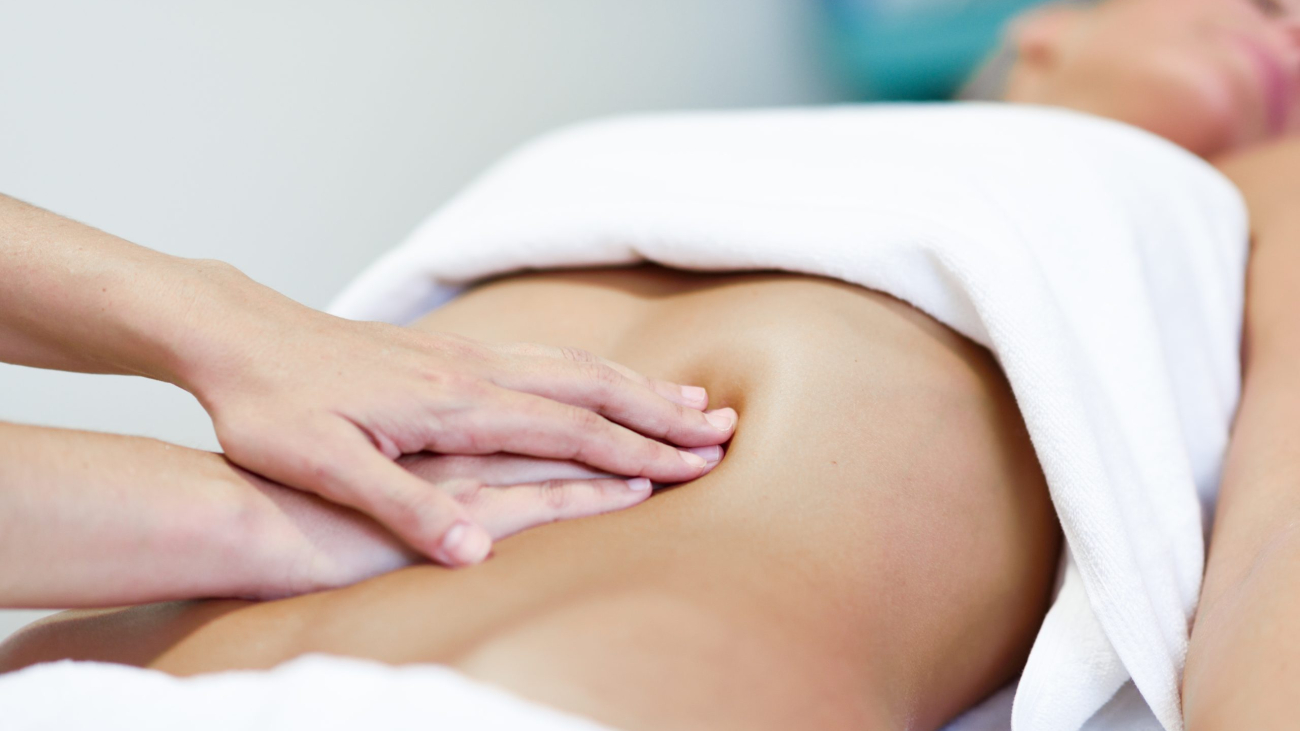
Hands massaging female abdomen.Therapist applying pressure on belly. Woman receiving massage at spa salon

Lymphatic Drainage Massage After Liposuction: Benefits & Timing

Table of Contents


Introduction


Liposuction offers a pathway to reshape your body, yet the recovery often involves swelling, bruising, and discomfort. To support healing and minimize these effects, lymphatic drainage massage is increasingly recognized as a beneficial adjunct therapy.
 
 
This specialized massage technique stimulates the lymphatic system, facilitating the removal of excess fluids and toxins. By enhancing lymph flow, it helps reduce inflammation and promotes a smoother recovery process. Patients incorporating this therapy often report increased comfort and expedited healing.
 
 
This article delves into how lymphatic drainage massage works post-liposuction, its advantages, and practical guidance for integrating it into your recovery plan.


Understanding the Mechanism of Lymphatic Drainage Massage After Liposuction


Lymphatic drainage massage targets the lymphatic vessels with gentle, rhythmic movements to promote the circulation of lymph fluid. After liposuction, this aids in clearing accumulated fluids and metabolic waste from the operated areas.
 
 
By activating the lymphatic pathways, the massage reduces localized swelling and supports tissue repair. This mechanism optimizes the body’s innate detoxification process, facilitating faster resolution of post-surgical inflammation.


Benefits of Lymphatic Drainage Massage in Post-Liposuction Recovery


The application of lymphatic drainage massage after liposuction offers several clinical advantages:


  • Accelerates reduction of post-operative swelling


  • Alleviates discomfort caused by fluid retention


  • Enhances microcirculation, promoting tissue regeneration


  • Improves skin quality by increasing elasticity and texture


  • Limits bruising through improved blood and lymph flow


  • Assists in the removal of surgical debris and toxins


  • Mitigates inflammation in treated regions


  • Supports relaxation and stress reduction beneficial for healing


Collectively, these benefits contribute to a more comfortable and efficient recovery timeline.


Optimal Timing to Start Lymphatic Drainage Massage After Liposuction


Initiating lymphatic drainage massage at the appropriate time is crucial. Typically, sessions begin one to two weeks post-surgery, once the initial acute swelling and skin sensitivity have diminished.
 
 
Starting too soon can interrupt delicate healing tissues, whereas delaying may extend recovery duration. Always adhere to your surgeon’s recommendations, as individual factors like surgical extent and personal healing rates influence timing.
 
 
Properly timed massage sessions maximize fluid drainage and tissue recovery without compromising wound integrity.


How Lymphatic Drainage Massage Reduces Swelling and Bruising Post-Liposuction


Swelling and bruising result from fluid accumulation and minor vascular trauma during liposuction. Lymphatic drainage massage counteracts this by:


  • Stimulating lymphatic vessel contraction to enhance fluid clearance


  • Promoting elimination of cellular waste and blood breakdown products


  • Reducing interstitial pressure to relieve tissue tension


  • Increasing oxygen supply to affected tissues


  • Accelerating the resorption of hematomas


  • Boosting immune cell activity to support healing


  • Improving skin flexibility and tone


  • Alleviating discomfort associated with edema


  • Facilitating scar remodeling through improved circulation


This multifaceted approach expedites recovery and improves cosmetic outcomes.


Preventing Scar Tissue Formation with Lymphatic Drainage Massage


Scar tissue can develop as fibrous adhesions form during the healing phase. Regular lymphatic drainage massage aids in minimizing this by enhancing circulation and lymph flow, which helps soften fibrotic tissue.
 
 
The massage’s gentle pressure assists in breaking down early adhesions, maintaining skin suppleness and mobility. This supports better contour definition and reduces the risk of uncomfortable or restrictive scar formation.


Frequency and Duration: How Often Should You Get Lymphatic Drainage Massage After Liposuction?


A recommended regimen for lymphatic drainage massage includes:


  • 2 to 3 sessions per week initially


  • Each session lasting 30 to 45 minutes


  • Gentle techniques in early phases to prevent irritation


  • Gradual reduction in frequency as swelling subsides


  • Continuation of treatments for 3 to 6 weeks based on healing progress


Consistency is key to maintaining lymphatic flow and maximizing benefits. Always customize the schedule based on professional advice and individual response to therapy.


Comparing Professional vs Self-Administered Lymphatic Drainage Massage Post-Liposuction


Professional lymphatic drainage massage is delivered by trained therapists who understand anatomy and use precise techniques to effectively stimulate deep lymph vessels, offering superior fluid removal and swelling reduction.
 
 
Self-administered massage provides flexibility and empowerment but requires proper instruction to avoid excessive pressure or ineffective movements. It is best viewed as a complementary practice rather than a substitute for professional treatment, especially in the early recovery phase.
 
 
Balancing both approaches can optimize healing while accommodating personal preferences and accessibility.


Role of Lymphatic Drainage Massage in Enhancing Skin Tightening After Liposuction


Beyond fluid management, lymphatic drainage massage supports skin contraction by stimulating collagen synthesis and improving tissue elasticity. This biological response helps the skin conform to the new body contours created by fat removal.
 
 
Reduced swelling and improved circulation further contribute to a firmer, toned appearance. Incorporating this massage technique enhances the aesthetic results of liposuction by promoting healthier, more resilient skin.


Addressing Common Concerns and Myths About Lymphatic Drainage Massage After Liposuction


There are misconceptions regarding lymphatic drainage massage, including fears of pain or tissue damage. When performed by qualified professionals:


  • The massage is gentle and non-painful


  • It supports, rather than interferes with, surgical healing


  • It does not increase infection risk when started appropriately


  • It helps prevent fibrosis and irregularities


  • It complements medical treatment without replacing it


Understanding these points can alleviate patient worries and encourage adherence to beneficial post-operative care.


The Impact of Liposuction on the Lymphatic System and How Massage Supports Healing


Liposuction disrupts normal lymphatic flow due to tissue manipulation and trauma, leading to temporary fluid retention and swelling.
 
 
Lymphatic drainage massage counteracts these effects by reactivating the lymphatic vessels, restoring drainage pathways, and facilitating the removal of excess fluids. This accelerates tissue repair and promotes the restoration of skin smoothness and contour.


Selecting a Qualified Therapist for Effective Post-Liposuction Lymphatic Drainage Massage


Choosing an experienced therapist ensures safe application of techniques tailored to liposuction recovery:


  • Verify credentials and specialized training in lymphatic therapy


  • Confirm experience with post-surgical patients


  • Seek professionals skilled in gentle, precise movements


  • Evaluate communication and comfort during consultations


  • Check facility hygiene and patient feedback


  • Ensure personalized treatment plans with progress monitoring


A qualified therapist maximizes therapy effectiveness and patient safety.


Integrating Lymphatic Drainage Massage Into a Comprehensive Post-Liposuction Care Plan


Lymphatic drainage massage works synergistically with other recovery strategies such as compression garments, hydration, and rest. Together, they:


Recovery Method


Purpose


Benefit


Lymphatic Drainage Massage


Stimulate lymph flow


Reduce swelling, promote healing


Compression Garments


Apply consistent pressure


Support skin tightening


Hydration


Maintain fluid balance


Enhance lymphatic efficiency


Rest


Facilitate tissue repair


Prevent complications


This integrated approach optimizes healing, improves comfort, and enhances final results.


Frequently Asked Questions


What is lymphatic drainage massage and how does it help after liposuction? It is a gentle massage technique that stimulates the lymphatic system to clear fluid and toxins, reducing swelling and supporting faster recovery.
 
 
When should I start lymphatic drainage massage after my liposuction procedure? Generally, it begins 1-2 weeks after surgery once swelling decreases, but follow your surgeon’s specific advice.
 
 
How many lymphatic drainage massage sessions are recommended post-liposuction? Typically, 5 to 10 sessions over a few weeks provide effective support for healing and contour refinement.
 
 
Are there any risks or side effects of lymphatic drainage massage after liposuction? When performed by trained therapists, it is safe and gentle. Minor bruising or sensitivity may occur but usually resolves quickly.
 
 
Can lymphatic drainage massage improve the appearance of liposuction results? Yes, by reducing fluid retention and enhancing circulation, it helps achieve smoother and more defined body contours.
 
 
Clinic Wise emphasizes lymphatic drainage massage as a fundamental element of expert post-liposuction care, promoting optimal healing and patient wellbeing.

sexual-selfcare-young-woman

J-Plasma and Liposuction: Improved Skin Tightening Benefits

Table of Contents


Introduction


Liposuction effectively eliminates stubborn fat deposits that resist diet and exercise, yet it can sometimes leave the skin loose or sagging, detracting from the overall outcome. This skin laxity is a common concern for many patients seeking a toned appearance.
 
 
Incorporating J-Plasma technology addresses this issue by promoting immediate skin tightening through controlled helium plasma energy. This method encourages collagen synthesis and enhances skin elasticity, resulting in a firmer, more natural look without additional invasive procedures.
 
 
This article explores how combining J-Plasma with liposuction creates enhanced skin retraction, outlines the procedure, and highlights the benefits to help you consider this innovative approach for improved body contouring.


The Synergistic Effect of Combining J Plasma with Liposuction for Optimal Skin Tightening


The integration of J-Plasma with liposuction amplifies the benefits of fat removal by directly targeting skin laxity. While liposuction removes unwanted fat, J-Plasma delivers helium plasma energy that stimulates collagen formation and promotes skin contraction.
 
 
Together, they provide a comprehensive solution—reducing fat volume while simultaneously enhancing skin firmness. This combination leads to smoother contours, diminished sagging, and a more refined silhouette than liposuction alone can achieve.


How J Plasma Enhances Skin Retraction After Liposuction Procedures


Following fat extraction, J-Plasma applies cold helium plasma to the deeper layers of the skin, generating controlled thermal effects that induce immediate tissue tightening. This process triggers collagen remodeling over time, improving skin elasticity and long-term firmness.
 
 
This precise energy delivery minimizes trauma, ensuring safer recovery and elevating the quality of skin tightening beyond traditional methods. The result is a noticeable improvement in skin texture and contour definition after liposuction.


Step-by-Step Overview of the Combined J Plasma and Liposuction Technique


The combined procedure involves the following stages:


  1. Treatment areas are carefully marked.


  1. Tumescent solution is administered to reduce bleeding and ease fat removal.


  1. Liposuction is performed to extract targeted fat deposits.


  1. The J-Plasma device is applied over the treated skin to deliver helium plasma energy.


  1. Continuous monitoring ensures appropriate tissue response and energy levels.


  1. Incisions are closed meticulously to minimize visible scarring.


  1. Postoperative care instructions guide patients through recovery.


This dual approach ensures effective fat reduction while enhancing skin tightening for a balanced, natural outcome.


Ideal Candidate Profiles for J Plasma and Liposuction Combination Treatments


Patients best suited for this combined treatment generally:


  • Exhibit mild to moderate skin laxity after fat accumulation.


  • Are between 30 and 60 years old.


  • Have localized areas of loose skin on the abdomen, thighs, arms, or flanks.


  • Maintain overall good health and stable weight.


  • Prefer minimally invasive procedures with minimal scarring.


  • Desire simultaneous fat removal and skin tightening for body contour refinement.


Evaluating these factors helps determine if the combination will yield optimal results for each individual.


Comparing Skin Tightening Outcomes Liposuction Alone vs Liposuction with J Plasma


Parameter


Liposuction Alone


Liposuction with J Plasma


Skin Tightening Effect


Moderate skin contraction


Enhanced, uniform tightening with better elasticity


Recovery Time


Standard swelling and healing


Comparable recovery with improved skin quality


Patient Satisfaction


Variable, depends on skin elasticity


Generally higher due to firmer, smoother skin


Skin Quality


Possible residual looseness


Noticeably improved texture and firmness


Minimizing Loose Skin After Fat Removal Using J Plasma Technology


Post-liposuction loose skin is a frequent challenge. J-Plasma combats this by delivering targeted energy that accelerates collagen synthesis and promotes immediate skin contraction. This approach not only enhances the skin’s appearance but also supports faster recovery with reduced sagging.
 
 
The technology’s ability to firm skin naturally makes it a preferred adjunct to liposuction for patients aiming for optimal contour and texture improvements.


Recovery Expectations and Care After Combined J Plasma and Liposuction Procedures


Post-procedure recovery typically involves mild swelling and bruising that resolve within approximately two weeks. Key care recommendations include:


  • Wearing compression garments consistently to support skin retraction.


  • Avoiding direct sunlight on treated areas to prevent pigmentation changes.


  • Maintaining incision hygiene to reduce infection risk.


  • Following prescribed pain management protocols.


  • Attending scheduled follow-ups to monitor healing progress.


  • Gradually returning to normal activities as advised.


Adhering to these guidelines enhances healing and maximizes the tightening benefits of the combined treatment.


Anatomical Areas Best Suited for J Plasma and Liposuction Combination Treatments


The combined treatment is most effective in regions where fat removal often leads to skin laxity, including:


  • Abdomen: tightens skin after abdominal fat reduction.


  • Upper arms: addresses sagging commonly known as “bat wings.”


  • Thighs: improves contour and firmness.


  • Flanks: targets love handles with skin tightening.


  • Neck and jawline: refines and lifts lax skin.


  • Back: smooths irregularities after fat removal.


  • Buttocks and knees: enhances skin texture and firmness.


These areas respond well to the dual action of fat extraction and plasma-induced skin contraction.


Safety Considerations When Using J Plasma Alongside Liposuction


Ensuring safety requires meticulous control over helium plasma energy to avoid burns or tissue injury. Surgeons conduct thorough patient evaluations to identify any contraindications and employ sterile techniques to prevent infection.
 
 
Continuous monitoring during the procedure allows for real-time adjustments, minimizing risks while optimizing skin tightening. Performing the treatment under experienced hands is crucial for balancing efficacy and safety.


The Role of Cold Helium Plasma in Enhancing Post-Liposuction Skin Firmness


Cold helium plasma technology uniquely delivers precise energy that tightens skin without excessive heat damage. This controlled stimulation of collagen remodeling supports sustained improvements in skin texture and elasticity.
 
 
Unlike conventional thermal methods, cold helium plasma minimizes discomfort and downtime, making it a valuable tool for enhancing the aesthetic outcomes of liposuction.


Cost-Effectiveness and Long-Term Benefits of Integrating J Plasma with Liposuction


By combining J-Plasma with liposuction, patients often avoid secondary skin tightening procedures, reducing overall treatment costs. The enhanced collagen stimulation translates to longer-lasting firmness and better contour maintenance.
 
 
This integration offers a high return on investment through durable results, improved patient satisfaction, and decreased need for additional interventions.


Innovations in Body Contouring: The Future of J Plasma and Liposuction Integration


The future of body shaping lies in refining minimally invasive technologies like J-Plasma combined with liposuction. Advances focus on optimizing energy delivery for maximal skin contraction with minimal recovery time.
 
 
Ongoing research and development promise improved protocols that enhance patient outcomes, streamline procedures, and broaden indications for combined treatments.


Frequently Asked Questions


What is J-Plasma and how does it work with liposuction for skin tightening?J-Plasma utilizes cold helium plasma energy to tighten skin by stimulating collagen after fat removal. When combined with liposuction, it enhances skin retraction, resulting in firmer, smoother contours.
 
 
Is combining J-Plasma with liposuction safe?Yes, with skilled surgeons using precise energy control, the combination is safe and minimizes risks, promoting faster recovery and effective tightening.
 
 
Who is an ideal candidate for J-Plasma combined with liposuction?Individuals with mild to moderate skin laxity seeking simultaneous fat removal and improved skin firmness, particularly in areas like the abdomen or arms, benefit most.
 
 
How does the recovery process differ when using J-Plasma with liposuction?Recovery tends to be smoother, with reduced swelling and bruising, as J-Plasma aids in skin healing and contraction, accelerating visible improvements.
 
 
What results can patients expect from combining J-Plasma with liposuction?Patients typically see more significant skin tightening and contour refinement, with ongoing collagen remodeling enhancing firmness over several months.
 
 
The fusion of J-Plasma and liposuction offers an advanced, effective approach to body contouring, delivering natural, lasting results under expert care.