


Lipo 360 with J-Plasma combines 360-degree liposuction with Renuvion’s helium plasma energy to tighten skin during fat removal. The plasma stimulates collagen remodeling for progressive improvement in skin quality. Recovery mirrors standard lipo 360. Ideal for patients with mild-to-moderate skin laxity seeking comprehensive contouring in one procedure.
Lipo 360 with J-Plasma: Myths vs Reality Debunked
You’ve seen the lipo 360 with j plasma conversations exploding across Reddit threads, Instagram reels, and clinic websites. Everyone’s asking: Does J-Plasma really work? Is it worth it? How long does J-Plasma last? The noise is loud, but the signal? Surprisingly thin. Most content either oversells or oversimplifies. Let’s cut through it — myth by myth — so you walk into your consultation knowing exactly what this combo delivers.
Myth 1: “J-Plasma Is Just Marketing Hype for Standard Liposuction”
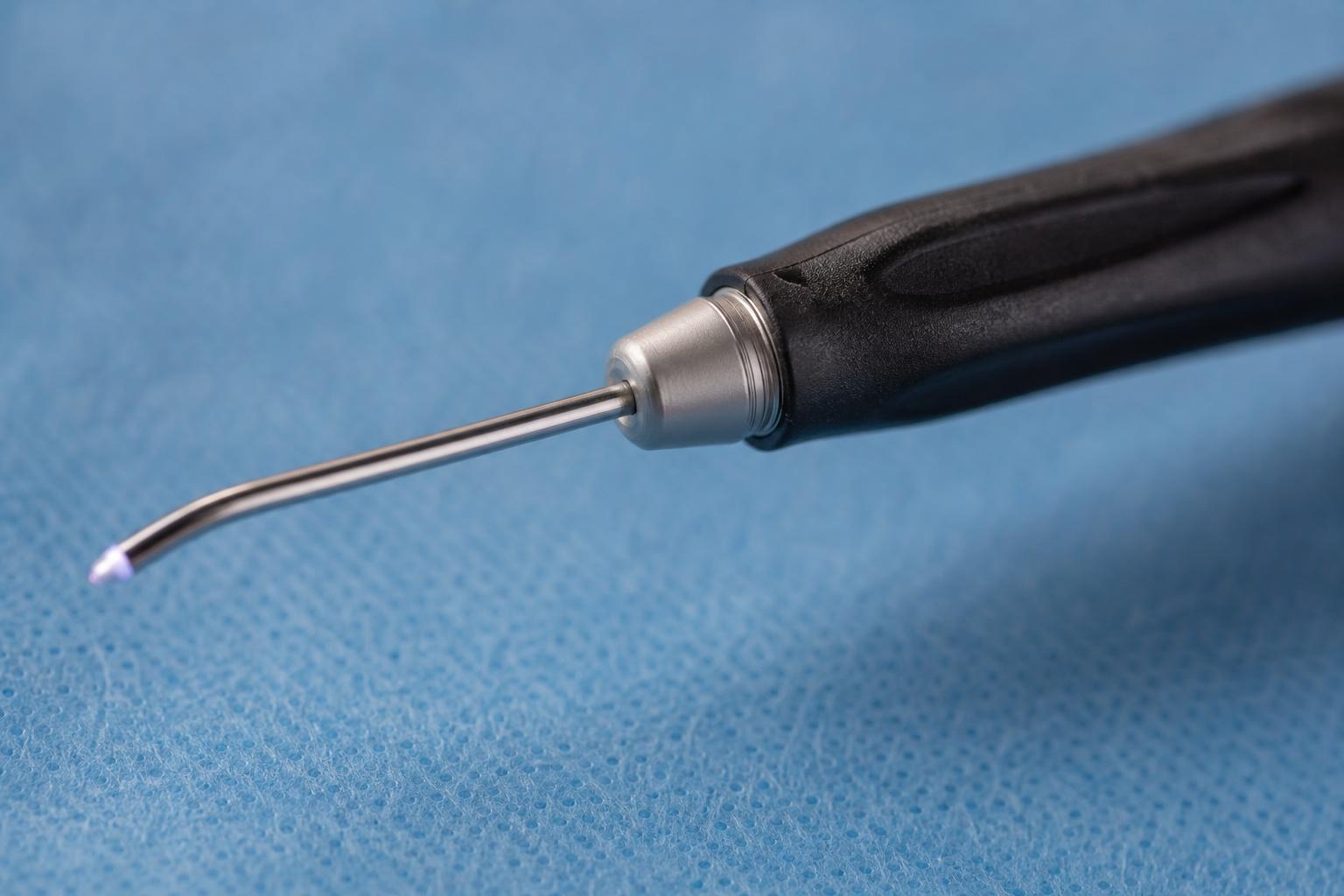
This might be the most persistent misunderstanding. Lipo 360 with J-Plasma isn’t lipo with a fancy add-on — it’s a fundamentally different tissue interaction. Traditional liposuction removes fat; Renuvion’s helium plasma technology delivers controlled thermal energy beneath the dermis through the same micro-incisions, triggering immediate tissue contraction and long-term collagen remodeling.
The device (cleared by major regulatory bodies worldwide) uses helium gas converted to plasma state — not laser, not radiofrequency alone. This allows precise, cooler energy delivery with minimal lateral thermal spread. Surgeons who’ve adopted it consistently describe the difference in skin retraction as “visible on the table” during procedures.
Key Takeaway: J-Plasma adds active skin tightening to fat removal — not just marketing language, but a distinct biophysical mechanism that changes how tissue responds after volume reduction.
Myth 2: “Results Don’t Last — It’s Temporary Swelling Masquerading as Tightening”
Patients consistently describe a two-phase transformation. Phase one: immediate contraction from thermal effect (visible at 2-4 weeks). Phase two: progressive collagen remodeling that continues for months — often peaking around 6-12 months post-op. This isn’t swelling resolution; it’s neocollagenesis.
How long does J-Plasma last? The new collagen framework integrates with your existing tissue architecture. Provided weight remains stable and skin health is maintained, the structural improvement persists. Many patients report their contours continue refining well past the one-year mark — something standard lipo alone rarely achieves in laxity-prone areas.
Key Takeaway: J-Plasma results are progressive and structural, not transient. The collagen you build becomes part of your tissue — it doesn’t “wear off” like a filler.
Myth 3: “It Only Works for Young Patients With Good Skin Elasticity”
Age matters less than skin quality. A 45-year-old with sun-damaged but vascularized skin often responds better than a 30-year-old with genetically thin, poor-quality dermis. The plasma energy stimulates fibroblasts regardless of chronological age — what varies is the magnitude of response.
During consultations, surgeons assess pinch test elasticity, skin thickness, and photodamage history — not birth year. Patients with moderate laxity (the “deflated balloon” look after weight loss or pregnancy) frequently see the most dramatic relative improvement. Those with severe ptosis may still need excisional procedures, but lipo 360 with J-Plasma can reduce the extent of scarring required.
Key Takeaway: Skin biology, not age, determines candidacy. A thorough in-person assessment beats any online checklist.
Myth 4: “Recovery Is Brutal — Way Worse Than Regular Lipo 360”
Here’s what surprises most patients: the J-Plasma recovery timeline mirrors standard lipo 360 almost exactly. The plasma energy is delivered through the same cannula entry points. No additional incisions. No drains specifically for the plasma component.
You’ll wear compression garments for 4-6 weeks. Light movement starts day one. Most return to desk work within 7-10 days. The thermal sensation some describe (“warmth” or “tightness”) typically resolves within weeks. Bruising and swelling patterns? Nearly identical to lipo alone. The added energy simply doesn’t translate to added downtime.
Key Takeaway: Same incisions, same garment protocol, same return-to-life timeline. The plasma component adds clinical benefit without recovery penalty.
TL;DR
• J-Plasma uses helium plasma (not laser/RF alone) for precise, cool energy delivery
• Results build progressively via collagen remodeling — peak at 6-12 months
• Skin quality > age for candidacy
• Recovery = standard lipo 360 timeline
• Different mechanism than BodyTite — less thermal spread, more superficial control
Myth 5: “BodyTite Is Better — Same Thing, More Proven”
J-Plasma vs BodyTite comes up constantly. Both use radiofrequency, but the physics diverge. BodyTite delivers bipolar RF between internal and external electrodes — excellent for deep heating. J-Plasma’s helium plasma creates a focused, high-energy stream at lower temperatures with minimal lateral spread.
This translates to: finer control in superficial layers (critical for crepey skin on arms, neck, décolleté), reduced risk of thermal injury to underlying structures, and more predictable contraction in thin-skinned areas. Many surgeons who offer both select J-Plasma specifically for lipo 360 with J-Plasma cases where skin quality is the primary concern. Neither is universally “better” — they’re different tools for different tissue challenges.
Key Takeaway: J-Plasma excels where precision and superficial control matter most. Your surgeon’s device preference should align with your anatomy — not clinic marketing.
Myth 6: “Before-and-After Photos Tell the Whole Story”
They don’t — and not because clinics hide results. J-Plasma before and after images capture a moment, but the process is what matters. Early photos (3 months) show swelling resolution. Mid-phase (6 months) reveal collagen kickstarting. Late-phase (12+ months) display mature remodeling.
Lighting, posture, garment compression, and weight fluctuation all distort comparison. The most honest galleries show sequential intervals — not just “before” and “after.” When reviewing before & after galleries, look for consistency in lighting, angle, and timepoint labeling. Better yet: ask for unretouched clinical photos from your specific surgeon’s recent cases during consultation.
Key Takeaway: Static images miss the dynamic biology. Ask for longitudinal photo sequences — they reveal the real trajectory.
What Actually Determines Your Outcome
Three factors outweigh device choice or marketing claims:
- Surgeon’s energy delivery technique: Power settings, pass speed, tissue plane targeting — these vary wildly between providers. Mastery comes from volume and mentorship.
- Your skin’s biological response: Genetics, hormonal status, smoking history, and nutrition all modulate collagen production. Two identical procedures yield different results in different bodies.
- Post-op compliance: Garment wear, lymphatic massage, weight stability, and sun protection directly impact final skin quality. The procedure plants the seed; your recovery grows it.
This is why choosing a clinic with dedicated J-Plasma expertise — not just a device on the shelf — changes everything. Teams performing high volumes develop nuanced protocols for different body zones, skin types, and laxity patterns. They anticipate how your tissue will behave.
Key Takeaway: The surgeon’s hand and your body’s biology write the result — the device is just the pen.
Your Next Step: A Conversation, Not a Commitment
You’ve done the research. You understand the myths. Now you need a plan built for your anatomy, your skin, your goals. That happens in a consultation — not a blog post.
At Clinic Wise, every lipo 360 with J-Plasma journey starts with a detailed virtual assessment where we review your photos, medical history, and aesthetic priorities. No pressure. No sales scripts. Just honest surgical perspective from specialists who perform this combination weekly.
If you’re a candidate, we’ll walk you through the full patient journey — from pre-op prep to long-term follow-up — so you know exactly what to expect at every stage. If you’re not, we’ll explain why and suggest alternatives that better serve your vision.
Still gathering insights? Explore real patient stories or download our complete patient journey guide — both built from the questions people like you ask every day.
Your contour deserves clarity. Let’s find it together.
Frequently Asked Questions
Does J-Plasma really work for skin tightening after liposuction?
Yes, J-Plasma delivers controlled helium plasma energy beneath the skin during lipo 360, stimulating collagen production that continues improving skin quality for months. Many patients report noticeable tightening in areas with mild to moderate laxity.
Is J-Plasma worth it compared to traditional liposuction alone?
For patients concerned about skin redundancy after fat removal, adding J-Plasma to lipo 360 often provides superior contour definition. The combination addresses both volume and skin quality in a single procedure.
How long do J-Plasma results last after lipo 360?
Collagen remodeling continues for six to twelve months post-procedure, with results maintained long-term through stable weight and healthy lifestyle. Skin quality improvements are progressive, not immediate.
What is the recovery like for lipo 360 with J-Plasma?
Recovery mirrors standard lipo 360 — most patients return to light activities within one to two weeks. Compression garments are worn for several weeks. The plasma energy adds minimal additional downtime.
How does J-Plasma compare to BodyTite for skin tightening?
Both use radiofrequency energy but J-Plasma’s helium plasma allows more precise, cooler energy delivery with less thermal spread. Many surgeons prefer it for delicate areas and predictable superficial tightening.

Turkey is a popular destination for BBL surgery operations applied for individuals who want to have a more effective buttocks. Read more

Weight Loss and Tummy Tuck Surgery Examine the impact of stomach tuck surgery on body contouring and weight loss. Discover Read more
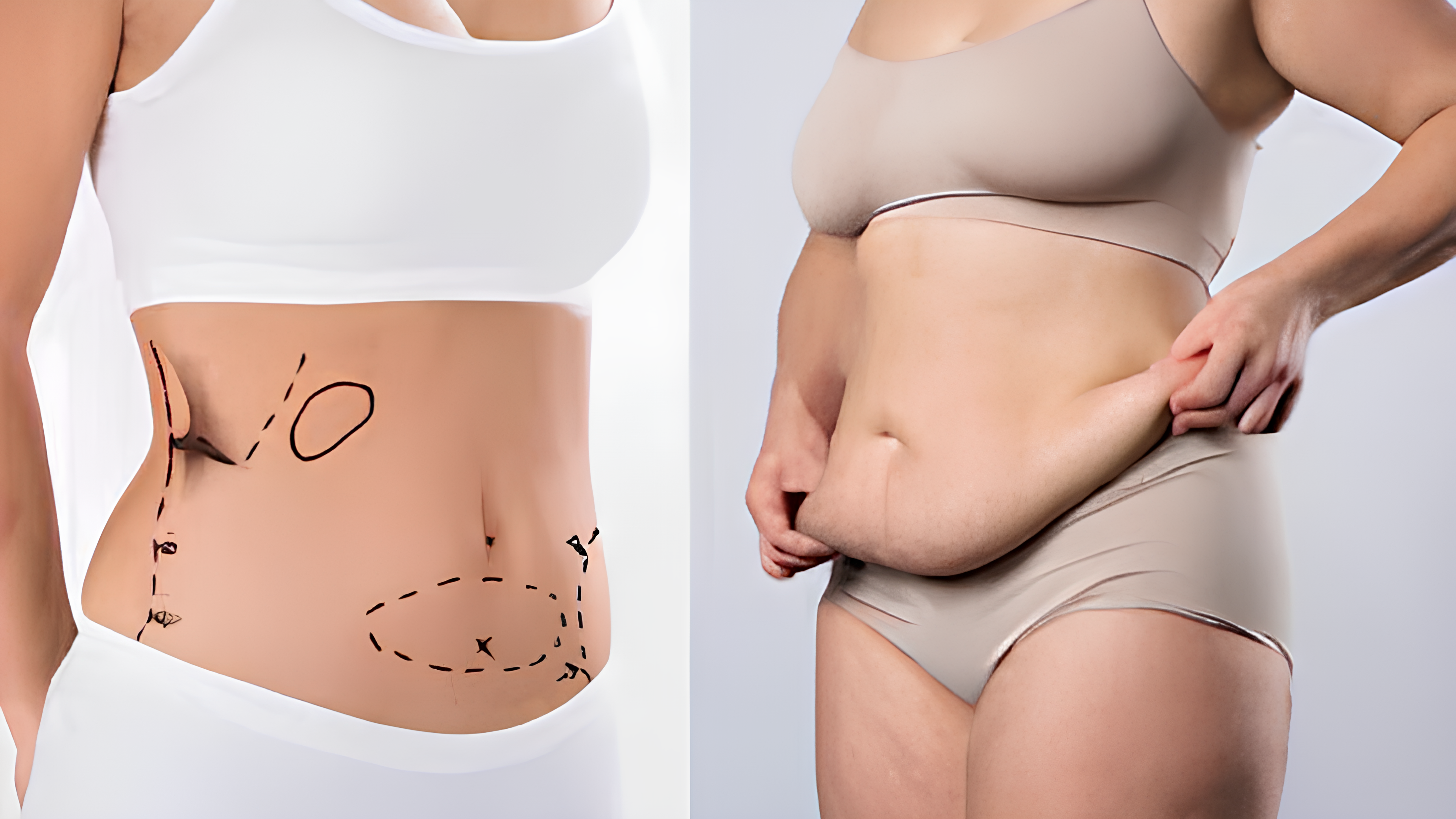
What is Tummy Tuck? Abdominoplasty, a tummy tuck, is an aesthetic surgical surgery used to enhance the physical appearance and Read more
Add a Comment