


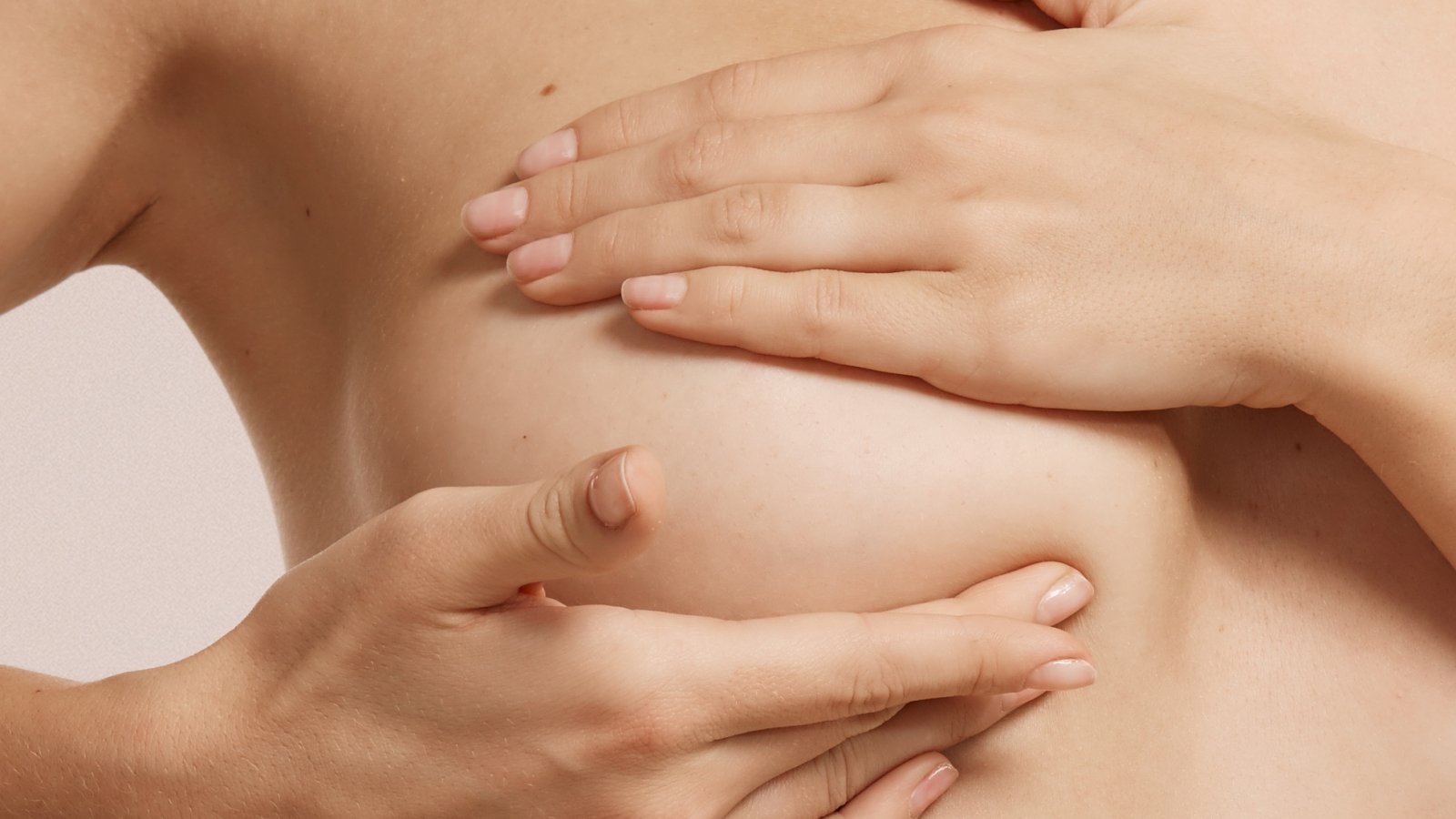
Breast Implant Surface Textures and Capsular Contracture Rates
Introduction
Selecting breast implants involves considering how different surface textures affect the body’s response after surgery. A key concern is capsular contracture, where tight scar tissue forms around the implant, potentially causing discomfort or changes in breast shape.
The choice between smooth and textured implants influences this risk. Textured implants may encourage tissue growth patterns that reduce contracture, while smooth implants often provide a softer feel but might be associated with higher contracture rates.
This article explores various implant surface textures, their interaction with body tissues, insights from recent research, and what to expect during recovery. Understanding these factors helps in making informed decisions alongside your surgeon for optimal results.
Impact Of Smooth Versus Textured Breast Implants On Capsular Contracture Rates
The texture of breast implants significantly affects the likelihood of developing capsular contracture.
- Smooth implants have a slick surface that can allow scar tissue to contract more tightly, increasing firmness.
- Textured implants promote tissue adherence, disrupting scar tissue organization and potentially lowering contracture rates.
- Textured implants are often preferred in certain placements due to their protective effect against contracture.
- Although textured implants carry rare risks like associations with specific lymphomas, they remain favored for reducing scar tightening.
- Surgical technique and patient anatomy are important factors influencing outcomes alongside implant texture.
- Open communication with your surgeon about implant surface options ensures tailored treatment plans.
Choosing the right implant surface involves balancing benefits and risks to minimize contracture and enhance patient comfort.
How Microtextured Surfaces Influence Capsular Contracture Development?
Microtextured implants feature a subtle surface pattern designed to encourage more natural tissue integration than smooth implants but with less aggressiveness than macrotextured types.
This moderate texturing helps reduce the formation of tight scar capsules by promoting controlled tissue ingrowth, lowering capsular contracture risk without compromising implant softness.
By combining the benefits of smooth and textured implants, microtextured surfaces offer an appealing option for patients seeking a balance between comfort and contracture prevention.
Comparing Capsular Contracture Incidence Between Macrotextured And Smooth Implants
Differences in surface roughness impact capsular contracture rates:
- Macrotextured implants show lower contracture incidence, likely due to their rough surface interrupting scar tissue formation.
- Smooth implants have higher rates as their slick surface permits tighter fibrosis.
- Patient-specific factors and surgical methods also influence these outcomes.
|
Implant Type
|
Capsular Contracture Rate (%)
|
Surface Characteristic
|
|
|---|---|---|---|
|
Macrotextured
|
5-10
|
Rough surface disrupts tissue
|
|
|
Smooth
|
10-20
|
Smooth surface allows fibrosis
|
|
|
Microtextured
|
8-15
|
Moderate texture
|
|
|
Polyurethane-Coated
|
2-7
|
Coated to reduce fibrosis
|
Such data guides implant selection to reduce complications and improve long-term results.
Role Of Implant Surface Texture In Subglandular Versus Submuscular Placement
The influence of implant surface texture varies with placement technique:
- In subglandular placement, textured implants effectively reduce capsular contracture by interfering with scar tissue formation directly under breast tissue.
- For submuscular placement, the muscle layer itself mitigates contracture risk, making surface texture less critical.
Understanding this interaction enables surgeons to optimize choices based on the implant location, enhancing safety and outcomes.
Why Surface Texture Matters In Breast Augmentation-Mastopexy Procedures?
In combined breast augmentation and mastopexy, implant surface texture affects healing and implant stability:
- Smooth surfaces may cause less inflammation but have higher contracture rates.
- Textured implants promote integration with surrounding tissue, improving fixation and lowering contracture risk.
- Microtextured implants provide a middle ground between softness and tissue adherence.
- Macrotextured surfaces offer strong tissue grip but may carry certain rare complications.
- Selecting the appropriate texture depends on patient anatomy, skin quality, and surgical goals.
Choosing the right surface texture supports both functional and aesthetic success in these combined procedures.
Meta-Analysis Insights On Surface Textures And Capsular Contracture Risk
Aggregated clinical data reveal:
- Textured implants generally reduce capsular contracture risk compared to smooth implants.
- Macrotextured implants provide the most significant reduction.
- Microtextured implants offer moderate risk decrease.
- Smooth implants consistently show higher contracture rates.
|
Implant Surface Type
|
Capsular Contracture Rate (%)
|
Meta-Analysis Findings Summary
|
|
|---|---|---|---|
|
Smooth
|
10-15
|
Highest contracture rates
|
|
|
Microtextured
|
5-10
|
Moderate reduction in contracture
|
|
|
Macrotextured
|
1-5
|
Most effective in lowering risk
|
These insights assist in selecting implants tailored to minimize contracture.
Advances In Implant Surface Technology To Reduce Capsular Contracture
New technologies aim to lower capsular contracture through:
- Improved textured surfaces enhancing tissue integration.
- Antibacterial coatings limiting bacterial colonization linked to contracture.
- Nano- and micro-scale surface engineering balancing softness and adherence.
- Polyurethane coatings acting as barriers to excessive scar tissue.
Such innovations contribute to safer implants with better long-term outcomes.
The Biological Mechanisms Linking Surface Texture To Capsule Formation
The implant surface influences the body’s healing response:
- Smooth implants tend to form uniform scar capsules due to less tissue adhesion.
- Textured surfaces facilitate tissue ingrowth, disrupting tight scar formation.
- Immune cells respond differently according to surface roughness, affecting inflammation.
- Fibroblast activity and collagen deposition vary with implant texture, impacting capsule thickness.
- Controlled tissue integration reduces excessive fibrosis.
Understanding these biological interactions aids in optimizing implant design and selection.
Textured Implants And Their Effect On Fibrotic Capsule Thickness
Textured implants promote the development of a thinner, less dense fibrotic capsule by interrupting collagen organization.
This reduced capsule thickness diminishes firmness and lowers the chance of contracture compared to smooth implants.
Individual patient factors and surgical expertise remain important to achieve the best outcomes.
Patient Outcomes Related To Different Breast Implant Surface Textures
Patient experiences vary with implant surface:
- Smooth implants typically offer a softer feel and quicker recovery.
- Textured implants may feel firmer but decrease capsular contracture risk.
- Microtextured implants strike a balance between comfort and safety.
- Macrotextured implants reduce contracture but can have other complication profiles.
- Satisfaction depends on matching implant texture to patient anatomy and surgical results.
- Recovery and complication rates are influenced by tissue response to implant surface.
- Skilled surgeons play a crucial role in optimizing outcomes through appropriate texture selection.
These factors guide personalized implant choices.
Surgical Considerations When Choosing Implant Surface To Minimize Capsular Contracture?
Surgeons weigh multiple factors in implant surface selection:
- Smooth implants may carry higher contracture risk due to uniform capsule formation.
- Textured implants encourage tissue integration, reducing contracture likelihood.
- Patient-specific variables like immune response and anatomy inform decisions.
- Meticulous surgical technique and pocket preparation are essential regardless of implant type.
- Implant placement, lifestyle, and cosmetic goals also influence surface choice.
- Educating patients about implant textures supports informed consent and satisfaction.
Careful selection of implant surface texture contributes to improved surgical success and patient safety.
Long-Term Capsular Contracture Rates Associated With Various Implant Textures
Long-term data show:
- Smooth implants have higher contracture rates over 5-10 years.
- Macrotextured implants demonstrate the lowest rates.
- Microtextured implants fall in between.
- Emerging nano-textured surfaces are promising but require further study.
|
Implant Surface Texture
|
Capsular Contracture Rate (%)
|
Study Duration (Years)
|
|
|---|---|---|---|
|
Smooth
|
15-20
|
5-10
|
|
|
Micro-textured
|
7-12
|
5-10
|
|
|
Macro-textured
|
3-8
|
5-10
|
|
|
Nano-textured
|
5-10
|
3-7
|
Recognizing these trends aids in implant selection to optimize long-term outcomes.
Frequently Asked Questions
What are breast implant surface textures? They describe the outer design of implants—smooth or various textured finishes—that influence healing and scar tissue formation.
How do different implant textures affect capsular contracture rates? Textured surfaces generally lower the risk by disrupting scar tissue organization, while smooth implants have higher contracture incidence.
Is textured or smooth implant surface better for preventing capsular contracture? Textured implants typically reduce contracture risk, but the best choice depends on individual anatomy and surgeon recommendation.
Can implant surface texture impact the feel and appearance after surgery? Yes, textured implants may feel firmer due to tissue integration, whereas smooth implants often feel softer but carry higher contracture risk.
What should I discuss with my surgeon about implant textures before surgery? Inquire about the advantages and risks of each surface type, their effect on capsular contracture, and how your personal factors influence implant choice.
Clinic Wise is dedicated to guiding you toward safe, effective breast implant options tailored to your needs.
Related Posts
Choosing between breast augmentation with fat transfer vs implants is one of the most important decisions you'll make in your Read more
Breast augmentation with nipple reduction represents a comprehensive approach to achieving your ideal breast appearance by addressing both volume and Read more
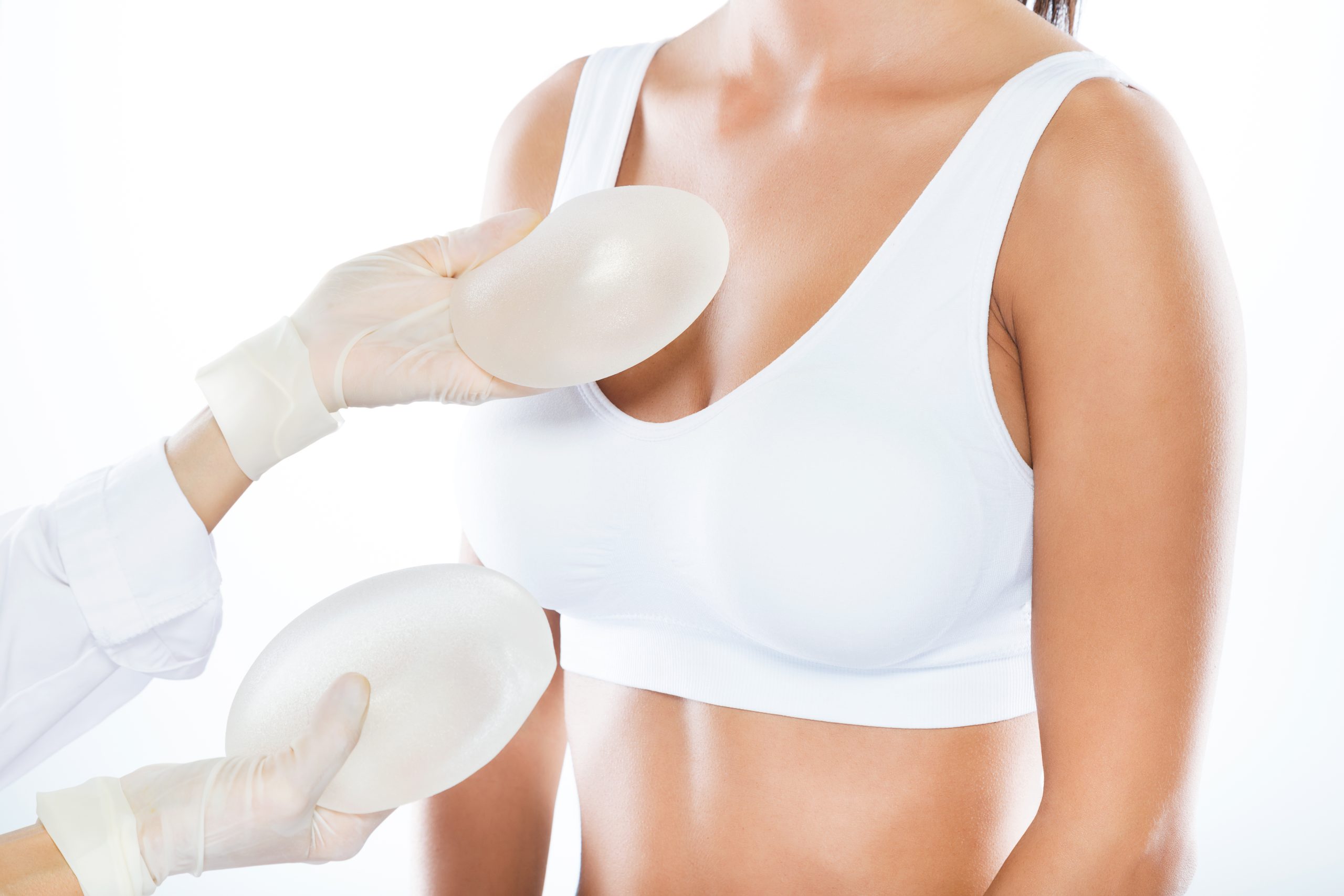
Contents Types of Breast Implants: Silicone vs Saline Explained Understanding Breast Implant Profiles and Read more
Add a Comment