
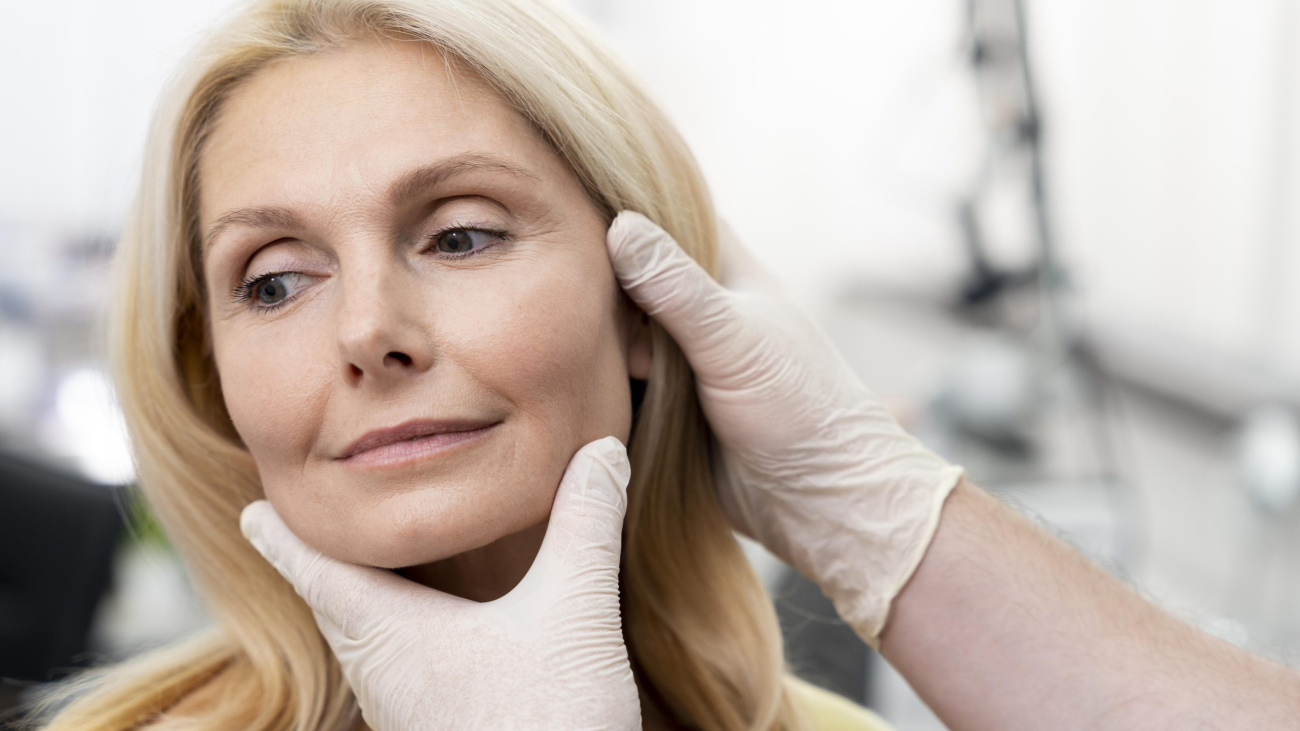
J-Plasma for Skin Rejuvenation: A New Minimally Invasive Approach
Table of Contents
Introduction
As skin ages, it often shows signs like sagging, wrinkles, and uneven texture, which can impact self-esteem. Many seek treatments that improve skin appearance without lengthy recovery or invasive procedures. Traditional skin tightening usually requires surgery or extensive downtime, limiting convenience. J-Plasma offers a revolutionary minimally invasive technique that tightens skin by delivering controlled energy with high precision. This approach reduces tissue trauma, enabling faster healing and natural results. Patients typically resume normal activities soon after treatment, fitting well with active lifestyles. This article explores how J-Plasma works, its advantages, safety considerations, and future prospects, providing insight into a promising alternative for skin rejuvenation.
Understanding J-Plasma Technology in Skin Rejuvenation
J-Plasma merges cold helium plasma with radiofrequency energy to target skin layers precisely. This combination promotes remodeling by tightening both superficial and deeper tissues. It stimulates collagen synthesis, enhancing skin elasticity and texture without extensive damage. The technology’s controlled energy delivery minimizes discomfort and shortens recovery compared to conventional methods. By focusing on tissue regeneration, J-Plasma supports natural-looking improvements with a safer profile.
Comparing J-Plasma to Traditional Skin Tightening Methods
J-Plasma distinguishes itself through its unique use of cold helium plasma, differing from lasers and radiofrequency devices. It delivers energy with less heat-related injury, reducing risks common in other treatments. Surgical lifts, while effective, involve greater invasiveness and longer healing. Key advantages of J-Plasma include:
- Less invasiveness than surgery
- Shorter downtime than laser resurfacing
- Reduced thermal damage compared to radiofrequency
- Precise collagen stimulation
- Effective for delicate facial areas
- Lower scarring risk
- Faster recovery and fewer complications
- Compatibility with adjunct therapies
These factors position J-Plasma as a balanced option combining safety and efficacy for skin tightening.
The Science Behind J-Plasma’s Minimally Invasive Approach
This technology employs cold helium plasma coupled with radiofrequency to produce controlled heating focused on targeted skin layers. The energy causes immediate contraction of elastin fibers, resulting in visible tightening. Concurrently, the treatment stimulates fibroblasts to generate new collagen, supporting long-term skin rejuvenation. This dual mechanism ensures both instant and progressive improvement with minimal collateral damage.
| Mechanism | Skin Effect | Patient Benefit | |
|---|---|---|---|
| Cold Helium Plasma | Targeted energy delivery | Limited thermal injury | |
| Radiofrequency Energy | Controlled heating | Immediate tissue tightening | |
| Collagen Stimulation | Enhanced collagen synthesis | Sustained skin firmness | |
| Tissue Contraction | Elastin fiber shrinkage | Noticeable rejuvenation |
This scientific foundation underlies J-Plasma’s effectiveness and quick recovery profile.
J-Plasma for Facial Skin Rejuvenation: Mechanisms and Benefits
On the face, J-Plasma tightens loose skin and smooths texture by promoting collagen regeneration. The procedure resurfaces skin layers gently, reducing fine lines and wrinkles with minimal invasiveness. Patients often observe firmer, refreshed skin soon after treatment, with continued improvements over subsequent weeks. The method suits diverse skin types, offering reliable rejuvenation without prolonged downtime or discomfort.
Safety Profile and Risk Management in J-Plasma Procedures
Safety in J-Plasma treatments relies on precise energy control and patient-specific customization. Pre-treatment assessments identify suitable candidates to minimize complications. Common safety considerations include:
- Thorough evaluation before procedure
- Expectation of mild, temporary redness or swelling
- Rare risks such as burns or pigment changes
- Strict sterile conditions to prevent infection
- Experienced practitioners tailoring settings
- Close monitoring during treatment
- Clear post-care guidelines to support healing
Together, these measures ensure effective and safe skin rejuvenation.
Patient Selection Criteria for Optimal J-Plasma Results
Ideal candidates for J-Plasma typically have mild to moderate skin laxity and are in good general health. Age range often spans 30 to 60 years, with preference for those without active skin issues or autoimmune conditions. Other factors influencing suitability:
- Skin types I-III have lower risk profiles
- Non-smokers tend to heal better
- Realistic expectations foster satisfaction
- Desire for minimally invasive solutions
Appropriate selection maximizes benefits while minimizing risks and downtime.
Recovery Timeline and Aftercare Following J-Plasma Treatment
Post-treatment healing progresses through defined stages:
- Mild redness and swelling in the first 24 hours
- Sensitivity or tightness lasting 2-3 days
- Immediate commencement of gentle skin care
- Sun avoidance mandatory; sunscreen application daily
- Possible light scabbing or peeling after day 3
- Return to routine activities generally within one week
- Hydration and nutrition aid recovery
- Follow-up visits to monitor progress
Adhering to aftercare recommendations supports optimal outcomes and comfort.
Combining J-Plasma with Stem Cell Therapy for Enhanced Rejuvenation
When paired with stem cell therapy, J-Plasma’s collagen stimulation complements regenerative effects by activating cellular repair processes. This combination fosters deeper tissue renewal, extending and amplifying rejuvenation results.
| Component | Action | Benefit | Recovery | |
|---|---|---|---|---|
| J-Plasma | Plasma energy-induced tightening | Collagen boost | Minimal (1-3 days) | |
| Stem Cell Therapy | Activation of regenerative cells | Enhanced tissue repair | Variable | |
| Combined Approach | Synergistic regeneration | Prolonged, improved outcomes | Minimal to moderate |
Under expert supervision, this integrative method remains safe and effective.
J-Plasma Bodylift: Expanding Applications Beyond the Face
J-Plasma’s benefits extend to body areas requiring skin tightening, such as the abdomen and arms. This technique enhances collagen synthesis, improving skin firmness and contour with minimal discomfort. Highlights include:
- Targeted, minimally invasive treatment
- Effective reduction of loose skin
- Short recovery time
- Suitable across various skin types
- Long-lasting skin elasticity improvements
This broadens J-Plasma’s role in aesthetic medicine beyond facial rejuvenation.
Regulatory Considerations and Professional Guidelines for J-Plasma
J-Plasma has received clearance from key regulatory agencies, confirming its safety and efficacy. Providers must adhere to strict professional standards involving patient assessment, informed consent, and sterile technique.
| Regulatory Body | Status | Guidelines Emphasized | Patient Safety Focus | |
|---|---|---|---|---|
| FDA | Cleared for use | Certified training required | Device safety and monitoring | |
| CE Mark (Europe) | Certified | Clinical protocol adherence | Informed consent and ethics | |
| Medical Associations | Endorsed practices | Ethical and evidence-based care | Ongoing provider education |
Compliance ensures ethical and reliable treatments.
Long-Term Outcomes and Patient Satisfaction with J-Plasma
Studies and patient reports highlight sustained skin tightening and texture enhancement lasting beyond six months. Quick recovery and minimal discomfort contribute to high satisfaction. Additional observations:
- Consistent improvements with follow-up care
- Preference for natural-looking results
- Reduced reliance on invasive surgeries
- Sun protection and healthy habits prolong effects
- Combination therapies may further optimize outcomes
These factors underscore J-Plasma’s balance of efficacy and patient comfort.
Innovations and Future Directions in J-Plasma Skin Rejuvenation
Research continues to refine J-Plasma’s precision and expand its applications. Emerging uses include scar revision and advanced body contouring. Integration with other minimally invasive treatments is under exploration to maximize skin quality improvements. Future developments aim to enhance safety, reduce downtime, and broaden patient suitability, reinforcing J-Plasma’s place in aesthetic medicine.
Frequently Asked Questions
What is J-Plasma technology and how does it work for skin rejuvenation? J-Plasma utilizes helium gas energized by radiofrequency to create a controlled plasma stream. This heats targeted skin layers, stimulating collagen and delivering effective tightening with limited surrounding tissue damage. How long is the recovery time after a J-Plasma skin rejuvenation treatment? Recovery is typically brief, with most patients resuming normal activities within 2 to 5 days. Mild redness or swelling may appear but resolves quickly. Is J-Plasma treatment suitable for all skin types and ages? While generally safe across various skin types, it is best suited for individuals with mild to moderate laxity. A personalized consultation ensures optimal safety and results. What kind of results can patients expect from J-Plasma skin rejuvenation? Patients usually experience immediate tightening and smoother skin, with improvements continuing over several months. The outcomes are natural-looking without extensive downtime. Are there any risks or side effects associated with J-Plasma treatments? Side effects are minimal when performed by skilled professionals and may include temporary redness, swelling, or mild discomfort. Strict protocols ensure patient safety. Clinic Wise provides expert care using J-Plasma technology to deliver safe and effective skin rejuvenation.