


Your mommy makeover surgery day in Turkey follows a precise hour-by-hour timeline: early arrival for bloodwork and surgeon sign-off, general anaesthesia for 4–6 hours of combined tummy tuck, breast, and liposuction procedures, then monitored recovery room waking before settling into your private suite with 24/7 nursing care.
If you are reading this, your mommy makeover surgery day is likely circled on the calendar — maybe a few weeks out, maybe just days. The consultations are done, the flights are booked, and the anticipation has settled into something practical: what actually happens when I walk through those hospital doors? This walkthrough answers that question hour by hour, so nothing catches you off guard. We have guided hundreds of patients through this exact mommy makeover surgery day experience at Clinic Wise, and the rhythm is always the same: calm, clinical, and remarkably well-orchestrated.
Before You Arrive: The Night-Before Checklist

Your mommy makeover procedure timeline effectively begins the evening before. The hospital will call or message with a confirmed arrival time — usually between 7:00 and 8:00 AM — and a fasting reminder (no food or water after midnight). This is standard pre-op checklist Turkey protocol for any general anaesthetic.
Pack your hospital bag the night before. Think: loose, front-fastening clothing you can pull on without raising your arms (a button-up shirt, zip-up hoodie, stretchy joggers), slip-on shoes, phone charger, passport, and any daily medications in their original packaging. Leave jewellery, contacts, and valuables at your hotel. If Clinic Wise provided your compression garment ahead of time, bring it; otherwise, the hospital will supply one sized to you post-op.
Sleep is your best preparation. Many patients describe the night before as a mix of nerves and excitement — completely normal. A warm shower, no heavy meals, and an early bedtime set you up for a smoother anaesthetic experience.
Key Takeaway: Treat the night before as part of your surgical preparation — fast strictly, pack front-fastening clothes, and prioritise sleep. Your body will thank you tomorrow.
Hour 0–1: Arrival, Admission, and Final Checks

You arrive at the private hospital — modern, quiet, and a world away from busy public wards. A Clinic Wise patient coordinator meets you at the entrance (often the same person who has been your WhatsApp contact for weeks) and walks you straight to the VIP admission desk. No waiting rooms, no queues.
Within minutes you are in your private pre-op suite. A nurse takes baseline vitals: blood pressure, temperature, oxygen saturation, weight. Blood is drawn for final labs (CBC, coagulation, electrolytes, pregnancy test if applicable). An ECG may be done if you are over 40 or have any cardiac history. All results return within the hour.
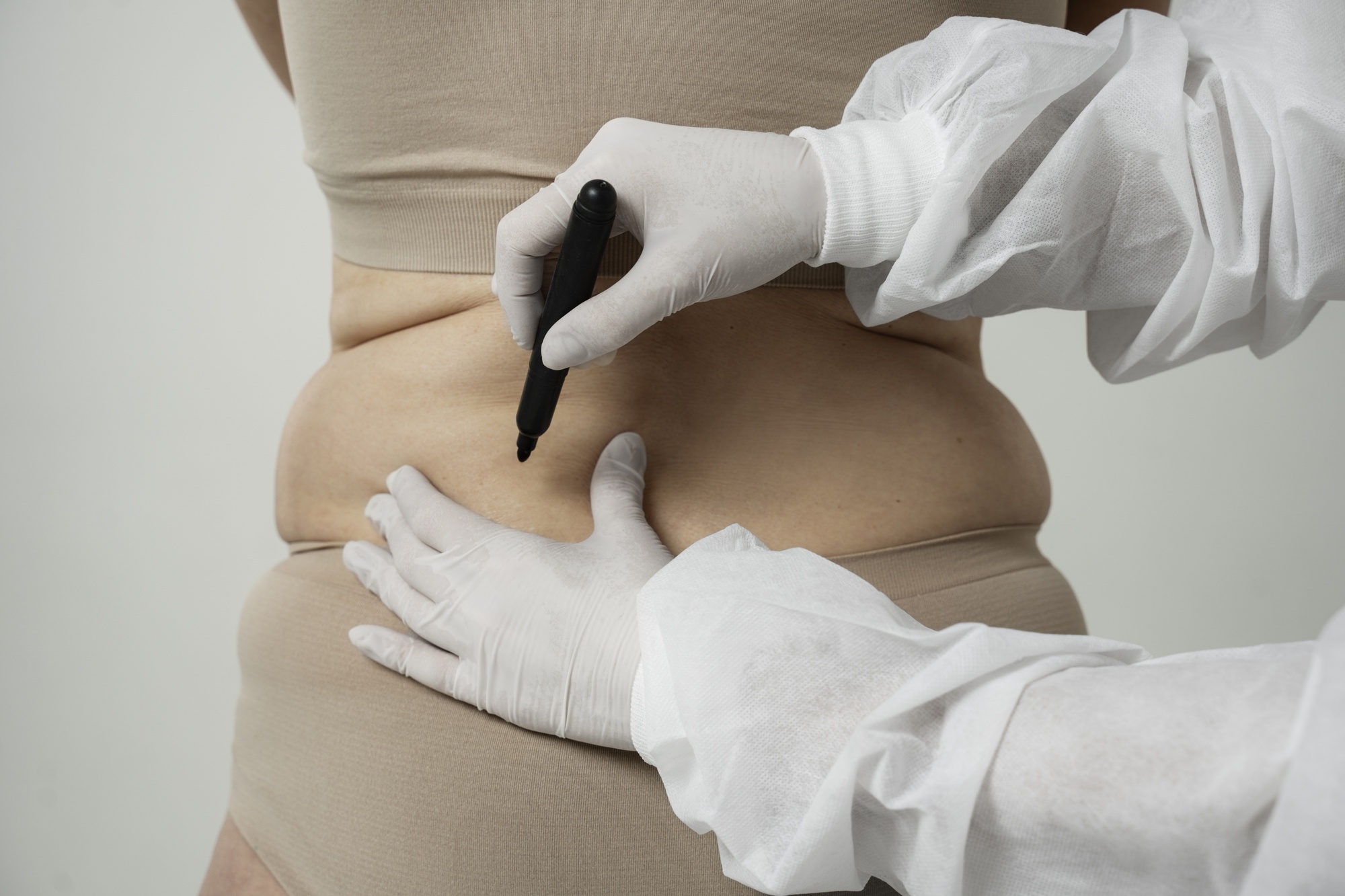
Your surgeon visits for the final surgical sign-off. You will stand in front of a mirror while they mark incision lines with a surgical pen — abdomen, breast, liposuction zones. This is your moment to confirm or adjust anything visual. Photos are taken for your medical record (not marketing). The anaesthetist follows, reviews your labs, asks about allergies and previous anaesthetics, and explains the plan: general anaesthetic with a thoracic epidural or nerve block option for post-op comfort.
You change into the surgical gown, compression stockings go on (DVT prevention), and an IV cannula is placed. A calm settles in. The coordinator steps out to update your companion waiting in the lounge.
Key Takeaway: Admission is swift and private. You will meet your surgeon and anaesthetist face-to-face, confirm markings, and have every baseline check completed before you even see the operating theatre.
Hour 1–2: Into the Operating Theatre
When the team is ready, a theatre porter collects you on a warmed transfer bed. The walk to the operating suite takes less than a minute. The room is bright, cool, and humming with quiet coordination — scrub nurses counting instruments, the anaesthetist prepping drugs, your surgeon scrubbing in.
You move onto the operating table (heated, padded). Monitors attach: pulse oximeter, blood pressure cuff, ECG leads, temperature probe. A BIS monitor may be placed on your forehead to track depth of anaesthesia. The anaesthetist gives oxygen via mask, then the induction agent through your IV. Most patients describe a sensation of warmth spreading from the arm, then — nothing. The next thing you know, you are waking up.
While you are under, the surgical sequence typically flows: liposuction first (flanks, upper abdomen, sometimes back), then the tummy tuck (skin excision, muscle repair, belly button repositioning), then breast surgery (lift with or without implants, or reduction). Doing lipo first reduces fluid shift and gives cleaner tissue planes for the abdominoplasty. One anaesthetic. One recovery. That is the efficiency of the combined surgery schedule.
Key Takeaway: The theatre team works in a rehearsed sequence — lipo, tummy tuck, breast — all under one anaesthetic. You feel nothing and wake up only when every layer is closed and dressed.
Hour 5–7: Waking Up in the Recovery Room (PACU)
You surface gradually. First awareness: oxygen mask on your face, a nurse’s voice, the beep of monitors. You are in the Post-Anaesthesia Care Unit (PACU) — a high-dependency bay with one-to-one nursing. Your vitals are recorded every 5–15 minutes. Pain is assessed on a numerical scale; IV analgesia (typically paracetamol, NSAID, and a mild opioid) is already running on a PCA pump or scheduled protocol.
You will notice: surgical drains at the abdomen (usually two), compressive dressings on the breasts, a foam garment or binder around the torso, and sequential compression devices (SCDs) on your calves still pumping. A urinary catheter may be in place — standard for longer combined cases — and will be removed once you are mobile.
Nausea is common in the first hour. The anaesthetist has already given anti-emetics intra-operatively; more can be added instantly. Shivering? Warm blankets and a forced-air warming blanket fix it fast. Most patients spend 60–90 minutes here until the anaesthetist signs off: airway stable, pain controlled, vitals steady, no excessive drain output.
Key Takeaway: The recovery room is intensive by design — one nurse, constant monitoring, proactive pain and nausea management. You leave only when every safety box is ticked.
Hour 7–8: Transfer to Your Private Suite
A bed transfer moves you to your private room — en-suite bathroom, TV, Wi-Fi, fridge, and a fold-out bed for your companion. The lighting is adjustable. The nurse call button is at your pillow and in the bathroom. Your coordinator reappears with your phone (charged) and any personal items.
Now the turkey surgery day experience shifts from clinical intensity to supported recovery. The ward nurse introduces the next 24-hour plan: drain measurement and recording every shift, pain medication schedule (oral transition begins once you tolerate sips of water), anticoagulant injection (usually once daily), and the first assisted mobilisation — usually sitting on the edge of bed, then standing, then a few steps to the bathroom.
You will be bent forward at the waist (protecting the tummy tuck repair) and moving slowly. That is expected. The nurse walks with you, handheld. Many patients describe this first walk as surreal — a mix of soreness, pride, and the strange lightness of the excess skin being gone.
Key Takeaway: Your private suite is your recovery base for the next 1–2 nights. Mobilisation starts day-of, gently and assisted. Every movement is guided, not forced.
TL;DR — Your Mommy Makeover Surgery Day at a Glance
- 07:00–08:00 Arrival → VIP admission → labs, vitals, surgeon markings, anaesthetist review
- 08:30–09:00 Transfer to theatre → monitors on → general anaesthetic induction
- 09:00–14:00 Surgery: lipo → tummy tuck → breast (4–6 hours typical)
- 14:00–15:30 PACU wake-up → 1:1 monitoring → pain/nausea control → drain check
- 15:30+ Private room → companion joins → oral meds start → first assisted walk
- Evening Sips of water → light broth → upright rest → sleep with binder on
Hour 8–12: The First Evening — Rest, Hydrate, Breathe
By early evening, you are settled. The focus shifts to three things: pain staying manageable (usually a 3–4/10 at rest with scheduled meds), drains outputting serosanguinous fluid (normal, measured every shift), and lungs expanding. You will be coached on incentive spirometry — 10 deep breaths every hour while awake — to prevent atelectasis.
Diet advances: ice chips → water sips → clear broth → tea with honey. Nausea can return as anaesthetic gases clear; tell the nurse early so they can adjust meds. Your companion can help with sips, adjusting pillows, and the emotional weight of the day. Many patients feel a quiet emotional release this evening — relief that it is done, gratitude for the care, awe at the body’s resilience.
Sleep comes in fragments. The binder stays on. Drains are pinned to your gown. You sleep semi-upright (30–45 degrees) on a wedge of pillows — this reduces abdominal tension and swelling. The nurse checks you at least hourly through the night.
Key Takeaway: Night one is about controlled rest: upright sleep, scheduled analgesia, spirometry, and a nurse never far away. You do not need to be brave — you need to be honest about pain and nausea.
Day 1 Post-Op: The Morning After
Dawn brings the first full surgeon round. Your surgeon (not a resident — the consultant who operated) examines drain sites, breast dressings, abdominal closure, and asks about pain, bowel sounds, and mobility. Drain output is reviewed; if both are under 30–40 ml per 8 hours, one may come out today. The binder is adjusted. You shower (waterproof dressings allow it) with nurse assistance — a milestone that feels surprisingly normal.
Mobilisation increases: corridor walks, longer duration, more upright posture. Oral antibiotics, analgesics, and anticoagulants continue. By midday, you may feel ready for a short wheelchair trip to the hospital garden or café — always with your nurse.
This is also when the Clinic Wise coordinator reviews your discharge paperwork: medication schedule (usually 5–7 days of oral antibiotics, 10–14 days of anticoagulant injections you self-administer), follow-up appointments (day 3, day 7, day 14), drain care instructions, scar protocol start date, and the 24/7 English-speaking emergency line. Your flight home is typically cleared for day 7–10 post-op, depending on drain status and surgeon sign-off.
Key Takeaway: Day one post-op is surgeon-led, mobility-focused, and discharge-planned. You leave with a complete home-care kit, clear timelines, and direct access to your surgical team.
What Makes This Day Different in Turkey
Patients who have had surgery in the UK or EU often note three distinctions. First: continuity. The same surgeon who marked you in the morning operates, rounds on you daily, and clears you for flight. Second: nursing ratios. Private Turkish hospitals staff 1:1 in PACU and 1:3–4 on the ward — far above many public systems. Third: the patient journey guide integration. Your coordinator is not a translator; they are a care navigator who knows your file, your surgeon’s preferences, and your hotel’s late-checkout policy.
The hospitals Clinic Wise partners with are JCI-accredited, purpose-built for international patients, and designed around the combined surgery schedule — meaning theatres, recovery bays, and wards are calibrated for multi-procedure cases, not occasional add-ons.
Key Takeaway: The Turkish private hospital model is built for combined procedures — dedicated teams, generous staffing, and a coordinator who bridges clinical and logistical care seamlessly.
Frequently Asked Questions
How long does a mommy makeover surgery day take from arrival to recovery room?
Most patients spend 10 to 12 hours at the hospital on surgery day — arriving early morning for pre-op preparation, undergoing the combined procedure which typically lasts 4 to 6 hours, then waking up in the recovery room under close monitoring before transferring to your private room.
What procedures are usually combined in a mommy makeover on the same day?
A classic mommy makeover typically combines a tummy tuck with breast surgery (lift, augmentation, or reduction) and liposuction of the flanks or abdomen — all performed under a single general anaesthetic to minimise recovery time and hospital stay.
Will I be alone on surgery day or does someone stay with me?
You will never be unattended. A dedicated patient coordinator meets you at the hospital, stays through admission, and your private room includes accommodation for a companion. Nursing staff monitor you continuously from anaesthesia through recovery.
When can I walk after a combined tummy tuck, breast, and lipo procedure?
Most patients take their first assisted steps within 4 to 6 hours after waking up — usually to the bathroom with nurse support. Early mobilisation is encouraged to promote circulation, but you will move at your own pace with guidance.
What should I pack for my mommy makeover surgery day in Turkey?
Bring loose, front-fastening clothing (button-up shirt, zip-up hoodie), slip-on shoes, compression garments if pre-provided, phone charger, passport, and any prescribed medications. The hospital supplies surgical gowns, toiletries, and post-op drains management kits.

The Advantages of Combining treatments: Combining Plastic Surgery treatments can be a great way to save recovery time, save costs, Read more

What is 360-Degree Body Contouring?360-degree body contouring is an advanced surgical approach that targets multiple areas of the body simultaneously Read more
What Is Weight Loss? Weight loss refers to the process of reducing overall body weight. This typically involves a combination Read more
Add a Comment