
Turkey leads globally in mommy makeover recovery through an integrated aftercare ecosystem: nurse-led recovery hotels, daily lymphatic drainage massage, and direct surgeon follow-up. Patients heal in comfort with 24/7 clinical support, structured mobility guidance, and a week-by-week protocol designed for optimal results and minimal complications.
Mommy Makeover Recovery in Turkey: Why It Leads Globally
If you are researching mommy makeover recovery turkey, you have likely noticed a pattern: patients who choose Istanbul or Antalya consistently describe a post-operative experience that feels less like recovery and more like a supported retreat. This is not accidental. Over the past decade, Turkey has built something rare in global medical tourism — a seamless, clinical-grade aftercare infrastructure that wraps around you from the moment you leave the operating theatre until you are cleared to fly home. The result is a healing journey that is safer, more comfortable, and often faster than what many patients experience at home.
The difference is structural. In many countries, aftercare ends at hospital discharge. You are handed a prescription, a sheet of instructions, and a follow-up appointment two weeks later. In Turkey, the clinic’s responsibility extends into a purpose-built recovery ecosystem. This article walks you through exactly how that ecosystem works, why it matters for your specific procedure combination, and what you can expect at each stage of your mommy makeover healing timeline.
What Makes Mommy Makeover Recovery Turkey Different?
The core distinction is continuity. When you book a mommy makeover — typically a tummy tuck, breast procedure (lift, augmentation, or reduction), and liposuction with or without J-Plasma — you are managing multiple surgical sites simultaneously. Each has its own healing rhythm, compression needs, and mobility restrictions. Coordinating that alone at home is overwhelming. In Turkey, the coordination is done for you.
Your surgical team, your recovery nurses, and your lymphatic therapists operate on a shared protocol. They communicate daily. Your surgeon visits you in the recovery hotel. Your nurse adjusts your compression garments based on the therapist’s feedback. Your patient coordinator handles pharmacy runs, paperwork, and transport. You focus entirely on healing.
Key Takeaway: Turkey’s competitive moat is not the surgery itself — it is the integrated aftercare infrastructure that surrounds it. Every element is designed to talk to the others, so nothing falls through the cracks.
The Integrated Aftercare Ecosystem: How It Works

Think of the ecosystem as three overlapping layers, each staffed by specialists who only do this work.
Layer 1: Nurse-Led Recovery Hotels
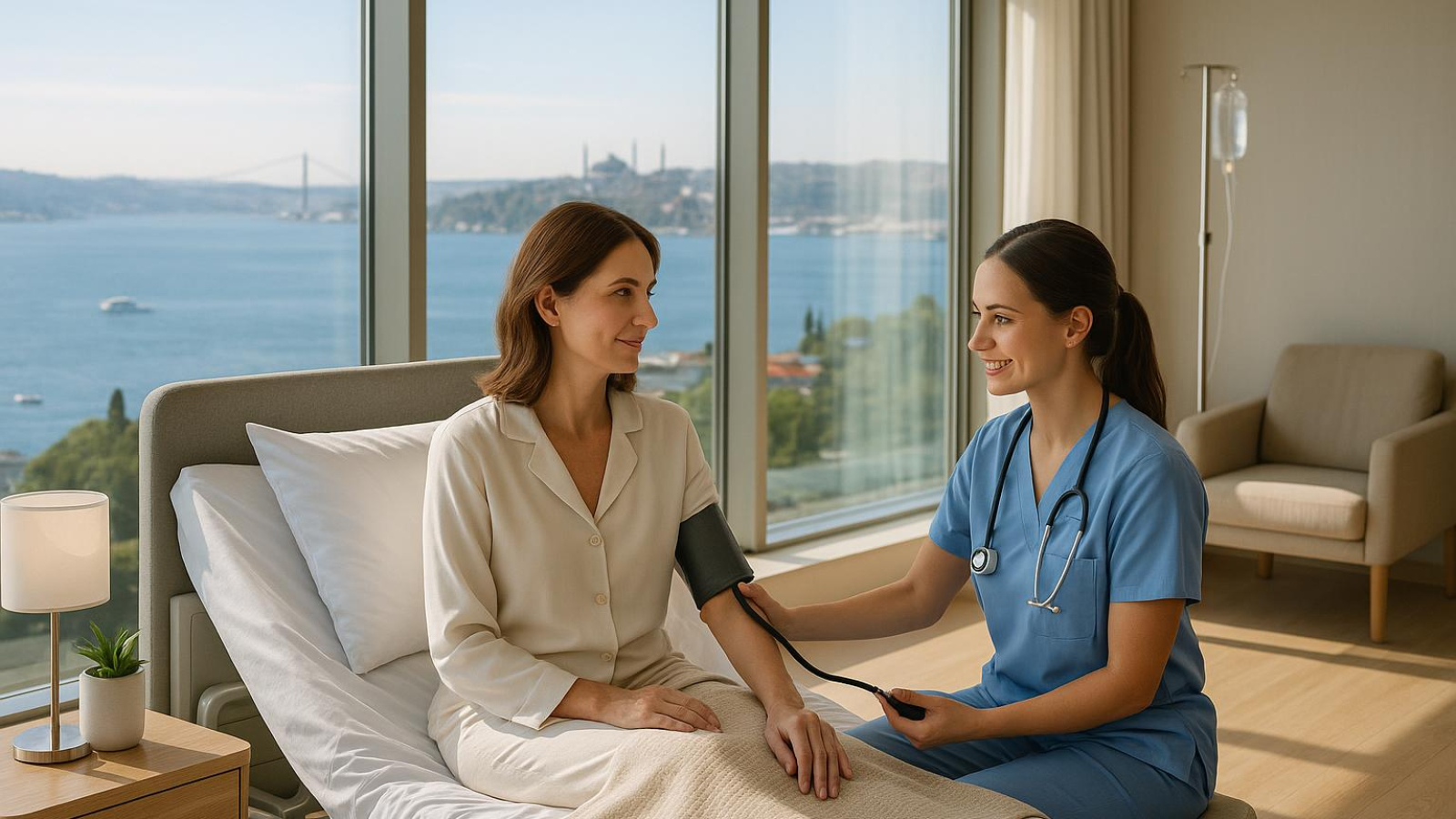
These are not standard hotels with a nurse on call. They are licensed clinical facilities disguised as boutique accommodation. You stay in a private suite — often with a companion bed for a partner or family member — while registered nurses monitor you around the clock. They manage surgical drains, administer IV medications if needed, track fluid output, and catch early signs of seroma, haematoma, or infection before they escalate.
Mobility is supervised. The first time you sit up, stand, or walk to the bathroom, a nurse is beside you. This matters enormously after a tummy tuck with muscle repair, where intra-abdominal pressure must be managed carefully. Patients consistently describe the psychological relief of knowing clinical eyes are on them 24/7 without the sterility of a hospital ward.
Layer 2: Daily Lymphatic Drainage Massage Turkey
Lymphatic drainage is not a spa treatment here — it is a prescribed, daily clinical intervention. Starting as early as day two or three post-op, a certified therapist performs gentle, rhythmic strokes that encourage lymphatic fluid to move away from surgical sites. This directly reduces swelling, bruising, and the tight, heavy sensation that makes early recovery uncomfortable.
Equally important, consistent drainage lowers the risk of fibrosis — the internal scarring that can create lumps, hardness, or contour irregularities months later. In many destinations, patients must seek this out privately, often waiting weeks for an appointment. In Turkey, it is scheduled into your day, every day, for the duration of your stay.
Layer 3: Surgeon Follow-Up and Post-Op Care Istanbul Standards
Your surgeon does not disappear after the operation. They visit you in the recovery hotel — often daily for the first few days, then every 48 hours. They assess wound healing, drain output, symmetry, and pain levels in person. They adjust the plan in real time: when to remove drains, when to transition compression garments, when to advance mobility.
Before you fly home, you receive a detailed discharge summary, a week-by-week mobility and garment protocol, and direct contact channels for questions during the months ahead. This post-op care istanbul model ensures the handover to your home care (or virtual follow-ups) is clean and informed.
Key Takeaway: The ecosystem works because no layer operates in isolation. Your therapist tells your nurse about swelling patterns; your nurse tells your surgeon about drain output; your surgeon adjusts the plan. You are the centre of a communicating team.
TL;DR — Turkey’s Recovery Advantage at a Glance
- Nurse-led recovery hotels: 24/7 clinical monitoring in a private, comfortable suite
- Daily lymphatic drainage: Prescribed, therapist-delivered sessions starting within days of surgery
- Surgeon access: In-person follow-ups in your recovery room, not a clinic waiting room
- Coordinated protocol: One shared plan across nurses, therapists, and surgeons
- Discharge readiness: You leave with a written week-by-week guide and open communication channels
Your Mommy Makeover Healing Timeline: Week by Week
Understanding the mommy makeover week by week progression helps you plan your stay and set expectations. While every body heals at its own pace, the Turkish aftercare model is built around a typical trajectory.
Days 1–3: The Acute Phase (In Hospital, Then Recovery Hotel)
You wake up in the hospital recovery room with drains in place, compression garments on, and pain managed via IV medication. Most patients transfer to the recovery hotel on day one or two. Nurses manage drain care, help you log fluid output, and assist with the first supported walks. Lymphatic drainage begins — extremely gentle, focused on areas away from incisions initially. Sleep is semi-reclined; a wedge pillow and adjustable bed make this easy.
Days 4–7: The Transition Phase
Drains often come out during this window (timing depends on output). Mobility increases: longer walks around the hotel, sitting upright for meals, short trips to a nearby café with your nurse’s approval. Daily lymphatic sessions deepen, addressing the abdomen, flanks, and breast areas as tolerated. Garment adjustments happen — sometimes switching from a full-body suit to targeted pieces. Your surgeon checks wound lines and symmetry in person.
Days 8–14: The Building Phase
Most patients fly home in this window, cleared by their surgeon. Swelling is still significant but trending down. Bruising shifts from purple to green-yellow. You receive a personalised mommy makeover healing timeline document covering weeks three through eight: when to resume driving, light household tasks, desk work, and eventually exercise. Scar care protocol begins (silicone sheets or gel, sun protection). Virtual follow-ups are scheduled.
Weeks 3–8: The Remodelling Phase (At Home)
This is where the early investment in daily lymphatic drainage pays off. Patients who received consistent therapy in Turkey typically report less residual firmness, smoother contours, and faster return to normal sensation. You follow the written protocol, check in virtually, and send photos at set intervals. Your surgeon remains your point of contact for any concerns.
Key Takeaway: The first two weeks on the ground in Turkey cover the highest-risk, highest-discomfort period — with clinical support at every step. You return home past the acute phase, with a clear roadmap for the months ahead.
Why Nurse-Led Recovery Hotels Change Everything
It is worth pausing on this component, because it is the most visible difference for patients coming from systems where “recovery” means “go home and figure it out.”
A nurse-led recovery hotel solves three problems simultaneously:
- Clinical safety. Drains, pain control, mobility, and wound monitoring are handled by professionals who do this every day. Complications are caught early — often before you would notice them yourself.
- Comfort psychology. Healing in a beautiful, quiet suite with room service, blackout curtains, and a view of the city or sea changes your nervous system state. Lower stress hormones support better wound healing and immune function. This is not luxury for luxury’s sake; it is physiologically useful.
- Companion inclusion. Your partner, sister, or friend stays with you, supported by the same infrastructure. They learn how to help you at home — garment changes, medication timing, mobility cues — under nurse guidance. They are not left guessing.
Many patients tell us the recovery hotel stay was the most unexpectedly valuable part of their entire journey. They arrived anxious about pain and drains; they left feeling cared for, informed, and surprisingly rested.
Lymphatic Drainage Massage Turkey: Daily Support for Healing
We mentioned this earlier, but it deserves its own spotlight because it is so frequently misunderstood. Lymphatic drainage after a mommy makeover is not the same as a relaxing Swedish massage. It is a specialised technique — light pressure, specific sequence, anatomical precision — performed by therapists trained in post-surgical protocols.
In the Turkish model, these therapists are part of the clinic’s extended team. They know your surgical plan. They know which areas were liposuctioned, where the tummy tuck undermining extends, whether you had J-Plasma skin tightening. They adjust pressure and sequence accordingly. A therapist who does not know your anatomy can do harm; here, they are briefed by your surgeon.
The daily frequency matters. Lymphatic fluid accumulates continuously in the first weeks. Intermittent treatment (once a week, for example) allows fluid to stagnate between sessions, increasing fibrosis risk. Daily treatment keeps the system moving, which is why it is standard in mommy makeover aftercare turkey packages — not an upsell.
Surgeon Follow-Up: The Thread That Binds It All
In many destination-surgery models, the surgeon operates, sees you once before discharge, and you never lay eyes on them again. In Turkey’s leading clinics, the surgeon is your constant through the recovery hotel stay.
This changes the conversation. You are not describing symptoms to a nurse who relays them to a doctor who calls back hours later. You are showing your surgeon your abdomen, your breasts, your drain output — in real time. They see the nuance: a slight asymmetry in swelling, a suture line that needs a steroid tape, a drain that can come out today instead of tomorrow. Decisions happen instantly.
Before you leave, you have a final in-person consultation. Your surgeon reviews every incision, confirms drain removal sites are closed, verifies garment fit, and walks you through the next eight weeks. You leave with their direct contact (usually WhatsApp or a patient portal) and a scheduled video call for week three.
Key Takeaway: Continuous surgeon access during the critical first two weeks is the single most underrated factor in mommy makeover outcomes. It converts uncertainty into clinical decisions — fast.
Planning Your Stay: Practical Wisdom
Most patients stay 10–14 nights for a full mommy makeover. This covers the acute and transition phases entirely within the supported environment. A few practical notes that experienced patients wish they knew earlier:
- Pack loose, front-closing clothing. Button-down shirts, zip-up hoodies, slip-on shoes. You will not raise your arms fully for weeks.
- Bring a longer charging cable. You will spend many hours semi-reclined; a three-metre cable lets you use your phone without straining.
- Hydration is non-negotiable. The nurses will remind you constantly — but start the habit before you travel. Well-hydrated
Frequently Asked Questions
How long is the full mommy makeover healing timeline in Turkey?
Most patients follow a structured mommy makeover week by week plan spanning six to eight weeks for major healing, with full settling continuing over several months. Turkey’s aftercare infrastructure supports you actively through the critical first two to three weeks on the ground.
What does mommy makeover aftercare turkey typically include?
A comprehensive programme includes a stay in a nurse-led recovery hotel, daily lymphatic drainage massage sessions, prescribed medication management, wound checks, compression garment guidance, and direct access to your surgical team for questions throughout your stay.
Are turkey recovery hotels staffed by medical professionals?
Yes, the leading recovery hotels partner with clinics to provide 24/7 registered nursing staff who monitor vitals, manage drains, assist with mobility, and coordinate directly with your surgeon — bridging the gap between hospital discharge and independent recovery.
Why is lymphatic drainage massage turkey recommended daily after surgery?
Daily lymphatic drainage reduces swelling, minimises fibrosis risk, accelerates bruising resolution, and supports contour refinement. In Turkey, it is integrated into the standard recovery pathway rather than offered as an optional add-on.
Related PostsMommy Makeover: Maternity Aesthetic
The Advantages of Combining treatments: Combining Plastic Surgery treatments can be a great way to save recovery time, save costs, Read more
Enhancing Curves with 360-Degree Body Contouring: The Future of Body Shaping Surgery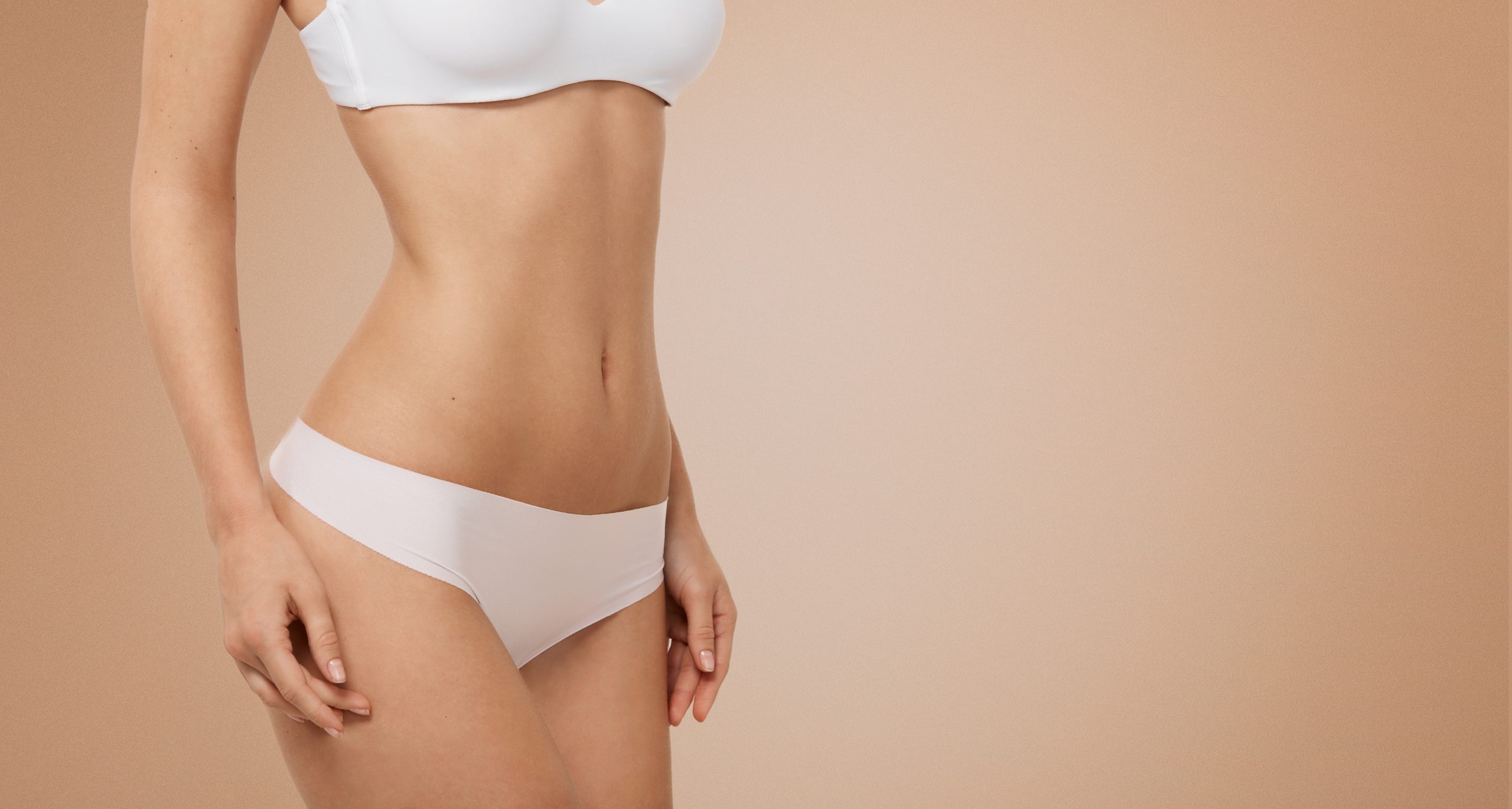
What is 360-Degree Body Contouring?360-degree body contouring is an advanced surgical approach that targets multiple areas of the body simultaneously Read more
Understanding the Relationship Between Weight Loss and Body Shaping
What Is Weight Loss? Weight loss refers to the process of reducing overall body weight. This typically involves a combination Read more
Add a Comment