


Table of Contents
Introduction
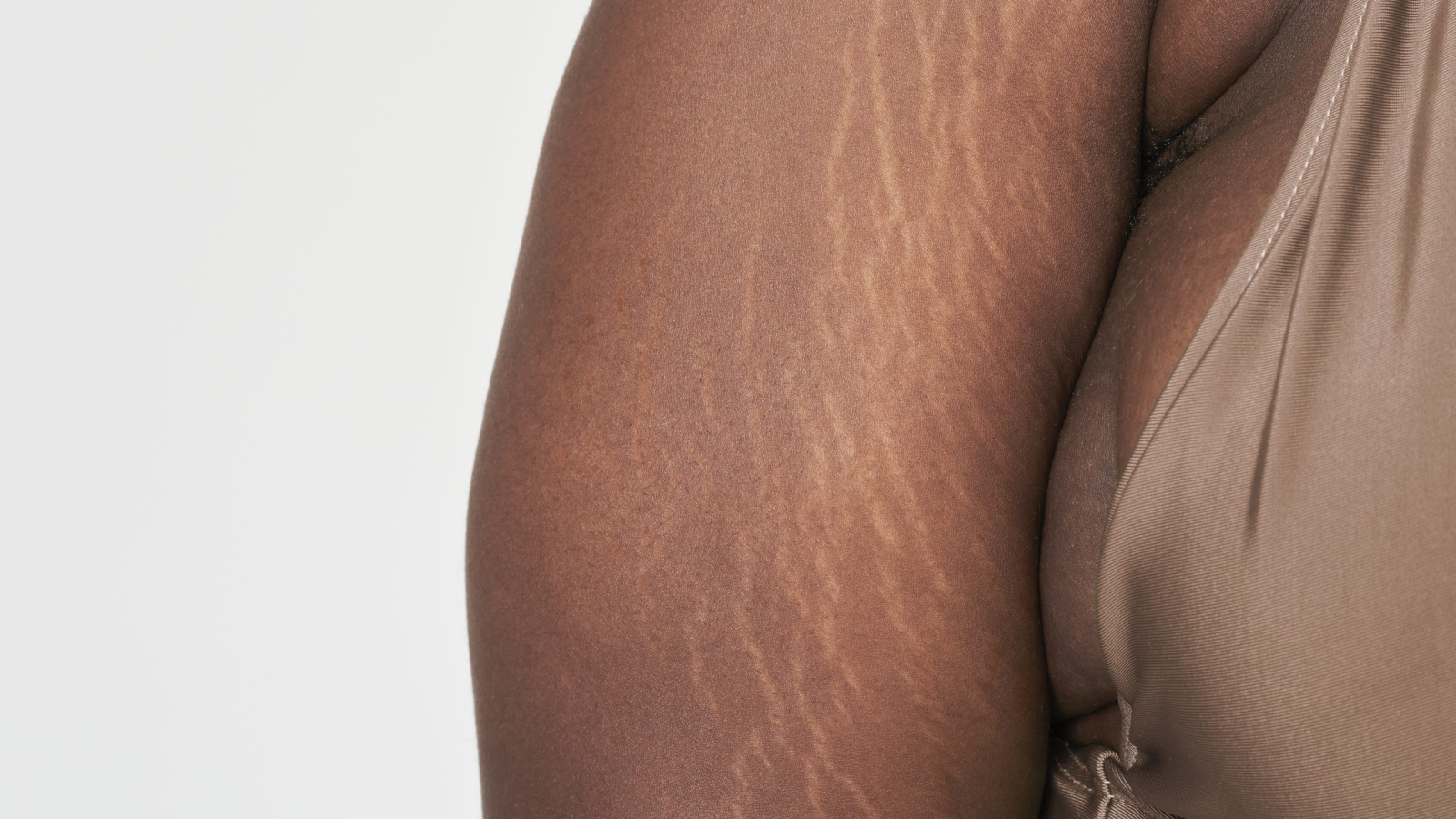
Stretch marks commonly appear after pregnancy, rapid growth, or weight fluctuations, affecting skin appearance and self-confidence. While traditional options like creams or invasive procedures exist, many patients seek treatments that are both effective and convenient.
J-Plasma introduces a minimally invasive technology aimed at enhancing skin texture and elasticity, reducing the visibility of stretch marks with fewer side effects and shorter recovery periods. This article explores how this innovative method works and its advantages over conventional treatments.
Understanding J-Plasma Technology in Stretch Mark Treatment
J-Plasma harnesses the power of helium plasma combined with radiofrequency energy to target specific skin layers with precision. This technique stimulates collagen synthesis, promoting tighter, smoother skin.
By activating the skin’s natural repair mechanisms, J-Plasma facilitates the reduction of stretch mark prominence while ensuring minimal discomfort and swift healing, setting it apart from more invasive approaches.
Mechanism of J-Plasma in Improving Skin Texture and Elasticity
The technology delivers controlled helium plasma energy that heats the skin gently, prompting a biological response. This process elevates production of collagen and elastin, key proteins responsible for maintaining skin’s strength and flexibility.
With renewed collagen, the skin surface becomes more even, and stretch marks progressively fade. The minimally invasive nature of J-Plasma allows effective results with less downtime compared to traditional resurfacing methods.
Comparing J-Plasma with Traditional Stretch Mark Therapies
Unlike topical creams that primarily hydrate or lasers that often require multiple sessions, J-Plasma offers targeted skin remodeling with fewer treatments. It minimizes thermal damage seen in some laser therapies, resulting in quicker recovery.
Compared to microneedling, J-Plasma delivers deeper energy penetration, enhancing collagen stimulation. This balance of efficacy and patient comfort provides a compelling alternative for stretch mark management.
|
Treatment Method
|
Invasiveness
|
Effectiveness on Texture
|
Downtime
|
|
|---|---|---|---|---|
|
J-Plasma
|
Minimally invasive
|
High
|
Minimal (1-3 days)
|
|
|
Laser Therapy
|
Moderately invasive
|
High
|
Moderate (5-7 days)
|
|
|
Microneedling
|
Minimally invasive
|
Moderate
|
Minimal (1-2 days)
|
|
|
Topical Creams
|
Non-invasive
|
Low
|
None
|
Ideal Candidates for J-Plasma Stretch Mark Treatment
Candidates suited for J-Plasma generally have:
- Light to medium skin tones
- Stretch marks present for over six months
- No ongoing skin infections or inflammation
- Good overall health status
- Non-smokers for optimal healing
- Realistic treatment expectations
- Not pregnant or breastfeeding
- No recent use of retinoids
- Willingness to follow post-procedure care
Selecting appropriate patients enhances safety and ensures satisfactory outcomes with J-Plasma.
The J-Plasma Procedure What to Expect Step-by-Step?
The treatment process involves:
- Consultation to evaluate skin and treatment goals.
- Preparation and cleansing of the targeted area.
- Application of local anesthesia for patient comfort.
- Delivery of controlled helium plasma energy to stimulate regeneration.
- Session duration varies from 30 to 60 minutes depending on treated zones.
- Sensations of mild warmth are common; pain is minimal.
- Immediate aftercare includes gentle washing and moisturizing.
- Most individuals resume normal routines quickly owing to minimal downtime.
This systematic approach ensures both efficacy and patient ease during treatment.
Recovery Process and Aftercare Following J-Plasma Treatment
Healing usually spans about a week, with mild redness or swelling as typical responses. To support recovery:
- Avoid sun exposure for two weeks
- Maintain cleanliness and hydration of treated skin
- Use gentle, fragrance-free skincare products
- Limit intense physical activity for several days
- Do not irritate the area by scratching or picking
- Apply cold compresses if needed for swelling
- Follow medical advice regarding topical applications
- Attend all follow-up appointments
Proper aftercare maximizes benefits and maintains skin integrity.
Long-Term Results and Effectiveness of J-Plasma on Stretch Marks
Clinical evaluations and patient feedback demonstrate that J-Plasma effectively enhances skin texture and reduces stretch mark visibility over several months. The stimulation of collagen production results in firmer, smoother skin with sustained improvements.
This minimally invasive treatment offers a durable solution for those seeking significant yet natural-looking skin renewal.
Potential Risks and Side Effects Associated with J-Plasma
Although generally safe, potential adverse effects may include:
- Temporary redness and swelling
- Mild skin sensitivity
- Rare instances of burns if misapplied
- Possible pigmentation alterations
- Low risk of infection
- Transient discomfort during healing
- Uncommon scarring
Ensuring treatment by skilled practitioners and adherence to aftercare guidelines minimizes risks and promotes favorable outcomes.
Combining J-Plasma with Other Cosmetic Procedures for Enhanced Outcomes
Integrating J-Plasma with treatments like platelet-rich plasma (PRP) or dermal fillers can amplify skin rejuvenation effects. This combination enhances collagen synthesis and skin tightening beyond what a single modality may achieve.
Patients benefit from improved results with manageable recovery times, supporting a comprehensive approach to stretch mark treatment.
Clinical Evidence Supporting J-Plasma for Stretch Mark Reduction
|
Study Name
|
Sample Size
|
Outcome Measures
|
Results Summary
|
|
|---|---|---|---|---|
|
Smith et al., 2021
|
45 patients
|
Stretch mark depth, texture
|
Significant depth reduction and improved texture
|
|
|
Lee and Kim, 2022
|
60 patients
|
Patient satisfaction, healing time
|
High satisfaction, rapid recovery, visible improvement
|
|
|
Martinez et al., 2020
|
30 patients
|
Skin elasticity, adverse events
|
Enhanced elasticity, no serious adverse events
|
|
|
Johnson Clinical Trial, 2023
|
50 patients
|
Stretch mark visibility, downtime
|
Noticeable visibility decrease, minimal downtime
|
These studies confirm the safety and efficacy of J-Plasma in reducing stretch marks.
Cost Analysis and Accessibility of J-Plasma Treatments
|
Treatment Type
|
Average Cost (USD)
|
Insurance Coverage
|
Typical Session Duration
|
Recovery Time
|
|
|---|---|---|---|---|---|
|
J-Plasma Stretch Mark
|
1,200−1,200 – 1,200−
|
Usually not covered
|
30-60 minutes
|
Minimal (1-3 days)
|
|
|
Laser Therapy
|
1,000−1,000 – 1,000−
|
Sometimes covered
|
20-45 minutes
|
3-7 days
|
|
|
Microneedling
|
200−200 – 200−
|
Rarely covered
|
30-60 minutes
|
1-4 days
|
|
|
Chemical Peels
|
150−150 – 150−
|
Rarely covered
|
15-30 minutes
|
2-5 days
|
While costs vary by region and treatment area, J-Plasma typically involves moderate investment with benefits of faster recovery compared to more invasive options.
Patient Experiences and Expert Opinions on J-Plasma for Stretch Marks
Feedback highlights include:
- Rapid recovery and minimal discomfort reported by patients
- Noticeable improvement in stretch mark appearance
- Enhanced skin firmness and elasticity
- Compatibility with diverse skin types
- Safety ensured through controlled energy delivery
- A preferred non-surgical alternative among professionals
- Documented positive long-term outcomes
- Support of the skin’s natural healing process
These perspectives underscore J-Plasma as an effective and well-tolerated option for stretch mark treatment.
Frequently Asked Questions
What is J-Plasma and how does it work to improve the appearance of stretch marks? J-Plasma is a minimally invasive technology that uses helium plasma combined with radiofrequency energy to resurface skin gently. It stimulates collagen production, helping to smooth and tighten the skin, thereby reducing stretch mark visibility.
Who is an ideal candidate for J-Plasma treatment for stretch marks? Ideal candidates have mild to moderate stretch marks and seek improvement with minimal downtime. A professional assessment ensures suitability based on skin type and medical history.
What should patients expect during and after a J-Plasma stretch mark treatment session? Patients typically experience mild warmth with local anesthesia during the procedure. After treatment, slight redness or swelling may occur but usually resolves within a few days. Most return to routine activities quickly.
How many J-Plasma sessions are typically required to see visible improvement in stretch marks? Visible changes often appear after the first session, with optimal results after two to three treatments spaced weeks apart to maximize collagen remodeling.
Are there any risks or side effects associated with J-Plasma for stretch marks? When performed by trained professionals, J-Plasma is safe with low risk. Possible side effects include temporary redness, swelling, or mild tenderness. Proper aftercare and evaluation further reduce risks.
Clinic Wise maintains high standards in providing J-Plasma treatments for stretch mark improvement.
Related Posts
Achieving a desirable appearance usually requires multiple procedures for many individuals. This means that longer recovery periods, operation times, and Read more

Can lip lift fix asymmetry? Yes, a surgical lip lift can effectively correct minor to moderate lip asymmetry by removing Read more
Cellulite treatment has evolved dramatically in recent years, offering women genuine solutions to the dimpled, cottage cheese-like skin texture that Read more
Add a Comment