


Table of Contents
Introduction
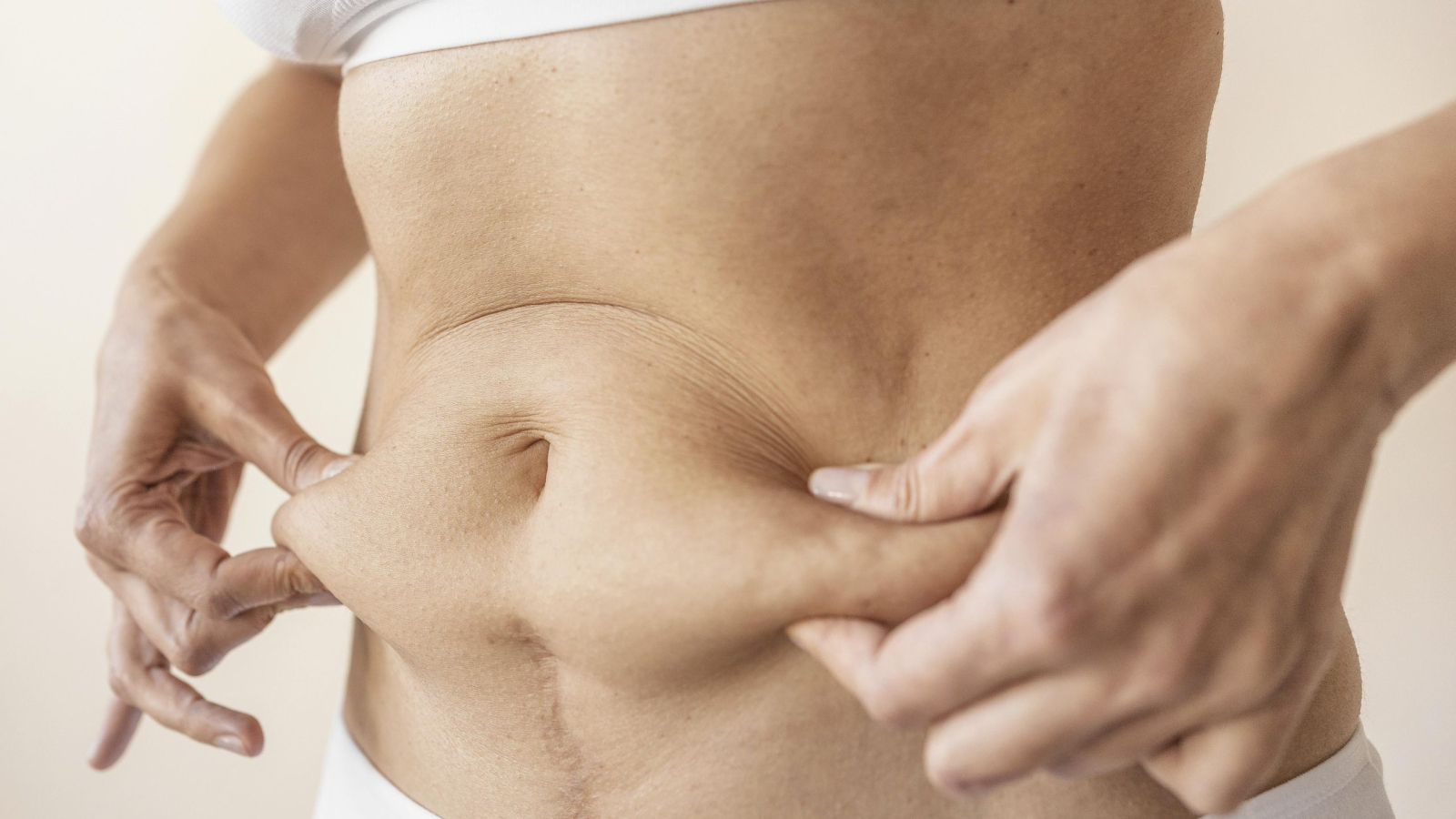
Loose skin and stubborn fat around the abdomen often occur after pregnancy or significant weight loss, affecting appearance and self-confidence. If these changes impact how you feel in your clothes or around mirrors, a tummy tuck might offer a solution.
This article introduces you to the tummy tuck procedure, including candidate suitability, surgical details, and post-operative care. Gaining this knowledge supports safe decision-making and helps you achieve the best possible results.
Abdominoplasty removes excess skin and fat to reshape the abdominal area, often restoring confidence and improving body contours. Recovery requires patience and adherence to medical advice to ensure smooth healing.
By exploring the entire process, from preparation to recovery, you’ll be better equipped to consider tummy tuck surgery as a safe option to enhance your abdominal profile.
Understanding the Basics of Tummy Tuck Surgery for Safe Abdominal Contouring
Tummy tuck surgery targets excess skin and fat to refine the abdominal shape. It is ideal for individuals with skin laxity following weight changes or childbirth. Key aspects include:
- Candidates should have stable weight and satisfactory health
- The procedure tightens weakened abdominal muscles
- Removal of surplus skin and fat is performed carefully
- Incisions are designed to minimize visible scarring
- Surgery typically lasts between two to four hours
- General anesthesia ensures patient comfort
- Recovery involves rest and activity restrictions
- Post-surgical care includes wound checks and follow-up visits
- Swelling gradually subsides revealing improved contours
- Expert techniques reduce the likelihood of complications
- Clear patient education sets realistic expectations
This foundational understanding supports safe and effective abdominal contour enhancement.
Key Surgical Techniques to Enhance Your Abdominal Contour Safely
|
Surgical Technique
|
Description
|
Benefit
|
Safety Considerations
|
|
|---|---|---|---|---|
|
Skin Removal
|
Careful excision of redundant skin to refine shape
|
Creates firmer, smoother abdomen
|
Accurate measurements prevent over-tightening
|
|
|
Fat Excision
|
Removal of fat deposits via liposuction or excision
|
Improves body definition and silhouette
|
Protects surrounding tissues from trauma
|
|
|
Muscle Tightening
|
Suturing of abdominal muscles to restore tension
|
Corrects muscle separation, enhancing firmness
|
Minimizes risk to nerves and vessels
|
These combined methods provide a tailored approach, balancing aesthetic goals with patient safety.
Preparing for a Tummy Tuck: Essential Steps for a Safe Procedure
Thorough preparation is vital to optimize surgical outcomes. Important steps include:
- Medical evaluation to assess overall health
- Detailed discussion of medical history with your surgeon
- Smoking cessation at least six weeks before surgery
- Medication adjustments per physician guidance
- Maintaining a stable, healthy weight
- Adhering to preoperative fasting and instructions
- Arranging support for the recovery period
- Understanding the procedure and expected recovery timeline
- Clarifying anesthesia and pain management plans
- Preparing a comfortable environment at home
- Planning time off work and limiting strenuous activity
- Setting realistic goals for surgical results
Open communication and diligent preparation contribute to a safer tummy tuck experience.
The Role of Abdominal Muscle Repair in Tummy Tuck Surgery
|
Aspect
|
Description
|
Benefit
|
|
|---|---|---|---|
|
Muscle Separation
|
Repair of stretched or separated abdominal muscles
|
Restores core stability and posture
|
|
|
Surgical Technique
|
Precise suturing beneath skin and fat layers
|
Enhances abdominal firmness and contour
|
|
|
Core Strength Improvement
|
Strengthened muscles support movement and reduce discomfort
|
Improves functional daily activities
|
|
|
Safety Measures
|
Use of refined techniques to avoid nerve injury and infection
|
Promotes safer healing process
|
Muscle repair is a crucial element that not only shapes the abdomen but also improves physical support.
Minimizing Risks and Complications in Tummy Tuck Procedures
Though generally safe, tummy tuck surgery involves potential risks that can be mitigated by:
- Adhering to strict infection prevention protocols
- Conducting thorough preoperative assessments
- Utilizing skilled surgical and anesthesia techniques
- Providing vigilant post-operative wound care
- Monitoring for blood clots and other complications
- Managing swelling and bruising effectively
- Enforcing smoking abstinence before and after surgery
- Limiting physical activity as advised
- Ensuring proper hydration and nutrition
- Scheduling timely follow-ups
- Educating patients to recognize warning signs
Vigilance and expertise throughout the process reduce complications and support positive outcomes.
Post-Operative Care Tips to Ensure Safe and Effective Recovery
Supporting your body’s healing after surgery involves:
- Keeping incisions clean and dry as instructed
- Changing dressings according to medical advice
- Avoiding heavy lifting and strenuous exercise for several weeks
- Wearing compression garments to control swelling
- Taking prescribed medications consistently
- Maintaining adequate hydration
- Watching for signs of infection such as redness or discharge
- Abstaining from smoking to aid tissue repair
- Attending all scheduled follow-ups
- Gradually increasing light activity to boost circulation
- Reporting unusual symptoms to your healthcare provider
- Sleeping with slight elevation to reduce discomfort
These steps contribute to a smooth recovery and optimal surgical results.
How to Achieve Long-Lasting Results from Your Tummy Tuck
|
Lifestyle Factor
|
Recommended Action
|
Benefit to Abdominal Contour
|
Notes on Post-Operative Care
|
|
|---|---|---|---|---|
|
Nutrition
|
Follow a balanced, low-sodium diet
|
Supports skin health and reduces swelling
|
Hydration is key for tissue repair
|
|
|
Exercise
|
Incorporate moderate aerobic and core exercises
|
Maintains muscle tone and prevents fat regain
|
Avoid intense workouts initially
|
|
|
Weight Management
|
Maintain consistent weight
|
Prevents stretching or distortion of surgical results
|
Sudden fluctuations can impact outcomes
|
|
|
Smoking Cessation
|
Avoid tobacco products before and after surgery
|
Enhances blood flow and healing capacity
|
Seek support for quitting if needed
|
|
|
Follow-up Appointments
|
Keep all post-op visits with your surgical team
|
Enables monitoring and early intervention
|
Critical for sustained success
|
Sustained lifestyle habits are essential to preserve and enhance tummy tuck benefits.
Choosing the Right Tummy Tuck Type for Your Abdominal Goals
Selecting the appropriate tummy tuck variation depends on individual anatomy and desired outcomes:
- Full tummy tuck: Comprehensive removal of excess skin and muscle tightening
- Mini tummy tuck: Targets the lower abdomen with smaller incisions
- Extended tummy tuck: Includes tightening of flanks and waistline for broader contour refinement
- Candidacy is based on skin laxity, health, and personal goals
- Each procedure varies in complexity, recovery time, and scarring
- Surgeons tailor the approach to maximize aesthetic and safety outcomes
- Proper selection reduces risk and improves satisfaction
A personalized surgical plan aligns expectations with achievable results.
The Impact of Tummy Tuck Surgery on Abdominal Scars and Healing
|
Stage of Healing
|
Scar Appearance
|
Recommended Care
|
|
|---|---|---|---|
|
Initial (0-2 weeks)
|
Red, raised scars
|
Gentle cleaning, avoid tension
|
|
|
Intermediate (2-6 weeks)
|
Pink, flattening scars
|
Silicone sheets, sun protection
|
|
|
Late (6 weeks – 6 months)
|
Fading, smooth scars
|
Massage therapy, moisturizers
|
|
|
Mature (6 months +)
|
Pale and minimal
|
Consistent skin care, avoid trauma
|
Awareness of scar progression and attentive care optimizes scar appearance and supports healing.
Combining Tummy Tuck with Other Procedures for Enhanced Contouring
Integrating tummy tuck with complementary surgeries can refine body shape comprehensively:
- Liposuction to address localized fat pockets
- Body lift procedures for skin tightening beyond the abdomen
- Enhanced muscle repair techniques for firmness
- Individualized surgical planning to balance outcomes
- Limits multiple anesthesia exposures
- Shortens overall recovery time compared to separate procedures
- Improves waistline symmetry and proportion
- Addresses broader skin laxity and contour irregularities
- Requires thorough pre-surgical evaluation to ensure safety
- Coordinated post-operative care supports healing
Discuss combined options with your surgeon to maximize aesthetic benefits safely.
Importance of Surgeon Expertise for Safe and Effective Tummy Tucks
|
Surgeon Expertise Level
|
Impact on Surgical Outcome
|
Patient Safety Measures
|
Recovery Support
|
|
|---|---|---|---|---|
|
Board-Certified Plastic Surgeon
|
Achieves precise contouring with minimal complications
|
Applies rigorous sterilization and anesthesia protocols
|
Designs personalized post-op care plans
|
|
|
Specialized Training in Tummy Tuck
|
Tailors techniques to patient anatomy
|
Closely monitors vital signs during surgery
|
Provides detailed wound care guidance
|
|
|
Extensive Experience
|
Manages unexpected challenges adeptly
|
Communicates risks clearly and thoroughly
|
Conducts regular healing assessments
|
|
|
Commitment to Continuing Education
|
Incorporates latest surgical safety advancements
|
Employs evidence-based infection control
|
Supports both physical and emotional recovery
|
Selecting a highly qualified surgeon is critical for safety and satisfactory results.
Understanding the Recovery Timeline After a Tummy Tuck Surgery
Recovery progresses through distinct phases requiring appropriate care:
- Hospital observation typically lasts 1-2 days post-surgery
- Initial rest phase during the first week with limited movement
- Surgical drains are generally removed within 1 to 2 weeks
- Early light walking encouraged to aid circulation
- Avoidance of heavy lifting and strenuous activity for 4-6 weeks
- Swelling usually decreases significantly after 3-4 weeks
- Scheduled follow-ups monitor healing progress
- Return to work often possible within 2-4 weeks depending on job demands
- Gradual resumption of exercise after 6 weeks
- Full physical activity generally resumed by 8 weeks
Adhering to these guidelines facilitates a safe and effective recovery.
How to Maintain Your Abdominal Contour Post-Tummy Tuck
|
Aspect
|
Recommendation
|
Reason
|
Tips for Success
|
|
|---|---|---|---|---|
|
Nutrition
|
Consume a balanced diet rich in protein and fiber
|
Supports tissue repair and muscle tone
|
Include lean proteins, vegetables, and whole grains
|
|
|
Exercise
|
Engage in regular low-impact activities
|
Helps maintain muscle strength and shape
|
Walking, swimming, and gentle core workouts are ideal
|
|
|
Skin Care
|
Use moisturizers and sun protection
|
Preserves skin elasticity and prevents damage
|
Apply sunscreen daily and hydrate skin regularly
|
|
|
Hydration
|
Drink sufficient water daily
|
Maintains skin health and supports healing
|
Aim for at least 8 glasses per day
|
Ongoing care is key to sustaining surgical improvements and overall satisfaction.
Patient Selection Criteria for Safe and Successful Abdominoplasty
Appropriate candidate selection ensures optimal safety and effectiveness:
- Weight stability for a minimum of six months
- Good physical health without uncontrolled chronic conditions
- Non-smoker or committed to cessation before surgery
- Absence of active infections or blood clotting disorders
- Realistic expectations regarding surgical outcomes
- Adequate skin laxity suitable for correction
- Psychological readiness for surgery and recovery commitment
- No history of significant complications in past surgeries
Careful evaluation reduces risks and supports smooth healing.
Innovations in Tummy Tuck Techniques for Improved Safety and Aesthetics
|
Innovation
|
Benefit
|
Impact on Safety
|
Cosmetic Outcome
|
|
|---|---|---|---|---|
|
Laser-Assisted Tummy Tuck
|
Enables precise tissue removal
|
Decreases bleeding and swelling
|
Produces smoother skin contours
|
|
|
Progressive Tension Sutures
|
Reduces fluid accumulation
|
Lowers risk of seroma formation
|
Enhances abdominal shape definition
|
|
|
Enhanced Recovery Protocols
|
Accelerates healing
|
Minimizes complications
|
Shortens downtime
|
|
|
3D Imaging Planning
|
Allows customized surgical approach
|
Improves surgical accuracy
|
Tailors contour to individual anatomy
|
These advances improve patient experiences by merging safety with superior aesthetics.
Frequently Asked Questions (FAQ)
What makes someone a good candidate for tummy tuck surgery? Ideal candidates are adults in good health with excess abdominal skin or muscle weakness after pregnancy or weight loss. They should have stable weight and realistic expectations for surgical results.
How is the tummy tuck surgical procedure performed? The procedure involves removing excess skin and fat while tightening underlying muscles through a horizontal incision above the pubic area. Techniques focus on minimizing visible scars and achieving a natural abdominal contour.
What should I expect during the recovery period after tummy tuck surgery? Recovery involves gradual return to activity, starting with gentle walking to boost circulation and avoiding heavy lifting for several weeks. Pain and swelling are managed with prescribed medications, with most patients resuming normal routines within 4 to 6 weeks.
Are there any risks or complications associated with tummy tuck surgery? Risks include infection, bleeding, and scarring, but these are minimized through experienced surgical care and strict protocols. Monitoring during recovery helps detect and address any issues promptly.
How can I prepare for tummy tuck surgery to ensure the best outcome? Preparation includes quitting smoking, stabilizing weight, and reviewing medications with your surgeon. Following all preoperative instructions and maintaining open communication supports a smooth surgery and recovery.
At Clinic Wise, patient safety and expert care are our priorities to deliver tummy tuck surgeries that achieve safe, effective, and satisfying abdominal contour enhancements.
Related Posts

Weight Loss and Tummy Tuck Surgery Examine the impact of stomach tuck surgery on body contouring and weight loss. Discover Read more
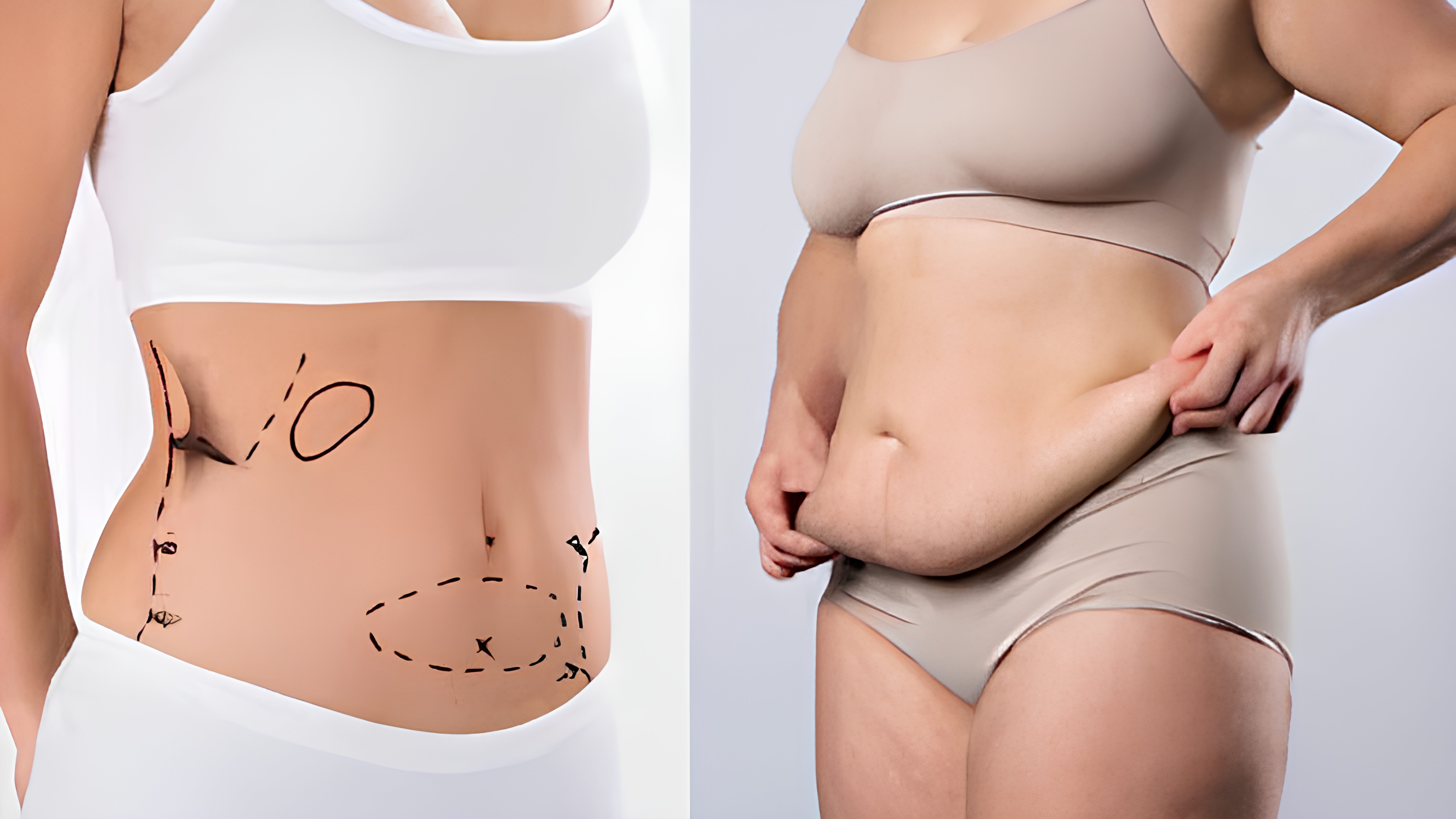
What is Tummy Tuck? Abdominoplasty, a tummy tuck, is an aesthetic surgical surgery used to enhance the physical appearance and Read more
Maintaining smooth, supple skin on your face and body might become more difficult as you age, even with proactive regular Read more
Add a Comment