



Searching breast reduction myths vs reality? The procedure is widely considered worth it for chronic pain relief and mobility — scars fade strategically into natural lines, and regret is rare with proper planning. Turkey offers JCI-accredited care with European board-certified surgeons at Clinic Wise partner hospitals. Book a free consult to get your personal roadmap.
Breast Reduction Myths vs Reality: Worth It, Scars, Regret
You have probably typed breast reduction myths vs reality into search at 2 a.m., scrolling through Reddit threads where someone swears they regret it, another posts a scar photo that looks angry, and a third insists it was the best decision of their life. The noise is real. So is the weight on your shoulders — literally. Let us separate the stories that stall you from the facts that move you forward.
Myth 1: “It Is Just Cosmetic — Not Worth Major Surgery”
The strongest signal in every breast reduction worth it conversation is not aesthetics. It is the morning you wake up without the deep groove etched into your shoulders by bra straps. It is the first run where your sports bra actually holds. It is the specialist referral letter for chronic cervicogenic headaches that your GP writes because physiotherapy, osteopathy, and prescription NSAIDs have all failed.
Macromastia is a recognized mechanical burden. The weight pulls the thoracic spine into kyphosis, compresses the brachial plexus, and alters gait. Breast reduction removes that load and repositions the breast mound higher on the chest wall. Patients consistently describe the shift as immediate: the “heavy coat” sensation vanishes in recovery. One woman told us she cried the first time she stood in her kitchen chopping vegetables and realized her lower back did not ache.
Key Takeaway: Breast reduction is a functional restoration first. Aesthetic harmony follows — but the pain relief is why patients call it worth it.
Myth 2: “Scars Will Be Obvious and Ruin the Result”

Breast reduction scars are the most googled fear — and the most misunderstood. The standard anchor (inverted-T) or vertical (lollipop) pattern places incisions where the breast naturally folds: around the areola, vertically down to the inframammary crease, and sometimes along that crease itself. In the hands of surgeons who perform this procedure weekly, those lines settle into the shadows of your anatomy.
At three months, scars are pink and firm. At twelve months, they are pale, flat, and often barely visible in a mirror. Clinic Wise surgeons use layered closure with deep absorbable sutures that eliminate tension on the skin — the single biggest factor in wide scars. Post-op, you receive a personalized scar protocol: medical-grade silicone sheets, fractional laser timing if indicated, and strict UV guidance. Many patients tell us their partners literally cannot find the scars after eighteen months.
Key Takeaway: Scars are a trade — but a strategic one. Placed in natural folds and managed proactively, they become the faintest map of a decision that gave you your body back.
Myth 3: “Everyone Regrets It Eventually”
The breast reduction regret narrative thrives on forums because regret is loud; satisfaction is quiet. Patients who love their result are living life — not posting updates. When regret does surface, it almost always traces to one of two gaps: the surgeon removed too little tissue (leaving residual symptoms) or asymmetry was not corrected in the plan.
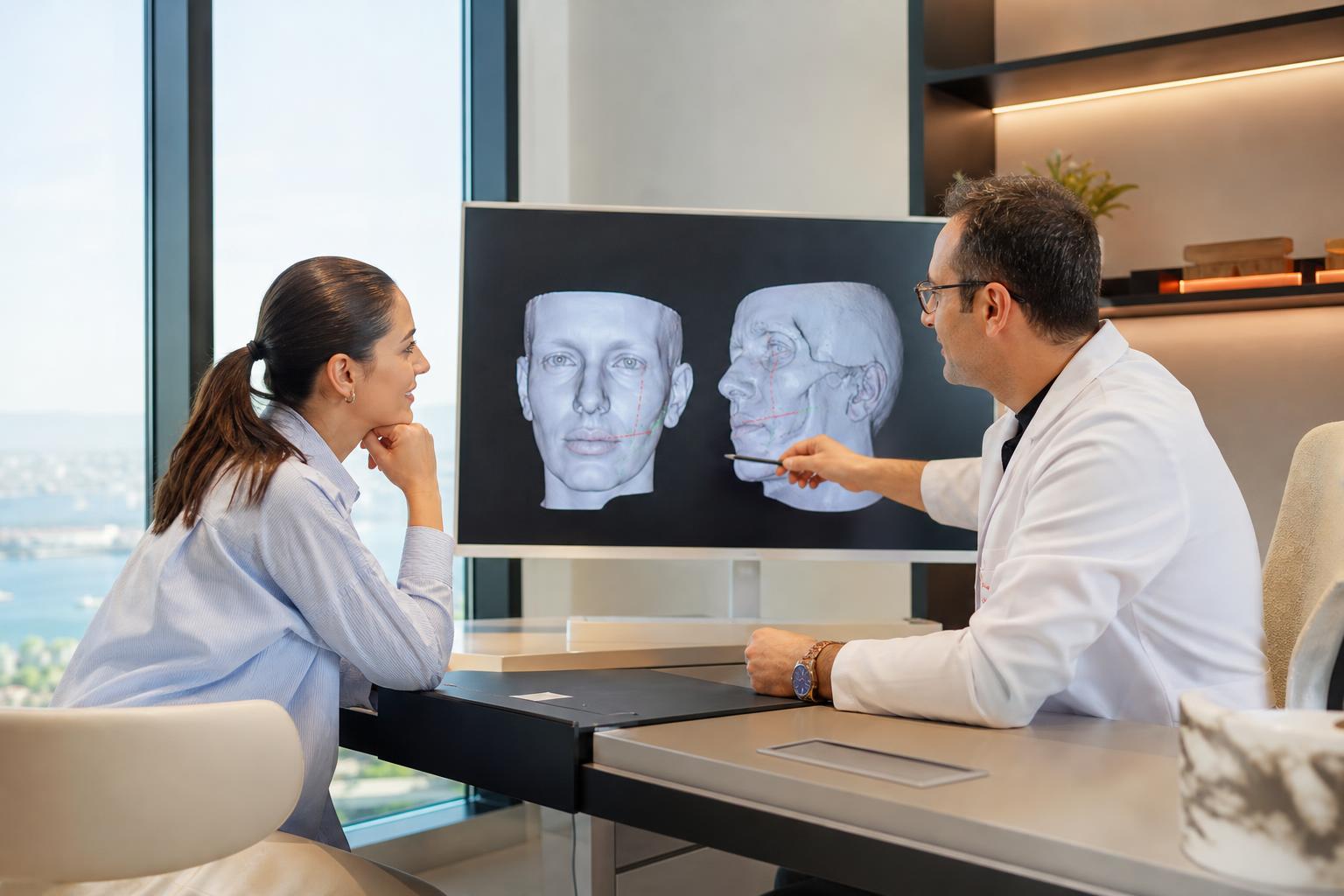
Both are preventable. Clinic Wise uses 3D Vectra imaging in every consultation. You see your predicted outcome from every angle before you sign. Volume removal is calculated in grams, not guesses. Symmetry is mapped millimetre by millimetre. You approve the surgical roadmap — not a vague promise. That clarity is why our patient stories show women hiking, swimming, lifting toddlers, and finally buying bras off the rack without tears.
Key Takeaway: Regret comes from misaligned expectations, not the surgery itself. Precision planning with 3D imaging and a surgeon who specializes in breast reduction makes the outcome predictable — and the satisfaction lasting.
TL;DR
• Breast reduction is primarily functional — chronic pain relief drives “worth it” verdicts.
• Scars follow natural breast folds and fade to fine lines with expert closure and aftercare.
• Regret is rare when 3D imaging, gram-specific planning, and specialist surgeons align expectations.
• Turkey’s JCI-accredited hospitals + European board-certified surgeons = same safety standards, seamless journey.
Myth 4: “Turkey Means Compromising on Safety or Aftercare”
This myth persists because medical tourism marketing once focused on price. Clinic Wise does not. Our partner hospitals in Istanbul and Antalya hold Joint Commission International accreditation — the same gold standard auditing Mayo Clinic and Cleveland Clinic. Operating theatres meet ISO Class 1 air purity. Anaesthetists are European Society of Anaesthesiology certified. Your preoperative workup (bloods, ECG, mammogram if indicated) happens before you fly. A dedicated patient coordinator meets you at the airport. Recovery nurses speak fluent English and monitor you in a private suite for the critical first nights. Follow-up appointments are scheduled before you leave — and virtual check-ins continue weekly for three months.
The breast reduction turkey search volume doubling tells us patients are verifying this themselves. They are finding that “Turkey” now means a specific tier of private healthcare — not a destination, but a care standard.
Key Takeaway: Safety is not geographic. It is institutional. JCI accreditation, European board certification, and a coordinated care pathway make Turkey a clinical choice — not a compromise.
Myth 5: “Recovery Will Sideline Me for Months”
Breast reduction recovery has a timeline, not a sentence. Most patients fly home on day 5–7. You walk gently the evening of surgery. Shower at 48 hours. Drive at two weeks (off pain meds). Desk work at 10–14 days. Light cardio at three weeks. Strength training at six. The “months” myth comes from conflating final scar maturation with functional return. Your life resumes in weeks; your scars refine in the background.
Clinic Wise provides a day-by-day recovery guide before you travel — compression garment fit, drain management (if used), sleep positioning pillows, even meal prep tips. Patients tell us the structure removes the anxiety. You are not guessing; you are following a protocol designed by the team that operated on you.
Your Next Step: Clarity Over Noise
You have read the myths. You have seen the reality. The gap between where you are and where you want to be is not surgery — it is information. A free virtual consultation with a Clinic Wise surgeon gives you: a 3D simulation of your result, a gram-specific tissue removal plan, a scar strategy tailored to your skin, and a recovery timeline built around your life. No pressure. No price talk. Just the roadmap you need to decide.
Frequently Asked Questions
How long do breast reduction scars take to fade?
Scars typically mature over 12 to 18 months, fading from pink to fine white lines. Strategic incision placement — often along the breast crease and around the areola — means they settle into natural contours. Consistent aftercare with silicone gels and sun protection makes a meaningful difference in final appearance.
Is breast reduction worth it for back pain?
Patients consistently describe breast reduction as life-changing for chronic neck, shoulder, and back pain caused by macromastia. The procedure removes excess tissue and repositions the breast, altering biomechanics immediately. Many report stopping daily pain medication and returning to exercise within weeks — a functional shift no cream or brace can achieve.
What is the regret rate for breast reduction?
Regret is exceptionally rare when surgery follows thorough consultation and realistic planning. Patients who regret it usually cite insufficient tissue removal or asymmetry — issues prevented by 3D imaging and surgeon experience. At Clinic Wise, every plan includes multiple virtual consults and a detailed surgical roadmap so expectations align with achievable outcomes.
Can I get breast reduction in Turkey safely?
Yes. Turkey’s top private hospitals hold JCI accreditation — the same global standard as leading UK and US facilities. Surgeons at Clinic Wise partner hospitals are European board-certified with thousands of breast procedures performed. Care pathways include preoperative labs, dedicated recovery nurses, and scheduled follow-ups before you travel home.
Does breast reduction affect breastfeeding?
Modern techniques preserve the nipple-areola complex on a viable pedicle, maintaining ductal connection in most cases. While no surgery guarantees breastfeeding, the vast majority of patients who become pregnant later nurse successfully. Discuss future family plans during consultation so your surgeon tailors the approach accordingly.

Clinic Wise takes a comprehensive look at the reasons why women have breast reduction surgery. Have a good read... Breast Read more

A Complete Guide to the Best Recovery and Results Discover our plastic surgeons’ recommendations for breast lift surgery aftercare to Read more

Breast Reduction: Too big to live! What is breast reduction surgery? Breast hypertrophy is bilateral growth of breast tissue disproportionate Read more
Add a Comment